
Engineered Component Showcase — Top OEM Manufacturing Capabilities
Explore our integrated production ecosystem spanning custom rubber molding, plastic injection, precision turned components, and heavy industrial metal fabrications.
1. Technical Engineering Overview & Polymer Chemistry in Custom Rubber Molding
Custom rubber molding represents a specialized intersection of polymer material science, non-linear thermal dynamics, and high-precision mechanical tooling. Unlike standard thermoplastic injection molding, elastomer processing involves irreversible molecular cross-linking (vulcanization) under controlled thermodynamic pressure and thermal cycles. As global industrial equipment, automotive powertrains, medical devices, and aerospace systems demand enhanced resistance to chemical degradation, temperature fluctuations, and mechanical hysteresis, selecting an authoritative, certified rubber molding partner is paramount for long-term engineering reliability.
Modern industrial applications require elastomeric compounds tailored precisely to environmental stressors. Achieving optimal sealing performance, vibration damping, and structural isolation relies on matching elastomer chemistries—such as Fluoroelastomer (FKM/Viton), Ethylene Propylene Diene Monomer (EPDM), Liquid Silicone Rubber (LSR), and Nitrile Rubber (NBR)—with appropriate tool geometry, shrinkage allowance, and molding technologies.
Elastomer Material Matrix & Chemical Selection Parameters
Selecting the correct raw elastomer requires balancing durometer hardness (Shore A or Shore D), tensile strength, elongation at break, tear resistance, and compression set. Below is an engineering selection guide based on core industrial performance metrics:
| Elastomer Family | Temperature Spectrum | Chemical & Environmental Resistance | Compression Set Resistance | Primary Industrial Use Cases |
|---|---|---|---|---|
| FKM / Viton (Fluoroelastomer) | -20°C to +230°C | Exceptional resistance to fuels, synthetic oils, aggressive chemicals, and ozone. | Outstanding at elevated temperatures | Automotive fuel lines, aerospace engine seals, chemical plant valve seats. |
| EPDM (Ethylene Propylene) | -45°C to +150°C | Superior weather, UV, steam, brake fluid, and polar solvent resistance. Poor oil resistance. | Very High (specifically peroxide cured) | HVAC seals, automotive coolant hoses, outdoor electrical enclosures, weatherstripping. |
| LSR / VMQ (Silicone Rubber) | -60°C to +250°C | High biocompatibility, excellent dielectric strength, extreme low/high temp stability. | Moderate to High | Medical implants, food-grade seals, cleanroom fluid transfer, baby products. |
| NBR / HNBR (Nitrile / Hydrogenated) | -30°C to +125°C (HNBR 150°C) | High petroleum oil, grease, and abrasion resistance. Mechanical durability. | Excellent | Hydraulic seals, fuel pump diaphragms, industrial oil rings, automotive gaskets. |
| Neoprene / CR (Chloroprene) | -40°C to +120°C | Balanced resistance to oils, ozone, weathering, and flame retardancy. | Moderate | Marine boots, HVAC dampeners, expansion joints, protective covers. |
Core Rubber Molding Manufacturing Methodologies
Our manufacturing facilities deploy four advanced molding methodologies customized according to geometric complexity, batch volume, material viscosity, and budget constraints:
1. Rubber Compression Molding
Ideal for large, heavy-section rubber components, gaskets, and low-to-medium production runs. Raw uncured rubber preforms are placed directly into pre-heated mold cavities. Hydraulic pressure compresses the compound, initiating thermal vulcanization with minimal material waste and lower initial tooling investment.
2. Rubber Transfer Molding
Delivers tighter dimensional tolerances and intricate geometries compared to standard compression molding. The rubber preform is placed into a transfer pot and forced through runners into closed mold cavities via a hydraulic ram. This process reduces cycle times and enables efficient metal-to-rubber overmolding inserts.
3. Rubber Injection Molding
The optimal technique for high-volume automated manufacturing. Uncured rubber compound is pre-heated in a reciprocating screw barrel and injected under high pressure into heated mold cavities. This ensures rapid vulcanization cycles, zero-defect repeatability, sub-millimeter precision, and minimized flash formation.
4. Liquid Silicone Rubber (LSR) Injection
Executed in ISO Class 7/8 cleanrooms utilizing closed two-component (A+B) dosing systems. LSR is pumped cold into hot molds, resulting in rapid cure cycles, optical transparency, extreme tear strength, zero volatile emissions, and total compliance with medical Class VI and FDA food contact standards.
2. Localized Industrial Application Scenarios for Custom Rubber Molding
Precision rubber components operate as mission-critical barriers across advanced hardware systems. From preventing thermal runaway in electric vehicle battery packs to maintaining hermetic seals in aerospace avionics, tailored elastomer solutions safeguard system integrity.
Automotive & EV Battery Systems
Modern Electric Vehicles (EVs) require lightweight flame-retardant silicone and EPDM seals to prevent moisture ingress into high-voltage battery enclosures. Molded rubber busbar boots, liquid cooling tube gaskets, and motor shaft oil seals must withstand constant exposure to glycol coolants, thermal shock cycles (-40°C to +150°C), and UL94-V0 flame standards.
Medical Devices & Biotechnology
In bio-pharmaceutical processing and medical diagnostic equipment, liquid silicone rubber (LSR) components are molded under cleanroom conditions to fulfill ISO 10993 and USP Class VI requirements. Applications include peristaltic pump tubing manifolds, syringe plunger seals, respiratory mask bladders, and implantable micro-fluidic diaphragms capable of resisting repeated autoclave sterilization cycles.
Aerospace & Defense Flight Control
Aerospace actuators and jet fuel metering units require extreme fluorosilicone (FVMQ) and FFKM seals that resist aviation fuels, hydraulic fluids (Skydrol), and stratospheric pressure drops. Custom shock isolation mounts protect sensitive avionics hardware from high-amplitude vibrational frequencies during launch and supersonic flight.
Industrial Automation & Robotics
Robotic end-effectors, pneumatic suction cups, and joint dust bellows demand flexible elastomer formulations exhibiting high fatigue endurance and low friction coefficients. Precision-molded polyurethane and nitrile components protect robotic arm gearboxes from metal swarf, cutting fluids, and continuous flexural wear.
Offshore Energy & Heavy Hydraulics
Subsea oil exploration tools and heavy hydraulic excavators rely on high-durometer (90 Shore A) molded seals reinforced with PTFE backup rings. These elastomeric seals resist Explosive Decompression (AED / RGD) and maintain seal compression under hydro-static pressures exceeding 10,000 PSI.
Telecommunications & Smart Enclosures
Outdoor 5G telecom base stations and IoT sensor housings rely on co-molded rubber-to-plastic IP68 waterproof seals. Conductive fluorosilicone compounds loaded with nickel-graphite or silver particles provide dual environmental sealing and high-frequency EMI/RFI shielding protection.
3. Technology Roadmap & Future Outlook in Elastomer Manufacturing (2025–2030)
The global rubber molding sector is undergoing a profound shift driven by Industry 4.0 digitisation, advanced material compounding, and automated quality verification. As OEMs demand tighter tolerances and accelerated time-to-market, our engineering roadmap integrates next-generation innovations:
1. AI-Driven In-Mold Sensing & Real-Time Cavity Control
Integrating piezo-electric pressure transducers and infrared thermal sensors directly into mold cavities allows artificial intelligence algorithms to adjust injection velocities, holding pressures, and cure times dynamically. This eliminates thermal variance scrap and guarantees batch-to-batch consistency for critical aerospace parts.
2. Multi-Shot Co-Injection & Plasma-Activated Bonding
Eliminating manual chemical primer applications, our modern production lines utilize atmospheric cold plasma surface activation combined with multi-shot injection machines. This achieves molecular-level cross-linking between elastomeric compounds and rigid substrates (polycarbonate, aluminum, stainless steel) without toxic adhesives.
3. Bio-Based & Fully Recyclable Thermoplastic Vulcanizates (TPVs)
In response to global sustainability mandates, our material science lab is expanding formulation development for high-performance TPVs and bio-silicones. These materials deliver traditional rubber elasticity while offering 100% post-industrial recyclability and a reduced carbon footprint.
4. China Manufacturing Ecosystem: Supply Chain Resilience & Efficiency Advantages
Sourcing custom molded rubber components from China offers global OEMs significant strategic advantages beyond simple unit-cost savings. The region’s mature industrial ecosystem provides end-to-end integration—from raw monomer production to ultra-precision CNC mold toolmaking and rapid international export logistics.
Accelerated Tooling & Rapid Prototype Lead Times
Utilizing high-speed 5-axis CNC machining, sinker EDM, and in-house mold design teams, production-grade steel tooling is fabricated in as little as 10 to 15 business days. This enables fast-turn First Article Inspection (FAI) and reduces product development launch cycles by up to 50% compared to Western tooling lead times.
Raw Material Upstream Integration & Cost Control
Direct partnerships with top-tier global and domestic chemical polymer suppliers (such as Dow Corning, Wacker, DuPont, and Shin-Etsu) ensure steady raw material supply chains at preferred volume pricing. In-house rubber mixing and compounding mills allow exact adjustment of color matching, durometer, flame retardancy, and filler loading.
Flexible Capacity & Seamless Scale-Up
Whether processing low-volume engineering prototypes (100 units) via silicone tooling or scaling to millions of precision parts using automated multi-cavity injection molds, our production lines scale seamlessly. Facilities operate under lean manufacturing principles with high-capacity hydraulic and electric presses.
5. Global Commercial & Industrial Market Analysis
The global market for custom molded rubber products is projected to expand steadily, propelled by rapid growth in electric vehicles, medical technology, smart infrastructure, and industrial automation. Purchasing departments face complex supply chain dynamics requiring balance between total cost of ownership (TCO), quality assurance, and geopolitical risk mitigation.
Total Cost of Ownership (TCO) Sourcing Decision Matrix
When evaluating global rubber molding suppliers, procurement teams must look beyond initial piece-part pricing to analyze total landed cost. The comparison table below highlights key cost drivers:
| Evaluation Parameter | Local Western Tooling / Molding | Sunmy Hardware China Manufacturing | Procurement Advantage & Strategic ROI |
|---|---|---|---|
| Initial Tooling Capital Cost | High ($8,000 – $35,000+) | Economical ($1,800 – $7,500) | 60% – 75% reduction in initial NRE tooling investment. |
| Tooling Fabrication Lead Time | 6 to 12 Weeks | 2 to 4 Weeks (Express available) | Accelerated market entry and faster engineering iteration cycles. |
| Compound Customization Cost | Premium surcharge for low-volume mixes | Included in-house compounding options | Tailored durometer, color, and additive packages without high MOQs. |
| Quality Inspection & Certification | Standard CMM reports | Full FAI, CMM, PPAP Level 3, Material Certificates | Transparent compliance documentation matching international standards. |
| Landed Shipping & Logistics Options | Domestic ground freight | Air Express, DDP Sea Freight, Local Warehousing | Flexible shipping terms (FOB, CIF, DDP) delivering door-to-door convenience. |
6. Comprehensive Quality Control, Testing Infrastructure & Compliance
Zero-defect manufacturing forms the core of our business model. Every elastomeric compound and finished molded rubber component undergoes rigorous laboratory testing and physical inspection to verify compliance with international engineering specifications.
Elastomer Physical Testing Laboratory
Our raw material testing lab verifies Mooney viscosity, rheological vulcanization curves (MDR), tensile strength (ASTM D412), tear resistance (ASTM D624), and compression set under elevated temperatures (ASTM D395 Method B). This prevents un-cured or degraded compounds from entering production.
Automated Optical & CMM Dimensional Verification
Critical dimensions are verified using 2D high-resolution optical vision measuring systems and 3D CMM probes. Non-contact optical systems enable sub-millimeter measurements on flexible rubber parts without inducing elastic deformation during probing.
Global Environmental & Safety Compliance
All compounds comply with global environmental directives, including REACH (SVHC list), RoHS 3, heavy metal prohibitions, and California Proposition 65. For medical and food contact applications, materials are certified per FDA 21 CFR 177.2600 and USP Class VI standards.
Advanced Manufacturing & Hardware Catalog — Extended Product Series
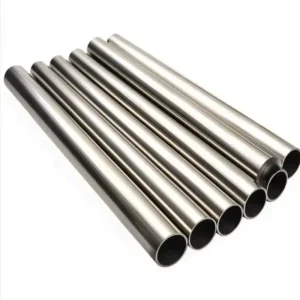
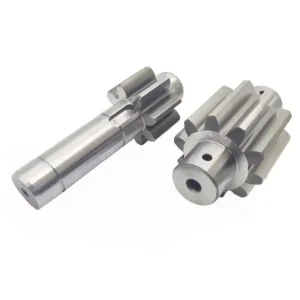
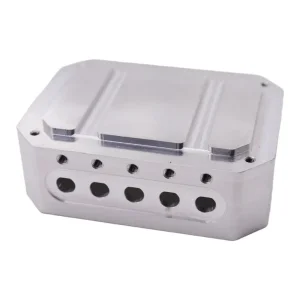
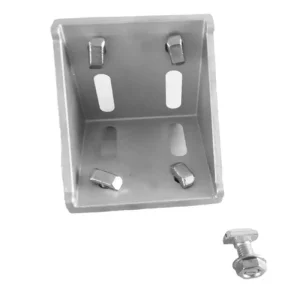
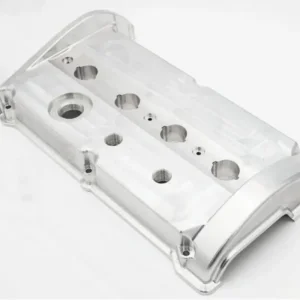
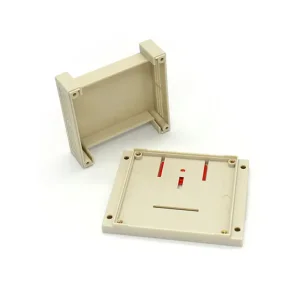
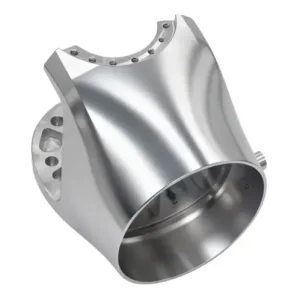
Discover our comprehensive range of custom precision CNC parts, stainless capillary tubes, heavy equipment panels, and high-performance metal enclosures.

7. Deep Engineering FAQ & Technical Guidance
Detailed technical answers addressing core design, manufacturing, material selection, and quality assurance questions asked by OEM design engineers and procurement directors.
For high-temperature petroleum oil environments up to 150°C, Hydrogenated Nitrile (HNBR) is highly cost-effective and provides exceptional mechanical tear strength. However, if operating temperatures exceed 200°C or involve aggressive additive packages and synthetic lubes, Fluoroelastomer (FKM / Viton) or Perfluoroelastomer (FFKM) is strictly required to prevent polymer backbone degradation, swelling, and loss of elastic recovery.
Minimizing flash requires placing the tool parting line along flat planar surfaces or natural part edges. Provide uniform wall thickness transitions (preferably between 1.5mm and 4.0mm), incorporate generous radiused corners (R ≥ 0.5mm) to optimize compound flow, and ensure tool clamping pressure exceeds compound injection hydraulic pressures. Utilizing cold-runner tool designs further eliminates waste and improves parting line seal integrity.
Substrate bonding is guaranteed through a rigorous multi-step surface preparation process: degreasing, grit blasting (to increase surface area), and applying heat-activated vulcanizing silane primers. Bond strength is measured per ASTM D429 (Method A or B 90-degree peel testing). A passing test must exhibit elastomeric tearing (100% rubber failure) rather than adhesive failure at the metal interface.
Tool life depends on compound aggressiveness and mold steel selection. Molds fabricated from P20 steel typically yield 100,000 to 300,000 cycles. High-grade hardened tool steels such as NAK80 or H13 (heat-treated to 48-52 HRC and chrome-plated) achieve over 1,000,000 cycles, even when processing highly abrasive silica- or carbon black-filled elastomer compounds.
Molded rubber tolerances are governed by ISO 3302-1. Our precision liquid silicone (LSR) and high-tier rubber injection molds achieve Class E1 (High Precision: e.g., ±0.05mm to ±0.15mm depending on dimensions). Standard compression-molded rubber components typically conform to Class E2 (Precision: ±0.15mm to ±0.35mm).
Compression set measures the permanent deformation remaining after a sealing component is compressed under specific thermal and time conditions. A high compression set percentage means the seal loses its sealing force (resilience) over time, resulting in fluid leakage. We specify peroxide-cured system compounds for applications requiring compression set values below 15% (ASTM D395 22h @ 100°C).
Ready to Optimize Your Custom Rubber Molding Program?
Consult directly with our engineering team for DFM analysis, material selection support, and rapid turnkey tooling quotes. Proprietary designs are protected under strict non-disclosure agreements (NDA).