
High-Precision Molded & Machined Product Showcase
Explore our engineering production line spanning plastic cap injection, multi-shot micro-molding, and precision CNC metal parts certified to ISO & CMM standards.
Global Commercial & Industrial Landscape of Plastic Cap Molding
Analyzing supply chain dynamics, precision closure architecture, and high-cavitation tooling shifts across North America, Europe, and Asia-Pacific markets.
The global plastic cap molding sector has evolved from standard commodity closure manufacturing into a high-precision, multi-disciplinary engineering field. Valued at over USD 45 Billion globally and expanding at a compound annual growth rate (CAGR) exceeding 5.2%, custom plastic cap molding represents a critical bridge between modern polymer chemistry, high-speed automated assembly, and strict fluid retention standards. Plastic caps and closures are no longer passive seals; they are active functional components engineered for tamper resistance, child-proof security, controlled dispensing, gas barrier performance, and automated high-throughput capping lines.
Across key industrial segments—such as pharmaceuticals, fast-moving consumer goods (FMCG), specialized chemical storage, automotive fluid reservoirs, and electronic component sealing—demand has shifted aggressively toward lightweighting, micro-tolerancing, and multi-material (2K/two-shot) molding technologies. Enterprise buyers facing stringent regulatory standards (such as FDA food contact approval, EU REACH compliance, and ISO 13485 medical cleanroom mandates) require manufacturing partners capable of delivering defect-free parts at PPM (Parts Per Million) failure rates approaching zero.
Packaging & FMCG Closures
High-speed, multi-cavitation production (up to 96-cavity molds) utilizing hot runner unscrewing mechanisms for beverage, food, and personal care flip-top caps.
Pharmaceutical & Medical Caps
ISO Class 8 cleanroom injection molding utilizing medical-grade Polypropylene (PP) and Cyclic Olefin Copolymer (COC) for sterile vial seals and child-resistant closures (CRC).
Automotive & Industrial Sealing
Engineered thermoplastics including PA66-GF30, PBT, and POM designed to withstand aggressive chemical exposure, high torque loads, and thermal spikes up to 180°C.
Why Global OEMs Sourcing from China Gain Structural Cost & Speed Advantages
Combining ShenZhen's rapid prototyping ecosystem with high-cavitation steel tooling and automated DFM feedback cycles.
For international procurement leaders, evaluating custom plastic cap molding suppliers requires looking beyond basic unit price. China's modern precision molding ecosystem—specifically centered in the Pearl River Delta industrial cluster—delivers unmatched capital efficiency, rapid lead times, and sophisticated toolmaker expertise. By integrating advanced CNC EDM spark erosion, Makino 5-axis high-speed milling, and inline automated vision inspection systems, Chinese contract manufacturers have transformed how custom closures are engineered and brought to market.
| Performance Metric | Western Regional Moldmakers | China Precision Tooling Partner (Sunmy Hardware) | OEM Buyer Advantage |
|---|---|---|---|
| SPI Class 101 Tool Steel | 1.2344 / H13 Steel (52-54 HRC) | Assab Stavax ESR / NAK80 Stainless (54-58 HRC) | Higher corrosion resistance for PVC/fluoropolymer caps |
| T1 Sample Lead Time | 12 to 16 Weeks | 3 to 5 Weeks (Including DFM & Moldflow) | 70% Faster Time-to-Market for New Product Launches |
| High-Cavitation Capability | Standard 8 to 16 Cavities | 32 / 48 / 64 / 96 Cavities with Valve Gate Hot Runners | Maximized hourly yield, reduced machine clamping costs |
| Dimensional Tolerance | ±0.020 mm Standard | ±0.005 mm (Verified via Zeiss CMM & Optical Scanners) | Zero leakage on high-pressure fluid cap assemblies |
| Tooling Cost Amortization | High Capital Barrier ($80k - $150k) | Optimized Engineering Cost ($18k - $45k) | 60% Reduction in initial CapEx investments |
Empirical Excellence in Plastic Injection Tooling
Quantifiable performance metrics across our automated injection molding workcells and CMM inspection labs.
Engineering Blueprint: Materials, Tool Architecture & Mold Mechanisms
Selecting the right resin, gate geometry, and unscrewing mechanism for leak-proof performance.
1. Polymer Resin Selection Matrix for Custom Plastic Caps
Selecting the optimal polymer resin directly influences mechanical retention, stress crack resistance (ESCR), moisture vapor transmission rate (MVTR), and cycle time economics. Below are primary engineered polymers utilized in cap molding:
- Polypropylene (PP - Random & Homopolymer): The primary choice for living-hinge caps, flip-tops, and threaded closures. Offers excellent fatigue resistance, high flexural modulus, and low density. Homopolymer PP provides higher rigidity for thread engagement, while Random Copolymer offers enhanced optical clarity.
- High-Density Polyethylene (HDPE): Preferred for heavy-duty chemical caps, beverage closures, and milk bottle caps. Provides exceptional impact strength at low temperatures (-40°C) and high Environmental Stress Crack Resistance (ESCR).
- Polyoxymethylene (POM / Acetal): Utilized for high-precision internal gear caps, snap-fit ratchets, and unscrewing drive mechanisms where dimensional stability, low coefficient of friction, and wear resistance are mandatory.
- Polybutylene Terephthalate (PBT): Applied in electrical connector caps, sensor protective covers, and automotive under-hood enclosures requiring heat deflection temperatures (HDT) above 150°C and superior dielectric strength.
- Thermoplastic Elastomers (TPE / TPU): Used in 2K multi-shot overmolding for integrated sealing gaskets, soft-touch ergonomic grips, and liquid-dispensing valves, eliminating the need for manual secondary O-ring insertion.
2. Advanced Mold Mechanisms: Unscrewing Cores vs. Collapsible Cores
Threaded internal geometries represent one of the most challenging aspects of custom cap molding. Depending on production volume and thread design (continuous vs. interrupted), two main ejection strategies are deployed:
- Automatic Hydraulic / Servo Unscrewing Cores: Ideal for continuous, deep internal threads requiring 360-degree liquid-tight seal integrity. High-precision gear racks driven by servo motors automatically rotate the core pins during mold opening, unscrewing the cap without damaging thread profiles.
- Collapsible Core Tooling: Utilized for caps with internal snap grooves, interrupted threads, or tamper-evident retention rings. The core segments collapse inward during the ejection stroke, freeing the internal detail and allowing straight mechanical ejection, significantly cutting cycle time by 20-30%.
- Stripper Plate & Bump-Off Ejection: Applied for flexible resin grades (such as LDPE or soft PP) featuring shallow thread depths (under 0.5mm) with lead-in angles, enabling cost-effective, high-speed ejection without rotating mechanics.
Emerging Trends & Innovations in Plastic Cap Manufacturing
How 3D Printed Conformal Cooling, Smart Caps, and PCR Materials are Reshaping Sourcing Metrics.
3D Printed Conformal Cooling
Utilizing Direct Metal Laser Sintering (DMLS) to build mold inserts with internal cooling channels that match cap geometry, reducing thermal distortion, warpage, and cooling time by up to 35%.
Post-Consumer Recycled (PCR) Integration
Optimizing mold shrinkage calculations and melt flow index (MFI) algorithms to accommodate up to 100% rHDPE or rPP resins without compromising seal integrity or torque performance.
Smart IoT & RFID Cap Embedding
In-mold labeling (IML) and direct micro-chip insertion technology enabling digital supply chain tracking, anti-counterfeiting verification, and automated temperature monitoring for pharmaceuticals.
OEM Procurement Strategy: How to Evaluate & Audit Plastic Cap Molding Factories
A structured quality control checklist covering DFM verification, mold maintenance, and PPAP approval.
Sourcing custom plastic cap molds requires rigorous supplier qualification. When auditing potential contract manufacturing partners, enterprise buyers should evaluate capabilities across five critical technical pillars:
- Design for Manufacturability (DFM) & Moldflow Analysis: Prior to steel cutting, the factory must supply comprehensive simulations detailing gate location, filling pressure, shear stress, volumetric shrinkage, and predicted warpage. Draft angles on internal cap ribs must be optimized (minimum 1.0° to 1.5°) to prevent scuffing during ejection.
- Quality Control & Metrology Equipment: Ensure the facility features temperature-controlled quality labs equipped with Zeiss 3D Coordinate Measuring Machines (CMM), optical video measurement systems (VMS), digital torque testing meters, and automated leak-testing chambers (vacuum decay method).
- Tool Steel Traceability & Heat Treatment Certification: Verify original mill certificates for imported steel grades (e.g., Bohler, Assab, Datong). Hardness testing (HRC) must be documented post-vacuum heat treatment to guarantee mold life requirements.
- Production Automation & Class 8 Cleanroom Capability: High-cavitation cap manufacturing should feature automated robotic arm take-out systems, automated conveyor vision inspection (detecting flash, short shots, and black spots inline), and HEPA-filtered cleanrooms for medical/food packaging projects.
- IP Protection & Data Security Protocol: Strict non-disclosure agreements (NDAs) combined with encrypted CAD storage servers ensure proprietary cap designs and patent-pending thread configurations remain fully protected.
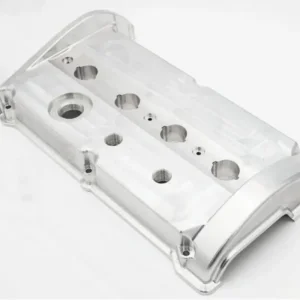
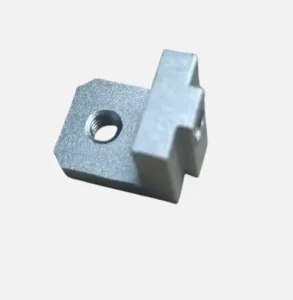
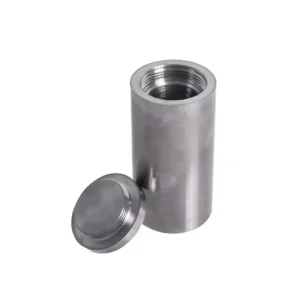
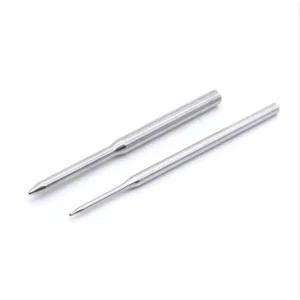
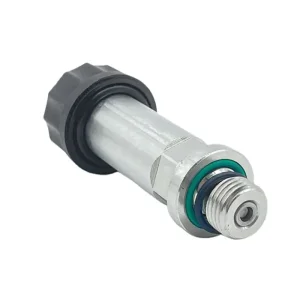
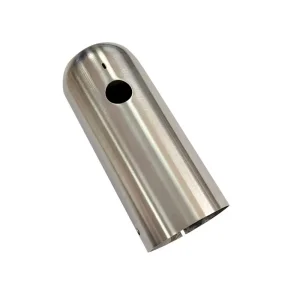
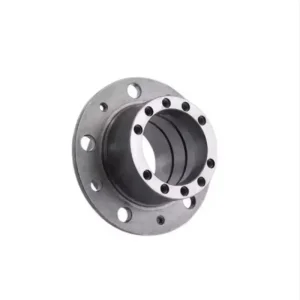
Precision Assemblies & Specialized OEM Hardware Products
Explore our complete custom manufacturing range, supporting multi-industry global applications.
Frequently Asked Technical Questions on Custom Plastic Cap Molding
Expert engineering insights covering mold design, material shrinkage, unscrewing core mechanics, and international quality documentation.
How do you prevent sink marks and void formation in thick-walled plastic caps?
Sink marks and internal voids occur during resin cooling when volumetric shrinkage is uncompensated. Our engineers mitigate this during DFM by establishing uniform wall thickness ratios (nominal wall variance under 15%), utilizing gas-assisted injection molding where applicable, optimizing hold pressure and pack times via Moldflow analysis, and specifying core-out pockets in heavy thread lugs or hinge sections.
What is the difference between SPI Class 101 and Class 102 cap molds?
SPI Class 101 molds are engineered for extreme volume production exceeding 1,000,000 cycles. They feature premium hardened tool steel (such as Assab Stavax ESR or H13 treated to 54-58 HRC), full hot runner systems, guided ejection, and nickel-plated water channels. Class 102 molds are designed for up to 1,000,000 cycles, utilizing P20 or NAK80 steel, making them suitable for medium-to-high production runs with lower initial tooling investment.
How do unscrewing molds handle continuous internal threads without damaging plastic caps?
Unscrewing molds utilize precise internal rotating cores synchronized with the opening stroke of the injection press. A hydraulic motor, electric servo drive, or rack-and-pinion gear mechanism turns the core pins out of the cap while a stripper plate holds the cap stationary, ensuring clean thread disengagement without stripping or distorting the molded polymer thread profiles.
What tolerances can Sunmy Hardware hold on plastic cap dimensions?
For standard commercial thermoplastics (PP, PE, ABS), we hold dimensional tolerances of ±0.020 mm according to DIN 16742 / ISO 20457 standards. For high-precision engineering polymers (POM, PBT, PEEK) utilized in medical device caps or automotive connectors, critical sealing features can be held down to ±0.005 mm through precision CNC post-machining or micro-cavity steel control.
How do 2K multi-shot cap molds create leak-proof seals without O-rings?
2K (two-shot) molding sequentially injects a rigid substrate (e.g., Polypropylene) followed by a flexible elastomeric sealing lip (e.g., TPE or liquid silicone) within the same mold tool. The chemical compatibility and molecular bonding between the rigid and soft resins create a permanent, hermetic seal, eliminating manual assembly labor and preventing gasket displacement under high sealing torque.
Which CAD file formats are accepted for DFM analysis and quotes?
We accept 3D parametric formats including STEP (.stp), IGES (.igs), SolidWorks (.sldprt), and Parasolid (.x_t). Native 2D drawings in PDF or DWG/DXF are recommended for indicating critical tolerances, GD&T callouts, thread standards, surface finish specs (SPI/VDI), and resin grade requirements.
What quality documentation is supplied with First Article Inspection (FAI)?
Every FAI shipment includes complete CMM dimensional inspection reports (100% ballooned drawing layout), raw resin material certificates (mill test report with lot traceability), RoHS/REACH compliance documentation, and process parameter sheets (pack/hold pressure, melt temperature, injection speed profile).
How does Sunmy Hardware guarantee intellectual property (IP) security?
We execute strict, legally binding Non-Disclosure Agreements (NDAs) prior to receiving proprietary CAD data. All engineering files are hosted on secure, isolated servers with restricted staff access. Because you work directly with our factory, your designs are never shared with external brokers or third-party traders.
Ready to Scale Your Custom Plastic Cap Production?
Contact our Shenzhen engineering team today for DFM feedback, Moldflow simulations, and competitive tooling quotes within 24 hours.