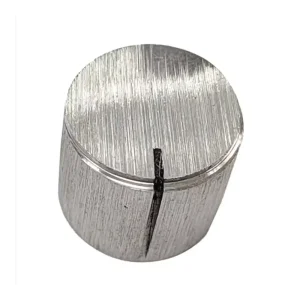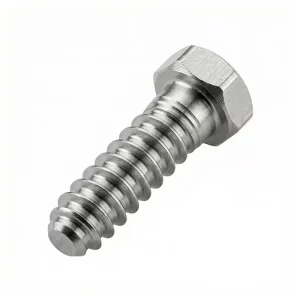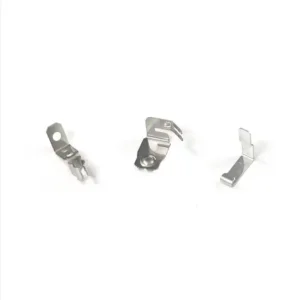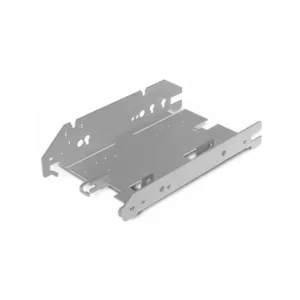
Featured OEM & ODM Precision Hardware Engineering Solutions
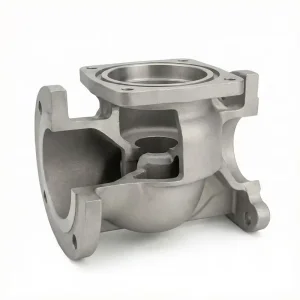
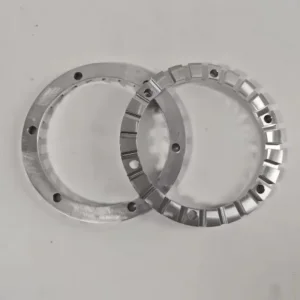
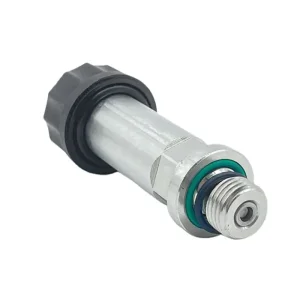
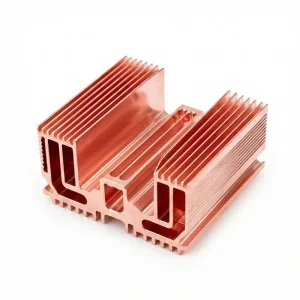
Explore our custom-engineered metal component portfolio, manufactured under strict ISO/TS compliance using multi-axis CNC turning, metal stamping, structural casting, and customized surface finishing.
Global Commercial & Industrial Landscape of Furniture Hardware Manufacturing
The custom furniture hardware manufacturing ecosystem is undergoing a massive structural transformation. As high-end residential real estate, modern corporate office spaces, and smart modular living environments expand globally, the demand for precision-engineered, high-durability hardware components has surged beyond commodity status into high-value mechanical engineering.
Evolution from Decorative to Structural Kinematics
Historically viewed as secondary aesthetic accents, modern furniture hardware components—such as concealed soft-close hinges, multi-stage telescopic drawer runners, spatial sliding track mechanisms, and heavy-duty structural connectors—are now recognized as essential functional units. Global OEM brands require customized metallurgy capable of withstanding dynamic fatigue tests exceeding 100,000 to 500,000 actuation cycles under substantial payload metrics.
Advanced Material Science & Corrosion Resistance
Leading global exporters must navigate rigorous material compliance mandates. Industrial suppliers now utilize high-purity Zamak zinc alloys, cold-rolled carbon steel plates (SPCC), marine-grade AISI 316 stainless steel, and aerospace-grade extruded 6061-T6 aluminum. Coupled with Physical Vapor Deposition (PVD), electro-deposition coating (ED), and eco-friendly zero-VOC powder finishes, current hardware exhibits extreme resistance to salt spray exposure (tested up to 488+ hours under ASTM B117 protocols).
Supply Chain Consolidation & Factory-Direct Sourcing
Global procurement directors are rapidly shifting away from fragmented trading intermediaries toward direct manufacturing partners equipped with vertically integrated capabilities. By consolidating tooling design, progressive stamping, die casting, multi-axis CNC machining, and automated assembly under one roof, international buyers achieve transparent landed costs, robust IP protection, and accelerated DFM (Design for Manufacturability) iteration speeds.
Transformative Industry Trends Reshaping Hardware Engineering
As smart furniture integration and industrial automation redefine living and working environments, custom hardware design must evolve alongside modern electromechanical and architectural demands.
1. Smart Electromechanical Integration
The integration of micro-actuators, magnetic latching mechanisms, linear electric motors, and capacitive touch sensors directly into furniture hardware is accelerating. Smart kitchen cabinetry, motorized height-adjustable executive desks, and automated concealed storage systems rely on custom precision-machined housing enclosures, copper heatsinks, and conductive internal mounting brackets that bridge traditional joinery with modern IoT electronics.
2. Micro-Hydraulic Damping & Silent Kinematics
Consumer expectations for silent operation have rendered legacy friction latches obsolete. Modern hardware relies on miniaturized fluid dampers, silicone-injected rotary gear systems, and gas-spring pistons engineered with micrometer-level internal dynamic seals. Manufacturing high-performance valve bodies and precision turned piston cores requires CNC lathe tolerance bands held reliably at ±0.005mm.
3. Zero-Gap Architectural Concealment
Minimalist interior design trends mandate hardware that remains completely invisible during operation. 3D-adjustable concealed hinges, invisible flap supports, and press-to-open magnetic touch catches demand multi-pivot linkage geometries. Achieving smooth kinematics without structural sag requires computer-simulated FEA (Finite Element Analysis) stress testing and high-strength alloy pin inserts.
4. Sustainable Closed-Loop Metallurgy
Corporate ESG imperatives mandate traceable eco-friendly manufacturing practices. Top-tier exporters now implement 100% closed-loop scrap recycling systems for brass, copper, aluminum, and zinc. Furthermore, trivalent chromium passivation (Cr3+) and water-based eco-coating technologies are replacing hazardous hexavalent chromium plating without compromising surface hardness or aesthetic luster.
Localized Application Scenarios & Engineering Specifications
Different commercial environments present highly specialized load-bearing, environmental, and kinematic requirements. Our precision hardware manufacturing facility provides targeted solutions tailored to distinct global operational conditions.
A. High-End Residential & Custom Architectural Millwork
Operating Environment: Luxury residential estates, bespoke custom cabinetry, and high-use kitchen islands.
Technical Requirements: Heavy load support (up to 70kg per drawer dynamic rating), integrated micro-3D spatial adjustment screws (±2.5mm vertical, lateral, and depth indexing), and anti-fingerprint PVD titanium finishes.
Engineering Solution: Multi-stage cold-rolled steel slide rails paired with precision-cast zinc alloy mounting brackets and dampening dampener cartridges, ensuring zero dynamic deflection under full extension.
B. Commercial Office Systems & Workplace Ergonomics
Operating Environment: Open-plan corporate environments, executive boardrooms, and height-adjustable motorized desks.
Technical Requirements: Continuous dynamic vibration absorption, high cycle durability (ANSI/BIFMA X5.5 compliance), dynamic cable raceway routing, and structural rigidity.
Engineering Solution: Custom laser-cut, CNC-bent structural steel leg assemblies, precision turned lead-screw gear adapters, and overmolded plastic panel wire management bushings.
C. Marine Joinery, Luxury Yachting & Outdoor Kitchens
Operating Environment: Marine interiors, high-humidity coastal environments, and exposed outdoor hospitality furniture.
Technical Requirements: Extreme corrosion resistance, positive slam-latch retention to withstand vessel motion, and UV-stabilized sealing.
Engineering Solution: Investment cast AISI 316 stainless steel friction hinges, CNC-machined solid brass latch mechanisms, and electropolished surface passivations rated to resist salt air degradation indefinitely.
D. Industrial Workstations & Healthcare Cabinetry
Operating Environment: Cleanroom environments, medical diagnostic carts, and heavy industrial tool storage systems.
Technical Requirements: Extreme payload capacity (250kg+ static loading), chemical/disinfectant resistance, anti-bacterial coatings, and interlock safety features.
Engineering Solution: Heavy-gauge progressive stamped stainless steel ball-bearing slides, interlocking mechanism components, and anti-microbial epoxy powder coatings.
Metallurgical Material Matrix & Technical Manufacturing Roadmap
Selecting the correct alloy and structural engineering process is critical to balancing dynamic mechanical performance, weight, thermal tolerance, and cost efficiency. The matrix below outlines core manufacturing parameters managed across our facilities.
| Material Alloy Category | Primary Mechanical Strengths | Common Hardware Applications | Optimal Manufacturing Process | Corrosion & Surface Finish Options |
|---|---|---|---|---|
| Zinc Alloy (ZAMAK 3 / ZAMAK 5) | High fluid casting capability, intricate detail retention, cost efficiency. | Concealed hinge bodies, decorative handles, connecting cam-locks, corner brackets. | High-Pressure Hot-Chamber Die Casting | Electroplated Chrome, Nickel, Brass, PVD Matte Black Coating. |
| Cold-Rolled Carbon Steel (SPCC / Q235) | Exceptional tensile strength, high wear resistance, structural stiffness. | Drawer slide channels, structural brackets, mounting plates, pneumatic lift arms. | Progressive Stamping & Automated CNC Bending | Zinc Plating (Blue/Yellow), E-Coating, Tough Epoxy Powder Coating. |
| Stainless Steel (AISI 304 / 316) | Superior yield strength, chemical immunity, extreme salt-spray endurance. | Marine fittings, medical furniture hinges, heavy-duty soft-close dampers, outdoor pulls. | Investment Precision Casting & Multi-Axis CNC Milling | Electropolishing, Satin Passivation, Mirror Polish, PVD Coatings. |
| Aluminum Alloy (6061-T6 / 6063-T5) | Ultra-lightweight, high strength-to-weight ratio, excellent thermal dissipation. | Integrated handle profiles, sliding door tracks, desk frame extrusions, LED channels. | Precision Profile Extrusion & CNC Machining | Anodizing (Clear, Black, Bronze), Sandblasting, Hardcoat Anodizing. |
| Solid Brass / Bronze Alloys | Naturally anti-bacterial, acoustic damping, premium luxury heft, zero sparking. | Luxury architectural hardware, high-end turnbuckles, decorative spindle accents. | Precision CNC Swiss Turning & Forging | Hand-Rubbed Antique Finish, Clear Lacquer Seal, Brushed Natural Satin. |
Advanced DFM & Virtual Simulation Workflow
Prior to tooling production, our engineering team executes thorough DFM (Design for Manufacturability) analysis. Utilizing advanced 3D Moldflow analysis, structural FEA stress profiling, and CAD tolerance-stack calculations, we identify potential sink marks, stress concentration points, and thermal warp zones before raw metal is cut, cutting prototype development timelines by up to 45%.
Ultra-Precision Machining & Surface Finishing Roadmap
Our manufacturing plant leverages 3-axis, 4-axis, and 5-axis CNC machining centers alongside high-speed Swiss sliding-head lathes. This equipment matrix allows us to hold micron-level dimensional tolerances down to ±0.005mm on critical bearing bores and internal valve shafts. Automated polishing lines and closed-loop plating booths guarantee batch-to-batch color stability (ΔE < 0.5).
Macro Enterprise Solutions for Global OEM/ODM Procurement
Sunmy Hardware operates as an integrated manufacturing partner for tier-1 furniture manufacturers, global hardware brands, architectural contract suppliers, and industrial system integrators worldwide.
Rapid Tooling & Prototype Execution
Transition from conceptual CAD models (STEP/IGES) to physical functional metal prototypes within 5 to 7 working days. We utilize high-precision CNC billet machining, SLA 3D printing, and rapid soft-tooling silicon molds to deliver initial samples for assembly fit-checks and BIFMA dynamic testing prior to mass tooling investments.
Scalable Mass Production Tooling
Our tooling workshop designs and constructs high-durability progressive stamping dies (up to 300 strokes per minute) and multi-cavity die casting molds engineered for 500,000+ shot life cycles. Automatic feed systems and robotic part pickers maintain uniform production speeds and consistent unit economics across millions of parts.
Rigorous Quality Assurance & Traceable Documentation
Every production batch undergoes strict quality gates monitored by our quality engineering division. Utilizing Coordinate Measuring Machines (CMM), optical digital projectors, salt spray test chambers, and dynamic fatigue testing rigs, we issue full First Article Inspection (FAI) reports, material mill test certificates (MTC), and RoHS/REACH compliance documentation with every shipment.
Frequently Asked Questions (FAQ) for OEM Buyers & Engineers
Detailed insights into our manufacturing capabilities, quality controls, tooling ownership, and global export procedures.
What custom furniture hardware manufacturing processes are performed in-house?
Our owned production facilities specialize directly in multi-axis CNC turning and milling, precision sheet metal progressive stamping, automated bending, and final assembly. Secondary operations—including zinc and aluminum high-pressure die casting, investment casting, surface anodizing, electroplating, and specialized powder coating—are conducted through fully audited, dedicated partner facilities under strict in-house CMM quality supervision by our senior quality engineering staff.
How do you guarantee batch-to-batch dimensional accuracy on complex kinematic parts?
Dimensional stability is ensured through strict Quality Control workflows. We verify raw material composition upon receipt using optical emission spectrometers. During machining, in-process SPC (Statistical Process Control) checks are performed on every production shift. Final verification is conducted via automated 3D Coordinate Measuring Machines (CMM) to maintain critical tolerances down to ±0.005mm. Complete FAI (First Article Inspection) inspection packs are submitted prior to mass shipment release.
Can you engineer hardware components to pass specific BIFMA or European DIN/EN standards?
Yes. Our engineering division routinely designs and manufactures custom functional hardware compliant with ANSI/BIFMA X5.5 (Desk & Table Products), ANSI/BIFMA X5.9 (Storage Units), and European DIN EN 15570 (Level 3 strength and durability standards for hinges and slide mechanisms). We conduct internal cycle fatigue testing (up to 500,000 cycles) and static overload tests prior to third-party lab verification.
What is your protocol for Intellectual Property (IP) protection and custom mold ownership?
We execute legally binding Non-Disclosure Agreements (NDAs) prior to receiving any 3D STEP/CAD drawings or physical samples. All custom tooling, progressive dies, and injection/casting molds built for your project remain 100% your proprietary asset. Molds are maintained in dedicated temperature-controlled storage and are never utilized for third-party production under any circumstances.
What file formats are supported for engineering DFM analysis and quoting?
Our engineering team works directly with 3D CAD formats including STEP (.stp), IGES (.igs), SolidWorks (.sldprt), and Parasolid (.x_t). We also accept 2D vector files in PDF, DWG, and DXF formats for explicit tolerance indexing and thread specification analysis. Quotes accompanied by full DFM feasibility reports are typically delivered within 24 hours.
What are your minimum order quantities (MOQ) and sample lead times?
We support prototype development with low MOQs (starting at single-piece CNC machined samples). For mass production items involving progressive stamping or high-pressure die casting, production MOQs typically range from 1,000 to 5,000 units depending on component size and finish. Rapid CNC prototype samples are delivered within 5 to 7 business days; production tooling typically requires 20 to 30 days including sample sign-off.
Additional Custom Machined & Molded Hardware Catalog
Explore additional custom component capabilities, spanning semiconductor wafer carriers, electrical busbars, custom plastic knobs, medical implants, and precision metal brackets.