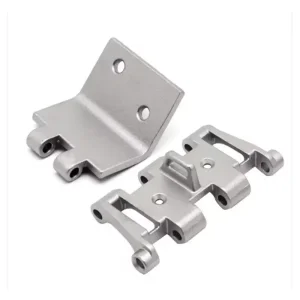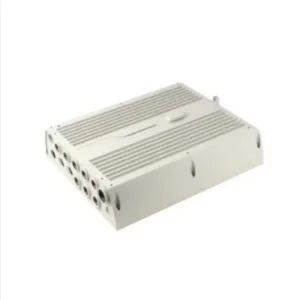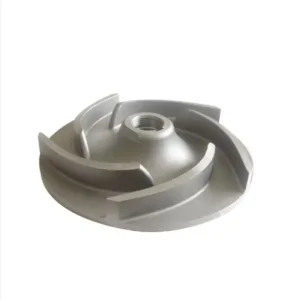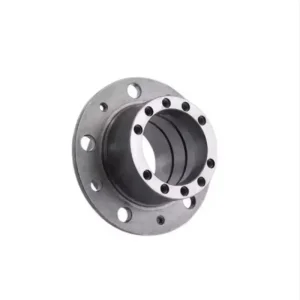
Custom Stainless Steel Valve Body Suppliers, Factory
Product Description
Product Overview
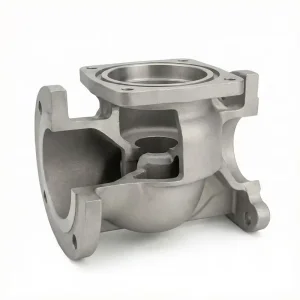
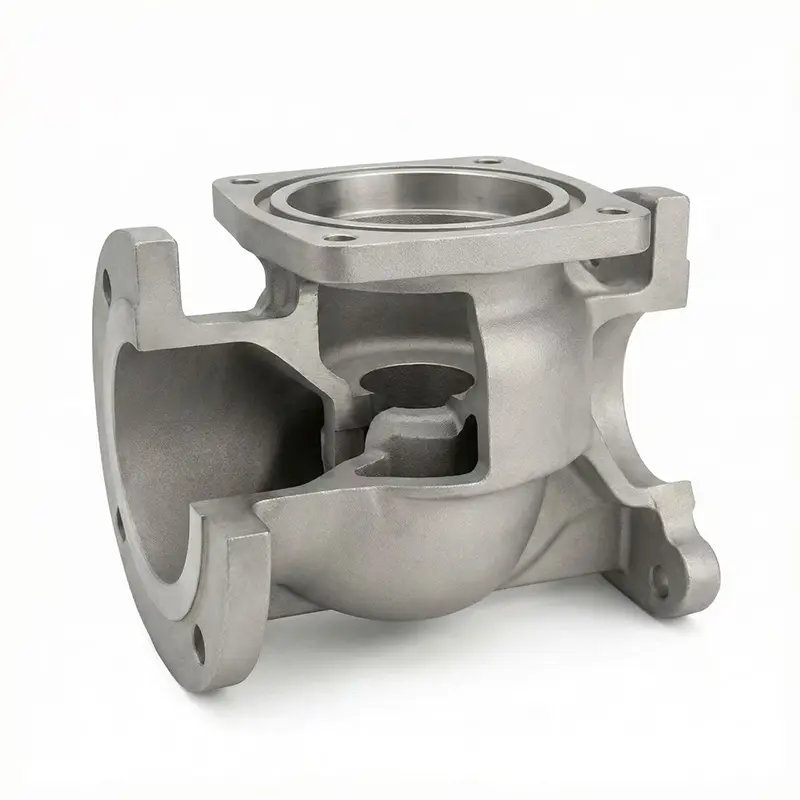
This robust valve body is manufactured for fluid control systems in harsh environments. Produced via investment casting (lost wax process), it features complex internal flow channels that cannot be machined from a solid block. The use of Stainless Steel 316 ensures exceptional resistance to chemical corrosion and high pressure.
Manufacturing Process Insight
Wax Pattern Creation
High-precision aluminum molds are used to create wax replicas of the final part.
Shell Building
The wax tree is dipped in ceramic slurry multiple times to build a hard shell. Once fired, the wax is melted out (lost wax), creating a hollow cavity.
Casting & Machining
Molten stainless steel is poured into the shell. After cooling and cleaning, we CNC machine the flange faces and threads to ensure a leak-proof seal.
Key Features & Benefits

Design Freedom
Capable of producing intricate internal geometries and undercuts without draft angles.

Material Versatility
We can cast Stainless Steel (304, 316), Carbon Steel, and specialized alloys.

Surface Finish
Investment casting offers a much smoother surface finish (Ra 3.2-6.3) compared to sand casting.

Near-Net Shape
Minimizes material waste and machining time by casting close to final dimensions.
Frequently Asked Questions
Yes, we can perform hydrostatic or pneumatic pressure testing on valve bodies to ensure zero leakage under operation conditions.
Yes, raised or recessed logos and part identification numbers can be incorporated directly into the casting mold for permanent branding.
According to ISO 8062 CT4-CT6 standards, linear tolerances are typically ±0.1mm per 25mm. Critical features can be secondary CNC machined for tighter tolerances.
We offer a variety of surface treatments including sandblasting, passivation, electropolishing, mirror polishing, and protective chemical coatings.
We provide X-ray radiographical testing, dye penetrant inspection (PT), magnetic particle testing (MT), and CMM dimensional inspection reports.
Tooling and sample creation usually take 3–4 weeks. Once samples are approved, full batch production generally takes 4–5 weeks depending on order volume.
Other Products
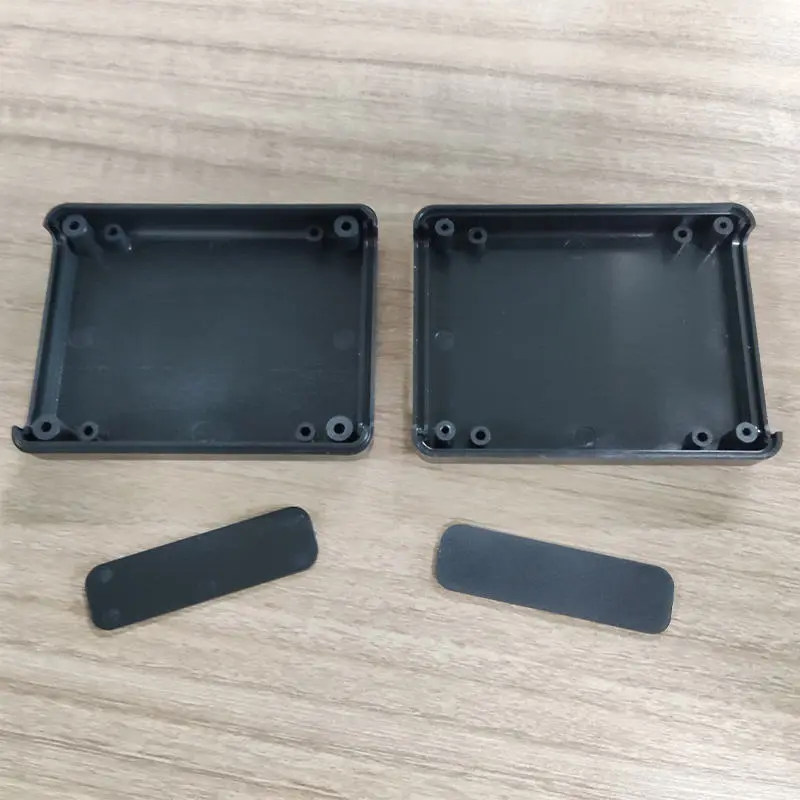
Custom Modular Plastic Enclosures...
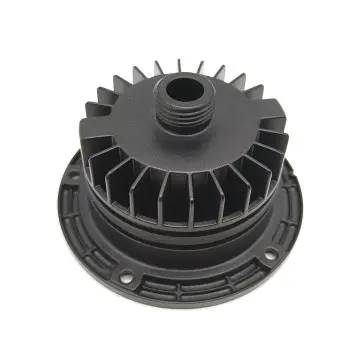
Custom Die Cast Aluminum Finned H...
Custom Injection Molded Electroni...
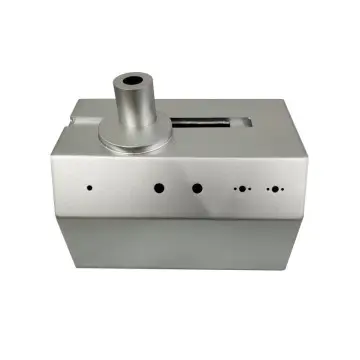
Custom Precision Sheet Metal Equi...
Get a Fast, Technical Quote & Free DFM Review
Don't let tolerance stack-up delay your product launch. Submit your project details, and our engineering team will evaluate your design for manufacturability before the first cut.