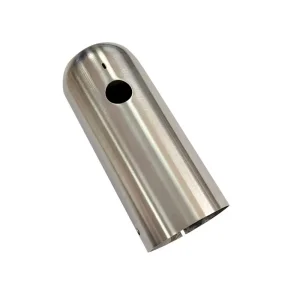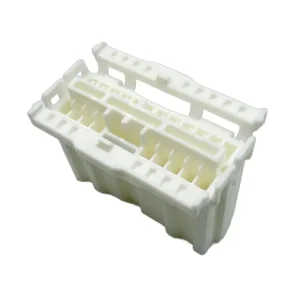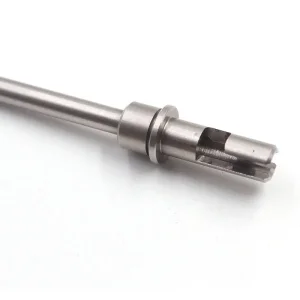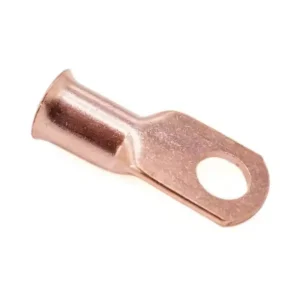
Explore high-precision metal and plastic components engineered with advanced surface treatments, custom anodizing, passivated finishes, and CMM-verified tolerances.
1. Executive Overview & Macro Industry Landscape
In modern high-precision manufacturing, surface treatment is no longer merely an aesthetic final layer—it is a critical design feature that dictates mechanical longevity, thermal management, wear resistance, electrical conductivity, and environmental compliance. Modern OEM component procurement across aerospace, automotive, medical technology, robotics, and semiconductor capital equipment demands rigorous control over chemical, electrochemical, and vacuum-deposited coatings.
As global OEMs shift toward lightweighting via aluminum (6061-T6, 7075-T6), titanium (Grades 2 & 5), and copper alloys, the performance of the core substrate becomes inextricably linked to the modified boundary layer. For instance, high-speed robotics arms and automotive transmission gears rely on engineered micro-structure coatings like DLC (Diamond-Like Carbon) and Hard Anodizing (Type III) to achieve frictional coefficients below 0.1 while enduring continuous mechanical shear.
China’s advanced surface treatment cluster in the Pearl River Delta (Shenzhen-Dongguan hub) has undergone massive technical consolidation. Driven by stringent environmental directives matching European REACH, RoHS 3.0 (Directive 2015/863), and EPA regulations, leading Chinese manufacturers have transitioned from hexavalent chromium (Cr6+) to trivalent chromium (Cr3+) passivations, implemented zero-liquid discharge (ZLD) closed-loop water treatment systems, and deployed automated chemical bath dosing monitored via real-time spectroscopy.
Global Procurement Pressure
Engineering buyers face dual constraints: rising operational stress on hardware components and tightening cross-border chemical compliance. Selecting the correct vendor requires analyzing both machining capability and in-house surface chemistry governance.
PFAS & Cr6+ Substitution
Global mandates are phasing out PTFE additives and hexavalent chromate conversion films. Modern Chinese surface treatment facilities lead in commercializing non-PFAS fluoropolymer alternatives and zirconium-titanium thin-film pretreatments.
Landed Cost Efficiency
Integrating precision CNC machining, die-casting, and secondary finishing under a single vertically integrated quality management system eliminates logistics friction, reduces scrap rates, and ensures full lot-to-lot traceability.
2. Comprehensive Technical Taxonomy of Surface Treatments in China
Navigating the spectrum of surface modification technology available across specialized Chinese production facilities.
A. Electrochemical & Anodizing Finishes
Anodizing converts aluminum substrates into a controlled aluminum oxide film (Al₂O₃), drastically expanding abrasion resistance and thermal emissivity.
- Type II Sulfuric Acid Anodizing: Standard decorative and protective anodic layer (thickness 5–25 µm). Compatible with organic dyes (black, blue, red, gold) and clear sealers. Excellent baseline corrosion resistance for electronic enclosures.
- Type III Hardcoat Anodizing (MIL-A-8625): Low-temperature process (0°C to 5°C) producing dense coatings (25–50 µm+) with hardness up to 60–70 HRC (600–800 HV). Ideal for wear components, linear slide rails, and hydraulic cylinders.
- Chromic Acid Anodizing (Type I): Thin film (1–5 µm) providing maximum fatigue strength retention. Preferred in aerospace structures where micro-fracture prevention is critical.
- PTFE-Impregnated Anodizing: Co-deposition of polytetrafluoroethylene into the porous anodic layer to achieve dry self-lubrication with a low friction coefficient (µ < 0.12).
B. Electroplating & Chemical Deposition
Metal plating deposits metallic coatings via electrolytic oxidation-reduction or autocatalytic chemical reduction.
- Electroless Nickel Plating (ENP): Autocatalytic nickel-phosphorus alloy deposition (Mid-P 6-9%, High-P 10-14%). Provides uniform thickness across complex internal channels without edge build-up. High-P ENP passes 1000+ hours salt spray.
- Hard Chrome Plating: Heavy industrial chromium deposit (10–500 µm) yielding extreme hardness (800–1000 HV), exceptional wear resistance, and low friction for hydraulic shafts and gear splines.
- Gold & Silver Plating (MIL-G-45204): Precious metal plating over nickel strike for high-frequency RF connectors, printed circuit contacts, and low-resistance electrical busbars.
- Zinc-Nickel Plating (ASTM B841): Advanced sacrificial coating (12-15% Ni content) offering superior corrosion protection for automotive under-hood hardware.
C. PVD Thin-Film Coatings & Thermal Spray
Physical Vapor Deposition (PVD) operates in high-vacuum chambers, evaporating plasma ions to form nanostructured hard coatings.
- Titanium Nitride (TiN): Gold-colored PVD coating providing high hardness (2300 HV) for cutting tools, medical implants, and decorative hardware.
- Diamond-Like Carbon (DLC): Amorphous carbon film combining high hardness (>3000 HV) with near-zero friction. Crucial for automotive valvetrain components and high-speed robotic joints.
- HVOF (High-Velocity Oxygen-Fuel) Thermal Spray: Micro-jet deposition of WC-Co-Cr (Tungsten Carbide) coatings for extreme abrasive wear in oilfield tools and heavy industrial pumps.
D. Organic Coatings & Micro-Arc Oxidation
Chemical conversion and polymer matrix coatings designed for complete environmental sealing and high dielectric strength.
- Micro-Arc Oxidation (MAO / PEO): High-voltage spark discharge conversion of Light Metals (Al, Mg, Ti) into crystalline ceramic oxides (α-Al₂O₃, γ-Al₂O₃), delivering unmatched dielectric break-down voltages and high thermal shock stability.
- Cathodic Electro-Coating (E-Coat): Submersion epoxy coating establishing uniform 15–30 µm paint films with complete recess coverage for complex automotive chassis stampings.
- Thermosetting Powder Coating: Electrostatic application of TGIC-free polyester or epoxy powders cured at 180°C, offering thick impact-resistant UV-stable finishes.
3. Engineering Material Compatibility Matrix & Process Selection
Matching substrate metallurgy with the appropriate surface finishing process is vital to prevent galvanic corrosion, coating delamination, or hydrogen embrittlement.
| Substrate Material | Recommended Surface Finish | Primary Technical Benefit | Typical Film Thickness | Key Standard Specification |
|---|---|---|---|---|
| Aluminum 6061-T6 / 7075-T6 | Type III Hard Anodize + Teflon Seal | Extreme wear resistance, low friction coefficient (µ < 0.15) | 25 – 50 µm | MIL-A-8625 / ISO 10074 |
| Stainless Steel 304 / 316L | Citric/Nitric Passivation or Electropolishing | Removes free iron, boosts Cr/Fe ratio > 2.0 for maximum passivity | Chemical conversion (0 µm) | ASTM A967 / ASTM B912 |
| Copper C11000 / Brass C36000 | Electroless Nickel (High-P) or Bright Silver | Prevents oxidation, maintains high electrical/thermal conductivity | 5 – 15 µm | ASTM B733 / MIL-G-45204 |
| Titanium Ti-6Al-4V (Grade 5) | Type II Titanium Anodizing or PVD DLC | Eliminates galling during sliding contact, bio-compatible | 1 – 3 µm (PVD) / AMS 2488 | AMS 2488 / ASTM F86 |
| Carbon Steel 1045 / 4140 | Zinc-Nickel (12-15% Ni) + Trivalent Passivation | High sacrificial corrosion protection (1500+ hrs to red rust) | 8 – 15 µm | ASTM B841 / ISO 19598 |
| Die Cast Aluminum A380 / ADC12 | Chromate Free Chemical Conversion + Powder Coat | Seals surface porosity, provides outdoor weather resistance | 60 – 100 µm (Powder) | MIL-DTL-5541 Type II |
Hydrogen Embrittlement Mitigation
High-strength steels (tensile strength > 1000 MPa / 31 HRC) subjected to acid pickling or electroplating absorb atomic hydrogen, causing catastrophic brittle fracture under sustained load. Premium Chinese manufacturers enforce immediate post-plating baking at 190°C–220°C for 8 to 24 hours per ASTM F1941 to relieve trapped hydrogen.
Galvanic Compatibility Considerations
When coupling dissimilar metals (e.g., aluminum housings bolted with stainless steel fasteners), direct contact creates a galvanic cell. Implementing non-conductive Type III anodizing or inserting sacrificial zinc-nickel plated washers prevents severe localized pitting corrosion of the anodized aluminum body.
4. Technical Roadmap, Emerging Finishes & Next-Gen Innovation
How Chinese surface finishing facilities are advancing smart manufacturing, nanotechnology coatings, and AI-driven quality assurance.
AI-Closed Loop Bath Analytics
Advanced anodizing and electroplating lines now integrate inline X-ray Fluorescence (XRF) and automated chemical titrators connected to AI control loops. Real-time adjustments of bath pH, current density (A/dm²), and chemical replenishment minimize film thickness variations to ±1 µm across large production batches.
Nanocomposite & Self-Healing Coatings
Integration of nano-TiO₂ and nano-SiO₂ particles into electroless nickel baths creates nanocomposite matrix layers that dynamically fill micro-cracks upon mechanical deformation, expanding corrosion protection life by over 300% in marine environments.
Laser-Cladding & Micro-PVD
Selective laser cladding of stellite and carbide powders onto critical gear teeth hubs provides localized micro-hardness exceeding 1200 HV without heating or warping the main component body, drastically outperforming thermal spray in high-load gearboxes.
5. Strategic Cost Modeling & RFQ Procurement Framework
Understanding how surface treatment quotations are structured in China enables procurement managers to optimize landed costs without compromising technical integrity.
Cost Driver Breakdown for Surface Treatment Quotes
When evaluating supplier quotes, the total cost for surface finishing is governed by six key variables:
- Racking vs. Barrel Processing: Delicate CNC parts require manual custom racking, incurring higher labor costs, whereas small hardware fasteners use automated barrel plating for low unit costs.
- Surface Area Calculation (dm²): Electroplating and anodizing quotes are calculated based on precise total surface area (decimeters squared), plus chemical bath power density requirements.
- Precision Masking Requirements: Parts requiring selective anodizing or unplated threads require labor-intensive custom silicone plugs, liquid masking lacquers, or cap masking.
- Pre-Treatment Surface Preparation: Polishing, bead blasting (to achieve specific Ra surface roughness target), or chemical etching adds process steps prior to coating bath entry.
- Batch Minimum Setup Charges: Specialized processes like PVD DLC or MAO carry high fixed chamber run costs ($150–$300/lot), making low-volume runs more expensive per unit.
- Quality Assurance & Certification: Requests for destructive micro-section thickness testing, cross-hatch adhesion reports, or salt spray testing incur flat lab certification fees.
Essential RFQ Checklist for Overseas Buyers
To receive accurate, binding supplier quotes within 24 hours, ensure your RFQ packet includes:
1. Complete 2D Technical Drawings: Specify military/ASTM standards, exact coating thickness range (e.g., 25–35 µm), color codes (RAL/Pantone), and critical dimensions post-plating.
2. 3D CAD Models (STEP/IGES): Required for surface area calculation, toolpath generation, and internal feature accessibility review.
3. Selective Masking Diagrams: Clearly designate ground points, thread holes, or mating surfaces that must remain coating-free.
4. Quality Acceptance Standards: Define salt-spray test duration, wear test limits, adhesion test methods (ASTM D3359), and CMM inspection sampling plans (AQL levels).
6. Quality Assurance, Metrology Standards & International Compliance
Verifying surface integrity requires advanced metrology instrumentation and strict adherence to global engineering standards.
Coating Thickness Gauging
Non-destructive thickness testing is executed via Eddy Current instruments (ISO 2360) for non-conductive coatings on non-magnetic metals (anodizing on aluminum), and Magnetic Induction (ISO 2178) for nickel/zinc coatings on steel. XRF (X-Ray Fluorescence) is deployed for sub-micron precious metal layers.
Corrosion Testing (Salt Spray)
Salt spray testing (ASTM B117 / ISO 9227) evaluates long-term environmental durability. Standard Type II anodizing typically passes 336 hours of neutral salt spray (NSS), while high-phosphorus electroless nickel and zinc-nickel pass 1,000+ hours before red rust initiation.
Adhesion & Hardness Verification
Cross-hatch tape testing per ASTM D3359 verifies paint/powder coating adhesion. Coating micro-hardness is validated using Micro-Vickers hardness testers (ISO 6507) at 50g–300g loads to measure hard anodize or chrome deposits precisely without substrate interference.
7. Localization Support, Geopolitical Risk Mitigation & Supply Chain Logistics
Navigating global supply chain dynamics requires direct factory transparency, robust legal protections, and seamless international shipping logistics.
Collaborating with specialized Chinese surface treatment manufacturers provides massive capacity scaling and access to deep regional industrial supply chains. To mitigate international procurement risks, Tier-1 manufacturing facilities implement comprehensive operational protocols:
Enforceable Bilateral NDAs
Intellectual property protection begins before CAD files are analyzed. OEM buyers execute binding non-disclosure agreements structured under jurisdiction-aligned legal frameworks, ensuring proprietary drawings remain strictly confidential.
DDP & VMI Logistics
Leading manufacturers handle customs brokerage, tariff classification (HS Codes), sea/air freight forwarding, and Delivered Duty Paid (DDP) door-to-door delivery. Vendor-Managed Inventory (VMI) buffer stocks ensure zero assembly line disruptions.
In-House Testing Documentation
Every export shipment is shipped alongside First Article Inspection (FAI) reports, CMM dimensional measurement sheets, raw material mill certificates, RoHS/REACH compliance declarations, and XRF coating thickness verification data sheets.
8. Industry-Specific Case Application Studies
Real-world engineering applications demonstrating advanced surface treatment performance under harsh operational conditions.
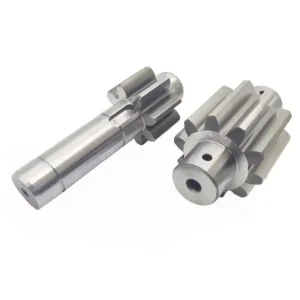
Case Study A: Automotive Transmission Spur Gears
Challenge: High contact pressure gear teeth in electric drive gearboxes suffered from pitting wear and micro-fretting corrosion, leading to mechanical noise and premature gear fatigue.
Engineering Solution: Implemented precise CNC profile gear grinding followed by Plasma Nitriding at 520°C, producing a 0.3mm case depth with surface hardness exceeding 750 HV. Subsequent Manganese Phosphating established an oil-retaining porous coating that eliminated dry-start friction.
Result: Gear service life increased by 280%, while gearbox operational noise levels decreased by 4.5 dB.
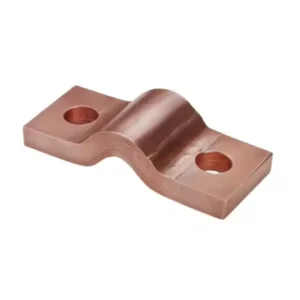
Case Study B: High-Power Battery Copper Busbars
Challenge: Flexible copper busbars in EV energy storage modules experienced rapid atmospheric surface oxidation, causing contact resistance spikes and localized overheating.
Engineering Solution: Applied pure chemical immersion Tin Plating (5–8 µm) over an Electroless Nickel strike layer (3 µm). Added a heat-shrink insulating sleeve applied automatically over non-contact areas.
Result: Contact resistance stabilized below 0.05 mΩ, passing 1,000-hour damp-heat thermal cycling tests (-40°C to +125°C) without delamination.
9. Technical Questions & Answers (FAQ)
Direct answers to technical queries encountered by engineering and procurement teams when sourcing finished components from China.
Anodizing is a substrate conversion process. In standard Type II sulfuric anodizing, approximately 50% of the oxide layer grows into the metal aluminum surface, and 50% builds up outward. Therefore, a 20 µm total coating thickness increases the radius of a shaft or bore by 10 µm (increasing external diameters by 20 µm total). For tight-tolerance bore features (±0.005mm), CNC machining dimensions must be offset during milling, or critical bores must be masked prior to anodizing.
Anodizing produces a thick, non-conductive, hard aluminum oxide ceramic layer (5–50 µm) that offers high wear resistance and electrical insulation. Chromate conversion coating (e.g., Alodine / Chem Film) creates an extremely thin chemical conversion film (< 1 µm) that preserves electrical conductivity while providing a paint prep base and baseline corrosion protection. Use Chem Film (Type II Trivalent) when electrical grounding across aluminum housings is mandatory.
Thread pitch diameters build up significantly during electroplating or hard anodizing. Professional factories utilize three engineered approaches: 1) Precision silicone thread masking plugs/caps; 2) Pre-plating CNC thread pitch undersizing (cutting pitch diameters 0.03mm–0.08mm loose before plating); or 3) Post-plating thread chasing using specialized taps to clean internal threads back to gauge tolerance.
Standard CNC milling achieves Ra 1.6 µm (63 µin). Through fine diamond turning, precision grinding, or electropolishing, pre-plating roughness can be brought down to Ra 0.2–0.4 µm (8–16 µin). For optical components or hydraulic spool valves, mirror polishing yields Ra < 0.05 µm before PVD or electroless nickel deposition.
Yes. Modern licensed surface finishing facilities operating within Chinese industrial eco-parks are bound by national ZLD (Zero Liquid Discharge) rules. All chemical processes utilize RoHS 3.0 compliant formulations—eliminating Lead (Pb), Hexavalent Chromium (Cr6+), Cadmium (Cd), and Mercury (Hg). Official SGS or TÜV chemical compliance certificates are provided per material batch.
Engineering DFM analysis and detailed cost quotations are delivered within 24 hours of 3D CAD submission. Rapid prototypes (1–10 pcs) featuring anodizing, passivation, or plating ship within 3 to 7 working days. High-volume production batches typically require 10 to 15 working days depending on heat treatment and multi-layer coating requirements.
Explore our expanded range of turned bushings, PBT connectors, turned stainless shafts, crimp terminals, optical housings, and skived fin thermal sinks.