
Featured Precision Engineered Components
Direct Factory OEM/ODM Solutions for Global High-Tech & Industrial Applications
Global Market Evolution of Rubber Injection Molding Technology
How modern high-pressure elastomer injection is eclipsing traditional compression techniques across automotive, medical, semiconductor, and heavy industrial sectors.
The Shift from Compression to High-Pressure Injection
For decades, natural and synthetic rubber processing relied heavily on compression molding—a process plagued by flash generation, long cure cycles, manual raw material preforming, and high scrap rates. The contemporary industrial landscape demands rapid scalability, tight dimensional stability, and flashless geometries that only Precision Rubber Injection Molding (RIM) can deliver.
By preheating elastomeric compounds in a temperature-controlled screw or plunger barrel (typically between 60°C and 90°C) and injecting under hydraulic or electric pressures up to 2,200 bar into heated mold cavities (160°C to 200°C), thermal vulcanization occurs in a fraction of the time. China's leading exporters have pioneered this transition, combining European-grade injection machinery with local tooling agility.
Global Sourcing & Supply Chain Realignment
Western Original Equipment Manufacturers (OEMs) and Tier-1 suppliers across North America, Europe, and Asia-Pacific face mounting pressure to reduce Total Cost of Ownership (TCO) without sacrificing quality assurance. Sourcing rubber components from tier-one Chinese exporters offers distinct competitive edges:
- Integrated Material Synthesis: In-house elastomer compounding customized for specific ASTM D2000 specifications.
- Sub-Micron Tooling Fabrication: CNC EDM and hard-milling tooling centers achieving micro-parting line clearances.
- Comprehensive Regulatory Compliance: Strict compliance with FDA 21 CFR, RoHS 3, REACH SVHC, USP Class VI, and UL 94 V-0.
Key Industry Development Trends in Rubber Injection Molding
Four technological revolutions reshaping how complex elastomeric and multi-material components are manufactured.
1. Cold Runner System (CRS) & Runnerless Tooling
Traditional rubber molding produces heavy runner scrap due to irreversible cross-linking in warm runners. Modern Cold Runner Blocks (CRB) maintain polymer below vulcanization temperature right up to the cavity gate, cutting raw material waste by 40% to 70% and eliminating secondary gating trimming.
2. High-Performance Specialty Elastomers
Industries are shifting from standard NBR or SBR to high-performance polymers like Liquid Silicone Rubber (LSR), Fluorocarbon (FKM / Viton), Ethylene Propylene Diene Monomer (EPDM), Hydrogenated NBR (HNBR), and Fluorosilicone (FVMQ), targeting extreme chemical and thermal endurance (-60°C to +300°C).
3. Multi-Material Overmolding (Rubber-to-Metal/Plastic)
Creating hybrid structures by injection-molding rubber onto rigid metal substrates (brass, stainless steel, aluminum) or high-temperature engineering plastics (PA66, PBT, PEEK). Automated silane priming and chemical bonding agents ensure cohesive bond strength exceeding elastomer tear limits.
4. Smart Rheology & Kinetic Cure Monitoring
Integration of real-time cavity pressure and dynamic temperature sensors linked with Moving Die Rheometer (MDR) algorithms. Intelligent injection presses automatically adjust holding pressure profiles and vulcanization duration based on batch viscosity variations, delivering zero-defect production.
Engineering Insight: Rheometer-Driven Closed-Loop Control
By leveraging real-time viscosity and cure-kinetic telemetry, modern Chinese injection facilities maintain a CpK > 1.67 even when handling natural rubber batches with inherent raw material variance. This eliminates under-cure soft spots and over-cure thermal embrittlement.
Supply Chain Resilience & Precision Efficiency Advantages
Inside China's advanced rubber manufacturing hubs: How automation, digital twin tooling, and cluster ecosystems drive unmatched speed-to-market.
Cryogenic Liquid Nitrogen Deflashing
Post-injection flash removal is automated using sub-zero Cryogenic Deflashing barrels. Parts are tumbled at -100°C to -150°C using liquid nitrogen; fragile flash embrittles and breaks off under high-speed polycarbonate media blast, leaving clean, flash-free parting lines without manual intervention or surface damage.
Automated Robotic Demolding
Custom 6-axis articulated robots equipped with servo-driven vacuum grippers or mechanical needle end-effectors extract intricate elastomeric moldings instantly upon mold opening. This prevents part distortion during hot-stripping and maintains stable cycle time repeatability within ±0.2 seconds.
In-House Mold Engineering & PVD Coatings
Chinese suppliers leverage integrated CAD/CAM/CAE suites to simulate material shear rate, gate freeze, and air entrapment. Molds are crafted from premium H13, S136, or NAK80 hardened steel with Physical Vapor Deposition (PVD) TiN or DLC coatings to resist corrosive fluorocarbon off-gassing and abrasive fillers.
Engineering Elastomer Selection Matrix for Injection Molding
Technical performance comparison of key commercial synthetic and natural rubber compounds for decision-makers and design engineers.
| Elastomer Family | Hardness (Shore A) | Working Temp Range (°C) | Tensile Strength (MPa) | Compression Set (22h @ 100°C) | Key Chemical Resistance | Primary Industrial Applications |
|---|---|---|---|---|---|---|
| EPDM (Ethylene Propylene) | 30 - 90 | -50°C to +150°C | 10 - 25 | 15% - 25% | Steam, Ozone, Water, Brake Fluids | Automotive HVAC, Weatherstripping, Steam Seals |
| FKM / Viton (Fluoroelastomer) | 50 - 90 | -20°C to +230°C | 12 - 20 | 10% - 20% | Fuels, Acids, Aromatics, Vacuum | Semiconductor O-Rings, Aerospace Fuel Diaphragms |
| NBR (Nitrile Rubber) | 40 - 90 | -30°C to +120°C | 10 - 22 | 20% - 30% | Petroleum Oils, Hydraulic Fluids | Industrial Shaft Seals, Gaskets, Fuel Hoses |
| HNBR (Hydrogenated Nitrile) | 50 - 90 | -40°C to +160°C | 20 - 35 | 15% - 25% | Sour Gas (H2S), Oil, Freon, Ozone | Oil & Gas Packers, EV Timing Belts, Dynamic Seals |
| Silicone (LSR / HCR) | 10 - 80 | -60°C to +250°C | 6 - 12 | 10% - 20% | UV, Extreme Heat/Cold, Biocompatible | Medical Valves, Infant Care, Food-Grade Seals |
| FVMQ (Fluorosilicone) | 40 - 80 | -60°C to +200°C | 7 - 11 | 15% - 25% | Jet Fuel, Non-Polar Solvents, Fluids | Military Aircraft Gaskets, Low-Temp Fuel Valves |
Standard Rubber Injection Process Parameter Guidelines
Recommended starting window settings for processing medium-viscosity compounds.
| Process Parameter | EPDM Injection | FKM (Fluoroelastomer) | NBR (Nitrile) | LSR (Liquid Silicone) |
|---|---|---|---|---|
| Barrel Zone 1 Temp (°C) | 50 - 65 | 60 - 75 | 45 - 60 | 15 - 25 (Chilled) |
| Barrel Zone 2 Temp (°C) | 70 - 85 | 75 - 90 | 65 - 80 | 15 - 25 (Chilled) |
| Mold Cavity Temp (°C) | 170 - 190 | 175 - 195 | 165 - 185 | 160 - 210 |
| Injection Pressure (Bar) | 1,200 - 1,800 | 1,400 - 2,200 | 1,100 - 1,600 | 400 - 1,100 |
| Cure Time (sec / mm wall) | 15 - 25 sec | 20 - 35 sec | 18 - 30 sec | 5 - 12 sec |
Industry-Specific Application Scenarios & Engineering Case Studies
Deploying specialized injection-molded elastomer components in demanding global operational environments.
Automotive & Electric Vehicles (EV)
High-voltage battery pack enclosure gaskets molded in flame-retardant EPDM (UL 94 V-0), coolant distribution seals, and overmolded sensor grommets designed to withstand dielectric stresses, coolant glycol mixtures, and thermal cycling from -40°C to +125°C.
Semiconductor & Ultra-Clean Processing
Perfluoroelastomer (FFKM) and high-purity fluoroelastomer O-rings injection-molded under ISO Class 5 cleanroom conditions. Engineered with ultra-low outgassing profiles and resistance to aggressive fluorine-based plasma etching gases in wafer fabrication tools.
Medical Devices & Healthcare
Precision Liquid Silicone Rubber (LSR) micro-valves, peristaltic pump diaphragms, and check valves. Molded with platinum-cure chemistry to satisfy ISO 10993 biocompatibility, USP Class VI requirements, and resist repeated autoclave steam sterilization cycles.
Energy, Oil & Gas Heavy Duty Packing
Explosive Decompression Resistant (EDR / AED) FKM and HNBR packer elements, high-pressure dynamic rod seals, and mud-motor stator linings capable of enduring 15,000 PSI differential pressure and hydrogen sulfide (H2S) exposure.
Aerospace & Defense Aviation Systems
Fluorosilicone (FVMQ) fuel system bladders, low-temperature dynamic shaft seals, and cockpit canopy pressure seals remaining resilient down to -55°C while maintaining resistance to jet fuel A-1 and hydraulic phosphate ester fluids (Skydrol).
Smart Home & Industrial Electronics
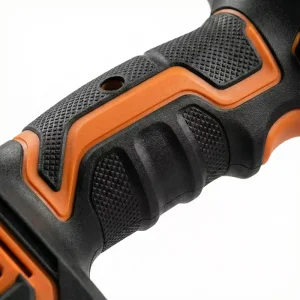
Waterproof IP68 phone gaskets, overmolded dual-shot power tool grips (TPE/TPR onto ABS/PC), acoustic speaker surrounds, and conductive silicone buttons for high-reliability human-machine interfaces (HMI).
Rigorously Documented Metrology & Inspection Standards
Ensuring zero-defect batch delivery through standardized physical lab testing and non-contact optical inspection.
Physical & Mechanical Laboratory Validation
Every raw compound batch undergoes mandatory rheological and physical property testing before release to production lines. Reports are archived and provided with PPAP Level 3 documentation packages.
- Tensile & Elongation (ASTM D412): Verification of ultimate tensile strength, 100% modulus, and elongation at break.
- Compression Set (ASTM D395 Method B): Long-term deflection recovery testing under thermal load.
- Durometer Hardness (ASTM D2240): Micro-Shore A and IRHD (International Rubber Hardness Degrees) measurement.
- Ozone & Thermal Aging (ASTM D1149): Accelerated chamber testing for environmental degradation.
Sub-Micron Optical Metrology & Quality Systems
Given the compliant, flexible nature of rubber parts, traditional tactile calipers can distort dimensions during measurement. Advanced optical and non-contact metrology equipment guarantees true feature inspection.
- OGP Optical Video Measuring Systems: Non-contact edge-detection for critical O-ring inner diameters and wall cross-sections.
- Automated Optical Inspection (AOI): 360-degree glass turntable optical sorting machines inspecting up to 600 parts/min for flash or voids.
- Quality Framework Certifications: Operates under IATF 16949 (Automotive), ISO 13485 (Medical), and ISO 9001:2015.
DFM Engineering Rules for Precision Rubber Molding
Essential design guidelines to prevent molded defects, cut tooling costs, and ensure smooth automated ejection.
Uniform Wall Thickness
Maintain consistent wall sections wherever possible. Abrupt wall transitions lead to differential thermal shrinkage, sink marks, internal voids, and uneven cure kinetics. Use generous radii (minimum 0.5mm) at internal corners to distribute mechanical stress.
Draft Angles & Parting Lines
While elastomers can flex during demolding, providing 1° to 3° of draft significantly reduces demolding friction and tool wear. Design parting lines along natural geometric breaks to simplify flash trimming and maintain sealing land integrity.
Undercuts & Core Extraction
Leverage elastomer elasticity for "bump-off" demolding of minor undercuts (up to 5% to 8% strain limit depending on Durometer). For deep undercuts, incorporate hydraulic side-actions, collapsible cores, or split-cavity tooling designs.
Frequently Asked Questions by Global Buyers
Expert answers on tooling lead times, MOQ flexibility, process selection, and intellectual property protection.
What is the difference between Rubber Injection Molding and Compression Molding?
Rubber Injection Molding pre-heats the elastomer compound in a temperature-controlled barrel and injects it under high pressure into closed, heated mold cavities. This results in significantly faster cure times (up to 70% faster), tighter dimensional tolerances (down to ±0.02mm), automated production, and flash-free components. Compression molding places unheated preforms into an open mold, leading to longer cycle times, higher material waste, and thicker parting line flash.
What minimum order quantities (MOQ) and sample lead times do you support?
We offer rapid prototyping tooling (soft aluminum or P20 steel molds) capable of delivering 10 to 500 initial samples within 7 to 12 working days. For serial production, standard MOQs start at 1,000 pieces for large components and 10,000 pieces for micro-seals or custom O-rings, backed by high-cavitation production tooling designed for 500,000+ shots.
How do you ensure strong chemical bonding in Rubber-to-Metal overmolding?
Achieving cohesive chemical bonds (where the elastomer tears before the bond interface fails) involves a strict 4-step process: (1) Surface degreasing and grit-blasting of metal inserts (aluminum, brass, stainless steel); (2) Application of heat-activated silane coupling primers; (3) Preheating inserts inside the mold cavity; (4) High-pressure rubber injection and vulcanization. Full shear testing is performed per ASTM D429 standards.
Which certification standards and material reports are provided with shipments?
Every shipment can include a Certificate of Analysis (CoA), raw batch Material Test Reports (MTR) covering Tensile, Hardness, and Rheometer curves, RoHS 3 and REACH SVHC compliance certificates, First Article Inspection (FAI) dimensional reports via OGP video metrology, and full PPAP Level 3 packages for automotive applications.
How is customer intellectual property (IP) and proprietary CAD data protected?
We execute strict non-disclosure agreements (NDAs) prior to receiving any 2D/3D CAD files. All design data is stored on secure, encrypted internal servers accessible only by assigned project engineers. As a direct factory, your CAD files and mold tooling are never transferred or outsourced to third-party trading brokers.
Can Liquid Silicone Rubber (LSR) be molded together with standard thermoplastic housing?
Yes. Using 2-K (Two-Shot) or transfer overmolding techniques, LSR can be molded directly onto high-temperature engineering plastics like PA66-GF30, PBT, or PEEK. Because LSR cures at elevated mold temperatures (160°C to 200°C), the plastic substrate must be carefully selected to resist thermal distortion during injection.
What mold life expectancy can buyers expect from Chinese tooling?
Tooling life depends on the steel grade and compound aggressiveness. Molds built with hardened steel inserts (H13 or S136 hardened to 48-52 HRC) with PVD anti-corrosion coatings carry a guaranteed tool life of 500,000 to 1,000,000 cycles. We provide free lifetime mold maintenance and cavity re-sinking for production running under our facility.
Explore Our Extended Engineering Capabilities
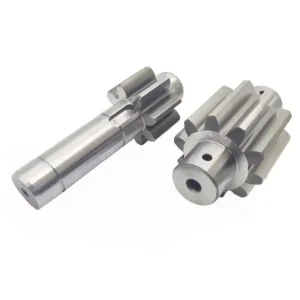
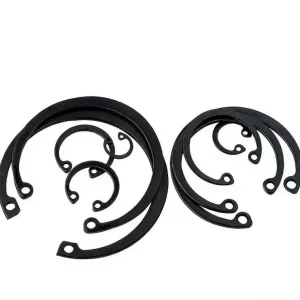
Precision CNC Machining, Metal Stamping, Thermoplastic & Elastomer Solutions
Accelerate Your Elastomer & Hardware Project Today
Upload your 2D/3D CAD drawings (STEP, IGES, SolidWorks, DWG) for a comprehensive DFM manufacturability analysis, mold filling simulation, and instant engineering quote within 24 hours.