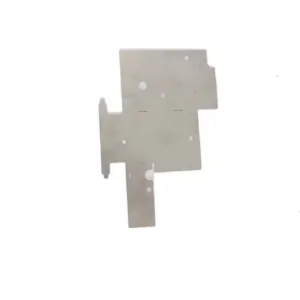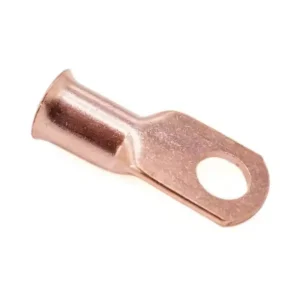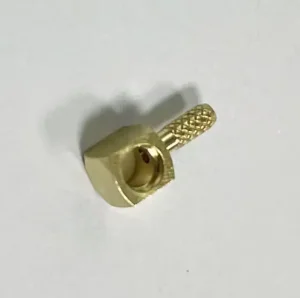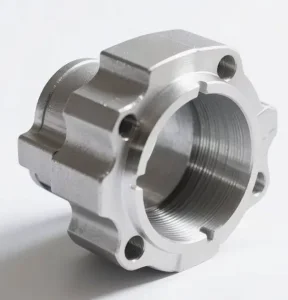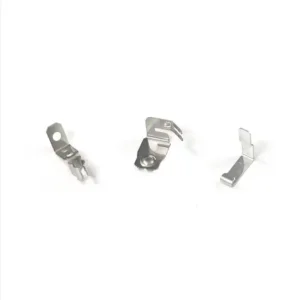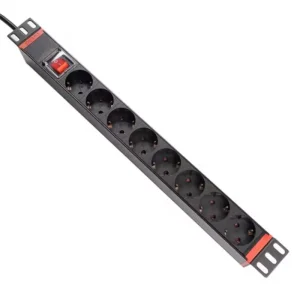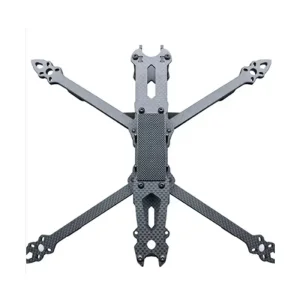
Featured Precision Stamped & Machined OEM Components
Explore our flagship custom engineering portfolio engineered for electrical, automotive, and industrial assemblies.
1. Global Commercial & Industrial Status of Metal Terminal Stamping
In the era of rapid electrification, 5G telecommunication density, Automotive 800V architectures, and AI data center energy scaling, precision metal terminal stamping has transitioned from a routine manufacturing process into an essential pillar of electrical system integrity. Metal terminals—encompassing ring crimps, spade connectors, PCB pin headers, battery leaf springs, and high-current power lugs—serve as the vital electromechanical interfaces that govern conductivity, contact resistance, and signal fidelity across global supply chains.
The global demand for high-reliability precision terminals is currently driven by strict performance standards. Modern electronic modules require terminals capable of handling extreme vibration, thermal cycles ranging from -40°C to +150°C, and continuous ampacity loads without suffering stress relaxation or contact degradation. Consequently, tier-1 global procurement teams no longer seek basic press shops; they mandate partnership with specialized metal terminal stamping manufacturers equipped with high-speed progressive die tooling, in-house metallurgy verification, and automated reel-to-reel electroplating.
Automotive Electrification (EV / HV)
High-voltage battery management systems (BMS), inverter power modules, and charging gun plugs demand heavy-gauge copper terminals stamped with micro-harness tabs and minimal surface burrs (<0.01mm).
AI Data Centers & Renewable Energy
High-density rack power strip PDUs, solar inverter busbars, and industrial battery energy storage systems (BESS) require silver- or tin-plated copper lugs capable of low contact resistance (<0.5mΩ).
Smart Consumer Devices & Medical
Micro-battery contacts (AG13, CR2032, CR2450) and wearable connectors utilize spring-temper phosphor bronze and beryllium copper stamped at ultra-thin gauges (down to 0.08mm).
2. China Factory Manufacturing & Supply Chain Advantage
China’s metal terminal stamping industry—specifically concentrated in high-tech manufacturing hubs like Shenzhen, Dongguan, and the Greater Bay Area—delivers an unparalleled balance of ultra-precise tooling velocity, raw material supply chain density, and comprehensive DFM engineering support.
Rapid Tooling Design & Turnaround Velocity
Unlike traditional European or North American stampers requiring 12 to 16 weeks for progressive die prototyping, leading Chinese terminal factories complete full multi-station carbide tooling design, wire-EDM cutting, tool assembly, and First Article Inspection (FAI) reports within 18 to 25 calendar days. Utilizing advanced CAD software (UG NX, SolidWorks) integrated with CAD/CAM simulation, tooling engineers eliminate springback risks prior to steel cutting.
Vertical Integration of Electroplating & Surface Finishing
The critical weakness of terminal stamping often lies in downstream surface treatments. Chinese manufacturing clusters integrate continuous selective reel-to-reel plating lines immediately adjacent to high-speed presses. Plating options—including matte tin, bright tin, selective gold flashing, nickel barrier undercoating, and silver plating—are subject to inline X-ray fluorescence (XRF) thickness verification, ensuring optimal solderability and zero whisker growth risks.
3. Conductive Metallurgy, Progressive Die Engineering & Precision Standards
Selecting the appropriate raw alloy and engineering precision tooling steel is paramount when designing electrical terminals. The choice of material dictates mechanical yield strength, thermal conductivity, insertion/withdrawal force, and stress relaxation resistance over time.
Material Engineering Comparison Matrix for Stamped Terminals
| Alloy Grade | UNS / EN Standard | Electrical Conductivity (% IACS) | Tensile Strength (MPa) | Key Mechanical Characteristic | Primary Terminal Application |
|---|---|---|---|---|---|
| C1100 ETP Copper | C11000 / Cu-ETP | 100% min | 220 – 380 | Maximum electrical & thermal conductivity | Heavy current ring lugs, busbars, power battery connectors |
| C2680 Brass | C26800 / CuZn37 | 28% | 340 – 560 | Excellent deep drawing & cost efficiency | Appliance crimp terminals, plug pins, quick disconnects |
| C5210 Phosphor Bronze | C52100 / CuSn8 | 13% | 550 – 750 | Superior spring elasticity & fatigue endurance | Micro battery leaf contacts, memory card connectors, relays |
| C17200 Beryllium Copper | C17200 / CuBe2 | 22% – 45% (aged) | 1100 – 1400 | Ultra-high strength & thermal stress relaxation resistance | Aerospace sockets, high-vibration automotive sensors, test probes |
| SUS304 Stainless Steel | S30400 / 1.4301 | 2.5% | 600 – 1100 | High mechanical strength & chemical resistance | Grounding clips, anti-magnetic structural terminals, shields |
Progressive Die & Stamping Tooling Precision
High-volume terminal manufacturing relies on progressive dies containing anywhere from 15 to 45 sequential work stations. In these dies, raw metal coil strip is fed automatically into high-speed presses operating at speeds ranging from 300 to 1200 strokes per minute. Key engineering controls include:
Carbide Die Components (KD20 / SKD11)
Punching punches and die inserts are constructed from ultra-fine tungsten carbide grades (KD20, CD650) to guarantee die longevity exceeding 50,000,000 strokes before major maintenance regrinding.
Controlled Burr Heights (< 5% Thickness)
Through precise punch-to-die clearances maintained within 4% to 8% of sheet metal thickness ($t$), burr formation is kept below 0.01mm, eliminating insulation piercing risks during crimping.
Grain Direction Orientation
During die strip layout design (DFM), terminal bending axes are strictly oriented perpendicular or at 45 degrees to the metal coil rolling grain direction, preventing micro-cracking during 90° crimp bending.
4. Localized Application Scenarios & Engineering Field Use Cases
Precision metal terminal stampings operate in vastly different environmental conditions depending on the end-market application. Below is an engineering overview of localized application requirements:
Scenario A: Automotive High-Current Battery Crimps & Lugs
Technical Requirement: 100% solid copper conductivity, 200A current carrying capacity, vibration resistance under USCAR-2 standards.
Engineering Solution: Utilizing thick-gauge C1100 ETP copper strip (1.5mm to 3.0mm thickness), progressive dies perform complex stamping, coined serration rings, and deep-drawn barrel crimps. Terminals undergo continuous matte-tin plating with an anti-friction organic surface preservative (OSP) film to lower mating forces.
Scenario B: Micro Miniature Coin Cell Battery Contacts (AG13 / CR2032)
Technical Requirement: Low profile (<1.5mm height), precise contact force (1.2N ± 0.2N), zero contact oxidation over 5-year shelf life.
Engineering Solution: High-speed progressive stamping of C5210 Phosphor Bronze (0.15mm thickness). Integrated selective gold plating on contact points with full nickel undercoating barrier prevents copper ion migration, ensuring flawless battery spring performance.
5. Global Enterprise Procurement Checklist & Quality Governance
For global sourcing managers, VP of Supply Chains, and Senior Quality Assurance Engineers, selecting a reliable metal terminal stamping partner in China requires comprehensive audit validation against strict quality management frameworks.
IATF 16949 & ISO 9001 Certification
Factories must maintain active Automotive Quality Management Systems (IATF 16949) with documented Advanced Product Quality Planning (APQP), Failure Mode and Effects Analysis (FMEA), and full PPAP Level 3 submission capabilities.
Optical Vision Cpk Analysis (Cpk ≥ 1.67)
Critical terminal dimensions—such as crimp wing clearance, contact pitch spacing, and spring gap distances—are monitored in real time using Keyence optical measuring systems and automated inline cameras achieving process capability indices of Cpk ≥ 1.67.
Environmental Compliance & Traceability
All stamped terminals must strictly conform to RoHS 3 (EU 2015/863), REACH SVHC, and Conflict Minerals requirements, supported by lot-traceable Spectrometer Material Test Certificates (EN 10204 3.1).
6. Future Technological Trends in Metal Terminal Stamping
As electronic assemblies miniaturize while simultaneously handling elevated power loads, metal terminal stamping technology is undergoing significant evolution driven by three major industrial trends:
Ultra-Micro Miniaturization (<0.05mm Thickness)
Next-generation medical implants, foldable mobile displays, and aerospace sensors require micro-terminals produced from ultra-thin foil strips stamped with pitch distances below 0.3mm under cleanroom manufacturing environments.
Smart Stamping Dies with Embedded IoT Sensors
State-of-the-art Chinese stamping factories are equipping progressive dies with piezoelectric acoustic emission sensors and tonnage monitors. These embedded sensors detect micro-cracks, tool wear, and scrap mis-feeds instantly, preventing batch defects.
Lead-Free & Eco-Friendly Plating Alternatives
Driven by global green metallurgy standards, terminal manufacturers are migrating toward pure tin-reflow processes, pure silver selective brush plating, and nickel-palladium-gold (NiPdAu) surface finishes to eliminate hazardous lead and cyanide compounds completely.
7. Frequently Asked Questions (Engineering & Procurement FAQ)
Detailed technical answers from our senior tooling engineers and quality director to assist your engineering evaluation.
We mitigate springback in elastic alloys (like Phosphor Bronze C5210 and Beryllium Copper C17200) by performing finite element springback analysis during DFM stage and incorporating over-bending, coin-stamping, or stress-relief stations directly into the progressive die. Pitch tolerances are strictly governed by precision pilot pins fitting into guide holes stamped along the strip carrier, maintaining pitch accuracy within ±0.008mm across 500,000-piece press runs.
Our heavy-duty stamping line features high-tonnage precision presses ranging from 80 tons up to 400 tons, capable of stamping high-conductivity C1100 ETP copper terminals and power busbars up to 4.0mm in thickness. For heavy-gauge crimp lugs, we utilize compound progressive dies equipped with hydraulic hydraulic die cushions to ensure smooth shear faces without structural delamination.
Tin whiskers pose severe short-circuit risks in high-density electronics. To prevent whisker growth, we mandate a copper-nickel undercoating barrier (minimum 1.27µm Ni thickness) prior to electroplating matte tin (2.5µm – 5.0µm). Additionally, we offer inline post-plating reflow thermal baking at 150°C to relieve internal electrodeposition stress.
All progressive tooling designed and fabricated by our factory comes with a lifetime tooling guarantee for the duration of the OEM program. We guarantee standard carbide tooling inserts for 50,000,000 to 100,000,000 strokes, covering all routine regrinding, punch replacement, and die maintenance costs in-house without charging additional tooling amortization fees to the buyer.
Yes. We provide complete terminal packaging options including continuous carrier strip reels, EIA-481 compliant embossed tape-and-reel (polystyrene carrier tape with heat-sealed cover tape), plastic tray packaging, and bulk loose-piece anti-static bags suited for automated SMT pick-and-place systems or automatic wire crimping machines.
Standard lead times are: DFM analysis & tooling drawing sign-off in 48 hours; progressive die machining and assembly in 18 to 22 days; T1 samples with full CMM inspection, material certificates, and FAI reports delivered via air courier within 25 days from order confirmation.
Additional Custom OEM Manufacturing Solutions
Explore our expanded custom component categories engineered for industrial OEM partners.