OEM Dual-Material Power Tool Handle Supplier, Products
Product Description
Product Overview
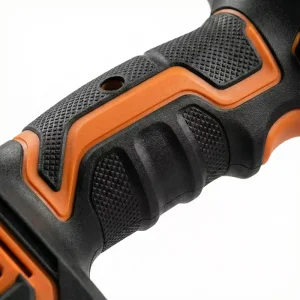
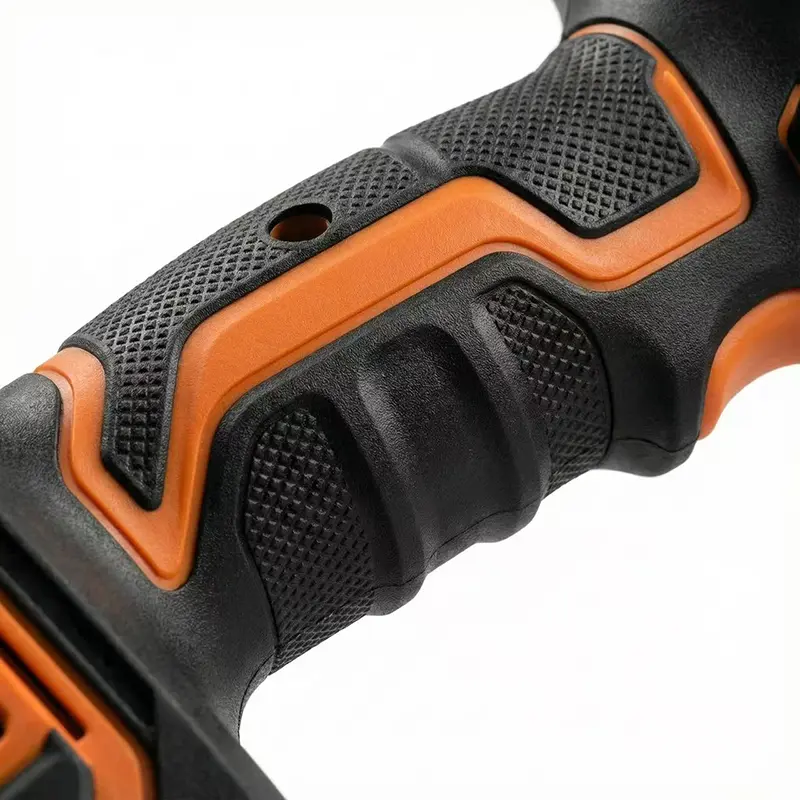
This ergonomic handle demonstrates our advanced capabilities in multi-material injection molding. By combining a rigid substrate with a soft-touch grip, we enhance both the durability and the user experience of the product. This technology is widely used in power tools, consumer electronics, and outdoor equipment.
Manufacturing Process Insight
Overmolding Technique
First, the rigid core (Glass-filled Nylon) is molded to provide structural strength. Then, the part is transferred to a second cavity (or using a 2K machine) where soft TPE (Thermoplastic Elastomer) is injected over it.
Chemical Bonding
We select materials that chemically bond during the molding process, eliminating the need for adhesives and preventing peeling over time.
Complex Tooling
The mold is designed with precise shut-offs to ensure the soft material creates crisp, clean lines without flashing onto the hard plastic.
Key Features & Benefits

Ergonomics
The TPE layer provides vibration dampening and a non-slip grip, improving user comfort.

Aesthetics
Enables dual-color designs that enhance brand identity and shelf appeal.

Durability
The glass-filled nylon core creates a nearly unbreakable internal skeleton.

Cost Efficiency
Two-shot molding eliminates manual assembly of rubber grips, reducing labor costs in mass production.
Technical FAQ
Q1: What materials work best for overmolding?
Q2: Is the tooling much more expensive?
Q3: Can you do insert molding (metal inserts)?
Q4: How do you prevent peeling between hard and soft plastic layers?
Q5: What visual finishes are available for overmolded surfaces?
Q6: Do you offer complete Design for Manufacturability (DFM) support?
Other Products
Custom Modular Plastic Enclosures...
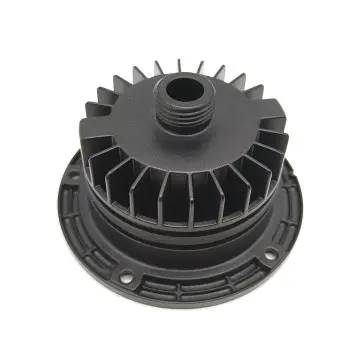
Custom Die Cast Aluminum Finned H...
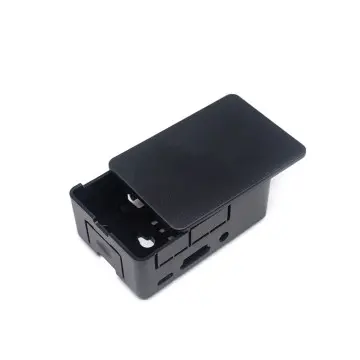
Custom Injection Molded Electroni...
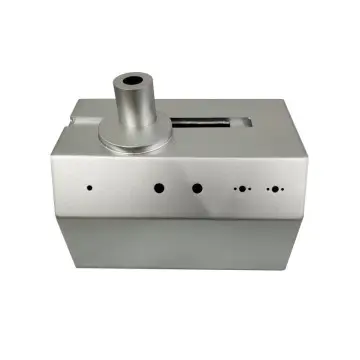
Custom Precision Sheet Metal Equi...
Get a Fast, Technical Quote & Free DFM Review
Don't let tolerance stack-up delay your product launch. Submit your project details, and our engineering team will evaluate your design for manufacturability before the first cut.