
Featured Biomedical & High-Spec Components
High-rigidity hardware, electro-mechanical assemblies, and precision-turned parts validated for extreme-reliability application fields.
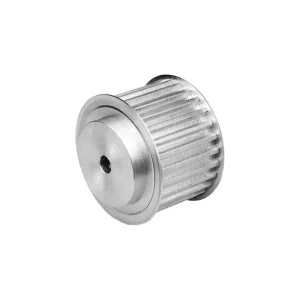
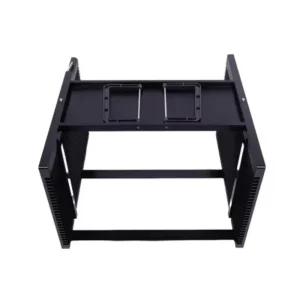
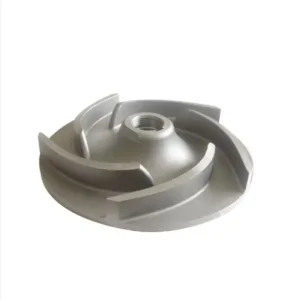
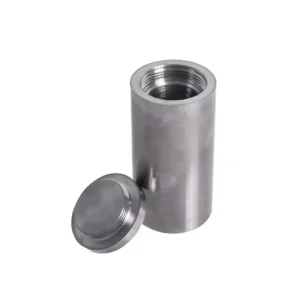
The Global Landscape of Precision Medical Machining & China's Strategic Ecosystem
The global medical device sector is undergoing a profound technological shift driven by minimally invasive surgeries (MIS), robotic-assisted surgical (RAS) platforms, point-of-care (POC) molecular diagnostics, and custom patient-specific implants. According to global industry benchmarks, the precision medical component manufacturing market is projected to expand at a compound annual growth rate (CAGR) exceeding 8.4%, reaching over $22 Billion by 2030. At the heart of this growth lies the demand for tight-tolerance, bio-compatible metal and polymer sub-assemblies manufactured under stringent regulatory conditions.
China has transitioned from a high-volume component producer into a world-class center for high-end biomedical engineering. Modern Chinese suppliers integrate multi-axis CNC Swiss turning, micro-EDM, sub-micron coordinate measuring machine (CMM) verification, and cleanroom bio-burden control within unified supply networks. This localized integration enables medical OEMs in North America, Europe, and Asia-Pacific to achieve up to 35% shorter NPI (New Product Introduction) cycles while adhering strictly to FDA 21 CFR Part 820, ISO 13485:2016, and EU MDR (Medical Device Regulation 2017/745) compliance mandates.
Cutting-Edge Machining Technologies for Medical Assemblies
Combining high-rigidity CNC platforms with specialized tool kinematics to process difficult-to-cut biomedical metals and polymers.
5-Axis Micro-Milling
High-rpm spindle (up to 60,000 RPM) multi-axis machining optimized for complex 3D contouring of orthopedic bone plates, joint replacement components, and complex dental abutments with zero repositioning error.
Swiss CNC Turning
Guide-bushing sliding headstock lathes engineered for ultra-slender, high-aspect-ratio surgical instruments, pedicle screws, bone pins, and endoscopic wristed cable drives requiring tight concentricity.
Wire & Sinker Micro-EDM
Non-contact electrical discharge machining enabling burr-free micro-slots, sharp internal corners, and miniature internal cavities in hardened stainless steels and cobalt-chrome alloys without thermal stress deformation.
Medical-Grade Material Engineering Matrix
Selection of raw materials adhering strictly to ASTM, ISO, and USP Class VI biocompatibility criteria.
| Material Designation | Key Mechanical Properties | Primary Medical Applications | Machining & Finishing Challenges |
|---|---|---|---|
| Ti-6Al-4V ELI (Grade 23) | High strength-to-weight ratio, extreme osseointegration capability, low modulus. | Orthopedic trauma plates, spinal cages, dental implants. | Low thermal conductivity requires specialized high-pressure coolant tooling. |
| 316LVM (ASTM F138) | Vacuum arc remelted stainless steel, high corrosion resistance, non-magnetic. | Temporary vascular implants, surgical retractors, biopsy needles. | Work-hardening tendency; requires controlled chip breakers and feeds. |
| CoCrMo Alloy (ASTM F75) | Exceptional wear resistance, high fatigue strength, biocompatible passive layer. | Total knee/hip replacement joints, structural dental frameworks. | Highly abrasive; requires micro-grain carbide tools and high-rigidity CNC setups. |
| PEEK / PEEK OPTIMA | Radiolucent (X-ray transparent), elasticity close to cortical bone, autoclavable. | Interbody spinal fusion implants, cranial plates, diagnostic manifold blocks. | Requires stress-relief annealing prior to and post-machining to maintain dimensional stability. |
| Tungsten Carbide | Ultra-high density, radiation shielding capability, extreme hardness. | Radioisotope canisters, nuclear medicine shields, surgical cutter inserts. | Machinable only via specialized diamond grinding or high-precision EDM micro-sinking. |
Engineered Solutions Across Medical Specialities
From sub-millimeter surgical robotics to heavy diagnostic imaging sub-assemblies.
1. Surgical Robotics & Minimally Invasive Instrumentation
Modern robotic platforms demand ultra-lightweight wristed instruments capable of 7-degrees-of-freedom movement. We specialize in micro-machining stainless steel pulleys, titanium clevis joints, end-effector jaws, and customized trocars with smooth radii and zero micro-burrs to prevent tissue trauma.
2. Diagnostic & Analytical Instrumentation
Point-of-care blood analyzers and mass spectrometers rely on complex fluidic routing. We produce acrylic and PEEK microfluidic manifolds, aluminum vacuum manifold blocks, and optical sensor probe housings with mirror-polished internal channels (Ra < 0.2 μm) for turbulence-free fluid flow.
3. Orthopedic & Trauma Implants
Our 5-axis CNC machining centers turn Grade 5 Titanium and PEEK into precision pedicle screws, spinal fusion cages, and locking compression plates. All implants undergo automated CMM thread profiling and micro-bead blasting for optimum bone-ingrowth interface.
4. Dental Prosthetics & Implantology Hardware
High-speed Swiss turning yields titanium dental abutments, implant drivers, and healing caps with tight thread pitches. Verified under optical comparators to ensure perfect mechanical locking with dental fixtures.
Stringent Quality Management & Full Traceability Protocol
For critical medical applications, component failure is not an option. A leading China medical machining supplier operates under a robust quality management system aligned with ISO 13485:2016 and FDA cGMP standards. Quality assurance spans every single step of the manufacturing cycle:
1. Raw Material Validation & MTRs
Every bar stock batch is delivered with full Material Test Reports (MTRs) detailing chemical composition and mechanical strength. XRF spectrum analysis is conducted in-house to verify alloy purity prior to machining.
2. Advanced Metrology & Sub-Micron Verification
Equipped with ZEISS non-contact optical Coordinate Measuring Machines (CMM), white-light interferometers, and surface profilometers. Key dimensions are inspected with statistical process control (SPC) tracking Cpk values > 1.67.
3. Surface Finishing & Citric Passivation
Stainless steel parts undergo automated citric/nitric acid passivation per ASTM A967 to build a stable corrosion-resistant passive oxide layer. Titanium parts are treated with Type II/III anodization for biocompatible color coding and low wear.
4. ISO Class 7 Cleanroom Bio-Burden Packaging
Ultrasonic multi-stage bio-decontamination removes residual cutting fluids. Components are vacuum-sealed in double pouch Tyvek bags inside ISO Class 7 cleanrooms ready for terminal ethylene oxide (EtO) or Gamma sterilization.
Next-Generation Trends in Biomedical Manufacturing
Pioneering technologies transforming high-precision medical component fabrication.
AI-Driven Adaptive Toolpaths
Integration of real-time machine vision and vibration telemetry algorithms to dynamically adjust feeds and speeds during titanium micro-milling, virtually eliminating tool deflection errors and extending tool life by 40%.
Additive-Subtractive Hybrid Fabrication
Combining Selective Laser Melting (SLM 3D printing) of porous trabecular titanium matrix structures with 5-axis finish CNC milling on mating joint faces—delivering patient-specific implant customization at mass production speeds.
Bio-Resorbable Alloys Machining
Development of specialized dry-machining protocols for bio-resorbable Magnesium (Mg-Zn-Ca) alloys used in temporary vascular scaffolds and bone fixation screws that safely dissolve in vivo over time.
Industrial & Surgical Custom OEM Sub-Assemblies
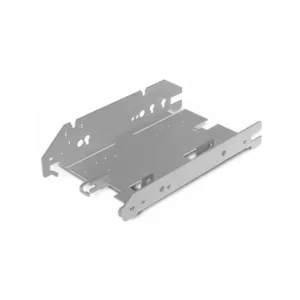
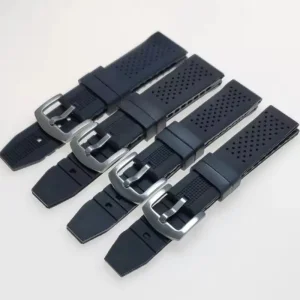
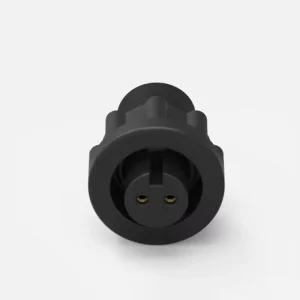
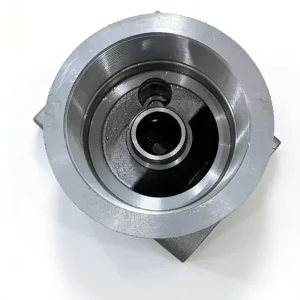
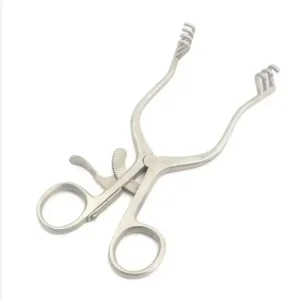
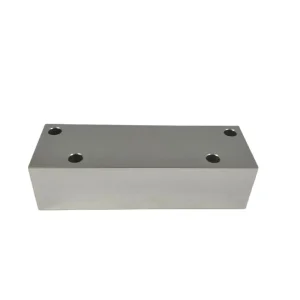
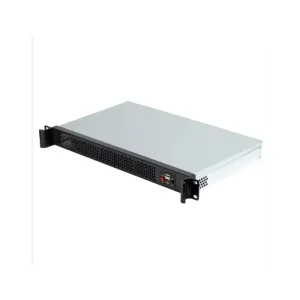
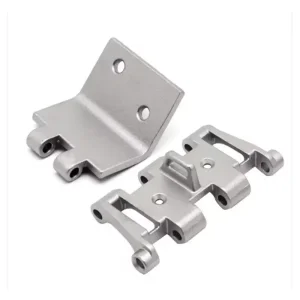
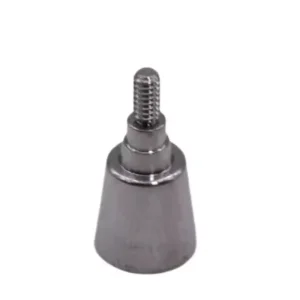
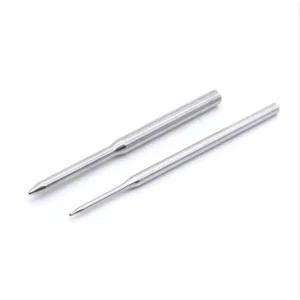
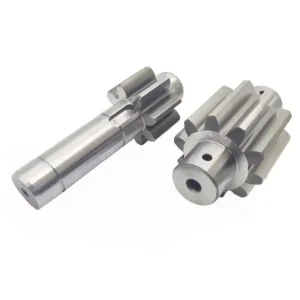
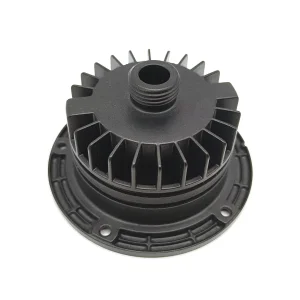
Precision cast, turned, stamped, and CNC-machined items for critical equipment applications.
Macro Supply Chain Resilience & DFM Optimization Protocols
Establishing a robust biomedical hardware program demands more than machine hours; it requires strategic risk mitigation, intellectual property safeguard protocols, and collaborative Design for Manufacturability (DFM) engineering.
DFM & Cost Engineering Protocol
Our engineering team analyzes CAD models during pre-production to optimize internal radii, eliminate unnecessary deep micro-pockets, and select standard tool profiles—cutting machining cycle times by up to 25% while maintaining critical functional interfaces.
IP Protection & Regulatory Filing Support
All technical documentation, 2D/3D models, and inspection data are governed under bilateral NDAs. We provide comprehensive device master record (DMR) documentation and initial FAI (First Article Inspection) packets per AS9102/PPAP standards for seamless regulatory submission.
Frequently Asked Questions by Medical Device Procurement Teams
Authoritative engineering insights addressing compliance, tolerance control, and procurement logistics.