Featured OEM/ODM Hardware Solutions & Core Assemblies
Direct factory manufacturing for high-precision components across industrial cabinets, electronics enclosures, automotive brackets, and sensor hardware.
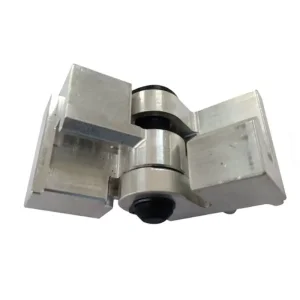
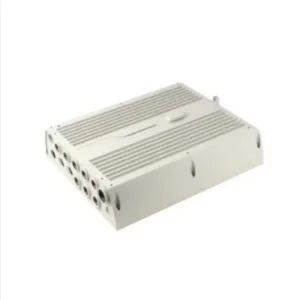
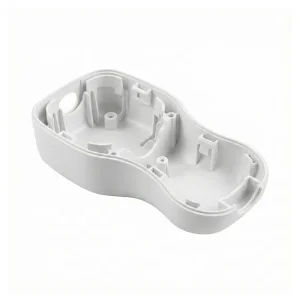
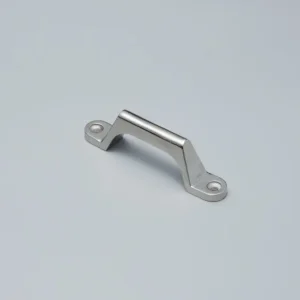
1. Executive Summary: The Evolution of ODM Rapid Machining Ecosystems
In modern mechanical engineering and global product development, Original Design Manufacturing (ODM) rapid machining has transitioned from simple rapid prototyping into a foundational pillar of agile hardware engineering. Modern procurement teams, lead design engineers, and global industrial OEMs no longer treat rapid prototyping and volume production as segregated steps. Instead, dynamic market acceleration demands a unified methodology: single-source factories capable of scaling seamlessly from initial CAD-driven engineering samples (1–10 parts) to low-volume initial production (100–5,000 parts), and finally into full die-casting or injection-molding production runs.
The key value driver behind modern ODM rapid machining factories lies in their structural integration of Design for Manufacturability (DFM), automated CAM toolpath generation, multi-axis High-Speed Machining (HSM), and rigorous, in-line Coordinate Measuring Machine (CMM) quality control. By leveraging advanced data-driven quoting engines and flexible cellular manufacturing in China’s premier industrial hubs (such as Shenzhen and the Greater Bay Area), global enterprises can effectively compress product development cycles by up to 65% while maintaining dimensional tolerances down to ±0.005 mm.
2. Global Commercial & Industrial Landscape of Rapid Machining
Global hardware innovation across North America, Europe, and Asia-Pacific is undergoing an unprecedented wave of miniaturization, electrification, and structural optimization. Industries such as robotics, automotive electronic control units (ECUs), medical diagnostics, renewable energy storage, and aerospace brackets demand customized metal and plastic components with complex organic geometries that traditional off-the-shelf catalog parts simply cannot satisfy.
CapEx & Inventory Risk Reduction
Original Equipment Manufacturers (OEMs) are increasingly shifting from high-upfront-cost hard tooling (such as complex multi-cavity injection molds or steel die casting dies) toward rapid CNC machining and quick-turn bridge tooling. This strategy allows hardware brands to validate market demand without tying up millions in capital expenditure.
High-Density AI & Sensor Integration
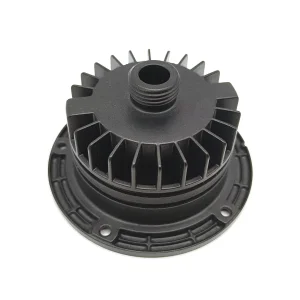
As physical AI, smart IoT sensors, and high-frequency RF communications proliferate, enclosures must serve dual purposes: acting as robust structural chassis while simultaneously providing electromagnetic interference (EMI/RFI) shielding and thermal dissipation via integrated heat-sink fins.
Demand for Agile Supply Chain Redundancy
Global supply chain disruptions over recent years have taught engineering procurement directors that single-region sourcing represents a critical vulnerability. Tier-1 and Tier-2 manufacturers require agile manufacturing partners capable of rapidly spinning up custom ODM engineering runs on demand.
3. China Factory Supply Chain Resilience & Efficiency Advantages
China’s standing as the premier hub for custom metal fabrication and precision machining rests on a unique structural convergence: complete industrial sub-tier supply networks, highly skilled toolmaker talent, state-of-the-art multi-axis CNC machinery, and hyper-optimized logistics corridors.
Vertical Industrial Clustering
Unlike isolated overseas workshops, an advanced ODM rapid machining facility in Shenzhen operates within minutes of specialized billet suppliers, certified heat-treatment facilities, custom fastener makers, surface treatment experts (anodizing, electroplating, PVD coating), and raw material testing laboratories. This extreme proximity slashes transit times between processing steps from weeks to hours.
Hybrid Machining & Tooling Agility
Chinese manufacturing facilities excel at mixing subtractive, additive, and formative technologies. For example, a complex medical housing can be rapidly rough-cut via 5-axis milling, investment-cast via 3D-printed wax patterns, and then finished on Swiss CNC lathes under one coordinated quality management framework.
Cost Structure & Yield Optimization
By implementing automated multi-pallet CNC fixtures, robotic machine tending, and continuous 24/7 lights-out operation, modern factories minimize non-recurring engineering (NRE) charges. This leads to extremely competitive piece-part quotes without sacrificing material integrity or compliance.
4. Technical Roadmap & Manufacturing Process Matrix
Selecting the optimal manufacturing route requires a rigorous understanding of component geometry, annual volumetric requirements, mechanical load paths, and required surface finishes. The table below illustrates the technical capabilities offered across our core ODM manufacturing spectrum:
| Manufacturing Process | Primary Alloys & Resins | Standard Tolerances | Optimal Volumetric Range | Key Engineering Advantage |
|---|---|---|---|---|
| 5-Axis CNC Milling | AL 6061-T6, 7075-T6, Stainless 316L, Titanium Gr 5, POM, PEEK | ±0.005 mm to ±0.013 mm | 1 – 1,000 units (Prototypes to Low-Volume) | Zero tooling cost; complete freedom for complex 3D organic surfaces and undercut pockets. |
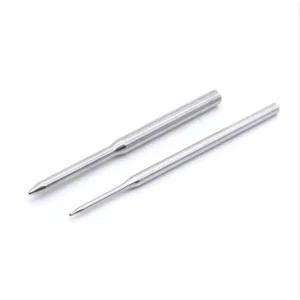
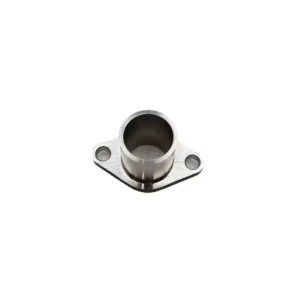
| Swiss CNC Turning | Brass C36000, Copper C11000, Stainless 303/304, Steel Alloy | ±0.002 mm to ±0.008 mm | 100 – 100,000+ units | High-speed axial symmetry machining, ideal for micro-pins, shafts, sensor housings, and probe thermowells. |
| Aluminum High-Pressure Die Casting | ADC12, A380, A360 Aluminum Alloys | ±0.025 mm (As-Cast) / ±0.005 mm (Post-CNC) | 1,000 – 500,000+ units | High structural integrity, thin wall capabilities (down to 1.2 mm), and integrated thermal management fins. |
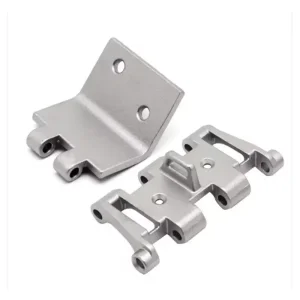
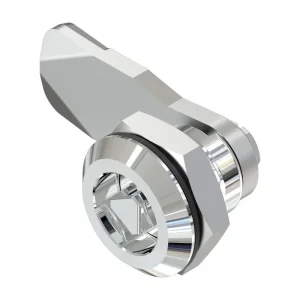
| Zinc Alloy Investment & Die Casting | Zamak #3, Zamak #5, Zinc-Aluminum Alloys | ±0.015 mm to ±0.03 mm | 2,500 – 200,000+ units | Exceptional impact strength, fluid castability for detailed hardware like industrial cabinet cam locks and hinges. |
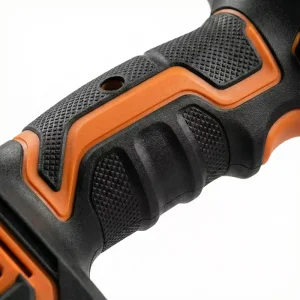
| Two-Shot (2K) Injection Molding | ABS+TPU, PC+Silicone, PA66+TPE | ±0.010 mm to ±0.025 mm | 5,000 – 100,000+ units | Permanent chemical bonding of soft ergonomic grips onto rigid structural cores without adhesive assembly steps. |
Advanced Surface Finishing & Engineering Post-Treatments
Manufacturing exact physical dimensions represents only half the challenge; surface durability and environmental protection are equally paramount. ODM rapid machining factories offer an integrated suite of post-processing capabilities:
Anodizing Type II & Type III (Hardcoat)
Provides corrosion resistance and dielectric insulation up to 500V. Type III Hardcoat achieves surface hardness up to 60-65 HRC on aluminum alloys, ideal for aerospace and marine structural brackets.
Electroless Nickel & Gold Plating
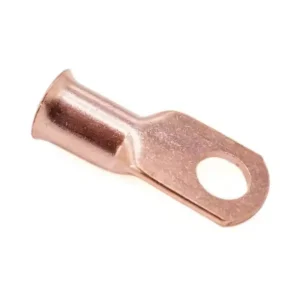
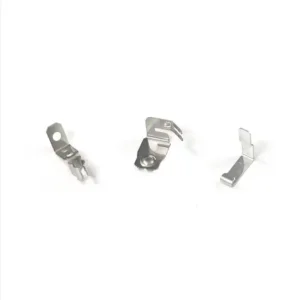
Essential for electrical conductivity and low-contact-resistance applications, such as custom tinned copper lugs, coin cell battery contacts (AG13/CR2032), and RF shielding cans.
PVD (Physical Vapor Deposition) & Powder Coating
Delivers wear-resistant decorative and functional metallic finishes for high-touch industrial hardware, power tool handles, and premium consumer device housings.
5. Localized Application Scenarios & Industry Deep Dives
Precision machining solutions perform vital roles across localized commercial environments, critical municipal infrastructure, aerospace defense frameworks, and advanced diagnostic systems worldwide.
Aerospace & Defense Lightweighting
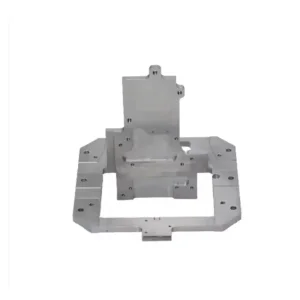
Structural airframe brackets, avionics cold plates, and drone gimbal mounts require maximum strength-to-weight ratios. Utilizing 5-axis CNC pocketing on 7075-T6 aluminum billets, engineers remove up to 85% of raw material weight while retaining critical load-bearing structural ribs verified by Finite Element Analysis (FEA).
Medical & Diagnostic Device Housings
Point-of-care analytical instruments and surgical housings require seamless, bio-compatible, easy-to-sanitize enclosures. Custom cast stainless steel handles and CNC-machined aluminum medical housings are micro-bead-blasted and passivated to withstand harsh hospital autoclave cycles and aggressive chemical disinfectants.
EV Thermal Management & Power Electronics
Electric vehicle battery management systems (BMS) and motor inverter electronics generate massive thermal heat fluxes. Custom aluminum die-cast finned enclosures with secondary CNC-faced sealing surfaces ensure flat heat dissipation planes (<0.05 mm flatness) alongside IP68 liquid gasket retention grooves.
Industrial Automation & Robotics
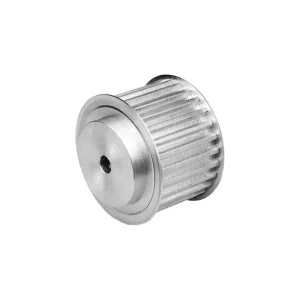
High-speed pick-and-place gantry systems require low rotational inertia. Precision CNC-machined HTD 3M aluminum timing belt pulleys, coupled with custom zinc alloy industrial cabinet locks, ensure zero backlash in motion control and rugged security for outdoor control cabinets.
6. Quality Control, International Standards & Intellectual Property Protection
For global purchasing officers and principal design engineers, engaging a foreign manufacturing supplier centers fundamentally on trust, verification, compliance, and strict intellectual property (IP) protection.
ISO 9001:2015 Quality Traceability
Every batch of raw metal block, rod, or ingot receives incoming Material Test Reports (MTR) confirming chemical composition via X-Ray Fluorescence (XRF) spectroscopy. Material certifications (e.g., EN 10204 3.1) are permanently archived per project ID.
Metrology & CMM Inspection Protocols
Critical geometric dimensions and tolerancing (GD&T) features undergo automated 3D Coordinate Measuring Machine (CMM) inspection in climate-controlled quality rooms (20°C ± 1°C). Full First Article Inspection (FAI) reports per AS9102 standards are provided before mass shipment.
Rigorous IP Protection Framework
Prior to receiving proprietary 3D CAD step files or 2D technical drawings, strict Non-Disclosure Agreements (NDAs) are executed. CAD files are stored on isolated, encrypted servers with access restricted exclusively to assigned project CAM programmers.
7. Financial Breakdown & Cost Estimation Framework for Machining Quotes
Understanding how an ODM rapid machining factory calculates customized quotes empowers engineering teams to make key DFM decisions that significantly lower piece-part costs without compromising functional performance.
1. Raw Material Volume & Yield Rate
Calculated based on starting billet weight versus final finished part weight. DFM Tip: Standardizing corner radii to match standard end-mill diameters minimizes roughing pass times and raw stock waste.
2. Machine Setup & Cycle Time
Subtractive machining cost directly reflects total machine cycle runtime (spindle hours). DFM Tip: Avoid extremely deep, narrow pockets (>4x tool diameter) that force slow feed rates and cause tool chatter.
3. Surface Finish & Secondary Operations
As-machined finishes (Ra 3.2 µm) are most economical. Specifying tight optical polishing (Ra 0.4 µm) or specialized multi-step plating increases finishing labor. Limit tight surface callouts strictly to sealing surfaces and bearing seats.
8. Frequently Asked Questions (FAQ) & Technical Insights
Clear engineering answers to common procurement questions regarding minimum order quantities, lead times, tolerance verification, and rapid tooling capabilities.
What is the typical lead time for custom ODM rapid CNC machining prototypes versus volume die casting?
What standard geometric tolerances can your precision machining factory guarantee?
How do your engineering teams assist in optimizing custom component quotes (DFM)?
Which documentation and quality reports accompany outbound international shipments?
Can your factory handle mixed-process custom assemblies combining casting, machining, and plastic molding?
Additional Specialized ODM Components & Precision Parts
Explore specialized turned fittings, thermowell housings, high-efficiency heat sink caps, and custom injection molding solutions.