
Precision Engineering OEM Hardware Catalog (Part I)
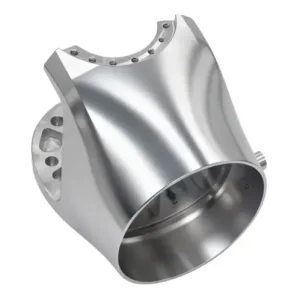
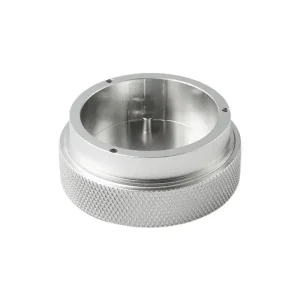
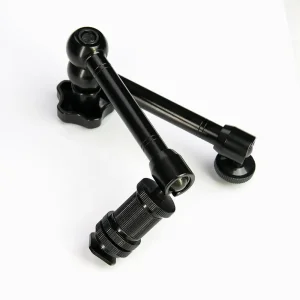
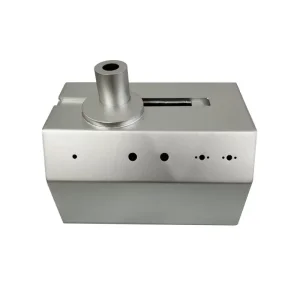
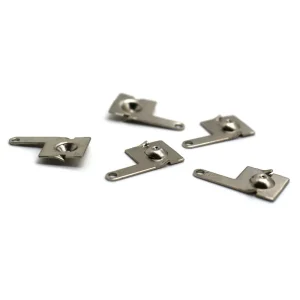
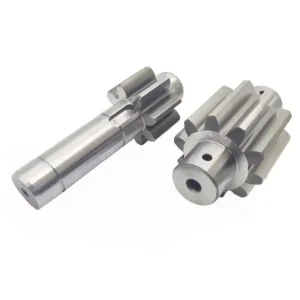
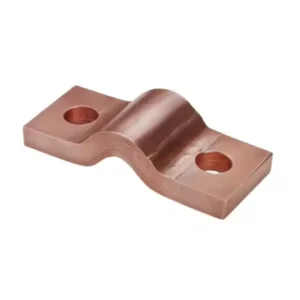
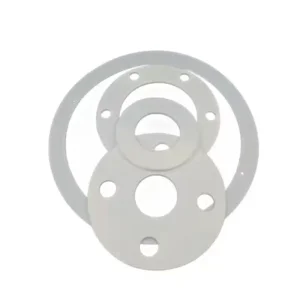
Explore our CMM-inspected, high-precision custom parts and components engineered for complex mechanical applications.
Executive Overview: Global Market Dynamics of PET Molding
Analyzing material advancements, intrinsic viscosity control, and commercial demands across high-precision packaging, automotive, and medical industries.
Commercial Market Expansion
The global Polyethylene Terephthalate (PET) molding market is undergoing rapid structural evolution, projected to reach over USD 58 Billion by 2030. High-performance injection molding and injection stretch blow molding (ISBM) lead this growth, driven by rigid barrier packaging, micro-fluidic medical devices, and lightweighted automotive electrification enclosures.
Strict Barrier & Safety Compliance
Global procurement teams must navigate increasingly stringent global standards. Modern PET molding suppliers must provide full traceability, zero-contamination cleanroom environments (ISO Class 7/8), and guaranteed compliance with FDA 21 CFR, EU 10/2011, and USP Class VI medical protocols while eliminating Acetaldehyde (AA) generation during thermal processing.
rPET Integration & Circularity
Transitioning from virgin PET resin to Post-Consumer Recycled (rPET) up to 100% introduces complex material rheology challenges. Top-tier manufacturers utilize state-of-the-art melt filtration, adaptive injection pressure profiling, and continuous Intrinsic Viscosity (IV) monitoring to ensure physical properties match virgin grade performance without optical degradation.
Comparative Analysis: PET Polymer Matrix Performance
| Material Variant | Intrinsic Viscosity (IV) Range | Thermal Deflection Temp (HDT @0.45MPa) | Acetaldehyde (AA) Sensitivity | Primary Industrial Applications |
|---|---|---|---|---|
| Standard Virgin Bottle Grade PET | 0.76 - 0.84 dL/g | 70°C - 75°C | Low (< 2.0 ppm) | Beverage Preforms, CSD Bottles, Food Containers |
| Amorphous PET (A-PET) | 0.70 - 0.78 dL/g | 65°C - 68°C | Moderate | Thermoformed Trays, High-Clarity Optical Blisters |
| Glass-Filled Engineering PET (PBT/PET) | 0.85 - 1.10 dL/g | 200°C - 224°C | Negligible | Automotive Structural Brackets, Electrical Housings |
| Post-Consumer Recycled (rPET) | 0.72 - 0.82 dL/g (Decontaminated) | 68°C - 74°C | Requires Dynamic De-volatilization | Sustainable Packaging, FMCG Containers, Textiles |
Technical Deep-Dive: Processing Rheology & Tooling Engineering
Understanding the physics of PET melt behavior, moisture control, thermal degradation mitigation, and multi-cavity hot runner design.
1. Desiccant Dehumidification & Moisture Control
PET polymer chains are extremely hydro-sensitive at elevated processing temperatures. Ingested atmospheric moisture causes rapid hydrolytic cleavage during injection, drastically reducing Intrinsic Viscosity (IV) and compromising mechanical impact strength. Premium suppliers utilize closed-loop, twin-tower desiccant drying systems that hold raw resin dew points strictly below -40°C to -50°C, guaranteeing moisture levels remain under 0.005% (50 ppm) prior to plasticization.
2. Valve Gated Hot Runner Mold Architecture
To eliminate scrap and maintain crystalline uniformity across high-cavitation molds (up to 128 cavities), tool designers employ individually controlled valve-gated hot runner systems. Utilizing sequential pneumatic or servo-electric pin actuation prevents gate vestige protrusions, mitigates thermal shearing, and ensures balanced melt distribution. Micro-channel cooling jacket geometries engineered with additive metal 3D printing (conformal cooling) decrease cycle times by up to 28% while preventing warpage.
3. Acetaldehyde (AA) & Crystallinity Management
Thermal degradation during the melt stage generates Acetaldehyde (AA), an organic compound that alters taste profiles in food and beverage containers. Precise screw barrel shear design, low compression ratios (2:1 to 2.5:1), and optimized L/D ratios (20:1 to 24:1) suppress thermal breakdown. Furthermore, rapid mold wall chilling prevents premature spherulitic crystallization, retaining optical transparency (>90% light transmission) required for premium clear packaging.
4. Co-Injection Barrier Technology (PET / EVOH / PET)
For applications demanding long-shelf-life oxygen protection (such as beer bottles, pharmaceuticals, and sensitive food sauces), state-of-the-art multi-layer co-injection systems embed a micro-thin Ethylene Vinyl Alcohol (EVOH) or Polyamide barrier layer between two structural PET layers. This sandwich construction delivers a 10x to 100x improvement in gas barrier performance without compromising recyclable stream sortability.
China Factory Supply Chain Resilience & Sunmy Hardware Capabilities
Why Tier-1 global brands leverage Shenzhen's industrial cluster for rapid prototyping, tool manufacturing, and reliable mass production.
Concentrated Industrial Ecosystem
Located in Longgang District, Shenzhen, Sunmy Hardware operates at the heart of the world's most responsive hardware and polymer processing supply cluster. Raw material sourcing, custom masterbatch formulation, specialized surface treatment (plating, anodizing, silk-screen printing), and high-speed CNC mold milling occur within a 30-minute logistics radius.
Accelerated Time-to-Market
Traditional European and North American tooling programs often require 12 to 16 weeks from DFM to T1 samples. Sunmy Hardware leverages high-speed 5-axis CNC machining, Makino wire EDM, and in-house mold assembly to deliver prototype tooling within 10 to 15 days and multi-cavity production tools in 30 to 35 days.
Integrated Turnkey Engineering
From single-cavity prototype validation to 5,000+ ton annual production runs, Sunmy Hardware provides seamless cross-process execution. Combining custom metal inserts, CNC-machined structural frames, die-cast components, and precision PET/injection-molded plastics under one Purchase Order reduces logistical friction and guarantees full component fitment.
Localized Industrial Application Scenarios
Engineering customized PET molding solutions tailored to specialized performance criteria across four core sectors.
A. High-Speed Beverage & CSD Preform Manufacturing
Operating Environment: High-volume carbonated beverage bottling plants with fill speeds exceeding 40,000 bottles/hour.
Engineering Solution: Customized 48 to 96-cavity hot runner preform molds featuring micro-pitch thread neck finishes (1881 / 28mm standard). Mold components are built with imported Swedish Stavax ESR stainless steel (HRC 52-54) with titanium nitride (TiN) coated cores to guarantee over 5 million shot tool lifespans.
B. Medical-Grade Cleanroom Diagnostic Containers
Operating Environment: Diagnostic laboratories and pharmaceutical liquid filling lines requiring sterile, chemically inert vessels.
Engineering Solution: Molded inside ISO Class 8 cleanrooms utilizing electric injection machines. PET resin undergoes 0.78 dL/g IV control, guaranteeing ultra-low extractables, non-cytotoxicity (USP Class VI), and crystal-clear clarity for automated optical sensor readouts without optical refraction distortion.
C. Automotive Electrical & Structural Components
Operating Environment: Under-the-hood EV wiring harness connectors, sensor brackets, and fuse boxes subjected to 150°C continuous service.
Engineering Solution: Formulated using 30% glass-fiber reinforced PET (PET-GF30) combined with flame retardant additives (UL94 V-0 rated). Injection parameters are dynamically tuned to control glass fiber orientation, preventing directional warpage and maximizing tensile strength up to 140 MPa.
D. Luxury Cosmetics & Personal Care Packaging
Operating Environment: High-end skincare bottles and thick-walled cosmetic jars requiring premium aesthetic appeal and chemical resistance to oils.
Engineering Solution: Heavy-wall PET injection molding technology utilizing specialized core-cooling cycles to eliminate sink marks and internal voids. Features gradient color over-molding, hot-stamping, and metallization readiness, offering sustainable luxury through 50%-100% rPET resin formulation.
Technology Roadmap & Future Outlook (2026–2030)
Pioneering Smart Injection Molding, AI Pressure-Melt Adaptation, and Sustainable Bio-PET Materials.
1. AI-Driven In-Cavity Pressure Optimization
Integrating piezo-electric cavity pressure sensors with closed-loop machine controls. Real-time AI algorithms automatically adjust packing pressure curves and transfer points shot-by-shot, compensating for batch-to-batch rPET viscosity fluctuations and maintaining weight tolerances within ±0.05 grams.
2. Ultra-Low Cycle Time Energy Recovery Systems
Next-generation all-electric injection machines paired with regenerative braking hydraulics reduce power consumption by up to 35%. Dynamic servo-driven ejection combined with high-flow cooling channels enables preform cycle times of under 4.8 seconds for standard 500ml beverage formats.
3. 100% Bio-PET & Chemical Recycling Integration
Advancing from plant-based Bio-Monoethylene Glycol (Bio-MEG) to fully bio-based Purified Terephthalic Acid (Bio-PTA). Simultaneously, chemically depolymerized (monomer-based) recycled PET ensures zero degradation of mechanical properties, matching virgin grade purity for direct food contact.
Quality Assurance Protocol & Global Compliance Guarantee
Rigorous 6-stage engineering verification process ensuring zero defect shipments to global OEM buyers.
Step 1: DFM & Moldflow Analysis
Every customer drawing undergoes complete Design for Manufacturability (DFM) assessment, simulating fill pattern, shear heating, volumetric shrinkage, and air trap predictions before cutting steel.
Step 2: Material Certificate Verification
Raw PET pellets undergo incoming inspection: intrinsic viscosity testing, moisture content titration, and spectral analysis. Material Test Reports (MTR) are attached to every production lot.
Step 3: CMM & Optical Metrology
Critical dimensions are verified using Hexagon 3D Coordinate Measuring Machines (CMM) and high-resolution optical comparator projectors down to ±0.005mm accuracy.
Step 4: Stress & Drop Testing
Molded components undergo top-load crush testing, vertical impact drop testing, polarization stress pattern validation, and thermal shock testing (-20°C to +85°C).
Precision Engineering OEM Hardware Catalog (Part II)
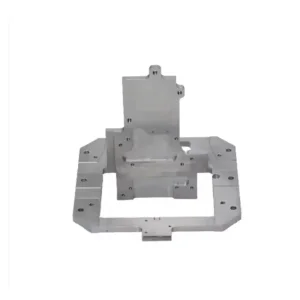
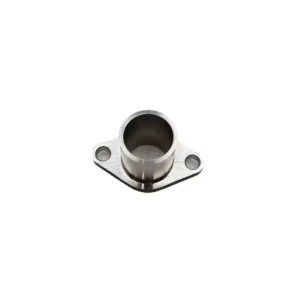
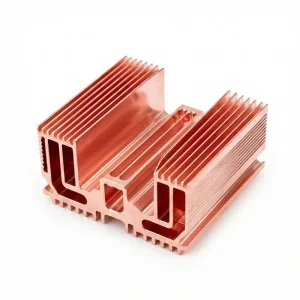
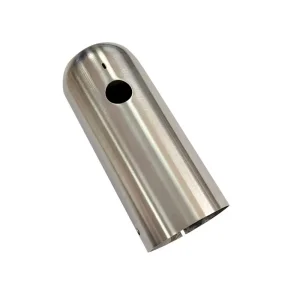
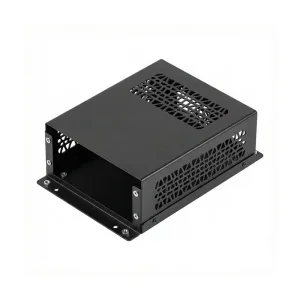
Explore our specialized industrial assemblies, turned components, casting services, and advanced enclosure systems.
Frequently Asked Questions (Technical Sourcing FAQ)
In-depth engineering answers for procurement managers, tooling engineers, and global OEM buyers.