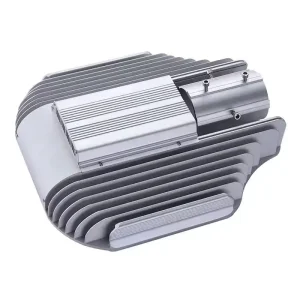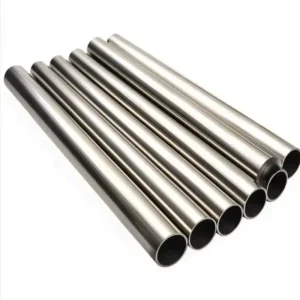
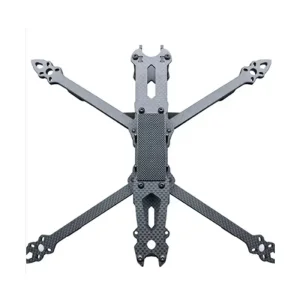
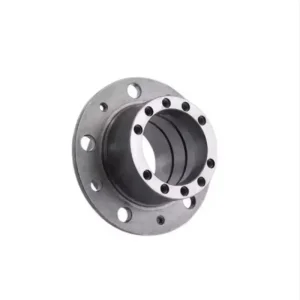
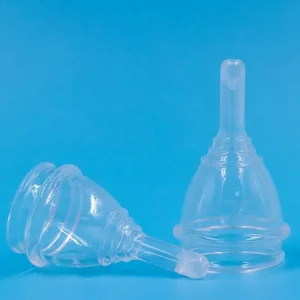
Featured Precision Components & OEM Manufacturing Portfolio
Explore our multi-process industrial manufacturing capabilities alongside custom PVC engineering
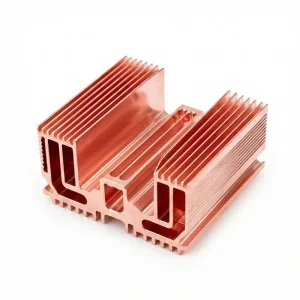
Polymer Rheology & Technical Fundamentals of PVC Injection Molding
A comprehensive analysis of thermal degradation windows, shear rate dynamics, and plasticizer formulation in custom injection manufacturing.
Polyvinyl Chloride (PVC) stands as one of the most versatile thermoplastic polymers utilized in modern manufacturing. However, from an injection molding perspective, PVC represents one of the most complex materials to process successfully. Unlike standard polyolefins such as Polypropylene (PP) or Polyethylene (PE), PVC is inherently thermally sensitive, possessing a narrow processing temperature window situated perilously close to its thermal degradation threshold.
As a leading China PVC injection molding manufacturer and factory, mastering the rheology of both Rigid PVC (uPVC / PVC-U) and Flexible PVC (pPVC / PVC-P) requires deep domain expertise. When unplasticized PVC (uPVC) is subjected to excessive shear stress or temperatures exceeding 200°C (392°F), the polymer backbone undergoes rapid dehydrochlorination. This reaction liberates corrosive Hydrogen Chloride (HCl) gas, which causes polymer chain scission, severe surface discoloration, and catastrophic pitting corrosion on standard mold steels.
Material Formulation Matrix: uPVC vs. Flexible PVC
| Polymer Metric | Unplasticized PVC (uPVC / PVC-U) | Flexible PVC (pPVC / PVC-P) | Engineering Implication |
|---|---|---|---|
| Plasticizer Content | 0% to 5% (Stabilizer/Lubricant blend) | 20% to 50% (phthalate/non-phthalate) | Determines Shore hardness (60A to 95A vs. Shore D 80+) |
| Melt Flow Index (MFI) | Extremely Low (High Viscosity) | Moderate to High Flowability | uPVC requires specialized high-torque injection units |
| Processing Window | 160°C – 180°C (320°F – 356°F) | 170°C – 190°C (338°F – 374°F) | Requires closed-loop PID barrel heating control |
| Linear Mold Shrinkage | 0.2% – 0.5% (Extremely Stable) | 1.0% – 2.5% (Variable) | Directly impacts cavity steel dimension calculation |
| Corrosive Byproduct Risk | Severe (High HCl gas release risk) | Moderate (Dependent on stabilizer grade) | Mandates bimetallic barrels & chrome-plated mold steel |
Pro Engineering Insight: Calcium-Zinc (Ca-Zn) Stabilizer Transition
Global regulatory frameworks including EU REACH and RoHS 3 have phased out heavy-metal stabilizers (such as Lead and Cadmium). Modern Chinese PVC injection molding facilities utilize advanced Ca-Zn organic thermal stabilizers. These compounds neutralize liberated HCl without compromising the mechanical integrity or clarity of the molded part.
Competitive Advantages of Sourcing PVC Injection Molding from China
How localized industrial clusters, advanced machinery, and complete chemical supply chains drive efficiency for global buyers.
Integrated Upstream Chemical Supply Chain
China accounts for over 45% of global PVC resin production. Local access to raw polymer suppliers (Sinopec, Formosa Plastics, Formosa PVC) eliminates supply disruptions, enabling rapid compounding with specialized flame retardants, UV absorbers, and impact modifiers at wholesale cost structures.
Specialized PVC Tooling Infrastructure
Molding PVC demands tooling modified specifically for corrosive, shear-sensitive polymers. Chinese tooling centers integrate S136, Stavax, and DIN 1.2083 stainless steel mold cavities featuring hard-chrome mirror plating, high-torque screw drives, and dedicated venting profiles.
High-Precision Servo-Electric Molding Machinery
Leading factories in Shenzhen and Ningbo deploy modern injection machines equipped with anti-corrosive bimetallic screws, specialized high-pitch barrel cooling fans, and dynamic pressure transducers to ensure zero flash and sub-gram shot consistency.
Industry-Specific Macro Solutions & Global Application Scenarios
From medical fluid management to heavy industrial electrical distribution, custom engineered PVC parts solve critical mechanical challenges.
1. Medical & Life Sciences
In medical device manufacturing, plasticizer-free or non-DEHP flexible PVC compounds are molded into fluid connectors, IV drip chambers, respiratory masks, and dialyzer components. Molded in ISO Class 8 cleanroom facilities, these products comply with ISO 10993 cytotoxicity and USP Class VI biocompatibility protocols.
2. Municipal Infrastructure & Construction
Unplasticized PVC (uPVC) is unmatched for Drain-Waste-Vent (DWV) fittings, high-pressure pipe couplings, electrical conduit junction boxes, and subterranean valve boxes. Possessing supreme chemical resistance against aggressive soils, alkalis, and acids, injection molded uPVC fittings provide a certified 50+ year operational lifespan.
3. Automotive & Transportation Engineering
Flexible PVC formulations engineered for automotive applications deliver exceptional ozone resistance, sound damping, and mechanical flexibility across temperature ranges from -40°C to +105°C. Primary components include door harness grommets, air intake bellows, interior boot seals, and protective chassis cable channels.
4. Electrical Enclosures & Electronics
Rigid PVC compounds modified with flame retardants achieve UL94 V-0 and 5VA ratings without sacrificing tensile strength. Ideal for terminal block housings, switchboard covers, wire ducting, and power tool enclosures where dielectric strength and self-extinguishing properties are strict safety requirements.
Specialized PVC Tool Design & Injection Process Optimization
A deep dive into mold metallurgy, gate placement, venting, and scientific molding protocols engineered specifically to eliminate PVC degradation.
Tool design for standard polymers like ABS or PC often leads to failure when applied directly to PVC. Due to its high melt viscosity and high thermal sensitivity, a custom PVC injection molding mold must incorporate strict geometric guidelines to avoid stagnant melt zones (dead spots) where material can overheat and decompose.
1. Mold Steel Selection & Anti-Corrosion Plating
Standard P20 or NAK80 steel is insufficient for long production runs of PVC due to chemical attack from free chlorine radicals. Reliable Chinese factories utilize high-chromium stainless mold steels:
- AISI 420 / DIN 1.2083 (Stavax): Vacuum heat-treated to 48–52 HRC. Provides superior resistance to acid corrosion and high abrasive wear resistance against mineral-filled PVC formulations.
- Hard Chrome Plating: All runner channels, gates, and mold cavity faces undergo a 20–30 micron electrolytic hard chrome plating to act as a barrier shield against chemical degradation.
2. Runner System & Gate Geometry Design
To minimize shear heating and pressure loss, specific runner geometries are mandated:
- Full Round Runners: Diameter sizes from 6mm to 10mm are standard. Half-round or trapezoidal runners induce non-uniform shear stress, triggering premature gelation or degradation along channel margins.
- Submarine & Fan Gates: Fan gates are preferred for flat uPVC components to distribute melt evenly. Submarine (pinpoint) gates must feature generous entry angles (minimum 1.5mm diameter) to prevent shear burning during high-velocity injection phases.
- Generous Draft Angles: Due to the rigid molecular structure of uPVC, draft angles must be specified at 1.5° to 3.0° per side to prevent scuff marks and facilitate clean ejection.
| Molding Defect | Root Cause in PVC Processing | Engineering Mitigation Strategy |
|---|---|---|
| Burn Marks / Black Specks | Melt stagnation in barrel dead spots or extreme shear in undersized gates. | Eliminate sharp corners in nozzle; implement zero-land reverse taper nozzles; lower screw RPM. |
| Jetting / Snake Lines | High-velocity melt stream entering cavity without impinging on cavity walls. | Redesign to tab gates or overlap gates; implement profiling to slow injection speed at gate entry. |
| Sink Marks | High thermal contraction in thick wall sections combined with insufficient pack pressure. | Maintain 1:0.6 rib-to-wall ratio; optimize hold pressure profile using Scientific Moldflow Analysis. |
| Brittle Fracture | Polymer molecular degradation from excessive melt temp or high regrind content. | Cap virgin-to-regrind ratio at maximum 15%; verify melt temperature via probe pyrometer checks. |
Global OEM Procurement Guide: Auditing a Chinese PVC Factory
Risk mitigation framework for international procurement managers, quality engineers, and supply chain directors.
1. Technical DFM & Moldflow Execution
Prior to steel cutting, demand a complete Design for Manufacturability (DFM) report. Ensure the manufacturer conducts computer-simulated Moldflow analysis mapping fill patterns, volumetric shrinkage, air traps, and weld line predictions specific to PVC viscosity curves.
2. Verification of Machinery Specifications
Verify that the factory isolates PVC production on dedicated injection molding machines. Machines must feature bimetallic barrels (nitrided or ceramic coated), specialized PVC screws with a L/D ratio of 18:1 to 20:1, low compression ratios (1.5:1 to 2:1), and external air-cooling jackets on the barrel zones.
3. Quality Assurance & Material Traceability
Top-tier suppliers provide full material certification with every lot. Ensure your partner offers Spectrophotometer color matching, CMM (Coordinate Measuring Machine) dimensional validation, Melt Flow Index (MFI) batch testing, and official RoHS/REACH compliance documentation.
Industry Horizon: Technological Innovations in PVC Injection (2025–2030)
How bio-based plasticizers, micro-injection techniques, and AI closed-loop processing are transforming Chinese manufacturing.
Bio-Based & Sustainable PVC Compounds
To comply with global ESG goals, Chinese compounding labs are scaling Bio-PVC derived from pine wood tall oil byproducts, alongside non-phthalate bio-plasticizers (such as Epoxidized Soybean Oil - ESO). These innovations yield up to a 60% reduction in carbon footprint while maintaining classic mechanical characteristics.
AI-Powered Closed-Loop Process Control
Smart factories in Shenzhen are implementing IoT sensor arrays directly inside the mold cavity. Dynamic piezoelectric pressure sensors communicate with machine controllers in real-time, instantly adjusting injection speed profiles and packing pressures shot-by-shot to eliminate part weight variation.
Micro-Injection Molding of Precision PVC Fittings
Driven by miniaturization in medical diagnostics and micro-fluidics, modern tooling enables micro-molding of sub-gram PVC parts with wall thicknesses down to 0.4mm, holding tight mechanical tolerances under ±0.005mm.
Frequently Asked Questions (Technical & Procurement Q&A)
Clear, authoritative technical answers to common engineering questions regarding China PVC injection molding projects.
Why does PVC require dedicated injection units and specialized barrel designs?
What tool steel is recommended for long-run PVC injection molds?
How does a Chinese PVC manufacturer handle environmental and REACH/RoHS compliance?
What are the primary differences in shrinkage when molding uPVC vs. Flexible PVC?
How do engineers prevent sink marks in thick-walled uPVC pipe fittings?
What documentation is provided during the First Article Inspection (FAI)?
Additional OEM Parts & Specialized Manufacturing Capabilities
Explore our complete portfolio across optics, medical silicone, structural metals, and custom polymers