
China Polycarbonate Molding Products & Quotes
Engineering White-Paper: Advanced Thermoplastic Injection Molding, Optical & Structural PC Components, Rapid Tooling Capabilities, and OEM Supply Chain Optimization in China
Featured Custom Components & Product Quotes
Explore our high-precision CNC machined, metal stamped, and custom molded component solutions exported directly from our audited Shenzhen facilities.
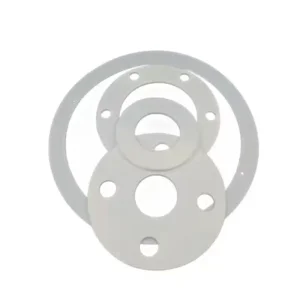
China High Precision CNC Turned White PTFE Washer Gasket
Request Product Quote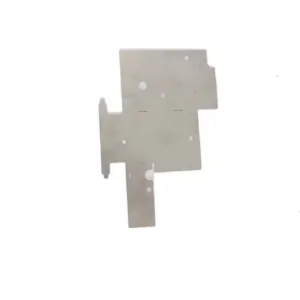
Custom Laser Cut & Welded Heavy Equipment Control Panels
Request Product Quote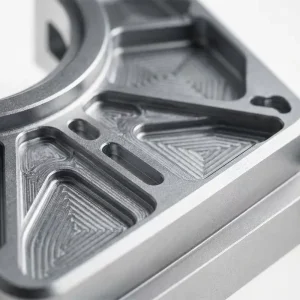
Custom Lightweight Aerospace Structural Components
Request Product Quote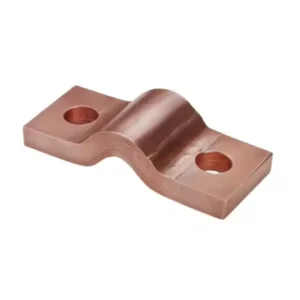
China Custom Flexible Laminated Copper Busbar for Battery
Request Product Quote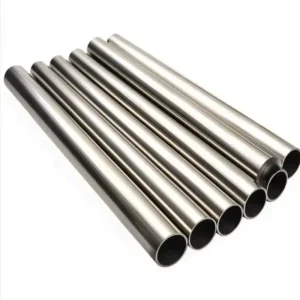
OEM Custom Precision Capillary Stainless Steel Pipe Tube 1-8mm
Request Product Quote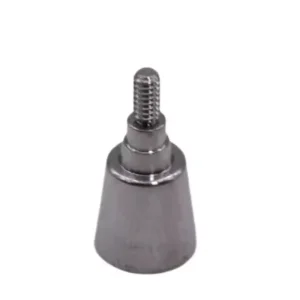
Custom CNC Turned Titanium Abutment Implant Driver
Request Product Quote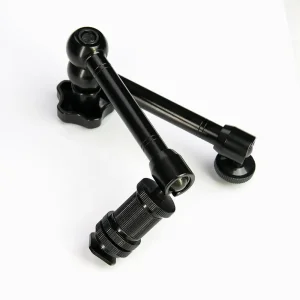
7-Inch CNC Aluminum Articulating Magic Arm for Camera & Monitor
Request Product Quote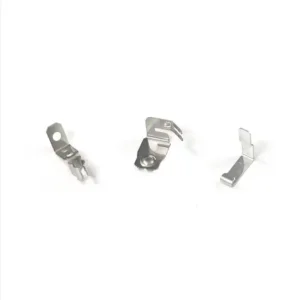
China Custom Battery Contacts for AG13 CR2032 CR2450 Coin Cells
Request Product QuoteFundamental Polymer Physics & Selection Criteria for Polycarbonate (PC) Molding
Polycarbonate (PC) is a high-performance amorphous engineering thermoplastic characterized by exceptional impact resistance, high dimensional stability, thermal endurance, and outstanding optical transparency. In modern global manufacturing—particularly when procuring from specialized Chinese OEM facilities like Shenzhen Sunmy Hardware Co., Ltd.—understanding the polymer rheology, thermal behavior, and grade selection of polycarbonate is crucial for engineering resilient components that meet international compliance metrics.
At a molecular level, polycarbonate is synthesized via the polycondensation of bisphenol A (BPA) and phosgene ($C_3H_6O_2 + COCl_2$) or transesterification with diphenyl carbonate. The carbonate linkage ($-O-C(=O)-O-$) imparting backbone rigidity, combined with bulky aromatic rings, prevents easy crystallization. This amorphous structure is precisely what yields up to 90% light transmission in unfilled grades, competing directly with inorganic optical glass while offering 250 times the impact strength of standard glass and 30 times that of acrylic (PMMA).
Comparison Matrix: Polycarbonate Grades & Polymer Blends
| Polycarbonate Grade / Blend | Tensile Yield Strength (MPa) | Flexural Modulus (GPa) | Izod Impact (kJ/m²) | Heat Deflection Temp (HDT @ 1.8 MPa) | Primary Industry Application |
|---|---|---|---|---|---|
| Optical Grade PC (Unfilled, High Clarity) | 60 - 65 | 2.3 - 2.4 | 60 - 80 (No Break) | 125°C - 132°C | Automotive Lenses, Medical Microfluidics, LED Light Guides |
| 10% - 30% Glass-Fiber Reinforced (PC-GF) | 85 - 140 | 4.5 - 8.5 | 10 - 18 (Notched) | 140°C - 148°C | Aerospace Structural Frames, Heavy Machinery Housings |
| Flame Retardant PC (UL94 V-0 Rated) | 65 - 72 | 2.4 - 2.6 | 45 - 60 | 130°C - 138°C | EV Battery Enclosures, Smart Grid Metering, Server Racks |
| PC / ABS Alloy (High Ductility Blend) | 50 - 60 | 2.1 - 2.4 | 40 - 55 | 105°C - 120°C | Automotive Dashboards, Medical Instrument Casings |
| PC / PBT Alloy (Chemical Resistant) | 55 - 65 | 2.0 - 2.3 | 35 - 50 | 110°C - 125°C | Outdoor Telecom Junction Boxes, Harsh Chemical Valve Bodies |
High-Precision Mold Design & Injection Processing Parameters
Achieving defect-free polycarbonate molding requires rigorous control over resin pre-drying, tool steel selection, runner design, and moldflow simulation.
Dehumidifying & Pre-Drying Protocol
Polycarbonate is highly hygroscopic. Moisture levels exceeding 0.02% cause hydrolysis during thermal processing, severely degrading molecular weight and impact strength.
- Drying Temperature: 120°C ± 5°C
- Desiccant Dew Point: Below -40°C
- Drying Duration: 3.5 to 5 Hours Minimum
- Hopper Moisture Control: Sealed Vacuum Loaders
Tooling Steel & Runner Architecture
Because PC requires high injection pressures and can contain abrasive fillers (glass fibers), tool steel durability and runner geometry are critical.
- Cavity/Core Steel: NAK80, S136 (Mirror Polished), or H13 (52-54 HRC)
- Gate Types: Edge Gate, Submarine Gate, or Valve-Gated Hot Runner
- Cold Slug Wells: Ample depth to catch initial cold melt front
- Draft Angles: 1° to 2° for clear PC, 2° to 3° for glass-filled PC
Injection Cycle & Annealing Protocol
Controlling cooling rate and residual stress distribution prevents optical distortion (birefringence) and micro-cracking during long-term service.
- Melt Temperature Range: 280°C - 315°C
- Mold Wall Temperature: 85°C - 115°C
- Holding Pressure: 60% - 80% of Injection Pressure
- Thermal Annealing: 120°C hot air bath for 1-2 hours (if required)
China Supply Chain Advantages & Shenzhen Manufacturing Synergies
The global manufacturing landscape relies heavily on China for precision polymer molding, rapid mold fabrication, and integrated electro-mechanical assembly. Operating out of Shenzhen—the innovation capital of China’s Guangdong-Hong Kong-Macao Greater Bay Area—Sunmy Hardware encapsulates the technical agility, cost structure, and supply chain speed that global enterprises demand when procuring high-volume polycarbonate molded components.
1. Complete Vertical Integration under One Roof
Polycarbonate molding rarely exists in isolation. Modern OEM products require multi-material integration, metal inserts, surface coatings, and tight-tolerance secondary machining. At Sunmy Hardware, our facility seamlessly connects plastic injection molding with secondary processes including:
- CNC Machining & Post-Trimming: 3, 4, and 5-axis high-speed CNC milling centers capable of machining tight-tolerance features (down to ±0.005mm) on molded PC housings, optical lens mounts, and metallic inserts.
- Overmolding & Insert Molding: Precision placing of CNC-turned brass, copper busbars, stainless steel threaded studs, or titanium pins into PC molds to create robust composite electrical assemblies.
- Surface Finishing & Vapor Polishing: Specialized optical surface treatment including solvent vapor polishing (using THF/DCM under controlled cleanroom environments), hard-coat anti-scratch anodizing for metal frames, UV-curable hard coatings, and EMI/RFI conductive shield painting.
- Metal Stamping & Wire Forming: In-house progressive stamping presses producing custom battery contacts, leaf springs, and EMI shields to be assembled directly into molded polycarbonate enclosures under a single Purchase Order (PO).
2. Rapid Tooling & Accelerated Lead Times
Time-to-market is a core strategic lever. Western tooling manufacturers often require 8 to 12 weeks to deliver production injection molds. Utilizing automated CNC EDM (Electrical Discharge Machining), high-speed wire EDM, and computerized Moldflow analysis, Chinese toolmakers complete T1 sample approval in as few as 15 to 21 calendar days for prototype tooling, and 25 to 30 days for multi-cavity hardened production tooling.
Global Enterprise Procurement & Regulatory Compliance Framework
We eliminate sourcing risk through international standard certifications, rigorous CMM inspection, traceable raw materials, and strict intellectual property protection.
Quality Management Systems
Our operations comply with ISO 9001:2015 for precision manufacturing and IATF 16949 standards for automotive-grade components.
Traceable Material Certification
Every batch of Polycarbonate resin is accompanied by original Mill Test Reports (MTR), UL Certificate of Compliance, and RoHS/REACH SVHC declarations.
CMM & Metrology Metrology Reports
100% dimensional inspection on critical tolerances executed via automated Zeiss Coordinate Measuring Machines (CMM) and optical profile projectors.
IP Protection & NDA Standard
Strict non-disclosure agreements executed before file transfer. Client CAD files are stored on isolated, encrypted servers with zero broker sharing.
Localized Polycarbonate Application Scenarios & Engineering Case Studies
From automotive LIDAR covers to medical diagnostic cartridges, examine how high-grade polycarbonate solves complex material challenges.
Automotive Autonomous Driving & Lighting
Application: LIDAR Sensor Covers, Adaptive Headlamp Lenses, and HUD Reflector Mirrors.
Technical Requirement: Near-infrared (NIR) transparency (850nm to 1550nm wavelength band) combined with UV-stabilized anti-yellowing performance and rock-impact resistance.
Sunmy Solution: Injection molded using optical IR-transmissive polycarbonate, hard-coated with siloxane UV protection, meeting ISO 16750 environmental standards.
Medical Microfluidics & Surgical Devices
Application: Point-of-care (POC) diagnostic cassettes, blood oxygenator housings, and surgical instrument handles.
Technical Requirement: ISO 10993 biocompatibility, Gamma/EtO sterilization compatibility, lipid resistance, and crystal-clear channel visualization.
Sunmy Solution: Molded in a Class 100,000 cleanroom utilizing medical-grade, BPA-free lipid-resistant PC resin with ultrasonic welding joint interfaces.
EV Battery Energy Storage Enclosures
Application: High-voltage junction box covers, battery cell holders, and busbar insulating shields.
Technical Requirement: Flame retardancy rating of UL94 V-0 at 0.75mm thickness, high CTI (Comparative Tracking Index > 250V), and thermal stability up to 130°C.
Sunmy Solution: 20% Glass-Fiber reinforced UL94 V-0 PC molding with co-molded laminated copper busbars in a unified cycle.
Emerging Innovations & Future Trends in Polycarbonate Molding
As global industries transition toward circular economies, electrify mobility, and miniaturize high-frequency electronics, Polycarbonate molding technology is advancing rapidly across several core fronts:
1. Bio-Attributed & Recycled Polycarbonates (Mass Balance Approach)
Environmental regulations such as the EU Corporate Sustainability Due Diligence Directive (CSDDD) drive demand for sustainable thermoplastics. Leading resin suppliers are manufacturing bio-attributed polycarbonate using renewable feedstocks (such as ISCC PLUS certified tall oil and agricultural waste). These bio-based PCs match fossil-based PC performance 1:1 in mechanical strength, heat deflection, and optical clarity, enabling seamless drop-in manufacturing without modifying existing injection tooling.
2. Micro-Injection Molding for Optoelectronics & Wearables
The proliferation of Smart Glasses, AR/VR headsets, and wearable medical sensors requires micro-molded polycarbonate components weighing less than 0.1 grams with wall thicknesses under 0.3mm. Utilizing specialized micro-molding injection units featuring 12mm-14mm screws, dynamic mold temperature control (Variotherm technology), and femtosecond laser-textured mold surfaces, manufacturers can eliminate flow lines and achieve nano-scale optical surface finishes.
3. Multi-Material Overmolding with Liquid Silicone Rubber (LSR)
To produce IP67 and IP68 waterproof smart devices, two-shot (2K) molding combining Polycarbonate substrates with Liquid Silicone Rubber (LSR) or Thermoplastic Elastomers (TPE) is replacing traditional manually-applied foam gaskets. The chemical bonding between modified PC resins and self-adhesive LSR yields airtight, vibration-dampening seals capable of surviving rigorous drop testing and IPX8 immersion.
Polycarbonate Injection Molding Technical FAQ
Answers to critical questions asked by procurement directors, quality auditors, and chief design engineers.
What causes stress cracking (environmental stress cracking - ESC) in molded PC parts, and how is it mitigated?
How does Sunmy Hardware ensure bubble-free clarity in thick-walled optical Polycarbonate parts?
What standard dimensional tolerances can be held for custom injection molded PC parts?
What minimum order quantity (MOQ) and lead times apply for custom tooling and production quotes?
How are intellectual property rights and CAD drawings protected when manufacturing in China?
Precision OEM Component & Quote Catalog
Explore additional precision manufactured metal and polymer components produced by Shenzhen Sunmy Hardware Co., Ltd.
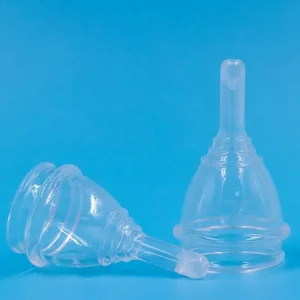
ODM Custom Medical Grade LSR Components & Precision Silicone Parts
Request Product Quote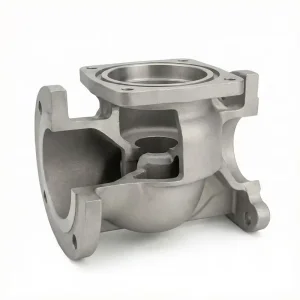
Custom Stainless Steel Valve Body Precision Machined Components
Request Product Quote
High-Quality Custom Flexible Laminated Copper Busbar
Request Product Quote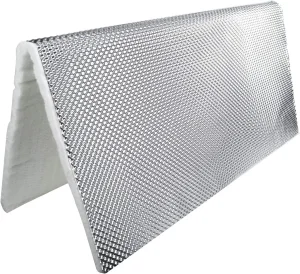
China 6 mm Embossed Stainless Steel Exhaust Heat Shield
Request Product Quote
China Lightweight Aerospace Structural Components Factory Solution
Request Product Quote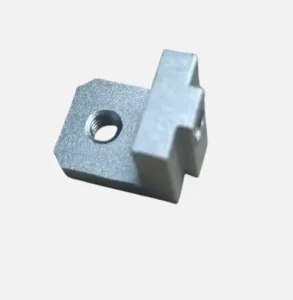
ODM Custom CNC Milled Aluminum Alloy Right Angle Mounting Bracket
Request Product Quote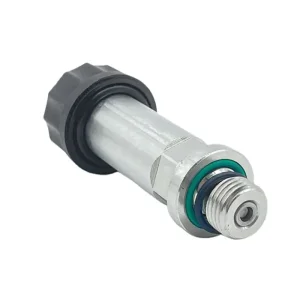
China High-Performance Hydraulic Solenoid Valve Core CNC Parts
Request Product Quote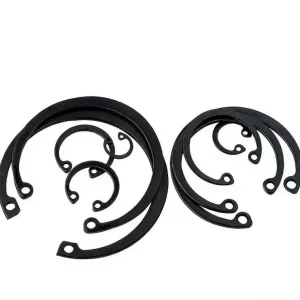
Premium DIN 471 C-Type External Retaining Rings Fasteners
Request Product QuoteRequest an Engineering Quote & DFM Review Within 24 Hours
Send us your 3D CAD files (STEP, IGES, STL, DWG) or physical sample specifications. Our engineering team will review your project for manufacturability, mold flow optimization, and unit cost efficiency.
Submit CAD Drawings & Technical Requirements