
Precision OEM/ODM Hardware & Silicone Solutions
Engineered parts verified through CMM dimensional reports, FAI analysis, and strict quality assurance standards.
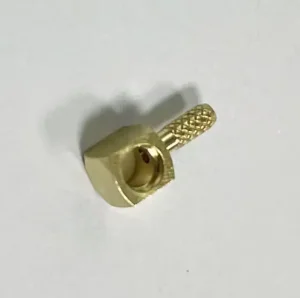
ODM Custom CNC Machining Brass Insert Connector with Knurled Pin OEM Service, Exporter
View Product Specs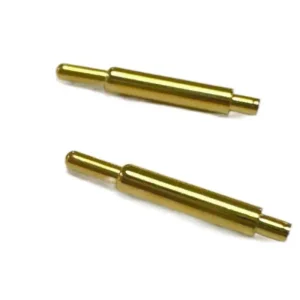
ODM High-Precision Gold-Plated Brass Pogo Pins for PCB - China Factory Suppliers Custom Connectors Manufacturers, Factories
View Product Specs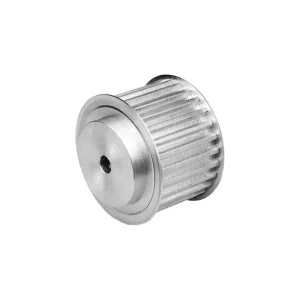
OEM Custom CNC Machined HTD 3M Aluminum Timing Belt Pulley Suppliers, Service
View Product Specs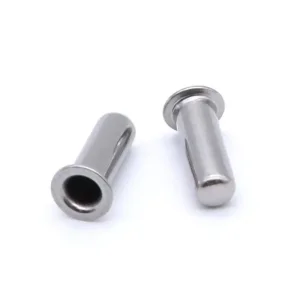
China Custom SS316 Deep Drawn Closed-End Flanged Sensor Housing for Temperature Probes (4mm OD) Manufacturers, Factories
View Product Specs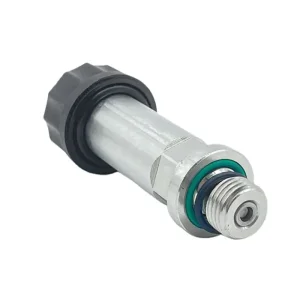
China High-Performance Hydraulic Solenoid Valve Core - Precision CNC Turned Excavator Parts by China Suppliers & Factory Manufacturers, Factory
View Product Specs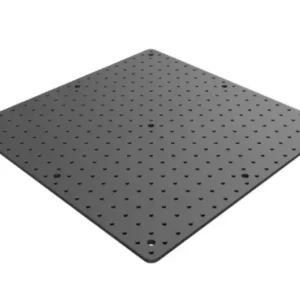
High-Quality China Suppliers Factory for Custom Precision CNC Machining Non-Standard Solid Aluminum Optical Breadboard Manufacturers, Products
View Product Specs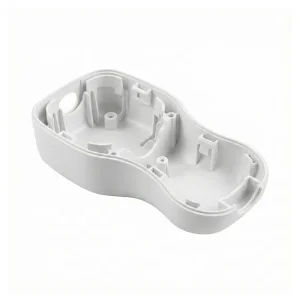
ODM Custom Medical Device Housing from China Suppliers and Factory - High-Quality Solutions for Your Needs Manufacturer, Exporter
View Product Specs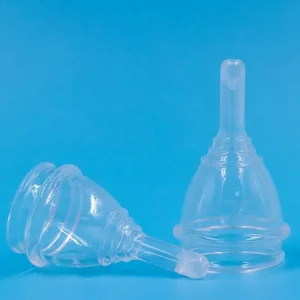
ODM Custom Medical Grade LSR Components | China Suppliers & Factory for Precision Silicone Parts Exporters, Factory
View Product SpecsGlobal Commercial & Industrial Landscape of Liquid Silicone Rubber (LSR)
Understanding the material shift from High Consistency Rubber (HCR) to Platinum-Cured Liquid Silicone Elastomers in high-reliability applications.
High Thermal & Chemical Stability
LSR components maintain structural elasticity and mechanical integrity across extreme temperature spectrums (-60°C to +250°C). Unlike conventional organic elastomers, platinum-cured liquid silicone exhibits superior compression set resistance, UV immunity, and minimal outgassing properties critical for aerospace and medical optics.
Market Growth Drivers
The global LSR molding market is expanding at a projected CAGR of 8.4%, propelled by demand in micro-fluidic medical devices, IP68 wearable electronics, electric vehicle (EV) battery module sealants, and high-voltage connector isolators requiring bio-compatibility (ISO 10993 / USP Class VI) and flame retardancy (UL 94 V-0).
Fully Automated Production
Modern LSR liquid injection molding (LIM) leverages closed-loop meter-mix dosing pumps (1:1 ratio) directly into cooled runner systems. Fast curing cycle times (15 to 45 seconds depending on wall thickness) eliminate labor-intensive secondary finishing, enabling flashless, zero-defect mass production.
| Performance Metric | Liquid Silicone Rubber (LSR) | High Consistency Rubber (HCR) | Thermoplastic Elastomer (TPE) |
|---|---|---|---|
| Curing System | Addition-Cured (Platinum Catalyst) | Peroxide / Heat Vulkanization | Physical Crosslinking (Melting) |
| Thermal Range | -60°C to +250°C (Continuous) | -50°C to +200°C | -40°C to +120°C |
| Compression Set (22h @ 175°C) | Ultra-Low (< 15%) | Moderate (25% - 40%) | High (> 55% / Fails under heat) |
| Flash & Tolerance Precision | Flashless (±0.01mm tooling) | Requires Manual Trimming | Standard Molded (±0.05mm) |
| Biocompatibility | Cytotoxicity / ISO 10993 Approved | Requires Extractable Wash | Variable / Plasticizer Risk |
Why Engineering Teams Partner with China ODM/OEM LSR Manufacturers
Combining localized industrial clusters, advanced multi-axis CNC toolmaking, and agile prototype-to-mass-production workflows.
Rapid Tooling Velocity
Western tooling lead times typically range from 8 to 14 weeks. Specialized Shenzhen/Guangdong tooling facilities deliver high-precision hardened steel LSR molds (S136/H13, HRC 52-56) with cold runner valve-gate systems in just 14 to 21 business days, accelerating product market launch.
2K Multi-Material Overmolding
Chinese ODM manufacturers lead in complex 2-component (2K) molding—chemically bonding LSR directly to engineering thermoplastics (PA66, PBT, PC, PEEK) or stainless steel/brass inserts without primers, creating hermetic IP68 seals in a single automated cell.
Total Cost of Ownership (TCO)
Leveraging integrated material supply chains (Wacker, Dow Corning, Momentive, Shin-Etsu) alongside in-house CMM verification reduces mold fabrication expenditure by 40-60% while maintaining identical dimensional accuracy and zero defect yield targets.
Design for Manufacturability (DFM) in LSR Tooling
Liquid silicone possesses extremely low viscosity at room temperature, requiring ultra-precise engineering to prevent flash and air entrapment.
Flash Control & Tolerancing
Uncured LSR flows into gaps as small as 2 to 5 microns (0.002mm - 0.005mm). Mold parting lines must be ground and fitted under high-magnification optical scanners. Vacuum evacuation channels (-0.95 bar) are essential prior to high-pressure injection to eliminate micro-air pockets and diesel burn defects.
Wall Thickness & Draft Angles
Unlike rigid plastics, LSR does not require generous draft angles due to its elastic memory during ejection. Wall thicknesses can range from ultra-thin diaphragms (0.2mm) to heavy cross-sections (10mm+). Uniform wall transitions prevent localized curing speed variations and thermal shrink stress.
Cold Runner Valve-Gate Systems
To prevent premature material curing (vulcanization) inside the runner, LSR molds utilize water-cooled cold runner blocks maintained at 20°C–25°C, while the mold cavity plates are electrically heated to 170°C–200°C. Direct pneumatic valve gates ensure zero-waste sprues.
Self-Bonding LSR Formulations
For multi-shot 2K molding, modified self-bonding LSR grades contain integrated adhesion promoters that crosslink chemically with substrate resins (e.g., PA66, PBT) under temperature, achieving cohesive bond failure (silicone tears before interface separates) without chemical wash primers.
High-Precision Industrial & Medical Applications
LSR parts are critical components across mission-critical systems worldwide.
Medical & Healthcare
Respiratory masks, check valves, fluidic peristaltic pump tubing, needleless access valves, catheter cuffs, and implantable elastomeric seals molded in Class 8 cleanrooms.
Automotive & Electric Vehicles
Weatherpack wire harness seals, high-voltage battery connector grommets, optical LSR LED headlights, matrix lenses, and turbocharger bypass diaphragms.
Smart Consumer Electronics
IP68 waterproof smartphone speaker membranes, smartwatch wristbands, earbud tips, acoustic dampers, and micro-switch keypads with custom tactile durometer responses.
Industrial IoT & Hydraulics
Extreme-duty sensor seals, high-pressure solenoid valve core gaskets, chemical processing pump diaphragms, and isolated optical breadboard mounts.
Global Sourcing & Quality Audit Protocols
Ensuring total compliance from raw liquid silicone batch verification to final CMM dimensional validation.
Material Traceability & Certification
Every production batch includes full material lot traceability, Certificates of Analysis (CoA) from raw silicone suppliers (e.g., Wacker SilGel, Dow Corning SILASTIC), RoHS, REACH, and FDA 21 CFR 177.2600 compliance statements.
Inspection & Metrology
Because soft silicone deforms under tactile pressure, critical dimensions are measured using Non-Contact 2D/3D Video Measurement Systems, Keyence Optical Profilometers, and CMM touch probes calibrated for elastomeric compression.
Intellectual Property Protection
Direct factory sourcing contracts are governed by bilateral Non-Disclosure Agreements (NDAs). 3D CAD files (STEP/IGES) are kept within encrypted internal servers, bypassing third-party trading intermediaries.
Frequently Asked Questions by Hardware Engineers
Direct insights on tooling, tooling lifespans, material selection, and custom LSR fabrication.
What is the difference between Liquid Silicone Rubber (LSR) and High Consistency Rubber (HCR)?
How does 2K LSR overmolding achieve primerless adhesion to plastic or metal inserts?
What tolerances can be reliably held on custom LSR molded components?
How do you prevent flash on LSR components during high-pressure injection?
What is the typical mold lifespan for a production LSR liquid injection mold?
Additional OEM Precision Components & Assemblies
Explore our full engineering capabilities spanning CNC machining, metal stamping, casting, and multi-process hardware fabrication.
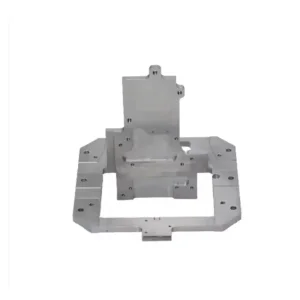
High-Quality High-Precision CNC Machined Brackets & Frames for Aerospace & Automotive | China Suppliers & Factory Manufacturer, Factories
View Product Specs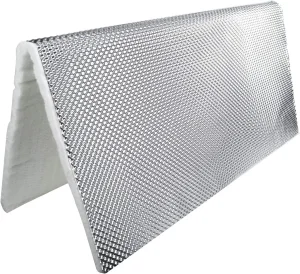
China 6 mm Embossed Stainless Steel Exhaust Heat Shield Product, Quotes
View Product Specs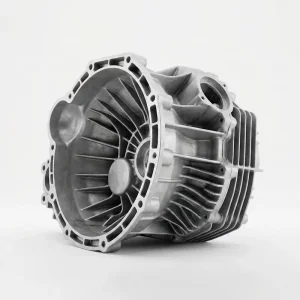
OEM Aluminum Die-Cast Transmission Housing Manufacturer, Product
View Product Specs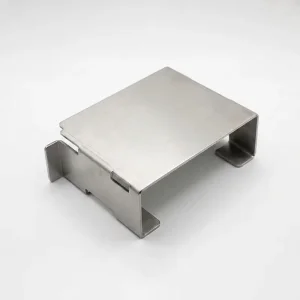
High-Quality Custom Stainless Steel Mounting Bracket from China Suppliers - High-Quality Production by Leading Factory Products, Exporter
View Product Specs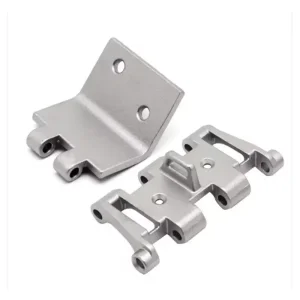
Custom Custom Stainless Steel Investment Casting & Precision Machining Parts from China Suppliers and Factory for Industrial Use Service, Quotes
View Product Specs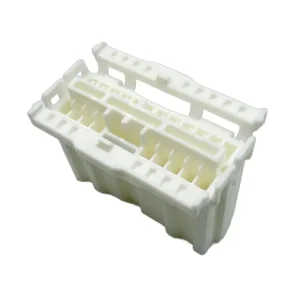
China High-Precision White PBT Automotive Connector Housing from China Factory - Reliable Suppliers for Electrical Solutions Manufacturer, Factories
View Product Specs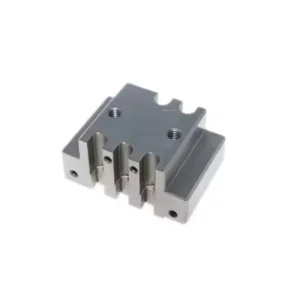
Custom OEM Precision CNC Machining Aluminum Parts - Custom Industrial Components from China Suppliers & Factory Service, Factory
View Product Specs