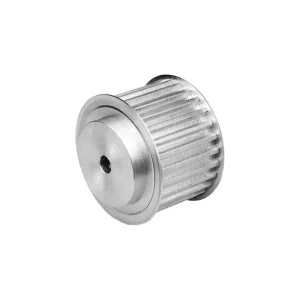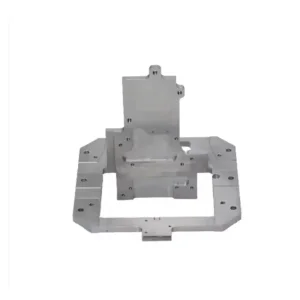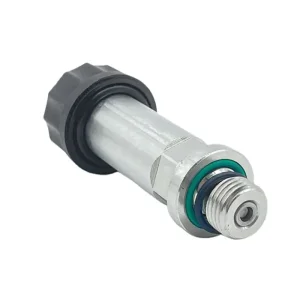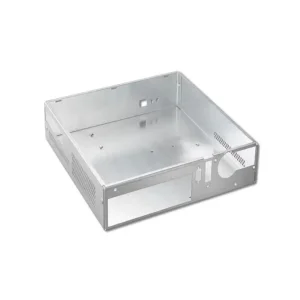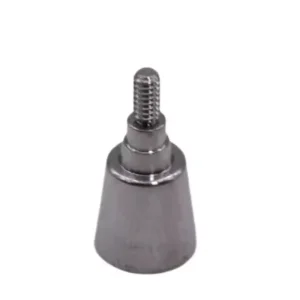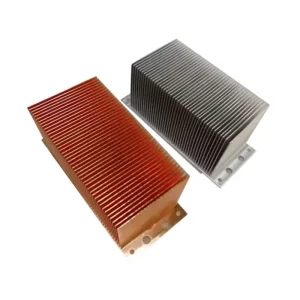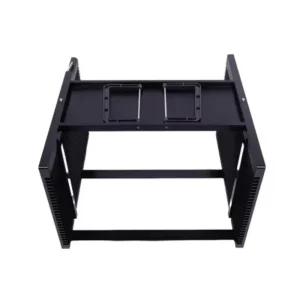
High-Precision OEM/ODM Product Lineup
Explore our CMM-verified, high-speed stamped components, CNC machined solutions, and medical-grade custom implants engineered for global OEM applications.
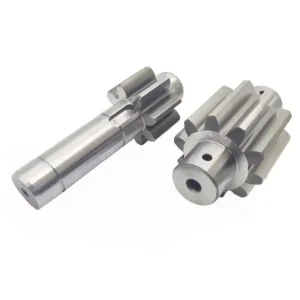

High-Speed Stamping: The Physics of Micro-Precision Manufacturing
Understanding the mechanical, metallurgical, and thermal dynamics driving modern ultra-high-speed progressive stamping systems.
In the contemporary landscape of high-precision electro-mechanical manufacturing, High-Speed Metal Stamping stands as the ultimate convergence of mechanical physics, materials science, and digital process optimization. Operating at press speeds ranging from 300 to over 2,000 strokes per minute (SPM), high-speed progressive stamping enables the ultra-repeatable, high-volume production of micro-miniature metal components with dimensional tolerances consistently held below ±0.002 mm (2 microns).
The Mechanical Architecture of High-Speed Progressive Tooling
Progressive die stamping operates by advancing a continuous metal strip (coil) through multiple sequential stations. At each stroke of the press, punch and die components perform specific operations—such as blanking, piercing, coining, embossing, forming, and bending—until a finished, highly complex three-dimensional micro-component is sheared from the carrier strip.
- Tungsten Carbide Tool Inserts: High-speed stamping die components utilize sub-micron grain tungsten carbide (WC) for punches and die buttons. This delivers exceptional wear resistance under millions of contact cycles, maintaining pristine cutting edges and preventing burr formation.
- Dynamic Stripper Systems & Guide Assemblies: Ball-bearing guide posts and precision stripper plates ensure absolute alignment between the upper and lower die sets. Misalignment by even 0.001 mm at 1,500 SPM can lead to catastrophic die collision.
- Sensors & Smart In-Die Monitoring: Modern ODM tooling integrates piezo-electric force sensors, laser displacement sensors, and acoustic emission probes within the die. These sensors detect strip misfeeds, slug pulls, or tool wear in real-time, instantly stopping the press within milliseconds to safeguard tooling integrity.
Macro Trends Reshaping Global High-Speed Stamping
Key technological shifts altering component specifications, alloy requirements, and precision thresholds across global supply chains.
Automotive Electrification & EV Busbars
The global transition to Electric Vehicles (EVs) and Hybrid Powertrains requires massive quantities of high-current copper terminals, battery cell interconnects, and flexible laminated busbars. High-speed stamping enables continuous reel-to-reel production of silver/tin-plated copper contacts capable of handling 800V+ architectures while resisting thermal fatigue.
Electronics & 5G/6G Miniaturization
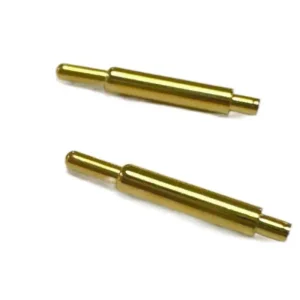
As consumer electronics, wearable devices, and AI hardware shrink in physical volume while increasing pin density, connectors demand ultra-fine pitch geometry (down to 0.2mm pitch). Stamping gold-plated brass pogo pins, board-to-board micro-headers, and EMI/RFI shielding cans requires high-speed stamping presses with zero frame deflection.
Medical Device Micro-Instrumentation
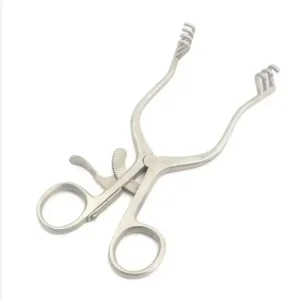
Modern surgical procedures rely heavily on minimally invasive instruments, surgical retractors, vascular clips, and implantable orthopedic hardware (e.g., titanium bone screws and spinal brackets). Stamping medical-grade stainless steels (316L, 17-4PH) and titanium alloys requires biocompatible lubricants and strict cleanroom post-processing.
China's Smart Manufacturing & Supply Chain Resilience
How Shenzhen's high-tech manufacturing hubs leverage IoT, automated optical inspection, and digital twin technology to provide unbeatable value and agility.
Over the past decade, China’s industrial sector has transitioned from conventional mass manufacturing to sophisticated Industry 4.0 Smart Factories. At the epicenter of this transformation is the Greater Bay Area (Shenzhen-Dongguan industrial corridor), where component raw material supply, precision tooling workshops, heat treatment, plating facilities, and logistics nodes operate in seamless physical proximity.
| Manufacturing Metric | Traditional Stamping Suppliers | Sunmy Hardware (Industry 4.0 ODM) |
|---|---|---|
| Tooling DFM & Design Speed | 2-3 Weeks (Manual CAD Review) | 24-48 Hours (AI-Assisted DFM & Simulation) |
| Press Speed Capabilities | 150 - 400 Strokes/Min (SPM) | 600 - 1,800+ Strokes/Min (SPM) |
| Quality Control Systems | Manual Off-line Batch Sampling | 100% In-Line AOI (Automated Optical Inspection) |
| Tooling Lead Time | 6 - 8 Weeks | 2 - 3 Weeks (Rapid Prototyping & T1 Tooling) |
| Dimensional Traceability | Basic Paper Inspection Reports | Full CMM, FAI & Material Cert Digital Traceability |
Key Drivers of Chinese OEM/ODM Efficiency
- Integrated Tooling Ecosystem: In-house wire-EDM (Electrical Discharge Machining), CNC optical profile grinding, and high-speed milling allow rapid adjustment of punch and die geometries without third-party delay.
- Surface Treatment Synergy: Integrated finishing processes—including gold, silver, nickel, and tin plating, along with skiving, electropolishing, and anodizing—happen under tight environmental controls, ensuring superior salt-spray corrosion resistance.
- Agile Supply Risk Mitigation: Dual-sourcing strategies for raw strip materials (phosphor bronze, beryllium copper, stainless steel, aluminum alloys) ensure zero production stoppages despite global market volatility.
What Global Procurement Teams Evaluate in an ODM Stamping Partner
De-risking hardware sourcing: A comprehensive checklist for VPs of Procurement, Supply Chain Directors, and Lead Engineering Teams.
Intellectual Property & Data Protection
Before any CAD file, STEP file, or 2D technical drawing is transferred, robust non-disclosure agreements (NDAs) must be executed. Sunmy Hardware operates direct factory-to-buyer data pipelines, eliminating unauthorized sub-contracting and third-party IP exposure.
Comprehensive Quality Documentation
Global medical, aerospace, and automotive standards demand full traceability. Every shipment includes Raw Material Mill Test Certificates (MTC), RoHS/REACH compliance documentation, First Article Inspection (FAI) reports, and CMM dimensional verifications.
Total Cost of Ownership (TCO) & Tooling ROI
While piece price is important, sophisticated buyers look at total die life, scrap rate optimization, maintenance intervals, and yield rates. High-efficiency progressive dies designed with modular inserts reduce total lifetime component cost by up to 35%.
Cross-Industry Engineering Applications
Deploying precision stamping, CNC machining, and specialized metal fabrication across mission-critical sectors.
Medical Instruments & Implants
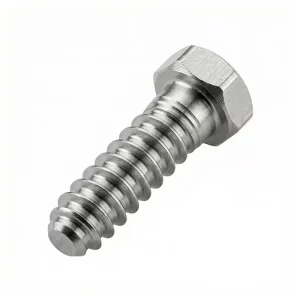
Use Cases: Custom surgical retractors, titanium bone screws, dental abutment connectors, diagnostic probe pins.
Technical Focus: Biocompatible surface finishes, zero-burr edge quality, stainless steel 316L passivation, and sub-micron CMM verification.
Robotics, Drones & Automation
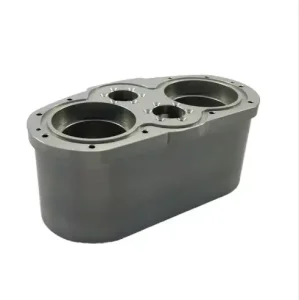
Use Cases: 5-Axis CNC universal joint bases, drone gearbox shells, stepper motor housings, robotic arm linkages.
Technical Focus: Lightweight aluminum alloys (7075-T6, 6061-T6), high strength-to-weight ratios, precise bearing bore alignment.
Telecom & Power Electronics
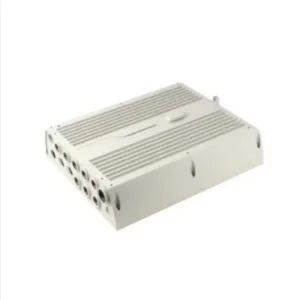
Use Cases: Gold-plated brass pogo pins, aluminum die-casting housings, skived fin copper heat sinks, electrical control enclosures.
Technical Focus: High thermal conductivity, low contact resistance, IP67 enclosure sealing, EMI shielding integrity.
Frequently Asked Technical & Procurement Questions
Clear, direct answers regarding tolerances, materials, lead times, and progressive die engineering capabilities.
More Precision Components & Assemblies
Explore our extended lineup of CNC turned parts, thermal heat sinks, aerospace brackets, and customized electrical enclosures.