Featured OEM Precision Components & Castings
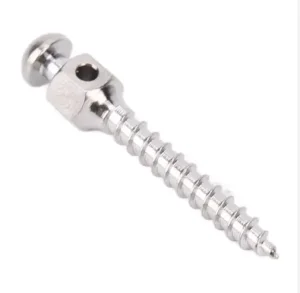
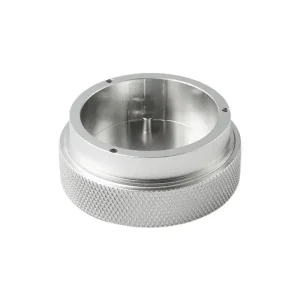
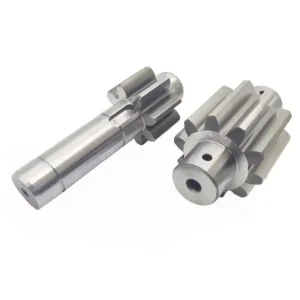
Explore our engineering capabilities across stainless steel investment casting, aluminum extrusion brackets, titanium micro-implants, and custom turned components.

Executive Whitepaper: Industrial Carbon Steel Casting Metallurgy & Manufacturing Engineering
A comprehensive technical analysis of carbon steel casting processes, alloy selection matrices, non-destructive testing regimes, and total cost of ownership optimization for procurement leaders.
Metallurgical Classification & Chemistry
Carbon steel castings are alloyed primarily with iron and carbon (0.05% to 2.0% C). The structural performance of cast carbon steel relies heavily on precise carbon equivalent (CE) calculations to prevent cracking during solidification and welding.
Low-Carbon Steel (C < 0.25%): Excellent weldability and ductility; ideal for structural brackets and pressure-retaining components requiring impact toughness at low temperatures (e.g., ASTM A352 LCB/LCC).
Medium-Carbon Steel (0.25% ≤ C ≤ 0.60%): Offers a balanced ratio of strength, toughness, and wear resistance. Ideal for hydraulic cylinders, valve bodies (ASTM A216 WCB/WCC), and heavy machinery hubs.
High-Carbon Steel (C > 0.60%): High hardness and superior abrasion resistance post heat-treatment; specified for mining equipment, crusher jaws, and heavy-duty gear blanks.
Precision Investment vs. Resin Sand Casting
Choosing the correct casting technology dictates dimensional tolerances, surface roughness (Ra), tooling investment, and post-processing costs:
Silica Sol Investment Casting: Delivers near-net-shape components with surface finishes of Ra 3.2–6.3 μm and linear tolerances meeting ISO 8062 CT4–CT6. Perfect for complex geometries, thin walls (down to 3mm), and valve trim parts that minimize secondary CNC machining.
Furan Resin Sand Casting: Optimized for medium to heavy carbon steel components (50kg up to 10 tons). Provides superior dimensional stability over green sand, achieving ISO 8062 CT9–CT11 tolerances, making it the preferred route for excavator chassis frames and wind energy gear housing bodies.
Heat Treatment Dynamics & Microstructure
As-cast carbon steel exhibits coarse dendritic structures and internal thermal stresses. Controlled thermal processing alters phase transformations to achieve target mechanical specifications:
Normalizing (870°C–920°C): Refines grain structures, homogenizes chemical segregation, and enhances impact energy performance.
Quenching & Tempering (Q&T): Rapid water/oil quenching followed by high-temperature tempering transforms ferrite-perlite into tempered martensite or sorbite, maximizing yield strength (>550 MPa) and wear longevity.
Stress Relieving (550°C–650°C): Removes residual stresses caused by rapid cooling or extensive structural welding without altering hardness values.
Manufacturing Infrastructure & Performance Metrics
Data-driven casting operations backed by advanced CAE solidification simulations and rigorous QA protocols.
Global Carbon Steel Casting Market Trends & Technology Roadmap (2025–2030)
How digital transformation, green foundry practices, and advanced CAE simulation are reshaping the global procurement landscape for Tier-1 OEMs.
1. CAE Simulation & AI-Driven Solidification Modeling
Traditional trial-and-error gating system design is obsolete. Leading foundries integrate MAGMASOFT® and ProCAST simulation software to model thermal gradient evolution, liquid steel flow velocities, and shrinkage cavity formation before tool manufacturing.
By simulating mold filling dynamics in real time, our engineers optimize riser placement, chill block locations, and pouring temperatures. This cuts prototype cycle times by 65% and guarantees zero internal shrinkage porosity in critical pressure-containing sections.
2. Additive Tooling & 3D Sand Printing (Binder Jetting)
For low-volume, high-complexity carbon steel castings, rapid tooling via 3D Sand Printing eliminates expensive metal pattern construction. Silica sand is bound layer-by-layer directly from CAD files, reducing pattern lead times from 6 weeks to 48 hours.
This hybrid additive-casting workflow enables complex internal cooling channels, organic topology-optimized geometry, and rapid prototype validation for aerospace, defense, and specialized pump manufacturers.
3. Decarbonization & Green Foundry Operations
Global OEMs demand sustainable supply chains with documented carbon footprints. Modern carbon steel foundries are transitioning from fossil-fuel melting to high-efficiency Medium-Frequency Induction Furnaces paired with closed-loop water cooling systems.
Waste sand reclamation technology now achieves up to 92% thermal/mechanical sand recycling efficiency, reducing landfill waste while ensuring consistent sand grain distribution and low gas-evolution defect risks.
4. Automated Robotic Fettling & Multi-Axis CNC Post-Machining
To eliminate manual cleaning inconsistencies, automated 6-axis robotic arms handle riser grinding, gate removal, and surface deburring with precise repeatability. Finished castings transition seamlessly to 5-axis CNC machining centers for precision bore finishing.
This closed-loop automated manufacturing workflow ensures that every part shipped meets strict geometric dimensioning and tolerancing (GD&T) callouts down to ±0.005 mm.
Macro Industry Solutions & Vertical OEM Applications
Engineered carbon steel casting solutions tailored to harsh operational environments, extreme mechanical fatigue, and high pressure loads.
Heavy Machinery & Construction
Components in mining equipment, excavators, and bulldozers endure heavy impact and abrasive wear. We supply cast medium-carbon and alloy steel components engineered for structural toughness:
- Cast Carbon Steel Track Shoes & Drive Sprockets
- Excavator Bucket Links & Boom Hinge Brackets
- Crusher Jaw Plates & Heavy Axle Trunnions
Fluid Handling, Oil & Gas
Pressure-retaining castings require zero gas porosity or micro-shrinkage. Our investment cast valve bodies and pump components comply with API 6D and ASME B16.34 standards:
- ASTM A216 WCB / WCC Gate & Globe Valve Bodies
- ASTM A352 LCB Low-Temperature Cryogenic Valves
- Multi-Stage Centrifugal Pump Impellers & Casings
Automotive, Rail & Transportation
Rail rolling stock and heavy commercial vehicles depend on high-tensile carbon steel castings to ensure operational safety and withstand cyclic mechanical fatigue:
- Rail Couplers, Draft Gears & Side Frames
- Commercial Vehicle Transmission & Differential Housings
- Heavy-Duty Engine Mounts & Suspension Control Arms
Technical Standard Comparison Matrix: Common Carbon Steel Casting Grades
Compare mechanical properties, chemical composition highlights, and application suitability for standard ASTM, DIN, and EN carbon steel grades.
| Material Standard | UNS / Grade | Tensile Strength (MPa) | Yield Strength (MPa) | Elongation (%) | Charpy Impact Test | Primary Industrial Applications |
|---|---|---|---|---|---|---|
| ASTM A216 | WCB (J03002) | 485 – 655 | ≥ 250 | ≥ 22 | Standard Temp | General industrial valves, pump housings, pipeline fittings. |
| ASTM A216 | WCC (J02503) | 485 – 655 | ≥ 275 | ≥ 22 | Higher Yield Temp | High-pressure steam valves, power plant components. |
| ASTM A352 | LCB (J03003) | 450 – 620 | ≥ 240 | ≥ 24 | ≥ 20J at -46°C | Low-temperature cryogenic services, Arctic oil & gas pipelines. |
| ASTM A148 | Grade 90-60 | ≥ 620 | ≥ 415 | ≥ 18 | High Stress | Heavy-duty structural brackets, off-highway axle hubs. |
| DIN EN 10213 | 1.0619 (GP240GH) | 420 – 600 | ≥ 240 | ≥ 22 | Elevated Temp | European standard pressure equipment & boiler components. |
Quality Control, NDT Testing & Compliance Architecture
Every casting undergoes strict verification protocols to guarantee structural integrity, material purity, and compliance with global engineering specifications.
Spectrometric Chemical Verification
Optical Emission Spectrometry (OES) analyzes every heat melt prior to tapping. We verify Carbon, Manganese, Silicon, Phosphorus, Sulfur, and micro-alloying elements to maintain chemistry within strict ASTM tolerances, preventing hydrogen embrittlement and hot tearing.
Non-Destructive Testing (NDT Matrix)
Our certified ASNT Level II / III inspectors execute comprehensive non-destructive examination protocols:
- Radiographic Testing (RT): Detects internal shrinkage, gas holes, and inclusion defects per ASTM E446 / E186.
- Ultrasonic Testing (UT): Identifies subsurface voids in thick-section castings per ASTM A609.
- Magnetic Particle Inspection (MPI): Reveals surface micro-cracks per ASTM E709.
CMM Metrology & FAI Reports
Using high-precision Coordinate Measuring Machines (CMM) and 3D optical lasers, we inspect critical dimensions against customer 3D STEP models. Every mass production run is preceded by a complete First Article Inspection (FAI) report with material chemical and physical mill test certificates (EN 10204 3.1).
Carbon Steel Casting Procurement FAQ & Technical Insights
Direct technical answers to common questions asked by procurement managers, design engineers, and global quality auditors.
What is the difference between carbon steel casting and forged steel components?
Carbon steel casting involves pouring molten liquid steel into a mold cavity, allowing the creation of complex internal voids, thin-walled shapes, and intricate geometries that are impossible or cost-prohibitive to machine from solid stock. Forging reshapes solid metal billets under high compression. While forgings offer directional grain flow strength, castings allow far greater design flexibility, reduced material waste, and lower total manufacturing costs for complex shapes like valve bodies, pump impellers, and gearbox housings.
How do you prevent gas porosity and shrinkage cavities in carbon steel castings?
Porosity and shrinkage are controlled using advanced CAE solidification software (such as MAGMASOFT®) prior to tool production. We optimize the feeding system by calculating the optimal size and positioning of exothermic risers, introducing internal/external chills to equalize cooling rates, and executing thorough vacuum degassing of the molten metal. Additionally, mold permeability and pouring temperatures are tightly monitored to ensure air and gases escape before the metal solidifies.
Which heat treatment process is best suited for ASTM A216 WCB castings?
Per ASTM A216 specifications, WCB castings must be heat treated after casting to achieve specified mechanical properties. The standard heat treatment is Normalizing at 890°C–920°C followed by air cooling to refine grain structure and relieve casting stress. For applications requiring improved ductility and impact resistance, Annealing or Normalizing followed by Tempering is executed to achieve yield strengths ≥ 250 MPa and elongation ≥ 22%.
What dimensional tolerances can your investment casting and sand casting processes hold?
For silica sol investment casting, standard dimensional tolerances adhere to ISO 8062 CT4–CT6, with linear tolerances of ±0.1mm per 25mm. For furan resin sand casting, tolerances comply with ISO 8062 CT9–CT11. Where tighter tolerances are required (e.g., bearing bores, sealing faces, or threaded connections), our integrated 5-axis CNC machining centers finish critical features down to ±0.005 mm.
Can you provide full raw material traceability and compliance documents?
Yes. Every shipment includes an EN 10204 3.1 Material Test Certificate covering heat-number chemical analysis, tensile testing, yield strength, elongation, and hardness values. Upon request, we also supply NDT inspection reports (Radiographic RT, Ultrasonic UT, Magnetic Particle MPI), Dimensional CMM Reports, First Article Inspection (FAI) reports, and REACH/RoHS environmental declarations.
What is your standard lead time for prototype samples versus volume production?
Rapid prototyping using 3D printed sand molds or rapid wax patterns takes 7 to 14 days. Conventional investment casting steel tooling requires 3 to 4 weeks for pattern build and initial FAI sample submission. Once samples are approved, mass production lead times typically range from 3 to 5 weeks depending on batch volume, CNC post-machining requirements, and surface finish callouts.
Additional Specialized Precision & Custom Hardware Solutions
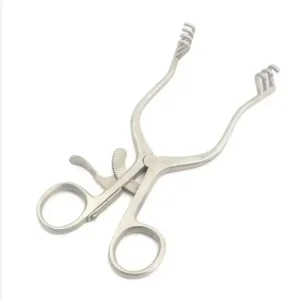
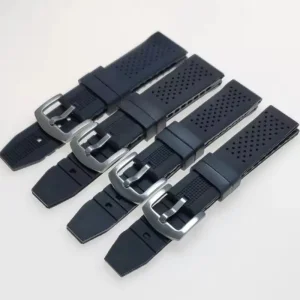
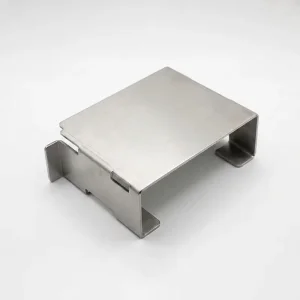
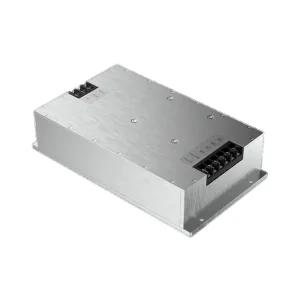
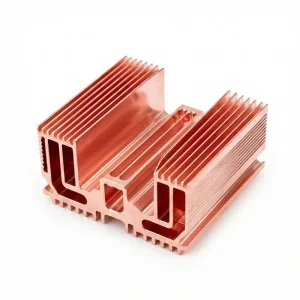
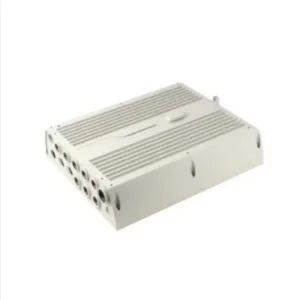
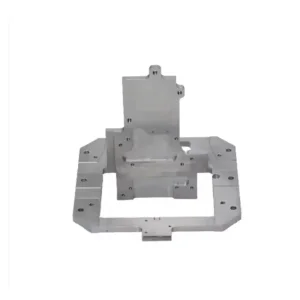
Explore our full manufacturing portfolio spanning silicone sport components, surgical retractors, copper heatsinks, and communication enclosures.
Request an Engineering Consultation & DFM Analysis
Ready to optimize your carbon steel casting designs for cost, strength, and manufacturability? Upload your 3D STEP/IGES CAD drawings or physical samples. Our engineering team returns complete DFM feedback and competitive factory-direct quotes within 24 hours under NDA protection.