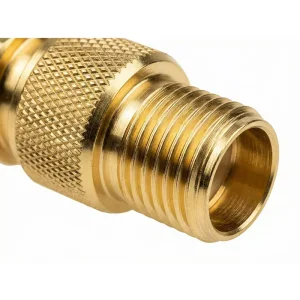
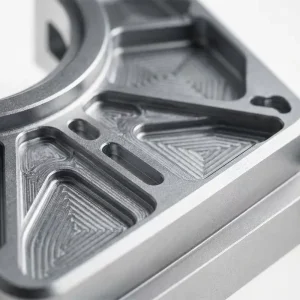
Featured OEM Custom Precision Assemblies (Part I)
Direct factory solutions built to exact dimensional specifications. Fully integrated with CMM verification, First Article Inspection (FAI), and complete material batch traceability.
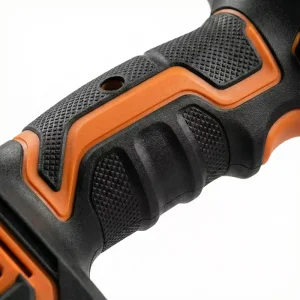
High-Quality Dual-Material Power Tool Handle - Two-Shot Injection Molding Solutions
View Product Specs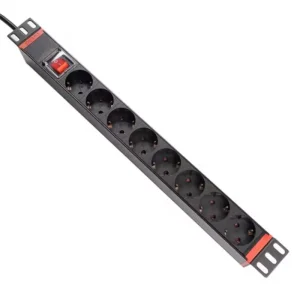
China Custom 8-Way German Standard 16A Rack-Mount PDU Power Strip
View Product Specs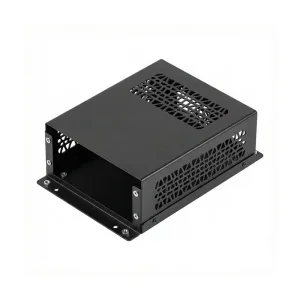
China Custom Aluminum Electronic Enclosure - Top Factory & Supplier
View Product Specs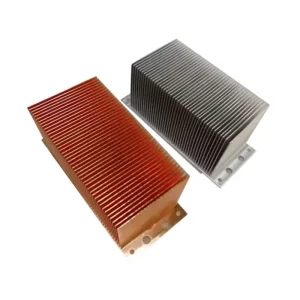
OEM Custom Square Aluminum & Copper Skived Fin Heat Sink for Industrial Electronics
View Product Specs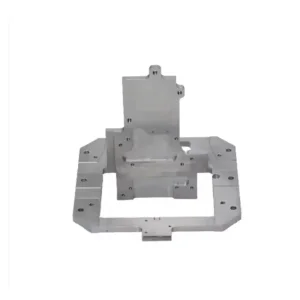
OEM High-Precision CNC Machined Metal Brackets & Frames - Wire EDM & Milling
View Product Specs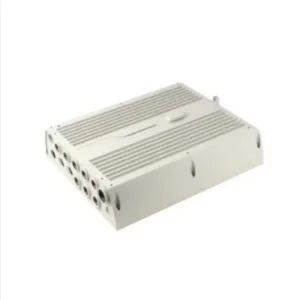
Custom Aluminum Die-Casting Enclosure for Communication Electronics
View Product Specs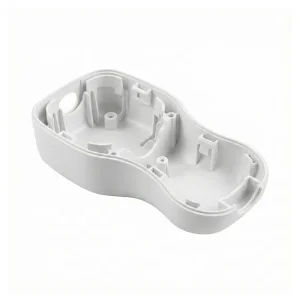
OEM Custom Medical Device Housing Suppliers and Factory in China
View Product Specs1. Macro Industry Trends in Custom Plastic Injection Molding
The global precision polymer injection molding market is experiencing a structural metamorphosis driven by polymer chemistry innovations, industrial digital transformation, and urgent demands for net-zero carbon footprints across global manufacturing pipelines.
$485B+
Global Market Cap Projection
±0.005mm
Micro-Molding Tolerance Limit
45%
Lightweight Metal-to-Plastic Swap
100%
In-Line AI Cavity Monitoring
High-Performance Engineering Resins
Industrial applications are rapidly migrating away from commodity plastics toward ultra-polymers including Polyether Ether Ketone (PEEK), Polyetherimide (PEI/Ultem), Polyphenylene Sulfide (PPS), and Liquid Crystal Polymers (LCP). These advanced thermoplastics retain structural rigidity at continuous operating temperatures exceeding 220°C, offering chemical resistance comparable to titanium and stainless alloys while reducing tare weight by up to 60%.
Industry 4.0 Closed-Loop Smart Tooling
Modern plastic injection molding suppliers integrate piezoelectric cavity pressure transducers and melt-temperature sensors directly inside multi-cavity molds. Real-time viscosity feedback automatically modulates hydraulic screw pressure and clamp tonnage on every injection cycle, virtually eliminating short shots, flash, and thermal sink marks through active AI process control.
2K Multi-Material & Insert Overmolding
Two-shot (2K) molding and automated robotic insert placement enable multi-functional component consolidation in a single molding cell. Combining rigid engineering substrates (e.g., glass-filled PA66) with soft thermoplastic elastomers (TPE/TPU) or conductive brass/copper threaded inserts eliminates secondary assembly labor while ensuring hermetic fluid seals and high mechanical pull-out strength.
Information Gain Insight: The shift toward metal-to-plastic substitution is no longer merely a cost-reduction lever; it is a thermal management and EMI shielding strategy. Advanced polymer compounds enriched with nickel-coated carbon fibers or graphene matrices provide up to 80 dB of electromagnetic shielding effectiveness alongside passive thermal conductivity rates reaching 15 W/m·K.
2. Global Enterprise Procurement Needs & Total Cost of Ownership (TCO)
Tier-1 procurement teams in North America, Europe, and Asia-Pacific require suppliers who balance unit pricing with tooling longevity, risk mitigation, and strict design for manufacturability (DFM) verification prior to tool steel cutting.
| Procurement Pillar | Critical Buyer Metrics | OEM Factory Implementation Matrix | Risk Mitigation Impact |
|---|---|---|---|
| Tooling Quality & Steel Choice | H13, S136, NAK80 Hardened Steel (>1M shots) | Moldflow® FEA gate/runner shear analysis & SPI Class 101 mold design | Eliminates premature cavity erosion & unexpected downtime during production spikes |
| Dimensional Precision | CPK ≥ 1.67, Standard Tolerances ±0.01mm | Zeiss CMM automated scanning, optical comparators & FAI reporting | Guarantees 100% inter-changeability in automated high-speed line assemblies |
| Total Cost Optimization | Tooling Amortization & Cycle Time Reduction | Conformal cooling channels via 3D metal printing (SLM) | Reduces cooling cycle times by 20% to 40%, directly dropping unit cost |
| Supply Chain Resilience | Buffer stock management & rapid tooling turnarounds | In-house CNC mold-making, EDM spark erosion & secondary machining | Shortens prototype-to-production pipeline from 12 weeks down to 18 business days |
- Early Supplier Involvement (ESI): Engaging injection molding engineers during the conceptual CAD phase prevents costly mold redesigns by identifying draft angle deficits, uneven wall thicknesses, deep rib pockets, and non-uniform material shrinkage early.
- Tooling Ownership & Asset Management: Transparent mold maintenance logs, shot counters, and lifetime mold guarantees ensure that client-owned tooling remains preserved in climate-controlled environments between batch runs.
3. Cross-Disciplinary Macro Industry Solutions
Modern manufacturing demands seamless integration between plastic injection molding, precision CNC metal machining, pressure die casting, and sheet metal fabrication within a unified production system.
Medical & Life Sciences Enclosures
Molded inside ISO Class 8 cleanrooms utilizing medical-grade polycarbonate (PC), ABS, and cyclic olefin copolymers (COC). Materials are certified ISO 10993 biocompatible, resistant to gamma radiation and autoclave sterilization, and engineered with snap-fit joints designed to withstand severe drop testing.
Automotive & E-Mobility Powertrain Parts
Under-the-hood structural brackets, battery module frames, and busbar insulating covers molded from 30%-50% glass-fiber reinforced PA66 and PBT. High heat deflection temperatures (HDT > 250°C) coupled with high flame retardancy (UL94 V-0 compliance) safeguard EV power units against thermal runaway events.
Industrial Electronics & Telecommunications
Intricate, low-tolerance housings featuring co-molded silicone weather seals (IP67/IP68 rating), overmolded PCB brass connectors, and CNC post-machined seal channels. Multi-cavity tooling delivers scalable monthly outputs exceeding 500,000 units while maintaining micron-level accuracy.
4. Quality Assurance, Global Compliance & Localized Technical Support
Bridging overseas manufacturing efficiency with localized engineering support requires disciplined quality management, robust IP protection protocols, and total regulatory transparent compliance documentation.
International Regulatory Certification
Production facilities operate under certified quality management frameworks including ISO 9001:2015 for general manufacturing, IATF 16949 for automotive systems, and ISO 13485 for medical device assemblies. All raw polymer formulations comply with EU RoHS 3.0 (Directive 2015/863), REACH (EC 1907/2006), and UL94 safety standards.
Rigorous Quality Inspection Protocol
Every production batch undergoes full First Article Inspection (FAI), utilizing coordinate measuring machines (CMM), optical video measurement systems, melt flow indexers (MFI), and moisture analyzers. Production parts ship with comprehensive inspection reports, raw material spectrometer certificates, and lot-specific Certificates of Analysis (CoA).
Intellectual Property & Logistical Support
Strict non-disclosure agreements (NDAs) safeguard client CAD data and proprietary product designs. Localized engineering support across key export territories provides 24/7 DFM feedback, localized currency billing, DDP (Delivered Duty Paid) door-to-door logistics, and dedicated inventory stocking programs.
5. Technology Roadmap & Future Outlook (2025–2030)
The future of plastic injection molding lies at the intersection of generative AI tool engineering, zero-waste bio-based polymers, and ultra-high-speed additive hybrid manufacturing.
AI-Driven Generative Mold Topology
Artificial intelligence algorithms now synthesize cooling channel paths within tooling steel blocks. By optimizing turbulent fluid flow in 3D-printed conformal cooling channels, modern molds achieve uniform temperature distribution across complex geometries, cutting cycle times by 35% and eliminating thermal warp during ejector pin push.
Circular Carbon Neutrality & Bio-Resins
As global carbon regulations tighten, next-generation injection molding suppliers are mastering the processing of post-consumer recycled (PCR) resins, bio-based Polylactic Acid (PLA), and Polyhydroxyalkanoates (PHA). Precision melt controls account for batch-to-batch polymer viscosity variations without sacrificing mechanical tensile strength.
Digital Twin Manufacturing Cells
Real-time physical molding machines operate alongside cloud-hosted Digital Twin models. Sensor telemetry streams injection speed, barrel thermal zone gradients, and hydraulic pressure curves into virtual models, allowing predictive maintenance alerts to prevent tooling damage before a single bad part is produced.
Frequently Asked Technical Questions (FAQ)
In-depth engineering answers covering injection molding tooling, material selection, quality control, and international export logistics.
What critical factors dictate the choice between CNC machining and plastic injection molding?
The decision primarily hinges on production volume, part complexity, and upfront capital availability. CNC Machining is ideal for low-volume production (1 to 1,000 parts), rapid prototyping, and geometries requiring ultra-tight tolerances (±0.005mm) without initial tooling investment. Conversely, Plastic Injection Molding requires upfront capital for NAK80 or H13 steel molds, but yields exceptionally low unit costs, repeatable surface finishes, and rapid cycle times (10 to 45 seconds per part) for production runs spanning 5,000 to over 1,000,000 units.
How does your engineering team prevent sink marks and warpage in thick-walled molded parts?
Sink marks and warpage stem from uneven volumetric thermal shrinkage during the cooling phase. We mitigate these risks during the DFM phase by applying uniform wall thickness design rules (ideally keeping nominal walls between 1.5mm and 3.0mm). Where thick sections are mechanically required, we employ coring techniques to hollow out heavy masses, design structural ribs at 50%-60% of the adjacent wall thickness, utilize Moldflow® cooling simulations to optimize gate placement, and adjust packing pressure/holding times on our electric injection presses.
What steel grades do you select for rapid prototype molds versus long-run production tooling?
For low-volume rapid tooling or bridge molding (500 to 10,000 cycles), we utilize pre-hardened P20 steel or high-grade 7075-T6 aluminum, providing fast machining turnaround times (10-15 days). For standard production molds (up to 100,000 shots), NAK80 or 718H steel is specified. For high-volume SPI Class 101 production molds (500,000 to >1,000,000 shots) processing abrasive glass-filled polymers, we use fully hardened H13, S136 stainless steel, or STAVAX hardened to 48-52 HRC to resist erosion and corrosion.
What standard draft angles must be integrated into 3D CAD models for clean part ejection?
We recommend a minimum draft angle of 1° to 1.5° per side for smooth untextured vertical surfaces. For deep cavities or rib structures, 2° of draft is preferred. If the component surface requires VDI or Mold-Tech grain texturing (e.g., leather or matte automotive finishes), an additional 1° to 1.5° of draft per 0.025mm of texture depth is necessary to prevent drag marks and scuffing during ejector stroke execution.
How do you verify material purity and guard against regrind contamination?
Quality assurance begins at material intake. We source 100% virgin polymer resins from accredited global chemical suppliers (Sabic, Covestro, DuPont, BASF) accompanied by original Mill Material Certificates and RoHS/REACH compliance documentation. For critical aerospace, medical, and automotive components, regrind resin is strictly prohibited (0% allowance). Moisture content is verified with gravimetric moisture analyzers before hopper loading to prevent hydrolysis defects during injection.
What international quality and shipping documents accompany each export order?
Every custom export shipment is accompanied by a full Quality Documentation Package. This includes First Article Inspection Reports (FAIR) based on 3D CMM scans, Raw Material Melt Certificates, Certificate of Conformance (CoC), Heat Treatment Logs (where applicable), and RoHS/REACH compliance letters. Logistically, we supply commercial invoices, packing lists with heat-treated wooden crate packing certifications, HS tariff code classifications, and custom bill of lading documentation tailored for sea, air, or express courier delivery.
Featured OEM Custom Precision Assemblies (Part II)
Explore our expanded range of precision machining, structural metal casting, custom connectors, and specialized injection molded hardware components.
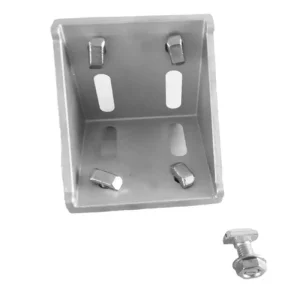
ODM Premium 8080 Aluminum Profile T-Slot Corner Bracket - Heavy Duty Brace
View Product Specs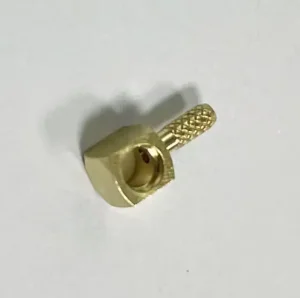
ODM Custom CNC Machining Brass Insert Connector with Knurled Pin
View Product Specs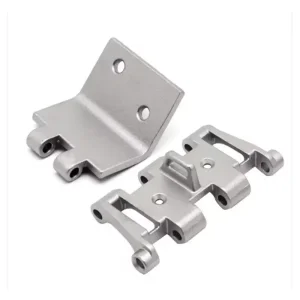
Custom Stainless Steel Investment Casting & Precision Machining Parts
View Product Specs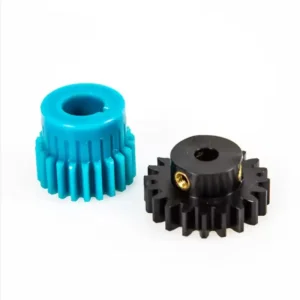
OEM Custom Precision Injection Molded POM Plastic Gears - Quality Gearing Solutions
View Product Specs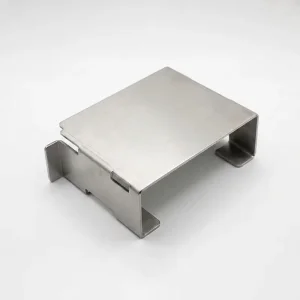
Custom Stainless Steel Mounting Bracket - High Precision OEM Factory
View Product Specs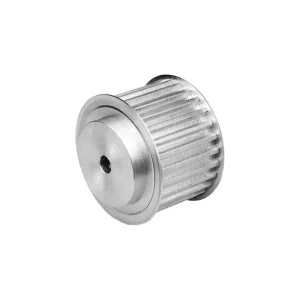
OEM Custom CNC Machined HTD 3M Aluminum Timing Belt Pulley
View Product Specs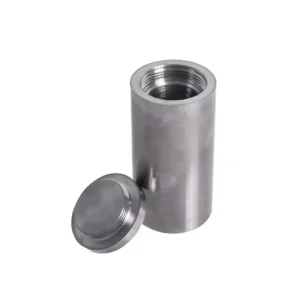
Customized Tungsten Carbide Shielded Canister with Lid - Factory Direct Offer
View Product Specs