
Featured OEM Hardware & Plastic Enclosure Components
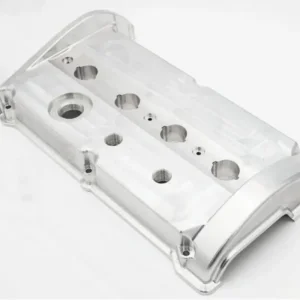
High-Quality High-Precision CNC Machined 7075 Aluminum Valve Cover
View Details & Spec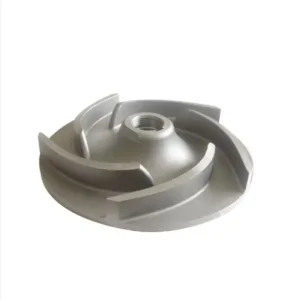
Custom Centrifugal Slurry Pump Stainless Steel Investment Casting Impeller
View Details & Spec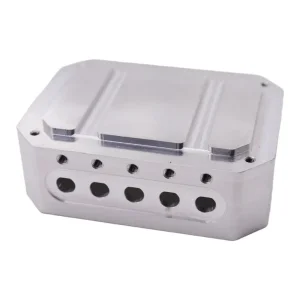
High-Quality Custom CNC Machined Aluminum Enclosure for RF Modules
View Details & Spec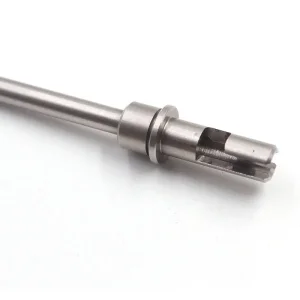
High-Quality Precision CNC Turned Stainless Steel Stepped Shaft
View Details & Spec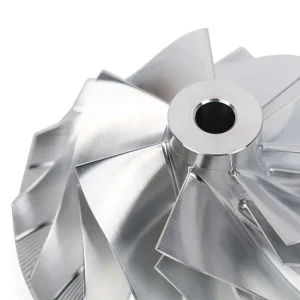
OEM Custom 5-Axis CNC Machined Billet Aluminum Impeller Compressor Wheel
View Details & Spec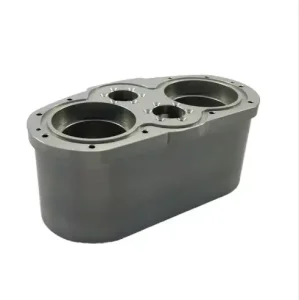
5-Axis CNC Machined Universal Joint Base & Gearbox Shell for Robotics
View Details & Spec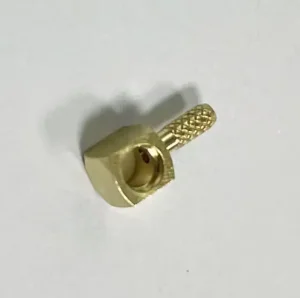
ODM Custom CNC Machining Brass Insert Connector with Knurled Pin
View Details & Spec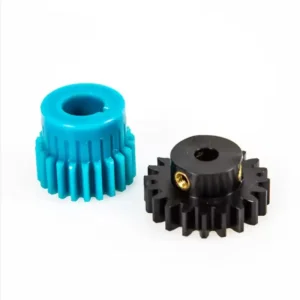
OEM High-Quality Custom POM Plastic Gears Precision Injection Molded
View Details & SpecEngineering Excellence in Custom Plastic Enclosures Engineering
Navigating the convergence of electronic miniaturization, harsh-environment survivability, and rapid product commercialization cycles.
In contemporary hardware architecture, a custom plastic enclosure is no longer merely a aesthetic shell—it is a mission-critical structural system engineered to integrate thermal dissipation management, electromagnetic compatibility (EMC), ingress seal integrity (IP67/IP68), and structural rigidity. As electronic devices expand into smart grid telemetry, autonomous robotics, vehicular battery management systems (BMS), and remote biomedical monitors, global procurement teams demand custom plastic enclosures suppliers capable of delivering tight dimensional tolerances down to ±0.01mm to ±0.005mm.
Selecting the right plastic enclosure factory directly dictates your product's time-to-market, total cost of ownership (TCO), and long-term yield reliability. Generic off-the-shelf project boxes inevitably require compromises in PCB mounting real estate, connector cut-out alignments, and thermal clearance. Custom injection molded enclosures and precision CNC machined plastic housings, by contrast, optimize internal volumetric efficiency while ensuring full compliance with stringent international regulatory mandates, including UL94-V0 flame retardancy, RoHS/REACH chemical directives, and ISO 10993 biocompatibility.
Severe Environmental Protection
Over-molded silicone gaskets, labyrinth tongue-and-groove joints, and ultrasonic welding profiles engineered to maintain hermetic IP67, IP68, and NEMA 4X seals against water submersion, dust storms, and corrosive atmospheric gases.
EMC & RFI Conductive Shielding
Integrated electromagnetic compatibility through targeted internal vacuum metallization, Selective electroless plating, and conductive nickel-acrylic sprays that suppress RF interference across 30MHz to 10GHz spectrums.
Complex Kinematic & Structural Features
Precision molded-in brass threaded inserts, snap-fit cantilever arms engineered for repeatable assembly, living hinges tested beyond 1,000,000 flexural cycles, and internal PCB support bosses with zero sink marks.
Engineering Thermoplastic Selection Matrix
Selecting the optimal polymer resin based on thermal, mechanical, dielectric, and environmental performance requirements.
The operational longevity of a custom plastic enclosure hinges on rigorous resin selection. At Sunmy Hardware, our metallurgical and polymer engineers work directly with your design team to evaluate mechanical load curves, Heat Deflection Temperature (HDT), Izod impact strength, dielectric constant, and chemical exposure risks. Below is a comparative technical matrix of primary thermoplastics used in custom enclosure fabrication:
| Resin Type | Tensile Strength (MPa) | HDT @ 1.8 MPa (°C) | UL Flammability Rating | Chemical & UV Resistance | Primary Industrial Applications |
|---|---|---|---|---|---|
| ABS (Acrylonitrile Butadiene Styrene) | 40 - 50 | 85 - 98 | UL94-HB (V0 available) | Moderate chemical / Low UV resistance | Indoor desktop electronics, handheld terminal housings, low-cost project boxes. |
| Polycarbonate (PC) | 60 - 75 | 130 - 140 | UL94-V0 / V2 | High impact strength / Excellent clarity / Fair UV | Ruggedized outdoor junction boxes, display windows, transparent protective covers. |
| PC / ABS Blend | 55 - 65 | 110 - 125 | UL94-V0 compliant | Good structural balance / Enhanced impact resilience | Automotive EV chargers, telecommunication gateways, medical diagnostic consoles. |
| PBT (Polybutylene Terephthalate) | 55 - 130 (Glass Filled) | 150 - 210 | UL94-V0 | Superior chemical resistance & high dielectric strength | Under-the-hood automotive sensors, industrial DIN-rail relay housings, high-temp connectors. |
| PEI (Ultem 1000/2300) | 105 - 165 | 200 - 215 | UL94-V0 / 5VA | Exceptional thermal & chemical / Autoclavable | Aerospace avionics pods, sterilizable surgical tool enclosures, high-frequency RF housings. |
| POM (Polyoxymethylene / Acetal) | 65 - 70 | 110 - 120 | UL94-HB | Low friction coefficient / High wear resistance | Internal gearboxes, snap-latch assemblies, precision sliding mechanisms within enclosures. |
Resin Additives & Reinforcement Masterbatches
To further customize your enclosure, our factory provides specialized resin compounding options including 15%-40% Glass Fiber (GF) reinforcement for elevated tensile modulus, Carbon Fiber (CF) fillers for static dissipation (ESD protection), UV stabilizers (Hindered Amine Light Stabilizers - HALS) for outdoor solar radiation resistance, and halogen-free flame-retardant packages.
Design for Manufacturability (DFM) & Precision Tooling Execution
How Sunmy Hardware eliminates manufacturing defects before steel is cut into mold cavities.
Moldflow® Rheological Simulation
Prior to tooling production, our design engineering team conducts full 3D Moldflow® analysis. This process simulates volumetric shrinkage, melt front advancement, cooling channel efficiency, and gate location stress concentration.
- Weld Line Optimization: Strategic positioning of gates to move cosmetic flow lines away from visible surface faces and structural fastener points.
- Sink Mark Mitigation: Identifying nominal wall thickness variances and calculating rib-to-wall ratios (typically maintained between 0.5t to 0.7t).
- Warpage & Deflection Control: Balancing differential cooling across core and cavity halves to ensure flat lid-to-base mating faces.
Advanced Mold Tooling Steel Selection
Our tooling workshop utilizes certified premium tool steel to guarantee tool longevity, dimensional stability, and rapid thermal cycling during high-volume production runs.
- P20 Steel (HRC 28-32): Ideal for low-to-medium volume production runs (up to 50,000 to 100,000 shots).
- NAK80 Pre-hardened Steel (HRC 37-41): Excellent polishability for optical clear covers and high-gloss mirror finishes.
- S136 Stainless Steel (HRC 48-52): Premium ESR grade for corrosive resins (e.g., PVC, flame-retardant blends) and high-volume runs exceeding 500,000 cycles.
Technical Guidelines for Custom Enclosure Features
To assist your hardware engineering team, Sunmy Hardware adheres to strict empirical design guidelines for custom plastic housings:
1. Draft Angles
Incorporate a minimum of 1.0° to 1.5° per side for vertical walls; texturing requires an additional 1.0° draft per 0.025mm of texture depth.
2. Wall Thickness
Maintain uniform nominal wall thickness (recommended 2.0mm to 3.5mm). Abrupt thickness transitions cause internal voiding and warpage.
3. Screw Bosses
Boss outer diameter should be 2.0x screw thread diameter, with base gussets provided for lateral load support.
4. Snap Fits
Cantilever snap-fits should be designed with tapered profiles to equalize strain distribution during assembly and disassembly.
Localized Industrial Application Scenarios
Custom-engineered enclosure solutions optimized for specific global industry operational demands.
1. Outdoor IoT & Smart Wireless Gateways
Outdoor LoRaWAN gateways, agricultural soil monitoring stations, and smart city sensor nodes demand enclosure housings capable of withstanding extreme environmental stressors without attenuating RF signals.
- Material Specs: UV-stabilized Polycarbonate (PC) or ASA.
- Engineering Features: RF-transparent antenna domes, co-molded silicone weather seals achieving IP68 protection, integrated pressure-equalization vent plugs (Gore® vent compatibility).
- Testing Standard: IEC 60529 IPX8, UL 746C f1 weatherability.
2. Biomedical Devices & Diagnostic Housings
Point-of-care medical testing devices, portable blood analyzers, and clinical monitoring equipment require chemical resistance against aggressive hospital disinfectant wipes (e.g., isopropyl alcohol, hydrogen peroxide, bleach solutions).
- Material Specs: Biocompatible PC/ABS blends or Ultem PEI complying with USP Class VI / ISO 10993.
- Engineering Features: Seamless anti-microbial surface finishes, smooth radii to prevent bacterial trap zones, ultrasonic welded battery compartment dividers.
- Manufacturing Setup: Produced under ISO 13485 cleanroom molding protocols.
3. EV Battery Management Systems (BMS) & Automotive Modules
Under-hood control modules and high-voltage EV battery management enclosures are exposed to high thermal cycling, continuous mechanical vibration, and flammable risks.
- Material Specs: 30% Glass-Filled PBT or Flame-Retardant PA66/PC blend.
- Engineering Features: Molded-in copper/brass busbar channels, UL94-V0 self-extinguishing safety wall structures, high mechanical impact resistance.
- Testing Standard: USCAR-2 vibration testing, ISO 16750 road vehicle environmental standards.
4. Industrial Automation & DIN-Rail Control Units
Programmable Logic Controllers (PLCs), motor drives, and industrial relay modules mounted inside factory automation cabinets demand compact modular designs with clip-on DIN-rail mounting mechanics.
- Material Specs: High-impact ABS or Flame-Retardant Nylon (PA6).
- Engineering Features: Integrated spring-loaded DIN-rail latch mechanisms, ventilated slot patterns for natural convection cooling, transparent flip-up cover panels.
- Testing Standard: IEC 60664-1 creepage and clearance insulation standards.
China Factory Supply Chain Resilience & Speed
Leveraging Shenzhen's world-class hardware ecosystem to dramatically compress product lead times.
Sourcing your custom plastic enclosures from Sunmy Hardware’s manufacturing hub in Shenzhen provides distinct strategic advantages for global OEM buyers. Located at the epicenter of world electronics manufacturing, our integrated supply chain model reduces engineering lead times by up to 60% compared to Western regional suppliers, without sacrificing precision quality or compliance.
1. Rapid Prototyping to Mass Production Flow
We bridge the gap between design validation and volume manufacturing under one roof:
- SLA/SLS 3D Printing & CNC Prototyping: Functional plastic prototypes delivered in 2 to 4 working days for fit testing.
- Rapid Aluminum Tooling: Prototype injection molds built in 7 to 12 days for T1 sample approval.
- Production Tooling: Hardened steel multi-cavity production molds built in 18 to 25 days.
2. Turnkey Secondary Operations & Surface Finishing
Eliminate multi-vendor coordination risks. Sunmy Hardware manages all post-molding secondary processes in-house or through audited local cluster partners:
- EMI/RFI Conductive Spray Coating: Selective copper/nickel shield painting.
- Surface Decoration: Custom color matching (Pantone/RAL), pad printing, laser engraving, and soft-touch rubberized painting.
- Mechanical Assembly: Heat-stake threaded insert installation, ultrasonic plastic welding, and Gasket dispensing.
3. Raw Material Cost Optimization & Resilience
Direct bulk resin sourcing agreements with major global producers (Sabic, Covestro, DuPont, BASF) ensure material traceability, consistent lot-to-lot melt flow indexes, and protection against global supply disruptions.
Every resin shipment includes factory Certificate of Analysis (CoA) and UL yellow card verification.
Localized Global Engineering Support & ISO Quality Control
Seamless communication, rigorous CMM inspection, and complete IP data protection.
1. Dedicated English Engineering Support
Our sales engineering team consists of senior bilingual mechanical engineers available across North American and European business hours. We provide 24-hour turnaround on quotation requests accompanied by detailed DFM feedback reports, CAD model reviews (STEP/IGES/Parasolid), and tooling cost breakdowns.
IP Protection Commitment: We execute non-disclosure agreements (NDAs) prior to receiving proprietary CAD files. Your intellectual property is protected within our secured server infrastructure.
2. Closed-Loop Quality Assurance Workflow
Every custom plastic enclosure batch undergoes rigid quality inspection routines verified by certified quality engineers:
- First Article Inspection (FAI): 100% full-dimension CMM report accompanying T1 sample delivery.
- In-Process Quality Control (IPQC): Automated vision system monitoring for flash, short shots, and color uniformity during molding runs.
- Environmental & Ingress Testing: On-site IPX6/IPX7 water chamber immersion tests, drop tests, and thermal cycling shock testing.
Precision Machined & Molded Components Series
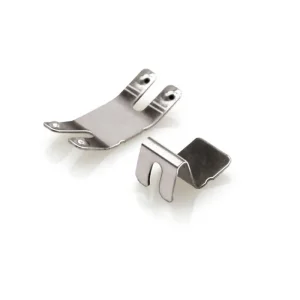
ODM Custom Precision Sheet Metal Stamping Clips & Electronic Hardware
View Details & Spec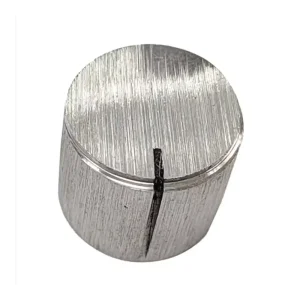
OEM Custom Plastic Injection Molded Control Knob with Metallic Finish
View Details & Spec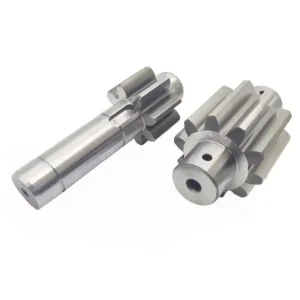
High-Quality Custom CNC Machined Spur Gear & Precision Gear Shaft
View Details & Spec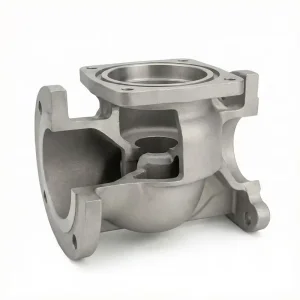
ODM Stainless Steel Valve Body Suppliers Investment Casting / Lost Wax
View Details & Spec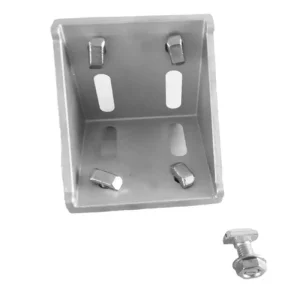
ODM Premium 8080 Aluminum Profile T-Slot Corner Bracket Inside Brace
View Details & Spec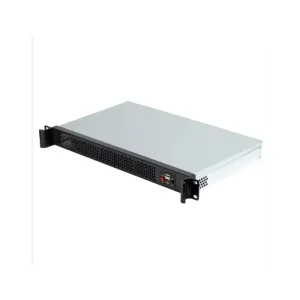
OEM 1U Rackmount Server Chassis Custom Sheet Metal Enclosure
View Details & Spec
China High-Precision CNC Machined 7075 Aluminum Valve Covers
View Details & Spec
ODM Custom Precision Capillary Stainless Steel Pipe / Tube (OD 1mm-8mm)
View Details & SpecFrequently Asked Questions: Custom Plastic Enclosures
Comprehensive answers regarding tool lead times, tolerances, materials, and engineering support.
What is the typical lead time for custom injection mold tooling and T1 samples?
For standard custom plastic enclosures, prototype tooling (rapid aluminum or P20 steel) takes approximately 10 to 14 calendar days to produce T1 initial samples. Production-grade steel tooling (S136 or NAK80 hardened steel) typically requires 20 to 28 days, depending on mold complexity, number of side-action sliders, and textured surface requirements. Accelerated tooling programs are available upon request.
How does Sunmy Hardware ensure waterproof IP67/IP68 sealing on custom enclosures?
We achieve reliable ingress protection through three primary engineering methodologies: 1) Liquid Silicone Rubber (LSR) overmolding directly onto plastic lid grooves; 2) Precision CNC-molded tongue-and-groove channels fitted with custom-extruded continuous EPDM or silicone O-rings; and 3) Ultrasonic joint welding for permanent hermetically sealed housings. All sealed designs undergo vacuum leak decay testing or pressurized water immersion checks in-house.
Which plastic materials are best suited for outdoor UV-exposed applications?
For long-term outdoor deployment, we strongly recommend UV-stabilized Polycarbonate (PC) (such as Sabic Lexan SLX grades), Acrylonitrile Styrene Acrylate (ASA), or Glass-Filled PBT containing Hindered Amine Light Stabilizer (HALS) additives. ASA offers exceptional color retention and impact resistance against direct solar radiation without yellowing or surface chalking over time.
Can you provide EMI/RFI shielding inside custom plastic enclosures?
Yes. We apply internal electromagnetic compatibility (EMC) coatings using selective nickel-conductive spray painting, copper-vacuum metallization, or electroless plating. These secondary treatments provide effective shielding attenuation (typically 40dB to 80dB across 30MHz to 10GHz frequencies), allowing lightweight plastic housings to satisfy stringent FCC and CE EMC emission regulations.
What are your minimum order quantities (MOQ) for prototypes vs production runs?
We support the full product development lifecycle with highly flexible order quantities: 1 to 50 pieces via precision 5-axis CNC plastic machining or 3D printing; 100 to 1,000 pieces via rapid low-volume tooling or urethane vacuum casting; and 1,000 to 500,000+ pieces for full-scale injection molding runs. We do not impose restrictive minimum order values for prototype engineering phases.
How do you protect customer CAD drawings and intellectual property?
Intellectual property security is fundamental to our enterprise operations. We sign legally binding Non-Disclosure Agreements (NDAs) with all engineering clients before collecting 3D CAD files or drawing specifications. All customer design data is encrypted and stored on isolated internal servers accessible only to assigned project engineers. We never outsource your core IP to third-party broker networks.