Featured OEM Custom Precision Components
Explore our engineering capabilities across die-casting, plastic injection molding, CNC turning, and precision thermal hardware.
-
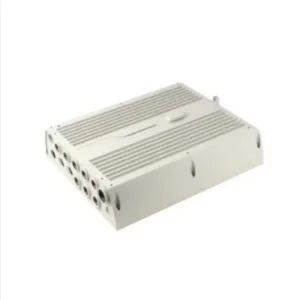 Custom Custom Aluminum Die-Casting Enclosure for Communication ElectronicsView Product Details
 -
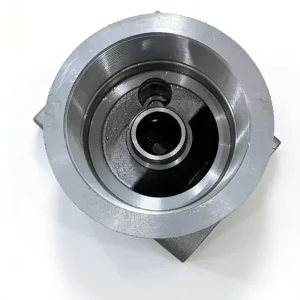 High-Quality Custom OEM Precision Cast Iron Hydraulic Pump Housing ProductsView Product Details
 -
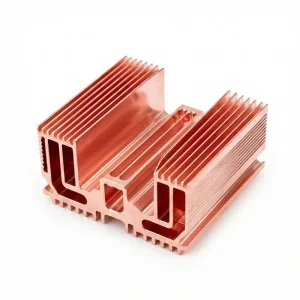 High-Performance Copper Heatsink Factory for Maximum Thermal ConductivityView Product Details
 -
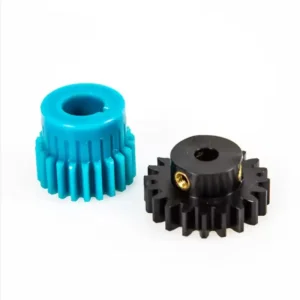 OEM High-Quality Custom POM Plastic Gears from China SuppliersView Product Details
 -
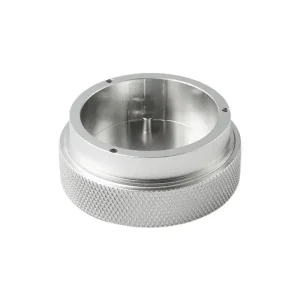 Custom Premium Custom CNC Machined Aluminum Control Knobs ExporterView Product Details
 -
 ODM Custom Precision CNC Turned Black Anodized Aluminum Lens BarrelView Product Details
 -
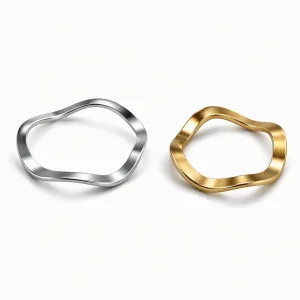 OEM Custom Precision Stamped Wave Spring Washers SupplierView Product Details
 -
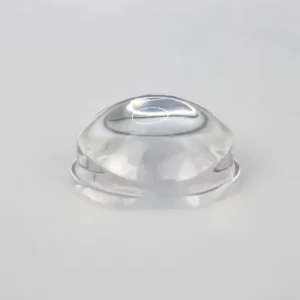 China High-Transparency PC Optical Components Precision MoldedView Product Details
Technical Fundamentals: Defining Advanced Multi-Cavity Tooling Architecture
In modern mass-manufacturing paradigms, multi-cavity molding represents the pinnacle of high-throughput production efficiency. Unlike single-cavity prototype tooling or family molds (which produce distinct parts in a single frame), a true multi-cavity injection or die-casting mold contains duplicate geometric impressions configured to manufacture identical high-precision parts in every single cycle. Achieving part-to-part consistency across 8, 16, 32, or even 128 cavities requires a deep control of rheology, thermal management, and precision mechanical engineering.
Key Technical Parameters in Precision Multi-Cavity Design
To maintain strict tolerances (down to ±0.005 mm) across all cavities simultaneously, tooling engineers must eliminate thermal and pressure gradients within the hot runner and mold core inserts.
Rheological Cavity Balancing
Ensuring identical melt front arrival times across all cavities via naturally balanced runner systems (H-bridge layout) or dynamically adjusted valve gate timing. Unbalanced filling induces localized flash, sink marks, or short shots.
Hot Runner Valve Gating
Eliminating scrap material and vestige using sequential or simultaneous pneumatic/hydraulic valve gate systems. Hot runners maintain constant melt temperatures, preventing thermal degradation of engineering resins.
Conformal Thermal Dissipation
Integrating 3D-printed Direct Metal Laser Sintering (DMLS) conformal cooling channels that closely follow complex cavity contours, cutting cooling times by 20%–45% while eliminating warpage.
Strategic Advantages of Sourcing Multi-Cavity Tooling in China
For global tier-1 OEMs and hardware innovators, manufacturing multi-cavity tooling in China—specifically within the Pearl River Delta (Shenzhen-Dongguan cluster)—delivers unmatched speed-to-market and capital efficiency without sacrificing precision standards.
Ecosystem Density & Supply Chain Speed
Within a 30-mile radius in Shenzhen, high-grade tool steel stockists (ASSAB, LKM, Daido S136/NAK80), specialized heat treatment centers, surface texturing labs (Mold-Tech standards), and hot runner suppliers operate in synchronization. What takes 12 weeks in Europe or North America is regularly completed in 3 to 4 weeks in China.
Advanced 5-Axis CNC & EDM Infrastructure
Chinese manufacturers like Sunmy Hardware have heavily invested in high-speed CNC machining centers (Makino, Yasda, Mikron) capable of 40,000 RPM spindle speeds, combined with Sodick oil-cut Wire EDM and mirror EDM machines. This hardware foundation ensures cavity-to-cavity variance remains under 3 microns.
Future Trends & Innovations in High-Cavitation Molding
The plastics and die-casting industries are undergoing a major shift driven by smart manufacturing (Industry 4.0), micro-miniaturization, and sustainability imperatives. Multi-cavity mold design has evolved from basic mechanical machining into an advanced discipline reliant on real-time data and material science.
AI-Assisted Cavity Sensor Systems
Modern high-cavity tooling integrates piezo-electric cavity pressure sensors and infrared melt temperature sensors inside every cavity. Real-time data streams to edge-AI software, which dynamically adjusts injection pressure and holding profiles on a cycle-by-cycle basis to prevent flash or incomplete filling.
Micro-Cavity Molding for Medical & Optics
As medical diagnostic devices and optical sensors shrink, molds with 64 or 128 micro-cavities are replacing traditional assembly units. Components weighing less than 0.05 grams with sub-micron surface finishes (SPI A-1 diamond polish) are mass-produced with liquid silicone rubber (LSR) or medical-grade PEEK.
Sustainable Material Processing
With the global mandate for PCR (Post-Consumer Recycled) resins and bio-based plastics (PLA, PHA), multi-cavity molds must handle wider viscosity variations. Advanced temperature-controlled hot sprue bushings compensate for shear-thinning changes in recycled polymers.
Sector-Specific Macro Solutions & Global Use Cases
Multi-cavity tooling serves as the manufacturing backbone across high-volume industrial sectors where millions of zero-defect parts are needed annually.
Automotive & EV Electronics
Application: High-density waterproof wiring harness connectors, battery cell spacers, sensor housings, and actuator gears.
Solution: 16-cavity molds equipped with side-action core pulls and automated pick-and-place robot end-effectors, yielding over 250,000 components per week per machine.
Medical Devices & Microfluidics
Application: Syringe barrels, Luer lock connectors, pipette tips, IV flow regulators, and diagnostic cassette housings.
Solution: ISO Class 8 cleanroom molding utilizing 64-cavity full-hot-runner molds built with hardened stainless steels (S136, 52-54 HRC) to prevent corrosion during continuous sterilization cycles.
Consumer Tech & Wearables
Application: TWS earbud enclosures, smartwatch inner structural frames, lens mounts, and smartphone acoustic chambers.
Solution: 8 to 16 cavity thin-wall injection molds (0.4mm wall thickness) engineered with high-pressure gas-assisted injection channels to prevent sink marks on cosmetic surfaces.
Global Corporate Procurement Framework & E-E-A-T Quality Assurance
Sourcing multi-cavity tooling involves substantial capital expenditure ($20,000 to $200,000+ per mold). Enterprise procurement teams require verifiable risk mitigation strategies, rigorous quality engineering, and complete IP safety before releasing POs.
DFM & Moldflow Analysis
Every drawing undergoes 3D Moldflow simulation to predict fiber orientation, weld line placement, injection pressure drops, and cooling symmetry prior to cutting steel.
Steel Traceability & Certs
Authentic mill certificates (ROHS, REACH, material composition) provided for all core/cavity inserts (e.g., ASSAB Stavax, Orvar, Premium H13).
CMM & CPK Validation
Full First Article Inspection (FAI) reports using Zeiss CMMs. Statistical process control (CpK ≥ 1.67) demonstrated across all cavities during T1/T2 sampling.
IP & Data Shielding
Strict Non-Disclosure Agreements (NDAs) signed prior to file collection. Secure internal server storage with zero third-party broker handoffs.
Comprehensive Engineering Guide: Tooling Maintenance & Lifecycle Optimization
To ensure a multi-cavity mold achieves its rated lifetime of 1,000,000+ cycles without dimensional drift, preventive maintenance protocols must be integrated into standard factory operations.
Cavity Surface Preservation & Cleaning
During extended runs, off-gassing from engineered resins (such as PA66-GF30 or PBT) creates corrosive deposits on cavity walls. Ultrasonic cleaning of mold inserts every 50,000 cycles removes scale without degrading delicate micro-textures or polished surfaces.
Guided Ejection & Alignment Systems
Heavy multi-cavity mold bases require self-lubricating graphite bronze guide bushings and 4-corner interlocks (tapered side locks) to maintain core-to-cavity alignment during high-speed mold closure, preventing flash formation along parting lines.
Thermal Balance Monitoring
Thermographic camera scans during live production ensure cooling circuits are unclogged and heat dissipation remains balanced across the entire plate. Any temperature differential exceeding 3°C between cavities triggers immediate maintenance inspection.
Frequently Asked Questions (FAQ) for Procurement & Engineering Teams
Get clear, expert answers regarding multi-cavity mold design, lead times, tolerances, and quality verification standards.
What is the difference between a multi-cavity mold and a family mold?
A multi-cavity mold contains multiple identical cavities designed to manufacture copies of the exact same part in every injection cycle, maximizing volume throughput and ensuring part consistency. A family mold contains different cavity geometries designed to produce distinct components of an assembly (e.g., top cover and bottom housing) in a single shot. Family molds require careful gating balance to prevent overpacking smaller components.
How do you ensure identical dimensional tolerances across all cavities in an 8-cavity or 16-cavity mold?
We achieve cavity-to-cavity dimensional uniformity through four primary steps:
- High-Precision Machining: Core and cavity inserts are CNC-machined and EDM-sparked on high-accuracy Japanese equipment within ±0.002 mm tolerances.
- Rheologically Balanced Runners: Symmetrical runner geometry ensures equal flow lengths, pressure drops, and shear rates from the sprue to every gate.
- Hot Runner Temperature Control: Individual zone heating controls prevent thermal imbalances across the manifold.
- CMM Matrix Inspection: FAI reports measure all 16 cavities independently to verify CpK values meet or exceed 1.67.
Which steel grades are recommended for high-volume multi-cavity production?
For production runs exceeding 1,000,000 shots, we specify premium hardened stainless steels such as ASSAB Stavax / S136 (50-54 HRC) or Orvar Supreme / H13 (48-52 HRC). These steels offer high wear resistance, corrosion resistance against abrasive resins (e.g., glass-filled nylon), and excellent polishability for optical surfaces. For medium volumes (250,000 - 500,000 shots), pre-hardened steels like NAK80 or 718H provide a cost-effective alternative.
How does Moldflow simulation help reduce tooling risks?
Moldflow numerical analysis models the flow of molten polymer inside the cavities prior to steel cutting. It reveals potential manufacturing defects such as weld line weakness, air traps, uneven cooling, high shear stress, and excessive volumetric shrinkage. By identifying these issues digitally, we optimize gate placement and wall thickness early, saving thousands of dollars in mold modification costs and accelerating time-to-market.
What is the typical lead time for custom multi-cavity tooling at Sunmy Hardware?
Standard lead time for a 4-cavity to 16-cavity precision injection mold is 25 to 35 calendar days from DFM approval to T1 sample delivery. Complex high-cavitation molds (32 to 64 cavities) with hot runner valve gate systems typically require 35 to 45 days. Expedited rapid tooling options are available for urgent project deadlines.
Can you accommodate low-volume runs using multi-cavity tooling?
Yes. While multi-cavity molds are optimized for mass production, we offer bridge tooling and modular cavity block inserts. If your initial demand is low (e.g., 5,000 units/year) but expected to scale to 500,000 units, we can manufacture a master mold base equipped with 2 active cavities now and expand to 8 cavities later as market demand grows.
How is intellectual property (IP) protected during custom project execution?
IP protection is foundational to our enterprise partnerships. We sign legally binding Non-Disclosure Agreements (NDAs) prior to receiving 2D/3D CAD data. Design files are stored on isolated, encrypted servers accessible only by designated project engineers. We manufacture components in-house without transferring data to unvetted third-party brokers.
More Precision Manufacturing Solutions & Custom Components
Explore our full range of 5-axis CNC machining, custom die casting, POM gears, and medical stainless steel assemblies.
-
ODM Custom Aluminum Die-Casting Enclosures for Communication ElectronicsView Product Details
-
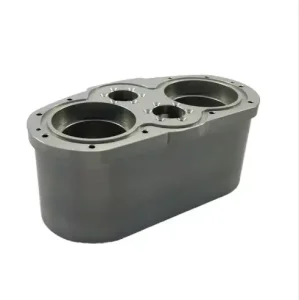 China Factory Custom 5-Axis CNC Machined Steel Aluminum Universal Joint BaseView Product Details
 -
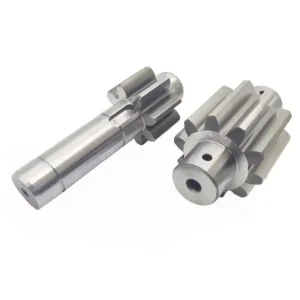 ODM Automotive Transmission System Custom CNC Machined Spur GearView Product Details
 -
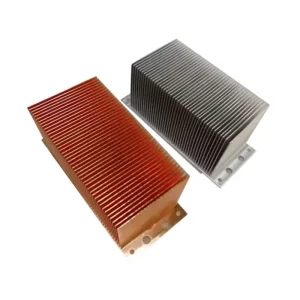 High-Quality Custom Aluminum Copper Skived Fin Heat SinkView Product Details
 -
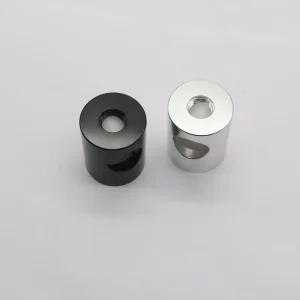 Custom Precision CNC Turned Stainless Steel Medical ComponentsView Product Details
 -
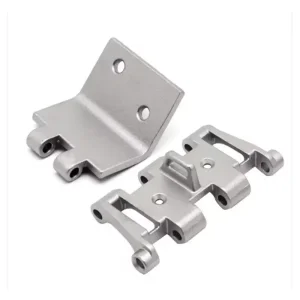 Custom Stainless Steel Investment Casting Precision Machining PartsView Product Details
 -
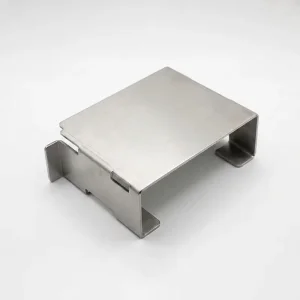 Custom Custom Stainless Steel Mounting Bracket FactoriesView Product Details
 -
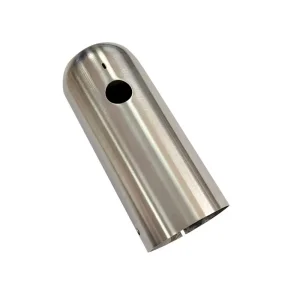 China Custom Precision CNC Medical Sleeve BushingView Product Details