
Precision Engineered Components & Assemblies
Browse our top-tier precision turned, die-cast, stamped, and custom machined components supplied directly from our certified manufacturing facilities to global clients.


The Global Industrial Landscape of Heavy Gauge Stamping
An engineering analysis of high-tonnage cold forming, material deformation mechanics, and structural plate stamping in modern manufacturing ecosystems.
In the global industrial manufacturing hierarchy, Heavy Gauge Metal Stamping represents the critical bridge between heavy structural casting and high-precision sheet metal fabrication. Defined primarily by the processing of metal stock exceeding 3.0mm (0.118 inches) up to 20.0mm (0.787 inches) in thickness, heavy gauge stamping subjects materials to immense mechanical force within specialized die sets. Unlike standard sheet metal stamping, which primarily deals with light enclosure housings and aesthetic panels, heavy gauge forming operates under extreme contact stress levels often surpassing 1,000 MPa.
Heavy Gauge Stamping involves high-yield structural carbon steels (such as Q355B, Q460, S500MC), High-Strength Low-Alloy (HSLA) formulations, stainless steel grades (304, 316L, 2205 Duplex), and heavy-duty aluminum alloys (6061-T6, 7075). Forming these materials requirespress tonnages ranging from 600 Tons to over 3,000 Tons, equipped with hydraulic cushions and heavy-duty progressive or transfer die configurations.
Modern OEMs across North America, Europe, and Asia-Pacific are increasingly substituting heavy welded fabrications and iron castings with single-piece or modular heavy-stamped structural components. The engineering drivers behind this global shift are threefold:
- Structural Integrity & Fatigue Resistance: Cold-worked heavy stamped steel exhibits enhanced yield strength due to strain hardening, offering superior fatigue life compared to cast iron components susceptible to internal porosity and shrinkage voids.
- Mass Reduction & Material Efficiency: Through Finite Element Analysis (FEA) and optimized strain distribution, heavy gauge stampings reduce component mass by up to 30% compared to traditional weldments, directly benefiting electric vehicle (EV) chassis design and mobile heavy machinery energy efficiency.
- High-Speed Production Scalability: While heavy casting requires lengthy cooling cycles and extensive post-machining, a 1,200-ton progressive die stamping line can produce complex, multi-bent structural brackets at cycle speeds of 15 to 40 strokes per minute (SPM).
China Manufacturing Efficiency & Exporter Advantages
How advanced tooling ecosystems, raw material integration, and DFM expertise make Chinese heavy gauge stamping exporters the preferred partner for global OEMs.
Integrated Tooling & Die Ecosystem
China's concentrated manufacturing hubs (such as Shenzhen, Dongguan, and the Yangtze River Delta) feature complete die-making supply chains. Tooling steel procurement (Cr12MoV, D2, SKD11), 5-axis CNC die-sinking, heat treatment, and wire-EDM operations occur within a 30-mile radius, cutting tooling fabrication cycles by 40% to 50% compared to Western counterparts.
Upstream Raw Material Partnerships
Direct relationships with Tier-1 steel mills (Baosteel, Ansteel, Shougang) grant Chinese heavy stamping exporters immediate access to certified high-yield structural steel coils and thick plates. This eliminates long raw material lead times and ensures full material traceability (EN 10204 3.1 Mill Test Certificates) for international procurement teams.
Rapid DFM & Quote Engineering Response
Leveraging specialized tooling simulation software (AutoForm, PAM-STAMP), Chinese exporters evaluate part geometry for thinning, wrinkling, and springback within 24 to 48 hours of RFQ submission. Real-time Design for Manufacturability (DFM) feedback optimizes part radii and hole clearances before cutting tool steel.
Localized Industrial Application Scenarios
Heavy gauge stampings serve as critical load-bearing, structural, and electrical transfer components across mission-critical global industries.
Automotive Chassis & EV Battery Enclosures
Heavy gauge (4.0mm - 8.0mm) stamped steel and aluminum structural members, cross-members, control arms, and crash-box reinforcements. High-tonnage deep drawing forms secure EV battery tray protection frame brackets capable of absorbing severe side-impact collisions.
Heavy Machinery & Earthmoving Equipment
High-strength wear plates, excavator boom reinforcement mounts, tractor hitch linkages, and cabin mounting brackets stamped from 6.0mm - 16.0mm HSLA steel plates, replacing costly multi-pass welded joints.
Renewable Energy & Utility Busbars
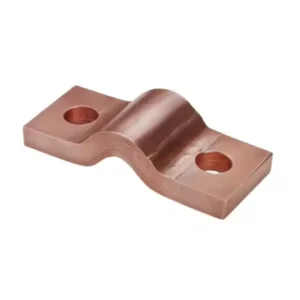
Thick laminated copper and aluminum electrical busbars (5.0mm - 12.0mm thickness) for solar central inverters, wind turbine power distribution cabinets, and grid-scale energy storage systems (BESS), stamped with zero burr thresholds.
Rail & Transportation Infrastructure
Bogie structural plates, coupler bracket supports, line tensioners, and track fastener plates processed via progressive heavy blanking and coining to withstand extreme vibration dynamics.
Industrial HVAC & Power Generation
Heavy compressor mounting bases, heat exchanger end-plates, vibration-dampening brackets, and transformer structural shells formed from corrosion-resistant galvannealed steel stock.
Mining & Heavy Defense Systems
Thick armored plate brackets, conveyor structural supports, and wear-resistant chute liners blanked and formed under high-tonnage hydraulic lines requiring strict batch heat treatment.
Technological Innovations Driving Heavy Stamping
How Industry 4.0, servo-electric press advancements, and green alloy formulation are reshaping global heavy plate forming operations.
1. Servo-Hydraulic Dynamic Motion Control
Traditional mechanical crank presses struggle with extreme springback in high-strength materials. Next-generation 1,500T+ servo-driven hydraulic presses allow fully customizable stroke-velocity profiles. By dwelling at the bottom of the stroke, residual internal stresses are relieved, achieving dimensional stability within ±0.05mm on 10mm thick structural plates.
2. In-Die Sensing & Real-Time Quality Monitoring
Modern progressive dies for heavy gauge parts integrate piezoelectric force sensors, optical eddy-current sensors, and laser thickness monitors. These systems instantly detect die wear, blank misfeeds, or material hardness variations, auto-stopping the press line to prevent die damage and batch defects.
3. Hybrid Laser Blanking + Stamping Form Lines
To minimize initial capital expenditure for low-to-medium volume procurement, export factories deploy high-power 20kW fiber laser blanking lines to cut thick coil contours, followed by high-tonnage single-station press forming. This hybrid approach slashes initial die cost by 50% while accelerating initial sample delivery.
Global Enterprise Sourcing Criteria & Quote Evaluation
Key technical considerations for international procurement directors evaluating heavy gauge stamping quotes and factory auditing protocols.
| Evaluation Parameter | Standard Supplier Capability | Tier-1 China Exporter Benchmark (Sunmy Spec) | Impact on Total Cost of Ownership (TCO) |
|---|---|---|---|
| Press Capacity Range | 100T – 500T (Light Stamping) | 600T – 3,000T Mechanical & Servo-Hydraulic | Enables single-hit forming of thick structural plates, eliminating secondary welding. |
| Material Processing Limits | Up to 3.0mm Mild Steel | 3.0mm – 20.0mm (HSLA, Stainless, Heavy Copper) | Reduces overall part assembly count by integrating structural load requirements. |
| Tooling Steel Selection | Standard Cast Iron / Cr12 Steel | Imported D2, SKD11, DC53, Tungsten Carbide Inserts | Extends die life from 100,000 to over 1,000,000 strokes, lowering amortization cost. |
| Quality Certification | ISO 9001 Only | ISO 9001:2015 + IATF 16949 (Automotive Grade) | Guarantees zero-defect incoming quality and complete PPAP Level 3 documentation. |
| Inspection Verification | Manual Vernier & Caliper Check | Automated CMM, 3D Blue-Light Scan, Optical Comparator | Ensures 100% compliance with GD&T true position tolerances on heavy assemblies. |
Frequently Asked Questions by Global Procurement Teams
Clear engineering answers regarding tolerances, tooling lead times, DFM optimization, and international shipping for heavy metal stampings.
What plate thickness ranges qualify as "heavy gauge metal stamping"?
Heavy gauge metal stamping generally encompasses raw sheet metal stock ranging from 3.0mm (0.118 inches) up to 20.0mm (0.787 inches) in thickness. While standard precision stamping handles materials under 3.0mm, heavy gauge stamping requires specialized high-tonnage hydraulic or mechanical presses (typically 600 Tons to 3,000 Tons) to blank, pierce, coin, and form thick structural carbon steels, high-strength low-alloy (HSLA) formulations, stainless steel, and heavy copper busbars.
How do Chinese exporters manage springback in high-strength low-alloy (HSLA) steel stampings?
Managing springback in heavy HSLA steel requires advanced predictive simulation and die engineering. Exporters utilize specialized finite element analysis software (such as AutoForm or PAM-STAMP) to calculate elastic recovery before machining the die. Key shop-floor mitigation strategies include: 1) Over-bending die geometries to compensate for angle relaxation; 2) Implementing coining or strike-press stations at the bottom of the stroke to set residual stresses; 3) Utilizing servo-hydraulic presses with controlled bottom-dwell times; and 4) Applying warm-forming techniques for ultra-high-strength steel grades.
What information is required to receive an accurate heavy gauge stamping quote?
To provide a precise engineering quote and DFM report, please furnish: 1) 3D CAD files (STEP, IGES, or X_T format) alongside 2D engineering drawings with GD&T specs; 2) Material designation (e.g., Q355B, S500MC, Stainless 304, Copper ETP) including preferred thickness tolerances; 3) Annual Volume & Batch Size (to determine whether progressive dies, transfer dies, or hybrid laser-cut tooling is most cost-effective); 4) Surface finish specs (e.g., e-coating, hot-dip galvanizing, powder coating, zinc plating); and 5) Inspection requirements (e.g., CMM report, PPAP Level 3, FAI).
What is the typical tooling lead time and lifespan for progressive heavy gauge dies?
Standard tooling fabrication lead time for heavy gauge progressive dies ranges from 4 to 7 weeks, depending on die complexity, tonnage requirements, and number of stations. Initial T1 sample inspection reports (with CMM data) are typically submitted within 5 days of die trial completion. Utilizing premium tool steels such as D2, SKD11, or DC53 with vacuum heat treatment (HRC 58-62) guarantees die lifespans ranging from 500,000 to over 1,000,000 strokes, supported by free lifetime die maintenance for continuous production clients.
How do you ensure burr-free edges and flat mating surfaces on heavy stamped plates?
Thick plate punching naturally produces a shear zone followed by a breakout zone, which can leave edge burrs if not properly controlled. We enforce tight punch-to-die clearances (typically 8% to 12% of material thickness depending on tensile strength) and utilize fine-blanking or secondary shaving die stations to maintain clean vertical shear edges. For critical sealing or mounting surfaces, we deploy secondary vibratory deburring, double-disc grinding, or CNC surface milling to achieve flatness within 0.05mm across large mounting spans.
Which quality verification documents accompany international export shipments?
Every export shipment from our facility includes a comprehensive quality dossier containing: 1) Raw Material Test Certificate (MTC) per EN 10204 3.1 verifying chemical composition and mechanical properties; 2) First Article Inspection (FAI) Report; 3) CMM Dimensional Inspection Data covering key GD&T features; 4) Surface Finish & Plating Thickness Reports (salt-spray test reports where applicable); and 5) RoHS & REACH Compliance Documentation.
Explore Our Full-Range Custom Precision Manufacturing
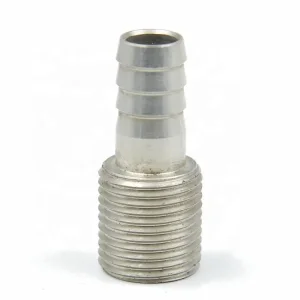
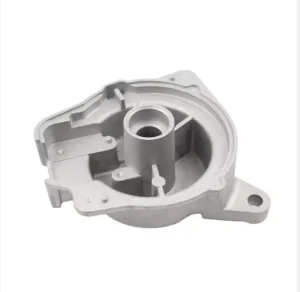
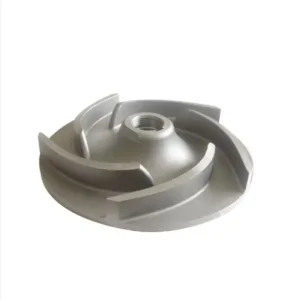
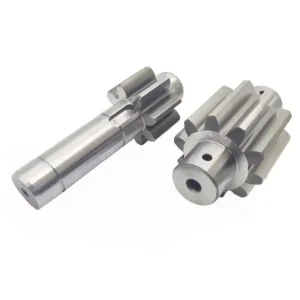
Comprehensive custom hardware manufacturing, from CNC precision turning and lost-wax investment casting to heavy electrical copper busbar fabrication.
Ready to Optimize Your Heavy Gauge Stamping Program?
Submit your 3D CAD files and 2D engineering drawings to receive a comprehensive Design for Manufacturability (DFM) review and factory-direct quotation within 24 hours.