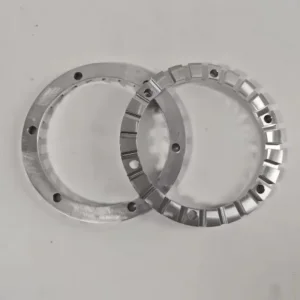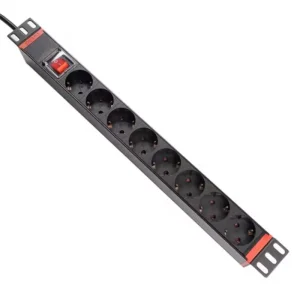
Precision Engine & Hardware Prototype Components
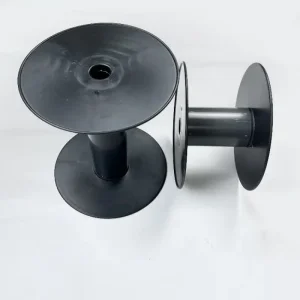
High-Quality Custom Precision Injection Molded Plastic Cable Spool & Wire Bobbin
View Details & Quote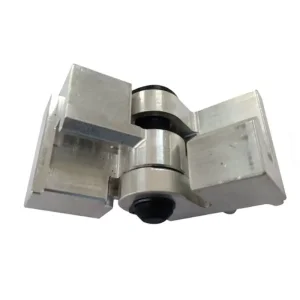
ODM Custom Precision CNC Machined Aluminum Hinge Assembly | Structural Connectors
View Details & Quote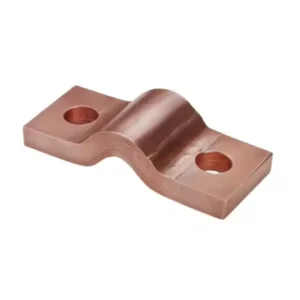
China Custom Flexible Laminated Copper Busbar for Battery & Electrical Equipment
View Details & Quote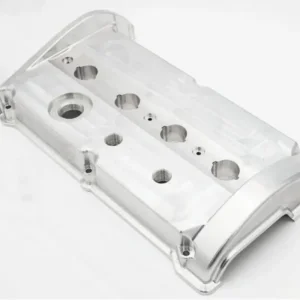
High-Precision CNC Machined 7075 Aluminum Valve Cover Custom Performance Solution
View Details & Quote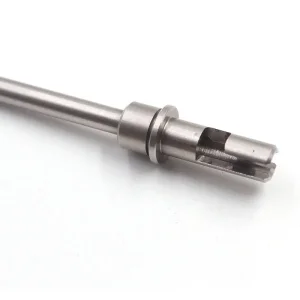
High-Quality Precision CNC Turned Stainless Steel Stepped Shaft Custom Solutions
View Details & Quote
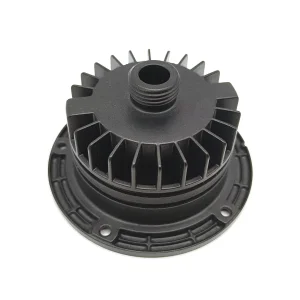
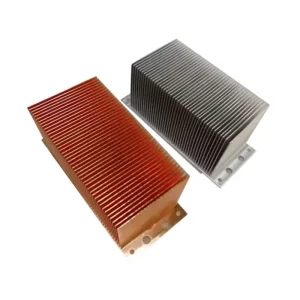
High-Performance Aluminum & Copper Skived Fin Heat Sink for Industrial Electronics
View Details & QuoteNavigating Modern Casting Prototyping Services & RFQ Architecture
Transitioning from concept to high-volume manufacturing requires bridging the critical gap between mechanical design, metallurgical integrity, and scalable tooling costs. Prototype casting represents the essential pre-production paradigm for industrial OEMs.
Eliminating Tooling Risk
Traditional die-casting steel molds require substantial capital outlay ($15,000–$100,000+) and months of lead time. Modern custom casting prototyping leverages additive sand printing and investment wax patterns to eliminate initial hard-tooling capital risks before design freezing.
Metallurgical Validation
Unlike standard billet CNC machining, which alters grain boundary alignment and fails to emulate as-cast thermal behavior, casting prototypes provide true isotropic grain structures, validating structural damping, porosity distribution, and heat dissipation characteristics under actual operational loads.
Accelerated Speed-to-Market
By implementing hybrid direct-to-metal and additive pattern technologies, project lead times drop from 16–24 weeks down to 7–14 calendar days. This allows automotive, aerospace, and medical engineering teams to achieve rapid iteration cycles.
Comparing Rapid Casting Technologies
Selecting the optimal rapid prototyping methodology requires evaluating part complexity, material requirements, surface finish specifications (Ra), and production volume scalability.
| Casting Method | Pattern / Mold Tech | Suitable Alloys | Dimensional Accuracy | Surface Roughness (Ra) | Typical Lead Time |
|---|---|---|---|---|---|
| Rapid Investment Casting | SLA 3D Printed Wax / PMMA Patterns | Aluminum, Stainless Steel, Titanium, Inconel | ±0.10 mm to ±0.25 mm | 3.2 – 6.3 µm | 7 – 12 Days |
| 3D Printed Sand Casting | Binder Jetting Furan/Phenolic Sand | Grey Iron, Ductile Iron, Large Aluminum Alloys | ±0.30 mm to ±0.50 mm | 6.3 – 12.5 µm | 5 – 10 Days |
| Rapid Vacuum Die Casting | Soft Aluminum / P20 Steel Quick Tooling | ADC12, A380, AlSi10Mg, Magnesium AZ91D | ±0.05 mm to ±0.15 mm | 1.6 – 3.2 µm | 14 – 21 Days |
| Plaster Mold Casting | CNC Rubber Pattern / Gypsum Mold | Zinc Alloys, Low-Temp Aluminum (A356) | ±0.15 mm to ±0.30 mm | 1.6 – 3.2 µm | 10 – 15 Days |
Why Sourcing Casting Prototypes in China Yields Competitive Advantage
The convergence of advanced metallurgical engineering, digital manufacturing ecosystems, and complete regional supply chains gives Chinese prototype foundries unparalleled agility.
Hyper-Integrated Supply Ecosystem
Situated in advanced industrial hubs such as Shenzhen and Dongguan, prototype facilities operate adjacent to specialized pattern makers, alloy smelters, heat treatment centers, and high-precision 5-axis CNC post-processing shops. This proximity eliminates transit latency between production steps.
Advanced AI-Driven DFM Engineering
Chinese foundries utilize advanced Magmasoft®, ProCAST, and Moldflow® simulation routines during initial quote evaluation. Engineers perform thermal dissipation, mold filling, and solidification stress analysis prior to pattern creation to guarantee zero-defect casting prototypes.
Unmatched Total Cost of Ownership (TCO)
By blending low-cost digital pattern technologies with rapid tooling strategies, global buyers achieve up to 60–70% cost reduction on low-to-medium prototype quantities compared to North American or European domestic job shops, without sacrificing material certifications.
Macro Industry Solutions & Sector Applications
Custom casting prototyping services power critical engineering breakthroughs across diverse high-reliability sectors, ensuring structural integrity and geometric precision under extreme operational conditions.
Automotive & EV Powertrain Structural Node Prototypes
Next-generation Electric Vehicles require lightweight mega-castings, motor housings, and battery enclosure side rails. Rapid prototype casting allows OEM automotive engineers to test crashworthiness, thermal performance, and NVH (Noise, Vibration, and Harshness) metrics using alloy compositions such as AlSi7Mg0.3 (A356) and T6 heat treatment schedules prior to multi-million dollar die tooling investments.
Aerospace Propulsion & Structural Components
Turbine impellers, compressor housings, and structural brackets demand stringent void-free integrity. Utilizing ceramic-shell lost-wax investment casting paired with SLA resin patterns, aerospace contractors manufacture complex, thin-walled nickel superalloy (Inconel 718) and titanium components that comply with AS9100D standards and undergo 100% Radiographic Testing (RT).
Medical Diagnostic Equipment & Surgical Tooling
High-end imaging equipment (CT scanners, MRI gantries) and surgical robotic end-effectors require biocompatible, non-magnetic stainless steel (316L) and aluminum housings. Vacuum-assisted casting prototypes ensure seamless surface finishes, critical dimensional repeatability, and strict compliance with medical device manufacturing regulations.
Robotics & High-Dynamic Automation Actuators
Humanoid robotics and articulated industrial arms require extremely high strength-to-weight ratios. Prototype investment castings in magnesium and high-strength aluminum alloys yield complex internal lattice structures and hollow passages for wiring harnesses that are impossible to machine from solid bar stock.
Macro Industry Trends & Technological Paradigm Shifts
The industrial hardware casting domain is undergoing rapid technological convergence. Understanding these technological trends enables procurement directors to stay ahead of market shifts.
1. Zero-Tooling Binder Jetting Sand Printing
The industrial adoption of digital 3D sand printing (Binder Jetting) allows foundries to convert CAD files directly into silica or ceramic sand molds within hours. This eliminates core boxes, draft angles, and split lines, enabling radical design freedom and topology-optimized casting geometries.
2. Hybrid Additive-Subtractive Manufacturing Workflow
Modern prototype shops combine rapid near-net-shape casting with high-speed 5-axis CNC post-machining. This hybrid approach delivers complex internal cooling galleries with micro-inch level mating surfaces and tight hole location tolerances (down to ±0.005mm).
3. Decarbonization & Green Foundry Operations
ESG metrics are reshaping global manufacturing supply chains. Modern Chinese prototype foundries are deploying electric induction melting furnaces powered by clean energy, utilizing closed-loop reclaimed sand systems, and certifying carbon footprints under ISO 14064 international standards.
Evaluating Quotes & Managing Risk in Prototype Sourcing
A rigorous procurement framework goes beyond analyzing unit price per kilogram. Sourcing managers must evaluate verification protocols, quality control measures, and total lead-time reliability.
Mandatory Metallurgical & Quality Documentation
When requesting quotes for custom casting prototypes, enterprise procurement teams should insist on comprehensive quality documentation. Every shipment must include:
- Material Test Reports (MTR): Spectrometric chemical analysis verifying alloy composition compliance (ASTM / EN standards).
- CMM Inspection Data: Full 3D Coordinate Measuring Machine reports verifying critical datum positions and geometric tolerances.
- Non-Destructive Testing (NDT): X-ray inspection for internal shrink porosity and dye penetrant testing for surface cracks.
- Mechanical Property Testing: Tensile strength, yield strength, elongation percentage, and Hardness (HB/HRC) test certificates.
Mitigating Hidden Costs & Schedule Slippage
Unusually low quotes often indicate missing processing steps. Ensure your supplier’s RFQ breakdown explicitly includes:
- Gating & Riser Removal: Precision grinding and surface blending of gate stubs.
- Heat Treatment Cycles: T4, T5, T6 solutionizing and artificial aging treatments.
- Post-Machining Fixturing: Custom CNC holding fixtures required for thin-walled casting geometries.
- Export Packaging: VCI corrosion-inhibitor packaging and ISPM-15 compliant heat-treated wooden crates for international transit.
Frequently Asked Questions on Custom Casting Prototyping
In-depth technical answers to critical engineering and procurement queries regarding lead times, material specs, tolerances, and RFQ requirements.
Precision Industrial & Sensor Assembly Solutions
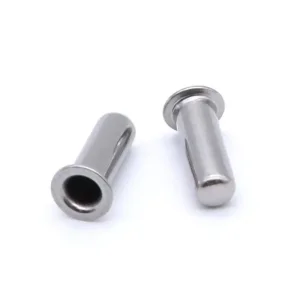
ODM Custom SS316 Flanged Temperature Sensor Housing - Deep Drawn High Precision
View Details & Quote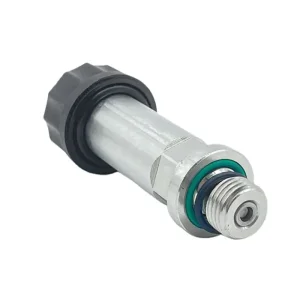
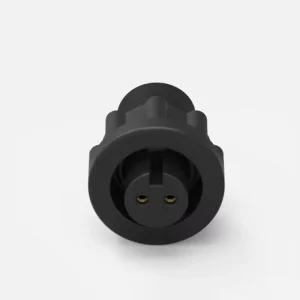
High-Quality China IP67 2-Pin Waterproof Circular Connector Durable Nylon Series
View Details & Quote
OEM Custom Flexible Laminated Copper Busbars for Battery & Electrical Equipment
View Details & Quote