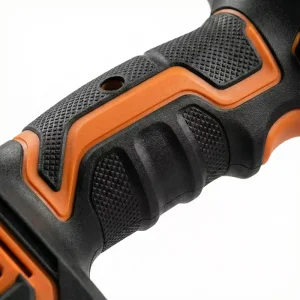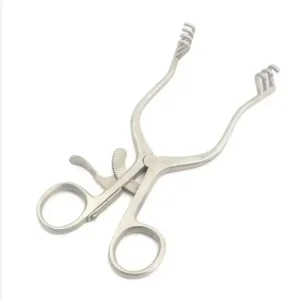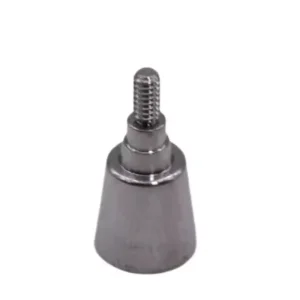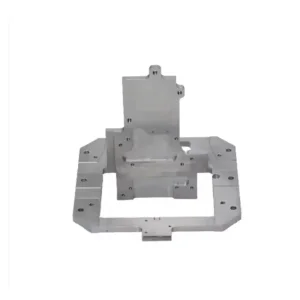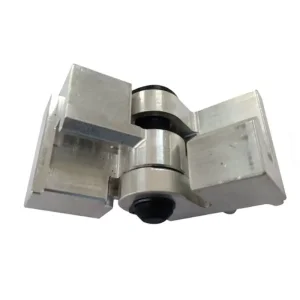
Precision Engineered Products (Group A)
Verified factory outputs manufactured to strict tolerance standards, featuring full First Article Inspection (FAI) and Coordinate Measuring Machine (CMM) compliance reports.
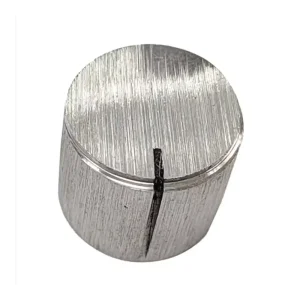
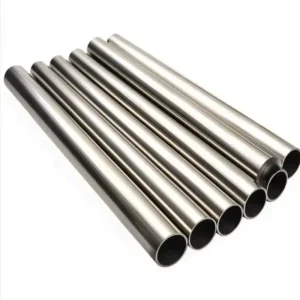
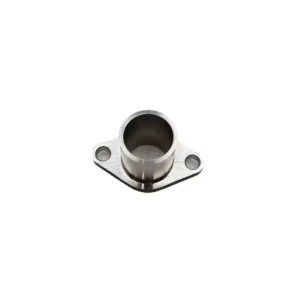
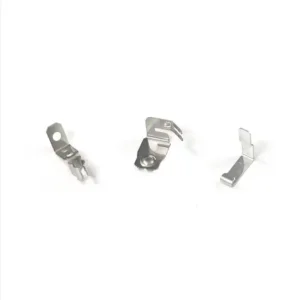
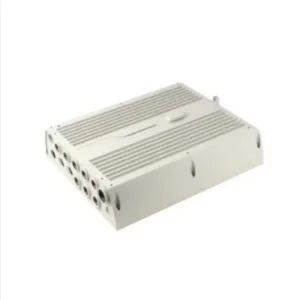
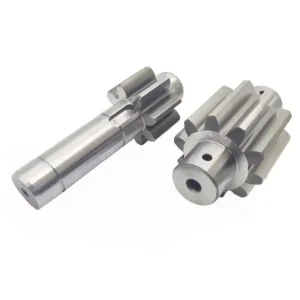
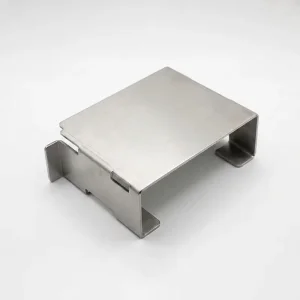
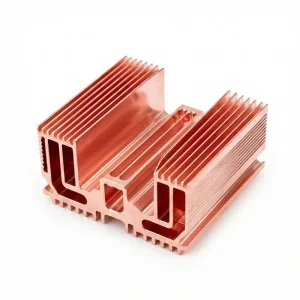
1. Macro-Industrial Architecture of China’s Metal Machining Ecosystem
Decoding the technical depth, vertical integration, and structural advantages of modern Chinese precision engineering hubs.
The global precision manufacturing landscape has undergone a monumental shift toward hyper-specialized, multi-process engineering ecosystems. China’s metal machining sector—headquartered prominently across the Greater Bay Area (Shenzhen-Dongguan-Guangzhou corridor) and the Yangtze River Delta—represents the world's most concentrated infrastructure for custom metal component fabrication. For multinational procurement directors, chief technology officers, and engineering leads, evaluating a China Metal Machining Supplier & Factory requires moving beyond simple unit-cost comparisons to examine systemic capabilities: raw material supply chain responsiveness, multi-axis machine tool utilization, in-house metallurgy verification, and international regulatory compliance frameworks.
Modern Chinese machining facilities have evolved far past legacy rapid prototyping shops. Today's Tier-1 suppliers operate fully integrated smart factories equipped with 5-axis simultaneous CNC milling centers, high-speed Swiss-type precision turning lathes, high-pressure aluminum and zinc die-casting cells, and automated progressive stamping presses. By coupling this advanced machinery with direct localized access to primary and secondary metallurgy markets (including specialized aviation-grade aluminum alloys, surgical stainless steels, titanium grades, and refractory metals), Chinese factories drastically compress design-to-market cycles while preserving micron-level geometric accuracy.
2. Technical Breakdown: Advanced Machining & Fabrication Processes
An engineering evaluation of multi-process production channels, tolerance stackups, and material behaviors.
Multi-Axis CNC Milling & Turning
High-precision subtractive manufacturing leveraging Mazak, DMG Mori, and Brother 5-axis machining centers. Tailored for complex organic geometries, aerospace brackets, housing blocks, and high-frequency communication modules. Achieves positional accuracy down to ±0.005 mm and surface roughness profiles of Ra 0.4 µm.
Swiss High-Speed Precision Turning
Designed for cylindrical components, miniature medical shafts, capillary tubes, and intricate connectors. Dual-spindle Swiss lathes execute simultaneous turned, cross-milled, and tapped features in a single setup, eliminating secondary chucking errors and guaranteeing concentricity under 0.003 mm.
High-Pressure Die Casting & Investment Casting
Cost-optimized for high-volume structural enclosures, water valves, impellers, and heat sinks. Utilizing A380, ADC12 aluminum, and 316L stainless steel investment casting. Post-casting CNC machining ensures sealing surfaces and bearing bores meet critical engineering tolerances.
Engineering Material & Tolerance Selection Matrix
| Material Category | Common Standard Grades | Achievable CNC Tolerance | Typical Surface Finish | Primary Application Scenarios |
|---|---|---|---|---|
| Aluminum Alloys | AL6061-T6, AL7075-T6, AL5052, ADC12 | ±0.005 mm to ±0.010 mm | Ra 0.8 - 3.2 µm (Anodized) | Avionics, EV Heatsinks, Structural Brackets |
| Stainless Steels | SS304, SS316L, 17-4PH, SS303 | ±0.008 mm to ±0.015 mm | Ra 0.4 - 1.6 µm (Passivated) | Medical Instruments, Fluid Valves, Marine |
| Copper & Brass | C11000 Copper, C36000 Brass, Phosphor Bronze | ±0.005 mm to ±0.010 mm | Ra 0.4 - 0.8 µm (Electroplated) | Battery Contacts, Busbars, RF Shielding |
| Titanium Alloys | Ti-6Al-4V (Grade 5), Grade 2 Pure Ti | ±0.010 mm to ±0.020 mm | Ra 0.4 - 1.2 µm (Polished) | Surgical Implants, Orthopedic Abutments |
| Engineering Plastics | POM (Delrin), PEEK, PTFE, ABS, PC | ±0.015 mm to ±0.030 mm | Ra 1.6 - 3.2 µm (As-Machined) | Insulators, Control Knobs, Custom Gears |
3. Strategic Supply Chain Dynamics & Cost Structures in China
Why leading global original equipment manufacturers (OEMs) leverage China’s full-cycle machining infrastructure.
Vertical Integration & Cycle Compression
Unlike regional machine shops that outsource heat treatments, surface anodizing, plating, and CMM validation to secondary vendors, established Chinese factories consolidate the entire value chain under one quality control umbrella. This tight integration slashes production lead times from months to days, allowing engineering teams to rapidly prototype, iterate, and transition seamlessly into high-volume manufacturing runs.
Raw Material Liquidity & Custom Metallurgy
China accounts for a dominant share of global aluminum, copper, and stainless steel processing. Local machine shops source directly from certified mills, ensuring raw material certificates (MTRs) match international standards such as ASTM, DIN, JIS, and ISO. Furthermore, specialized alloys can be custom-smelted or extruded in smaller minimum batch sizes, giving hardware startups and industrial enterprise buyers unprecedented flexibility.
Tooling Amortization & DFM Feedback
Tooling and fixture development costs in China remain significantly lower than in Western Europe or North America. Advanced shops provide complimentary Design for Manufacturability (DFM) audits prior to cutting metal. Experienced tooling engineers analyze draft angles, deep-cavity milling tool deflection, wall thickness consistency, and thread engagement to preempt manufacturing defects before production commences.
4. Localization Support, Global Compliance & IP Protection
Instituting rigorous governance frameworks to guarantee quality assurance, regulatory compliance, and hardware security.
Regulatory Compliance & Certifications
Navigating global trade compliance requires strict adherence to international standard frameworks. Leading Chinese precision machining suppliers maintain comprehensive compliance certifications including ISO 9001:2015 (Quality Management), IATF 16949 (Automotive Quality Management System), ISO 13485 (Medical Devices), and AS9100D (Aerospace). Every batch of parts is supplied with full material traceability, RoHS compliance documentation, and REACH verification.
Intellectual Property (IP) Protection Controls
Protecting client intellectual property is paramount during cross-border contract manufacturing. Modern Tier-1 facilities institute multi-layered IP security protocols: non-disclosure agreements (NDAs) governed by international jurisdiction, segregated air-gapped CAD/CAM server networks, compartmentalized floor access where machining operators only access single-part schematics, and secure digital file destruction post-production.
VMI & Global Logistics Warehousing
To eliminate supply disruption risks, Chinese metal suppliers offer Vendor Managed Inventory (VMI) buffers and localized warehousing support. By staging safety stock at key logistics hubs across Europe and North America, buyers enjoy short delivery lead times alongside the cost efficiency of bulk manufacturing in China.
5. Global Corporate Procurement Needs & Quality Decision Matrices
How Fortune 500 buyers and high-growth technology enterprises evaluate and qualify vendor partnerships.
The Total Cost of Ownership (TCO) Evaluation Framework
Global sourcing teams no longer look exclusively at piece-part pricing on an RFQ (Request for Quote). True procurement strategy evaluates the holistic Total Cost of Ownership (TCO), balancing unit price against potential quality risks, late delivery penalties, and communication friction. A qualified China metal machining factory must demonstrate technical excellence across four operational pillars:
1. Quality Assurance Infrastructure
In-house inspection equipment including Zeiss CMMs, optical measuring projectors, X-ray fluorescence (XRF) material analyzers, and automated thread gauges ensuring absolute zero-defect shipments.
2. Engineering Responsiveness
Dedicated bilingual project managers and senior CNC engineers providing detailed DFM suggestions, 24-hour RFQ turnaround times, and real-time production monitoring portals.
3. Scalability & Process Range
Ability to support quick-turn prototype quantities (1–10 parts via CNC machining) and scale smoothly to mass production (100,000+ units via die casting or stamping) under the same engineering team.
4. Sustainable Manufacturing
Adherence to environmental standards, clean lubricant recovery systems, recycled aluminum alloy utilization, and energy-efficient machine tool operations matching global ESG directives.
6. Industry Trends: The Future of Precision Machining (2025-2030)
Pioneering advancements in AI-driven machining automation, hybrid additive manufacturing, and ultra-precision surface engineering.
AI-Driven Smart CNC Tool Paths
Integration of artificial intelligence and machine learning algorithms into CAM (Computer-Aided Manufacturing) software. Predictive tool wear sensors monitor vibration, thermal expansion, and spindle load in real time, automatically adjusting feed rates to preserve micron tolerances and eliminate dynamic chatter during deep pocket milling.
Hybrid Additive-Subtractive Processing
Combining Direct Energy Deposition (DED) or Selective Laser Melting (SLM) metal 3D printing with secondary 5-axis CNC machining. This hybrid workflow allows engineers to produce complex internal cooling channels within copper heat sinks or aerospace brackets before finish-machining mounting faces to absolute precision.
Micro-Machining for Physical AI & Robotics
As humanoid robotics, micro-fluidics, and medical devices shrink in scale, demand for micro-machining has surged. Advanced Swiss turning and micro-milling machines utilize cutting tools with diameters as small as 50 microns, enabling mass production of planetary gearboxes, harmonic drive components, and surgical end effectors.
7. Specialized Application Scenarios Across Mission-Critical Verticals
Custom metal components engineered to perform under extreme mechanical stress, high thermal loads, and corrosive environments.
Medical Devices & Surgical Tools
Custom CNC-turned titanium implant abutments, surgical retractors, and fluid manifold blocks. Manufactured in ISO 13485 environments using implant-grade Ti-6Al-4V ELI and SS316L, featuring passivated anti-corrosive finishes and complete biocompatibility reports.
Telecommunications & 5G/6G Infrastructure
Aluminum die-cast transceiver housings, RF shielding enclosures, and custom copper heat sinks. Engineered with complex fin geometries for optimal passive thermal management and nickel/silver electroplating to prevent electromagnetic interference (EMI).
Robotics & Industrial Automation
High-precision spur gear shafts, robot finger joint links, HTD timing pulleys, and custom mounting brackets. Machined with high fatigue-resistance alloys (7075-T6 aluminum and 4140 chromoly steel) to support continuous dynamic loads with minimal backlash.
Aerospace & Automotive Powertrain
Lightweight structural brackets, engine end bell housings, and sensor housings. Fabricated under stringent aerospace standards, utilizing 5-axis milling to eliminate unnecessary weight while maintaining high structural rigidity.
8. Comprehensive Engineering & Procurement FAQ
Addressing common technical, operational, and commercial questions from global hardware procurement leads.
What is the standard tolerance range achievable by your CNC machining facilities?
Our standard linear tolerance for CNC milling and turning is ±0.010 mm. For critical functional features—such as bearing press-fit bores, turned valve shafts, and alignment pin locations—our temperature-controlled precision workshops consistently achieve tight tolerances down to ±0.005 mm. Dimensions are verified using CMM and optical measuring devices before shipment.
How do you verify material authenticity and raw stock quality?
Every batch of metal stock received at our factory undergoes incoming quality control (IQC). We utilize X-ray Fluorescence (XRF) optical emission spectrometers to verify chemical composition against standard ASTM/DIN specifications. Each order is delivered with full Mill Test Reports (MTRs) and material traceability certificates.
What secondary surface finishing operations are managed in-house or through audited partners?
We offer a complete suite of post-machining surface treatments: Type II and Type III Hard Anodizing (with custom color matching), Electroless Nickel Plating, Passivation (ASTM A967), Electropolishing, Bead Blasting, Powder Coating, Chromate Conversion Coating (Chem Film), and Laser Etching. All surface processes pass salt-spray corrosion tests per ASTM B117 standards.
What CAD file formats do you require for quotation and DFM analysis?
We accept native 3D CAD formats including STEP (.stp, .step), IGES (.igs), SolidWorks (.sldprt), and Parasolid (.x_t). For drawing inspection and tolerance callouts, please include 2D PDF drawings with clear GD&T (Geometric Dimensioning and Tolerancing) annotations.
What is your procedure for First Article Inspection (FAI) and sample sign-off?
Prior to launching mass production runs, we produce initial prototype samples and issue a full First Article Inspection (FAI) report adhering to AS9102 guidelines. The FAI package includes 100% dimensional measurement charts, ballooned drawings, material certifications, and surface roughness test data for client engineering sign-off.
How do you handle shipping, customs clearance, and global trade logistics?
We provide comprehensive shipping terms including EXW, FOB, CIF, DDP (Delivered Duty Paid), and DAP. Through established partnerships with international freight forwarders (DHL, FedEx, ocean freight lines), we manage export documentation, customs clearance, and tariff compliance directly to your facility warehouse.
Precision Engineered Products (Group B)
Discover additional custom metal and composite parts engineered for industrial hardware programs.
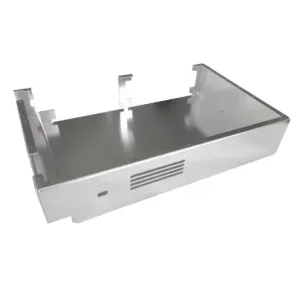
China Custom Precision Sheet Metal Fabrication Stainless Steel & Aluminum Cabinet Enclosures
View Product Details