
Key Hardware Modules for Box Build Systems
High-precision stamped, turned, casted, and molded components engineered to form robust full-system box build assemblies.
The Strategic Evolution of China Box Build Assembly Manufacturing
How end-to-end electromechanical systems integration in China delivers unparalleled speed, economic efficiency, and technical rigor for global OEMs.
In modern industrial manufacturing, the demand for Box Build Assembly—often referred to as full-system electromechanical integration—has surpassed simple printed circuit board assembly (PCBA). Global original equipment manufacturers (OEMs) across North America, Europe, and Asia-Pacific are increasingly delegating complete box build responsibility to specialized China-based EMS (Electronic Manufacturing Services) partners. This strategic shift is driven by the necessity to consolidate supply chains, minimize total landed costs, and compress time-to-market for complex electronic and mechanical hardware systems.
A true China Box Build Assembly program encompasses far more than simple enclosure mounting. It represents a multi-tiered engineering and manufacturing architecture that integrates precision CNC machining, sheet metal stamping, custom die-casting, injection-molded plastics, complex cable harness fabrication, thermal management sub-systems, PCB integration, and multi-stage functional circuit testing (FCT). By leveraging China's dense industrial ecosystem—specifically within high-tech hubs like Shenzhen and Guangdong province—global engineering teams can execute turnkey production runs with unprecedented precision and agility.
Complete Structural Integration
Seamless consolidation of sub-assemblies including structural metal frames, extruded heat sinks, molded front panels, and custom rubber gaskets into unified IP-rated enclosures.
Advanced Electrical Interconnects
Custom wire harness assembly, ribbon cable routing, co-axial connections, and terminal block wiring optimized for signal integrity, EMI shielding, and vibration resistance.
Full Traceability & QA
Systematic serial numbering, barcode asset tracking, device-level firmware loading, and complete quality documentation packages (CMM, FAI, CoC, RoHS, REACH).
Procurement Demand Mapping Across High-Growth Sectors
Uncovering user search intent and technical requirements for global industrial, medical, automotive, and energy applications.
Industrial Automation & Robotics
Procurement directors seeking box build solutions for motion controllers, robotic joint drivers, servo amplifier modules, and industrial PLC cabinets prioritize IP65/IP67 environmental protection, shock/vibration tolerance (IEC 60068 standards), and high-reliability heavy-duty connector integration. Utilizing specialized aluminum die casting alongside multi-layer metal stamping ensures both weight reduction and electromagnetic compatibility (EMC).
Medical Devices & Bio-Tech Instruments
Medical OEM hardware demands absolute precision and strict compliance under ISO 13485 quality systems. Sourcing demands focus on stainless steel sensor probe housings, thermowells, precision fluidic valve manifolds, and biometric monitoring enclosures. Assemblies require cleanroom preparation (Class 10,000 / ISO Class 7), biocompatible surface coatings, low-leakage current wiring, and thorough First Article Inspection (FAI) reports.
Renewable Energy & BESS Systems
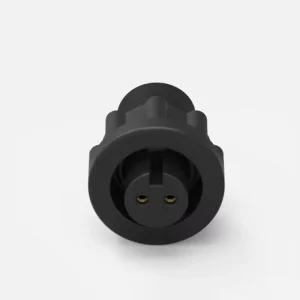
Battery Energy Storage Systems (BESS), solar inverter boxes, and EV fast-charging power conversion modules require specialized high-current busbar stamping, heavy copper contacts (AG13, CR2032, CR2450 coin cell battery contact clips to high-voltage terminals), flame-retardant PBT electrical connector housings (UL94 V-0 certified), and thermally optimized cold-plate heat sinks.
Commercial IoT Gateways & Smart Edge Nodes
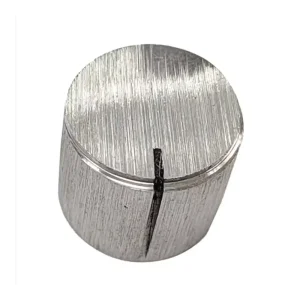
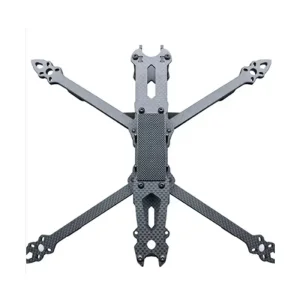
High-density wireless IoT hardware requires carbon fiber structural components, precision CNC-machined aluminum RF shields, brushed finish injection-molded control knobs, and custom silicone sealing overmolds. Procurement intent centers on achieving minimal form factors with maximum heat dissipation and superior RF permeability.
Phase-by-Phase Box Build Manufacturing Architecture
From digital DFM/DFA analysis to automated functional circuit testing—how top China exporters guarantee zero-defect shipment.
Phase 1: Design for Manufacturing & Assembly (DFM / DFA)
Prior to committing capital to tooling or raw material procurement, senior manufacturing engineers conduct a exhaustive DFM/DFA audit. This includes Moldflow simulations for plastic injection control knobs, finite element analysis (FEA) for CNC-machined structural brackets, and tolerance stack-up analysis across mechanical mounting holes and PCBA connector standoffs. Identifying potential interference issues early avoids costly engineering change orders (ECOs) late in the production cycle.
Phase 2: Custom Sub-System & Enclosure Fabrication
A typical complex box build requires multi-process coordination:
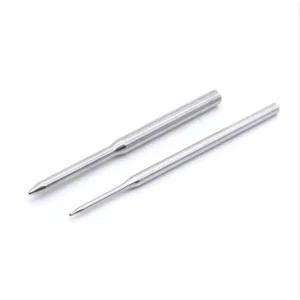
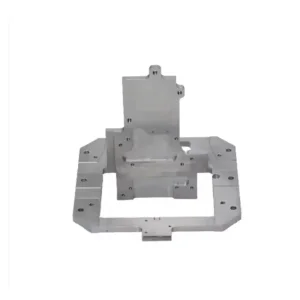
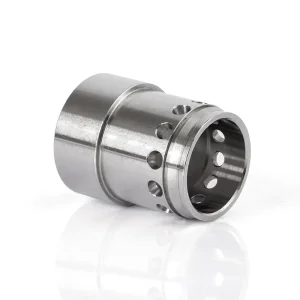
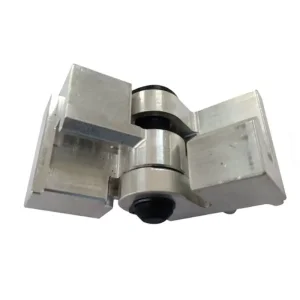
- CNC Milling & Turning: Precision 3, 4, and 5-axis machining of aluminum hinge assemblies, stepped shafts, filter sleeves, and sensor housings holding tight tolerances to ±0.005mm.
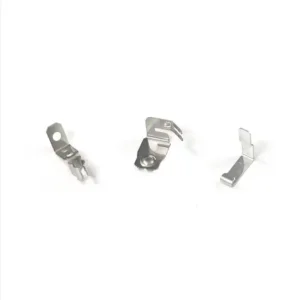
- Metal Stamping & Forming: High-speed automated stamping of phosphor bronze battery contacts, wave spring washers, and sheet metal chassis parts.
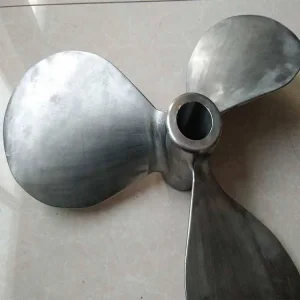
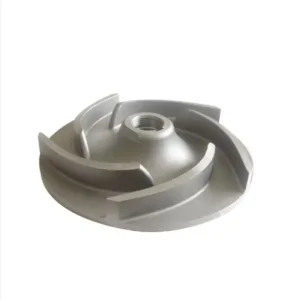
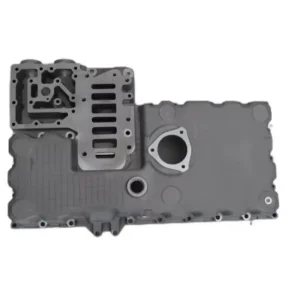
- Precision Casting: Low-pressure cast aluminum clutch oil pans, investment cast marine propellers, and die-cast housing frames yielding optimal strength-to-weight ratios.
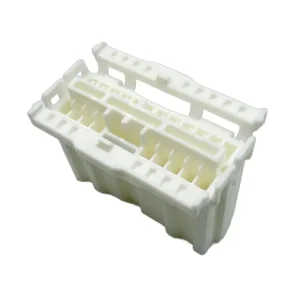
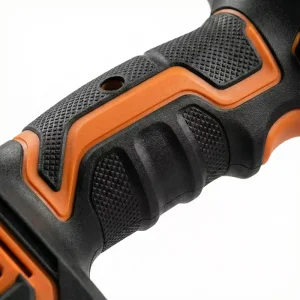
- Injection Molding: Two-shot (2K) injection molding for dual-material power tool handles, PBT automotive electrical connector housings, and flame-retardant project boxes.
Phase 3: System Integration & Electromechanical Assembly
Sub-components flow into ESD-protected assembly lines where skilled operators execute torque-controlled mechanical fastening, cable harness routing, thermal interface material (TIM) application, potting, and sub-assembly snap fits. Automated screw-driving machines and pneumatic press-fit tooling ensure uniform mechanical stress during board mounting.
Phase 4: Comprehensive Quality Control & Testing (FCT/ICT/ESS)
To deliver true plug-and-play capability to international destinations, every completed box build undergoes multi-layer testing protocol:
- In-Circuit Testing (ICT) & Functional Circuit Testing (FCT): Custom test jigs simulate operational environments, verifying voltage levels, communication protocols (CANbus, Modbus, Ethernet, BLE), sensor response, and I/O integrity.
- Environmental Stress Screening (ESS): Thermal cycling (-40°C to +85°C) and burn-in testing under full electrical load identify premature component failure risks (infant mortality).
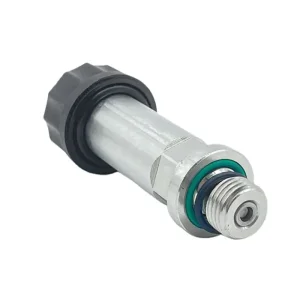
- IP Rating Leak Testing: Pneumatic decay testing for waterproof sensor probe housings and sealed enclosures ensures IP67/IP68 compliance.
- CMM & Optical Inspection: Coordinate Measuring Machines (CMM) and Automated Optical Inspection (AOI) confirm physical geometry and dimensional stability against original 3D STEP models.
Technical Roadmap: AI-Driven Smart Manufacturing & ESG
The future of China's contract assembly landscape is built on digital twins, AI quality vision, and sustainable green manufacturing.
AI Vision Inspection
High-resolution deep-learning optical inspection cameras instantly detect microscopic connector pin misalignment, solder bridging, wire routing errors, and surface finish blemishes across high-speed assembly lines.
Digital Twin & MES Integration
Real-time Manufacturing Execution Systems (MES) link every CNC lathe, injection press, and assembly station. International buyers gain live production visibility, automated SPC tracking, and full batch traceability.
ESG & Green Sourcing
Adopting lead-free soldering processes, low-VOC anodizing and powder coating finishes, recyclable packaging materials, and energy-efficient manufacturing machinery aligned with global net-zero targets.
International Compliance, IP Protection & Global Support
How established China exporters resolve buyer concerns regarding intellectual property, quality compliance, and international shipping logistics.
Strict Intellectual Property (IP) Safeguards
Protecting client IP is fundamental to sustainable contract manufacturing. Trustworthy exporters operate under strict non-disclosure agreements (NDAs) governed by internationally recognized legal frameworks. CAD files (STEP, IGES, DWG) and Gerber files are stored on isolated, encrypted servers with segmented employee access rights. Components are produced in isolated sub-assembly bays to prevent unauthorized design exposure.
Comprehensive Regulatory Compliance
Shipments destined for North America, Europe, Japan, and Australia are fully documented to pass customs and regulatory scrutiny. Material certifications (CoC), mill test reports for raw metals, RoHS/REACH substance compliance declarations, UL safety ratings for electrical components, and IPC-A-610 Class 2/3 assembly standards are fully compiled prior to release.
Flexible Freight & DDP Logistics
China box build exporters offer flexible Incoterms tailored to client risk profiles—including EXW, FOB Shenzhen/Hong Kong, CIF, and complete DDP (Delivered Duty Paid) door-to-door air and sea freight. Custom engineered packaging (vacuum-sealed anti-static ESD bags, drop-tested foam inserts, custom wooden crates) guarantees safe transit under harsh marine conditions.
Transparent Quote & NRE Structure
Professional RFQ evaluation eliminates hidden surprises. Quotes provide itemized line-item clarity: Bill of Materials (BOM) cost breakdown, Non-Recurring Engineering (NRE) tooling for injection molds or stamping dies, custom test fixture costs, and assembly labor rates. Prototype lead times average 10–14 days, with full production scaling in 4–6 weeks.
High-Precision OEM Components & Assemblies
Explore our full line of custom metal, plastic, carbon fiber, and electrical sub-assemblies for turnkey system building.
China Box Build Assembly Sourcing: Expert Q&A
Comprehensive answers to essential technical, financial, and logistical questions raised by global engineering and procurement leaders.
1. What exact deliverables are included in a Turnkey China Box Build Quote?
A comprehensive turnkey box build quote includes complete Bill of Materials (BOM) sourcing (electronic components, mechanical enclosures, cables, fasteners), custom tooling/NRE costs (injection molds, die-casting dies, stamping tooling), surface treatment (anodizing, powder coating, plating), sub-assembly labor, firmware flashing, Functional Circuit Testing (FCT), custom protective packaging, and detailed inspection reports (FAI, CMM, CoC).
2. How do China box build suppliers manage component obsolescence and supply chain risks?
Leading China contract manufacturers employ proactive lifecycle management using real-time global component databases (e.g., SiliconExpert, Octopart). If an active electronic component approaches End-of-Life (EOL) or faces long lead times, our engineering team proposes drop-in, pin-compatible alternatives or redesigns sub-assemblies during the DFM phase, avoiding unexpected line shutdowns.
3. What parameters can be held during precision CNC machining and custom molding?
Standard CNC metal machining tolerances are held to ±0.01mm, while critical features (such as bearing seats or hydraulic valve cores) are ground down to ±0.005mm. Plastic injection molding adheres to DIN 16742 Tg6 standards, and high-precision metal stamping maintains tight pitch tolerances to ensure flawless automated box build fitments.
4. How is IP protected when sharing CAD models, Gerber data, and assembly instructions?
Intellectual Property protection is backed by binding Non-Disclosure Agreements (NDAs). Design data is compartmentalized: enclosure teams only access mechanical files, while PCBA/firmware teams handle electrical files. Firmware is uploaded in secure, encrypted environments, and zero proprietary data is shared with third-party vendors without written consent.
5. What testing documentation is provided prior to global dispatch?
Every production batch includes a Quality Control Documentation Binder containing: First Article Inspection (FAI) report, CMM dimensional measurement sheets, Material Mill Test Certificates (showing chemical composition and tensile strength), RoHS/REACH compliance letters, IP67/IP68 pressure decay test logs, and 100% FCT test pass verification records.
6. What are the typical lead times for prototypes versus mass production box builds?
Rapid prototypes (using 3D printing, CNC machining, and soft-tooled wire harnesses) are delivered within 7 to 14 business days. Hard-tooled mass production (including steel injection molds or die-casting dies) takes 4 to 6 weeks for tooling validation, followed by mass assembly runs completed in 2 to 3 weeks.