Featured Nearshoring Molding Products in Mexico City
Engineered for immediate integration into North American supply chains under USMCA rules, meeting rigorous dimensional and structural standards.
The Mexico City (CDMX) Manufacturing Ecosystem & Industrial Nearshoring Dynamics
The Metropolitan Area of the Valley of Mexico (Zona Metropolitana del Valle de México), encompassing Mexico City (CDMX) and neighboring industrial clusters in the State of Mexico (Estado de México)—such as Toluca, Naucalpan, Tlalnepantla, and Cuautitlán Izcalli—has evolved into one of Latin America's most dynamic centers for high-value advanced manufacturing. As multinational OEMs re-align their global footprint to build resilient, regional supply chains under the United States-Mexico-Canada Agreement (USMCA / T-MEC), the demand for precision ODM plastic injection molding products has expanded dramatically.
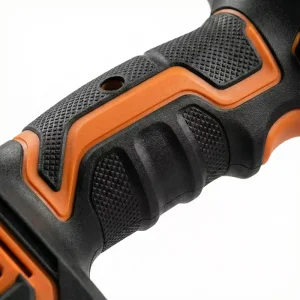
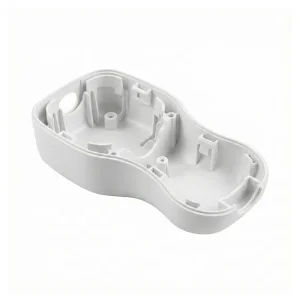
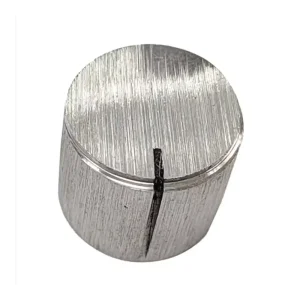
Historically dominated by assembly-heavy operations, the local industrial base in Central Mexico is undergoing a structural transition toward high-precision component fabrication. Engineering hubs in CDMX now require mold tooling and thermoplastic molding solutions capable of achieving sub-millimeter tolerances (±0.005 mm to ±0.01 mm), low warpage rates, and superior cosmetic finishes. This shift is particularly evident in three dominant market vectors:
Automotive Tier-1 & Tier-2 Integration
Supply chain nodes surrounding Toluca and Cuautitlán require glass-reinforced polymers (PA66-GF30, PBT) for under-the-hood solenoids, engine sensor housings, and structural clips operating under continuous thermal cycle stresses up to 180°C.
Medical Device Manufacturing
CDMX serves as a central logistics hub for diagnostic equipment assembly. Cleanroom-molded housings utilizing medical-grade Polycarbonate (PC) and ABS demand strict biocompatibility, chemical resistance, and ultrasonic welding compatibility.
Smart Electronics & POS Systems
Fintech expansion across Mexico City has spurred localized production of point-of-sale (POS) terminals, electronic meters, and telematics modules requiring overmolded keypads, EMI shielding, and IP67 weather sealing.
The Dual Supply Chain Model: China Engineering Precision Meets Mexico City Nearshoring
While establishing local molding production in Mexico is critical for final product assembly and market delivery, building complex, multi-cavity injection molds domestically in Mexico often presents cost and lead-time challenges. Advanced mold tooling requires multi-axis CNC high-speed milling, mirror EDM (Electrical Discharge Machining), and dedicated tooling steel heat treatment infrastructure that requires significant capital expenditure.
To solve this operational bottleneck, global enterprise procurement teams adopt the Hybrid Dual-Supply Chain Model:
| Execution Metric | Traditional Local Mexico Tooling | Pure Offshore (Asia Direct) | Hybrid Model (China Tooling + CDMX Delivery) |
|---|---|---|---|
| Tooling CAPEX Cost | High ($45,000 - $80,000) | Low ($18,000 - $32,000) | Optimized ($20,000 - $35,000) |
| Tooling Lead Time (T1 Samples) | 10 to 14 Weeks | 4 to 6 Weeks | 4 to 5 Weeks (Air Freight T1s) |
| DFM & Moldflow Optimization | Variable / Basic | Advanced In-house Analysis | Comprehensive Moldflow & DFM |
| USMCA Origin Compliance | Fully Compliant | Requires Tariff Clearance | Fully Supported via Mexico Finishing |
| Engineering Support Response | Local (Standard Time) | Time Zone Lag | 24/7 Dedicated Dual-Desk Support |
By leveraging our specialized Shenzhen manufacturing complex for DFM analysis, mold design, steel machining (using premium Japanese NAK80 or Swedish Stavax ESR steel), and initial T1 sample validation, we eliminate tooling trial iterations. Finished high-precision molds or fully molded ODM components are then dispatched to Mexico City assembly centers, reducing total unit costs by 35% to 50% while safeguarding product quality.
Engineering Polymer Matrix & Processing Capabilities
Tailored polymer formulation selection according to mechanical stress, flammability rating, UV exposure, and thermal demands in Mexico City's industrial applications.
Polyamide (PA66 / PA6 + GF)
Properties: High tensile strength, extreme wear resistance, heat deflection up to 220°C with 30% glass reinforcement.
Applications: Automotive solenoid housings, under-hood brackets, industrial gear systems in Mexico manufacturing hubs.
Polycarbonate (PC) & PC/ABS Alloys
Properties: Optical clarity (up to 92% light transmission), high impact strength, UL94 V-0 flame retardancy.
Applications: Medical equipment enclosures, optical light guides, financial POS shells, terminal housings.
POM (Acetal) & PEEK High-Spec Polymers
Properties: Low friction coefficient, dimensional stability, zero moisture absorption, fatigue endurance.
Applications: Precision internal spur gears, fluid control valves, sliding bearings, high-end instrument components.
Localization Support, Regulatory Compliance & Quality Assurance in Mexico
Navigating the regulatory landscape in Mexico requires adherence to stringent national and international standards. For enterprise customers operating in Mexico City, compliance is non-negotiable. Our quality management systems align directly with the documentation pipelines demanded by tier-1 auditors:
1. Regulatory Compliance Framework (NOM & SECON)
Products engineered for the Mexican market comply with relevant Normas Oficiales Mexicanas (NOM), including NOM-001-SCFI for electronic safety and NOM-019-SCFI for data processing equipment. Material certifications (RoHS, REACH, UL Yellow Cards) are provided with every batch shipment, streamlining entry through Mexican customs at Aeropuerto Internacional de la Ciudad de México (AICM) or seaport terminals like Manzanillo and Veracruz.
2. Advanced Quality Documentation (PPAP Level 3 & FAI)
For automotive and medical clients in CDMX, we supply full Production Part Approval Process (PPAP Level 3) packages upon request. Documentation includes:
- Design Failure Mode and Effects Analysis (DFMEA) & Process Flow Diagrams
- Full CMM (Coordinate Measuring Machine) Dimensional Reports verifying critical features
- Material Inspection Certificates & Melt Flow Index (MFI) Validation
- First Article Inspection (FAI) Reports per AS9102 / ISO standards
3. Precision Quality Equipment
Quality control laboratories in our facilities utilize Zeiss 3D CMMs, optical profile projectors, X-ray fluorescence (XRF) spectrometers for RoHS verification, and automated vision inspection systems. Every production run undergoes statistical process control (SPC) to maintain a Cpk index > 1.67 on all critical-to-quality (CTQ) dimensions.
Future Trends in Plastic Injection Molding for North American Supply Chains
As manufacturing technology evolves through 2025 and toward 2030, several key technological shifts are redefining the plastic injection molding sector across Mexico City and North America:
Sustainable & Recyclable Polymers
Driven by corporate ESG commitments in Mexico and North America, buyers are shifting toward Post-Consumer Recycled (PCR) resins and bio-based polyolefins. Advanced tooling designs now incorporate modified gate geometries to accommodate wider resin viscosity variations without sacrificing mechanical performance.
Smart Sensor Embedded Tooling
Real-time cavity pressure and temperature sensing integrated directly into molds enables continuous monitoring during injection. This data stream allows instant detection of short shots or flash, ensuring zero-defect shipment rates for high-reliability medical and automotive orders.
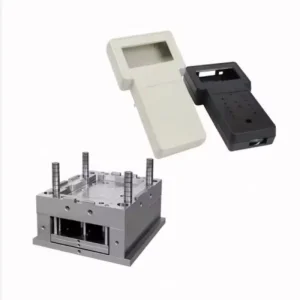
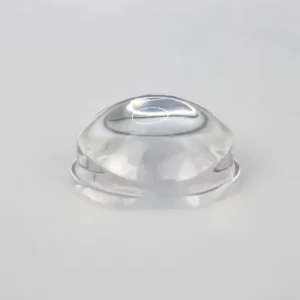
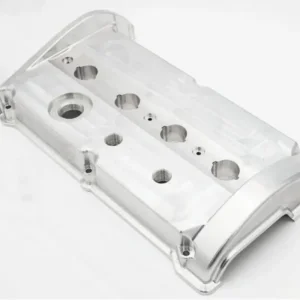
Comprehensive ODM Plastic Components Catalog
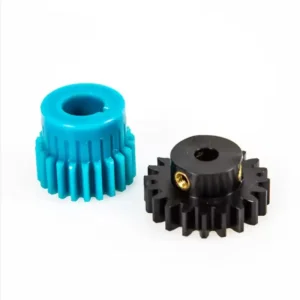
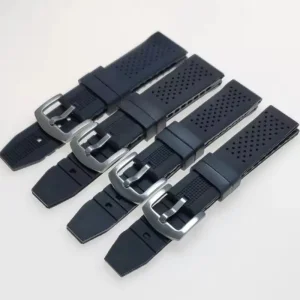
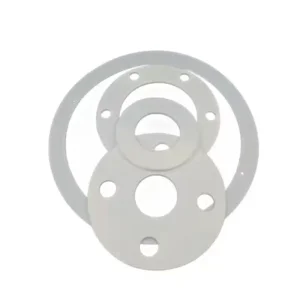
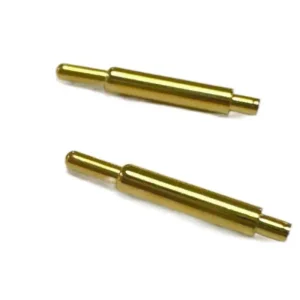
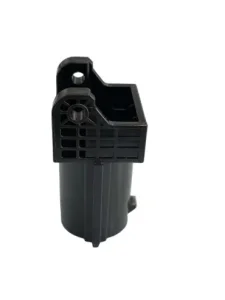
Explore our full line of precision molded solutions, custom hardware accessories, and electronic enclosures deployed in global and Mexico City manufacturing projects.
Frequently Asked Questions for Mexico City OEM Projects
Clear answers regarding tooling shipping, USMCA rules of origin, DFM validation, lead times, and quality control.
How do you support nearshoring manufacturing programs in Mexico City?
What minimum tolerances can your plastic injection molding process hold?
How do you ensure IP protection during the DFM and tooling phase?
Which quality documentation accompanies shipments to Mexico?
What CAD formats should we provide for DFM and RFQ analysis?
What are the typical lead times for tooling and initial samples?
Accelerate Your Mexico City Molding Program Today
Partner with a certified ODM plastic injection molding manufacturer. Send your 3D drawings or technical specifications today for a confidential DFM review and detailed quote within 24 hours.
Send Inquiry Now