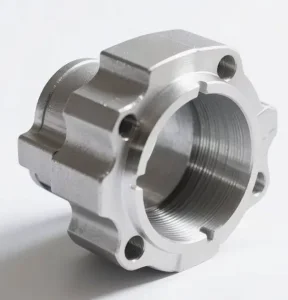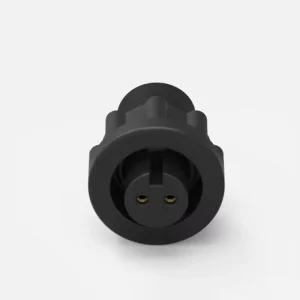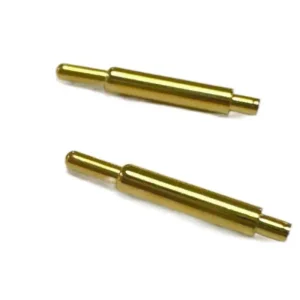
High-Precision Metal & Molded Components
Engineered to microscopic tolerances down to ±0.005 mm. Certified for medical, aerospace, optical, and high-reliability industrial applications.
Macro-Industry Solutions & Precision Tooling Engineering
Analyzing the paradigm shift in global OEM mold making: How multi-physics Moldflow simulations, advanced tool steels, and thermal management drive zero-defect production.
Predictive Moldflow & Rheology Analysis
Modern plastic injection mold fabrication relies heavily on front-loaded engineering DFM (Design for Manufacturability). Utilizing finite-element moldflow simulation software, engineers evaluate gate locations, volumetric shrinkage, orientation-induced warpage, and weld line formation before steel is cut. This eliminates costly T1 mold modifications and ensures dimensional fidelity across long-run production batches.
Conformal Cooling Technology (3D Metal Printing)
Traditional straight-drilled cooling lines leave hot spots in complex core and cavity geometry, leading to prolonged cycle times and differential shrinkage. By integrating Direct Metal Laser Sintering (DMLS) 3D-printed tool inserts with conformal cooling channels that closely follow part contours, thermal extraction rates are optimized—reducing injection molding cycle times by 15% to 35% while suppressing internal stress.
High-Yield Multi-Cavity Tool Architecture
For high-volume OEM programs across medical and consumer electronics sectors, balancing runner systems in 16, 32, or 64-cavity molds demands absolute micro-machining symmetry. CNC High-Speed Milling (HSM) combined with slow-wire EDM ensures cavity-to-cavity consistency within ±0.002 mm, allowing balanced filling pressure and uniform part weight throughout high-speed automated production cycles.
Comprehensive Tool Steel Selection Matrix for OEM Molds
Selecting the correct steel grade is critical to balancing initial tooling investment against total part life cycles. Below is an engineering comparison matrix employed by senior tooling designers:
| Steel Grade | Hardness (HRC) | Corrosion Resistance | Wear Resistance | Expected Shot Life | Primary Application Scenarios |
|---|---|---|---|---|---|
| P20 / 1.2311 | 28 – 32 HRC | Moderate | Standard | 300,000 to 500,000 | Prototyping, medium-volume consumer housings, structural frames |
| H13 / 1.2344 | 48 – 52 HRC | Moderate | High | 500,000 to 1,000,000 | Die casting molds (Al/Zn), high-stress injection molding, abrasive polymers |
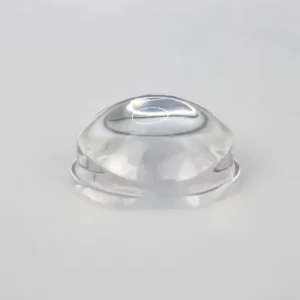
| S136 / 1.2083 | 48 – 54 HRC | Exceptional (High Cr) | High | 1,000,000+ | Medical Grade ISO 13485 cleanroom tools, optical lenses (High-transparency PC/PMMA) |
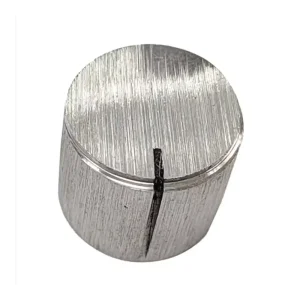
| NAK80 | 37 – 43 HRC | Good | High Polishability | 500,000+ | High-gloss aesthetic components, audio knobs, transparent housings without heat treatment distortion |
Commercial & Industrial State of Mold Making
Understanding shifting supply chains, hybrid procurement models, and localized regulatory pressure in global precision manufacturing.
Reshoring, Nearshoring, and the China Hybrid Advantage
Over the past decade, global OEM procurement strategies have evolved from purely chasing low-cost labor to evaluating total cost of ownership (TCO), speed to market, and supply chain resilience. While nearshoring efforts in North America and Western Europe have gained momentum for final assembly, China’s Pearl River Delta region—specifically manufacturing hubs like Shenzhen—remains unmatched in deep tooling supply chains, rapid material sourcing, and advanced toolmaker expertise.
Leading global buyers now utilize a Hybrid Tooling Strategy: Sourcing complex, high-cavitation steel molds and rapid prototype tooling from audited Chinese master shops like Sunmy Hardware, where tool fabrication costs are 30% to 50% lower, followed by either localized global molding or factory-direct turnkey production in China with strict ISO compliance.
- Lead Time Compression: Rapid T1 sample generation in as little as 12 to 18 days for bridge tooling.
- High-Tier Metallurgy: Certified imported tool steels (Assab, Uddeholm, Daido) with mill test reports (MTR).
- End-to-End IP Protection: Secure data vaults, strict NDA protocols, and isolated internal networks.
Key Industry Benchmark Metrics
*Data compiled from global manufacturing indices, OEM procurement surveys, and internal engineering analytics (2025–2026).
Quantitative Engineering Performance
Our facility operates under rigorous quality gates, leveraging computerized measurement systems to guarantee critical dimensions across every order.
High-Speed 5-Axis Milling
Machining complex 3D tool cavities and core geometries in a single setup, eliminating compound angle errors and maintaining tight positional tolerances for slide interlocks.
Sub-Micron Wire EDM
Utilizing ultra-fine brass wire erosion to generate razor-sharp mold corners, narrow rib profiles, and intricate ejector pin keyways with virtually zero thermal stress.
Multi-Material Overmolding
Expertise in double-shot (2K) injection molding and insert overmolding, combining rigid substrates (PC/ABS, PEEK) with tactile soft elastomers (TPE, TPU, Silicone).
Localized Application Scenarios & Real-World Engineering
Custom toolmaking and high-precision component manufacturing customized to demanding vertical industry specifications.
Medical Devices & Surgical Instrumentation
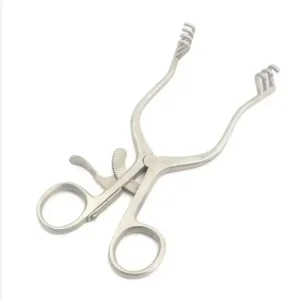
Medical manufacturing demands bio-compatible materials, zero contamination, and non-compromising dimensional repeatability. Sunmy Hardware produces precision Stainless Steel Custom Surgical Retractors and micro-fluidic diagnostic housings in ISO 13485-compliant environments. Utilizing mirror-polished S136 stainless steel molds, parts feature smooth surface finishes preventing bacterial adhesion and enduring rigorous autoclave sterilization.
Automotive & Electric Vehicle (EV) Systems
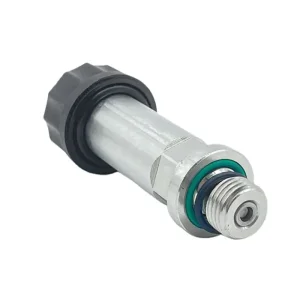
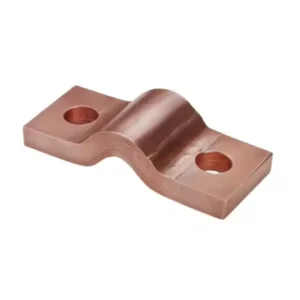
Transitioning toward electric powertrains requires high-performance copper busbars, lightweight aluminum battery enclosures, and robust hydraulic solenoid components. Our progressive stamping dies and custom Flexible Laminated Copper Busbars support multi-layer insulation and high-voltage transmission, while specialized aluminum die-casting tools form heat-dissipating controller housings tested under intense vibration profiles.
Robotics, UAVs & Industrial Automation
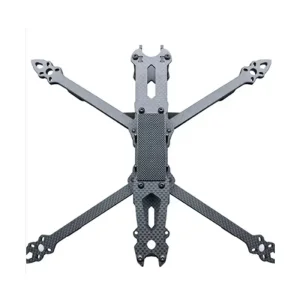
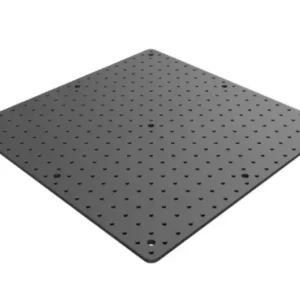
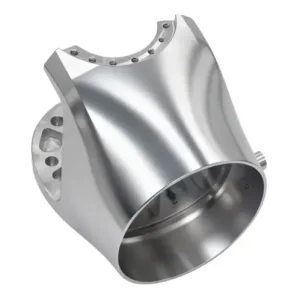
Lightweighting is paramount for unmanned aerial vehicles (UAVs) and joint articulators in industrial robotics. By combining 5-axis CNC machining of carbon fiber plates with ultra-light magnesium/aluminum alloy casting, we manufacture rigid drone frames, high-precision timing belt pulleys, and custom 5-Axis CNC Robot Joint Housings capable of withstanding heavy dynamic loads with negligible backlash.
Localized Support & Compliance Assurance
Eliminating cross-border friction through comprehensive documentation, full traceability, and localized client assistance.
ISO 9001:2015 & Full Traceability
Every raw material batch undergoes X-Ray Fluorescence (XRF) spectroscopy to confirm chemical alloy composition. First Article Inspection (FAI) reports and full CMM dimensional measurements are attached to every production shipment, ensuring complete auditability for tier-1 buyers.
RoHS, REACH & Conflict Minerals
Global environmental regulatory compliance is strictly maintained. Resin formulations, metallic surface platings (gold, nickel, anodizing), and raw metals conform thoroughly to EU RoHS Directive 2011/65/EU and REACH standards, complete with certified third-party lab documentation.
IP Protection Protocols & Secure Transfer
Protecting proprietary product IP is our highest priority. All CAD files, STEP models, and drawing revisions are transmitted via encrypted servers under legally binding bilateral Non-Disclosure Agreements (NDAs), ensuring confidential technology stays strictly protected.
Technology Roadmap & Future Manufacturing Outlook
How dynamic digital twins, intelligent sensors, and sustainable polymers are reshaping the next decade of OEM tooling.
Smart Sensors & Cavity Pressure Monitoring
Integrating micro piezo-electric sensors directly inside mold cavities to collect real-time data on viscosity changes, cavity pressure, and melt temperature. AI algorithm integration automatically adjusts machine injection speeds on the fly, eliminating human operator error and guaranteeing uniform shot density.
Generative AI Tool Design & Automated CAM
Transitioning from manual 3D mold layout to cloud-based Generative AI platforms. Tooling structures, runner networks, and core/cavity splits will be auto-generated based on mechanical stress analysis, cutting CAD engineering lead times from days down to minutes while minimizing steel mass.
Sustainable Resins & Carbon-Neutral Tooling
Optimizing tool thermal hydraulics to accommodate 100% bio-based resins, highly filled post-consumer recycled (PCR) polymers, and bio-composites. Developing self-healing tool coatings that extend mold steel lifespan beyond 5,000,000 cycles without re-polishing.
Frequently Asked Questions by OEM Procurement Teams
In-depth technical answers addressing critical tooling decisions, material selections, and procurement parameters.
What is the difference between prototype tooling and production tooling?
Prototype Tooling (Bridge Tooling): Typically fabricated from pre-hardened steel (P20, NAK80) or high-grade aircraft aluminum (7075-T6). Designed for low-volume runs (1,000 to 50,000 parts) to validate market designs quickly. Fabrication lead times range from 10 to 18 days, significantly reducing upfront capital expenditure.
Production Tooling (Class 101/102 Molds): Engineered with hardened tool steels (H13, S136, 1.2344) heat-treated to 48–54 HRC. Features fully hardened slides, guided ejection systems, and conformal cooling circuits designed to withstand millions of cycles under high pressure with minimal maintenance.
How do you prevent sink marks and warpage in thick-walled injection molded components?
Sink marks and differential warpage occur due to uneven volumetric shrinkage during cooling. Our engineering team resolves this by:
- Re-engineering wall thickness to maintain consistent nominal thickness (ideally ±10-15% variance max).
- Placing internal coring and gusseted ribs (rib thickness set to 50-60% of adjacent wall thickness).
- Optimizing gate position using Moldflow simulation to apply adequate packing pressure before gate freeze-off occurs.
- Utilizing Gas-Assisted Injection Molding (GAIM) for thick structural handles or enclosures.
What tolerances can Sunmy Hardware hold across CNC machining and plastic injection molding?
For precision CNC machining (milling, turning, wire EDM), we standardly achieve tolerances of ±0.01 mm, with critical features held down to ±0.005 mm (5 microns) validated via Zeiss CMM inspection.
For plastic injection molding, tolerances depend heavily on resin selection (amorphous vs. semi-crystalline polymers). Standard molding tolerances follow DIN 16742-TG6 (typically ±0.05 mm to ±0.10 mm). For high-precision engineered resins like PEEK, PPS, or 30% Glass-Filled Nylon, tighter tolerances are maintained through controlled mold temperatures and cavity pressure tracking.
What is the standard procedure for First Article Inspection (FAI)?
Upon completing T1 mold trials, a sample batch of 10 to 50 parts is molded using production-intent parameters. These samples undergo full dimensional verification against 2D ballooned drawings using Coordinate Measuring Machines (CMM), optical comparators, and surface roughness gauges.
A comprehensive FAI report (conforming to AS9102 or custom OEM formats), material test certificates, and processing parameter sheets are provided to the buyer for formal sign-off before mass production authorization.
How do you handle multi-cavity tool balancing for micro-components?
To achieve equal pressure distribution across all cavities, we employ geometrically balanced hot runner or cold runner systems. High-speed CNC EDM guarantees identical cavity dimensions within 0.002 mm. Cavity pressure transducers are installed to monitor fill uniformity in real time, preventing flash on over-packed cavities while avoiding short shots on under-packed cavities.
High-Performance Hardware & Assembly Components
Explore our wide selection of custom CNC turned components, carbon fiber structures, hydraulic valves, and connector systems.