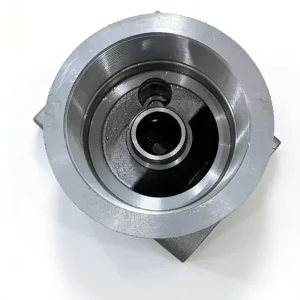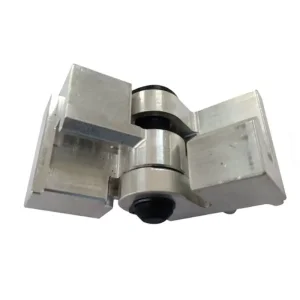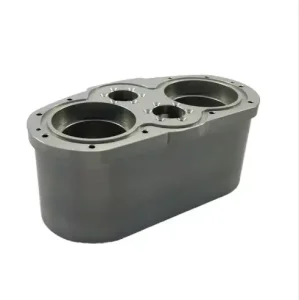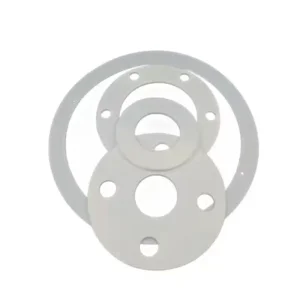
Featured OEM Precision Punching & Machined Components
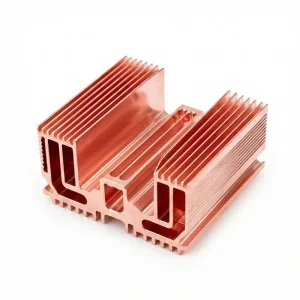
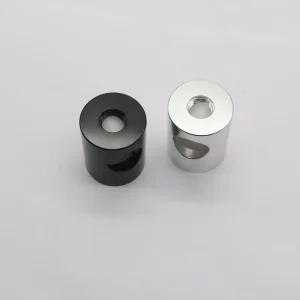
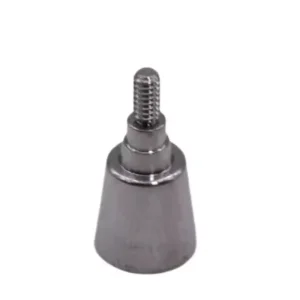
High-tolerance custom hardware manufactured to ultra-tight specifications. Engineered for aerospace, semiconductor, automotive, and medical technology applications.
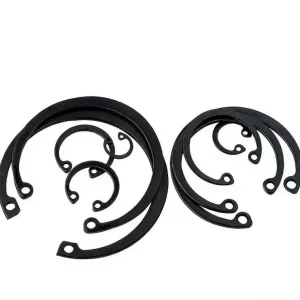
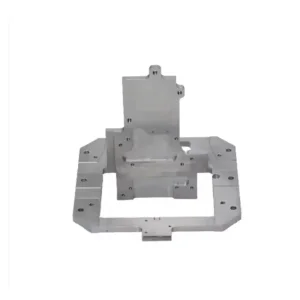
1. The Global Commercial & Industrial Landscape of Metal Punching
Metal punching—historically viewed as a mechanical press operation—has undergone a radical technological metamorphosis. In the contemporary industrial ecosystem, high-speed, CNC-controlled micro-punching and progressive die stamping represent the cornerstone of scalable structural hardware manufacturing. Global market demand for precision metal punched components is expanding rapidly, driven by megatrends across Electric Vehicle (EV) powertrain electrification, 5G/6G telecommunication infrastructure shielding, aerospace structural weight reduction, and miniaturized medical device fabrication.
Traditional single-station punch presses are increasingly being replaced by high-tonnage multi-station CNC servo presses. These advanced machines feature real-time closed-loop sensor tracking, optical tool monitoring, and dynamic ram control. Today’s industrial procurement mandates far exceed basic dimensional conformity; modern engineering buyers demand continuous material strip optimization, zero-burr edge shear profiles, ultra-high pitch repeatability (down to sub-5 microns), and scalable volume ramp-ups without tooling degradation.
Structural Lightweighting
By leveraging high-tensile advanced strength steels (AHSS), titanium alloys, and aluminum (5052-H32 / 6061-T6), micro-punching enables thinner wall geometries without sacrificing torsional rigidity.
EV Electrification Boom
Massive volume shifts toward multi-layer laminated copper busbars, precision connector pins, and battery cell housing brackets produced via high-speed progressive die punching.
High-Frequency Micro-Stamping
The electronics industry requires micro-punching capabilities for EMI/RFI shielding cans and lead frames with pitch tolerances maintained under ±0.005 mm at 1,200 strokes per minute (SPM).
2. Engineering & Cost Efficiency Metrics of Chinese Manufacturing Hubs
Global OEM procurement directors continuously balance unit piece price (UPP) against non-recurring engineering (NRE) tooling amortizations. Chinese precision manufacturing hubs—specifically centered around Shenzhen, Dongguan, and the Greater Bay Area—have solidified an unmatched competitive moat through localized industrial clustering, rapid DFM iterations, and advanced toolmaker expertise.
Dense Upstream Ecosystem
Within a 30-minute supply chain radius, specialized raw material mills, tungsten carbide punch inserters, surface treatment facilities (vacuum anodizing, PVD coating, electro-polishing), and heat treating plants operate synchronously.
Simultaneous DFM Engineering
Chinese OEM suppliers leverage FEA-driven strip deformation modeling (AutoForm / Pam-Stamp) to predict thinning, springback, and shear stresses before cutting raw die steel, dramatically shrinking tooling debugging phases.
Capital Expenditure Efficiency
High-speed press lines (ranging from 25T to 800T press capacities) are operated under rigorous lean manufacturing frameworks, enabling 24/7 automated continuous progressive blanking and coining.
3. Precision Tooling Engineering, Metallurgy & Process Selection
Selecting the optimal metal punching methodology requires a deep technical understanding of material ductility, shear-to-breakage ratios, punch-to-die clearance percentages, and surface finishing dynamics. The matrix below provides an authoritative engineering comparison of primary sheet metal punching and forming methodologies utilized in high-precision OEM production.
| Process Technology | Ideal Volume Range | Dimensional Tolerance | Best Material Compatibility | Key Engineering Advantage |
|---|---|---|---|---|
| Progressive Die Stamping | 100,000 to 10,000,000+ pcs | ±0.005 mm to ±0.02 mm | C1100 Copper, SPCC Steel, 304 SS, Brass | Ultra-high-speed integrated piercing, forming, coining, and bending in a single automated strip workflow. |
| Fine Blanking (Precision Shearing) | 50,000 to 2,000,000 pcs | ±0.003 mm to ±0.01 mm | Medium to High Carbon Steels, Alloy Steels | Produces 100% clean-shear, die-roll-free edge surfaces without secondary reaming or edge grinding. |
| Deep Drawing & Punching | 25,000 to 1,000,000 pcs | ±0.015 mm to ±0.05 mm | Deep-Drawing Aluminum (3003/5052), Nickel Alloys | Transforms flat metal blanks into seamless, hollow cylindrical or box-shaped structural enclosures. |
| CNC Turret Micro-Punching | 1 to 10,000 pcs (Prototyping) | ±0.05 mm to ±0.10 mm | AL 6061-T6, Stainless Steel, Galvanized Sheet | Zero tooling cost; ideal for flexible low-volume enclosure cutouts and rapid engineering change orders (ECO). |
Metallurgical Selection & Grain Alignment Strategies
High-reliability metal punching demands strict alignment with raw material grain orientation. When forming complex features or narrow bends, punching perpendicular to the material rolling direction prevents micro-fracturing along bend radii. Key metallurgical options include:
- Beryllium Copper (CuBe / C17200): Exceptionally high yield strength and electrical conductivity; optimal for spring contacts and micro-miniature punchings requiring post-stamping heat treatment.
- Austenitic Stainless Steels (304 / 316L): Superior corrosion resistance; requires heavy-duty tungsten carbide punches (SKD11 / DC53) and specialized PVD coatings (TiAlN) to eliminate material galling.
- Aircraft-Grade Aluminum (6061-T6 / 7075-T6): Lightweight structural strength; requires carefully controlled punch clearance (typically 8% to 12% of sheet thickness) to mitigate burr formation.
4. Regional & Sector-Specific Application Scenarios
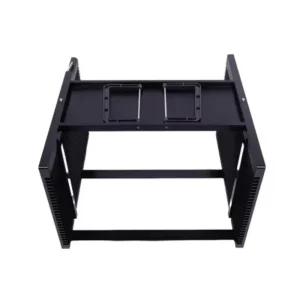
Wafer Carriers & EMI Shielding
Ultra-clean aluminum semiconductor wafer carriers and micro-punched copper/nickel EMI shielding enclosures. Requires burr-free edge profiles, planar flatness within 0.02 mm, and cleanroom-compatible ultrasonic cleaning to avoid particulate contamination during chip fabrication.
EV Battery Busbars & Solenoid Valves
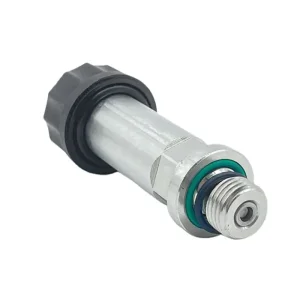
Heavy-gauge copper busbar punching with co-molded insulation slots, alongside precision CNC turned and punched hydraulic solenoid valve cores for commercial excavator transmission systems and automotive braking units.
Implants & Diagnostic Instruments
High-precision micro-punched stainless steel and turned titanium components for orthopedic surgical implant drivers, diagnostic fluidics connectors, and disposable surgical blade holders produced under strict ISO 13485 quality standards.
5. Global Sourcing Criteria & Total Cost Sourcing (TCS) Evaluation
When evaluating overseas OEM metal punching suppliers, leading procurement teams deploy a rigorous multi-stage qualification checklist. Focusing strictly on piece-part price without factoring in tooling life cycles, scrap rates, and quality audit trails often leads to supply chain vulnerability.
1. Production Part Approval Process (PPAP)
Top-tier suppliers must provide comprehensive PPAP Level 3 documentation packages, including Process Flow Diagrams, PFMEA (Process Failure Mode and Effects Analysis), Control Plans, Measurement System Analysis (MSA), and Dimensional Inspection Reports.
2. Metrology & In-Line Quality Assurance
Verify that the factory floor is outfitted with automated Coordinate Measuring Machines (CMM), optical video measuring systems (VMS), laser profile scanners, and SPC software for real-time Cp/Cpk process capability tracking (targeting Cpk ≥ 1.67).
3. IP Protection & Data Security
Reputable OEM manufacturers execute binding bilateral Non-Disclosure Agreements (NDAs), store CAD files (STEP/IGES) on secure air-gapped servers, and enforce strict factory access controls to safeguard proprietary client designs.
6. Future Trends in Micro-Punching & Intelligent Metal Stamping (2025–2030)
The next decade will mark a major shift toward fully digitized, self-correcting metal stamping ecosystems. Key developments transforming global production include:
AI-Powered Optical Sorting
High-speed industrial cameras integrated into press output chutes utilize deep-learning vision models to inspect 100% of stamped parts for micro-burrs, surface scratches, and pitch errors at 30+ parts per second.
Sensorized Smart Tooling
Progressive dies equipped with embedded piezoelectric force transducers and acoustic emission sensors monitor punch wear in real time, auto-triggering preventive tool maintenance before part quality degrades.
Sustainable & Green Stamping
Transition toward near-zero-scrap strip layout algorithms, closed-loop lubricant recycling, and carbon-neutral raw material certification (recycled aluminum and green steel coils).
7. Technical & Sourcing FAQ for OEM Procurement
Detailed answers to common engineering, quality control, and supply chain queries regarding custom metal punching services.
What is the standard lead time for progressive punching tooling and first article samples?
Standard engineering lead time for complex progressive die tooling ranges between 15 to 25 business days, depending on part geometry, strip station count, and material hardness. Simple single-stage blanking tools can be completed in 7 to 10 days. First Article Inspection (FAI) samples—accompanied by complete CMM dimensional reports and material certificates—are dispatched immediately upon initial press trial approval.
How do you ensure zero-burr edge quality on critical punched metal parts?
Zero-burr or micro-burr (burr height < 0.02 mm) performance is achieved by precisely calculating punch-to-die clearances based on material tensile strength and thickness. Furthermore, we implement secondary operations such as automated vibratory barrel deburring, electro-polishing, chemical etching, or thermal deburring (TEM) depending on the end application.
Which file formats are required to submit an RFQ for metal punching?
For complete DFM analysis and tooling quotation, please provide 3D CAD models in STEP (.stp), IGES (.igs), or Parasolid (.x_t) format. Additionally, a 2D PDF drawing detailing critical tolerances, material specifications, grain direction restrictions, surface finish requirements, and key inspection dimensions is highly recommended.
What are your minimum order quantities (MOQ) for custom punched hardware?
We accommodate flexible order quantities tailored to your project lifecycle stage. For prototype development and bridge production, we offer low-volume CNC laser cutting and short-run soft tooling starting at 100 pieces. For mass production using automated progressive dies, standard production runs typically start at 10,000 pieces up to millions of units per annum.
How are raw material traceabilities handled for regulated industries?
All incoming raw material coils (copper, stainless steel, aluminum, spring steel) undergo strict receiving verification. Every shipment is backed by original Mill Test Reports (MTR / EN 10204 3.1 certification) confirming chemical composition, yield/tensile strength, and ROHS/REACH compliance. Material lot numbers are tracked throughout the manufacturing process for complete traceability.
What surface treatment options are available post-punching?
We provide a comprehensive suite of integrated post-processing surface treatments, including Anodizing (Type II / Type III Hardcoat), Electro-plating (Gold, Silver, Nickel, Tin, Zinc), Passivation, Powder Coating, Electrophoretic Deposition (E-coat), Laser Engraving, and Heat Treatment (Case Hardening, Annealing, Precipitation Hardening).
High-Precision Hardware & Assembly Portfolio
Explore our diverse engineering capabilities spanning precision casting, 5-axis CNC machining, structural hinge assemblies, and specialized sealing components.