
Featured OEM Precision Components
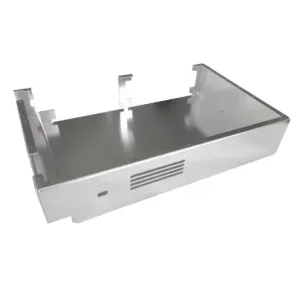
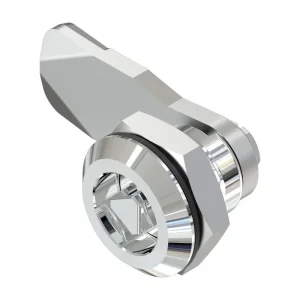
Explore our foundational tooling, metal fabrication, turned insert components, and high-precision molded assemblies engineered for demanding OEM programs.
1. Executive Overview & Technical Fundamentals of Insert Molding
Insert molding is an advanced thermoplastic and thermosetting injection molding process wherein pre-fabricated substrates—predominantly metallic pins, threaded brass bushings, flexible printed circuit boards (FPC), continuous copper busbars, or optical glass components—are strategically placed within a custom tooling cavity prior to polymer melt injection. As molten resin infiltrates the cavity under high pressure and temperature, it encapsulates the targeted locking zones of the insert, solidifying into a single, highly integrated, structural, or electromechanical component upon cooling.
Unlike post-molding assembly methodologies (such as ultrasonic heat-staking, cold press-fitting, or adhesive potting), insert molding establishes a direct mechanical interlock or chemical bond between the polymer matrix and the insert material during the primary molding phase. This completely eliminates manual downstream fastening operations, dramatically shrinks physical component envelopes, and enhances structural rigidity against severe torsional, tensile, and vibrational stresses.
Key Engineering Takeaway: Insert Molding vs. Overmolding
While Overmolding involves a two-shot injection process utilizing multiple plastic resins (e.g., molding a flexible TPE over a rigid Polypropylene substrate), Insert Molding specifically incorporates non-plastic metallic or composite hardware directly into a single plastic tooling setup. Understanding this thermodynamic and structural boundary is vital when selecting high-reliability manufacturing routes for EV power electronics, aerospace connectors, and surgical instrumentation.
2. Global Industrial Landscape & Market Sourcing Dynamics
The global insert molding market has witnessed unprecedented expansion driven by structural megatrends in Electric Vehicle (EV) Powertrain Electrification, Industrial IoT & Smart Sensing, and Microminiaturized Medical Devices. Tier-1 OEMs and systems integrators in North America, Europe, and Asia-Pacific are increasingly phasing out multi-piece mechanical fasteners in favor of integrated insert-molded modules to meet stringent lightweighting targets and footprint limitations.
In high-voltage EV applications—such as Traction Inverter Enclosures, Battery Management System (BMS) signal headers, and High-Current Busbar Modules—insert molding is critical for high-dielectric isolation. Engineering resins like Polyphthalamide (PPA), Polyphenylene Sulfide (PPS), and Glass-Filled Polyether Ether Ketone (PEEK) are molded directly around continuous oxygen-free copper busbars. This achieves continuous dielectric isolation capable of resisting dielectric breakdown upwards of 1,000V DC while enduring thermal thermal cycling from −40°C to +150°C.
3. The China Precision Manufacturing & Supply Chain Efficiency Advantage
Navigating global procurement requires balancing piece-part cost, NRE tooling investments, speed-to-market, and quality compliance. China's advanced manufacturing hubs—particularly Shenzhen, Dongguan, and the broader Pearl River Delta—offer unmatched industrial cluster advantages for custom insert molding programs.
Vertical Ecosystem Integration
From high-speed Swiss CNC lathe turning of brass/stainless steel inserts to multi-cavity hardened tool steel mold fabrication (S136, NAK80, H13), all upstream manufacturing operations occur within a localized 30-kilometer radius.
Automated Loading & Robotics
Chinese production lines utilize customized 6-axis articulated robotic arms equipped with optical vision sensors and magnetic pick-and-place end-effectors, assuring insert placement repeatability down to ±0.005mm with zero tool-smashing risk.
Accelerated Tooling Cycles
Where Western mold-making facilities typically demand 8 to 12 weeks for production tooling delivery, Chinese precision factories routinely deliver DFM-approved T1 samples in 15 to 25 calendar days, drastically accelerating client NPI phases.
4. Cross-Sector Industrial Application Scenarios
Modern insert molding spans across high-reliability sectors, each demanding customized material combinations, specialized surface treatments, and rigid quality verification standard operating procedures:
- Automotive & EV Systems: Electronic Control Unit (ECU) pin headers, transmission sensor bodies, steering angle sensors, high-current laminated copper busbars, water pump impellers with stainless steel shafts.
- Medical & Healthcare Devices: Surgical instrument handles, diagnostic probe tips with embedded platinum/titanium electrodes, catheter hubs, disposable endoscopic trocars, fluidic valve bodies.
- Aerospace & Defense Controls: Avionics bay connectors, lightweight structural brackets with threaded titanium inserts, EMI/RFI shielded avionics housings, ruggedized military radio enclosures.
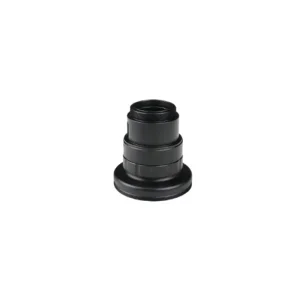
- Industrial & Consumer Electronics: Waterproof IP68 USB Type-C connector housings, optical camera module lens barrels, battery terminal contacts, power tool motor armatures, smart meter terminal blocks.
5. Engineering Design for Manufacturability (DFM) Guidelines
Achieving defect-free insert molding requires rigorous engineering upfront during the CAD design phase. Uncompensated differences in the Coefficient of Thermal Expansion (CTE) between metallic inserts and plastic resins are the primary driver of internal hoop stress, micro-cracking, and environmental stress cracking (ESC).
Critical Design Considerations for Tooling Engineers:
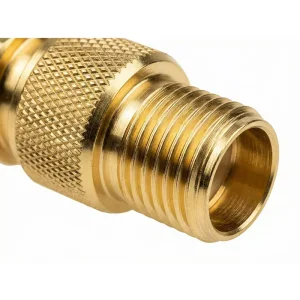
- Retention Geometry (Knurling & Undercuts): Threaded brass or steel inserts must feature diamond or helical knurling combined with annular grooves. Diamond knurling provides superior axial pull-out resistance, while deep annular undercuts prevent rotational torque slippage under heavy mechanical loads.
- Wall Thickness Uniformity: The nominal plastic wall thickness surrounding a metallic insert should equal at least 80% to 100% of the insert's outer diameter. Inadequate resin wall thickness around a metal insert leads to localized stress concentrations and catastrophic cosmetic cracking upon cooling.
- Pre-Heating Inserts: Cold metallic inserts act as thermal heat sinks inside the hot mold cavity, prematurely freezing the incoming plastic melt front. Pre-heating inserts to 80°C–120°C prior to placement eliminates weld-line weaknesses, void formation, and surface jetting.
- Shut-Off Tolerances: Precision shut-off lands between core pins and insert positioning seats must be held within ±0.005mm to prevent resin flash from overflowing onto functional internal threads or electrical contact surfaces.
6. Quality Assurance, Metrology & Mechanical Testing Standards
A certified OEM insert molding factory must maintain robust, multi-tiered metrology and destructive testing suites to validate part integrity under extreme operating conditions. Every production batch should be supported by standardized documentation including PPAP Level III, First Article Inspection (FAI), and Coordinate Measuring Machine (CMM) dimensional reports.
Essential Mechanical Testing Protocols for Insert Molded Parts:
- Axial Pull-Out Testing (ASTM D2095 / ISO 4587): Quantifies the maximum force required to strip the embedded metal insert axially from the molded plastic body.
- Torsional Torque-Out Testing: Measures the rotational failure limit of threaded inserts using digital torque wrenches or automated torque transducers.
- Industrial X-Ray Computed Tomography (CT Scanning): Non-destructively inspects internal resin flow lines, detecting microscopic air entrapment, internal voids, or subtle insert displacement within critical high-voltage components.
- Hermeticity & Helium Leak Detection: Verifies zero gas/fluid passage along the metal-plastic boundary interface for IP68 or submerged sensor housings under differential pressure testing.
7. Future Trends: Smart Inserts, Micro-Molding & Sustainable Polymers
The insert molding industry is evolving rapidly with next-generation materials and Industry 4.0 automation integrations:
- Smart Inserts with Integrated RFID/Sensors: Inserting micro-scale RFID chips or strain gauges directly into structural plastic housings during molding, enabling real-time structural health monitoring and digital product passport traceability.
- Micro-Insert Molding: Precision molding of ultra-fine sub-millimeter components (e.g., 0.2mm contact pins for hearing aids and surgical micro-robotics) using specialized low-volume micro-injection units.
- Bio-Based & Recycled Engineering Plastics: Transitioning from fossil-fuel derived resins to carbon-neutral Polyamides (PA) and bio-PEEK paired with 100% recycled alloy brass inserts to meet corporate ESG sustainability mandates.
8. Global Sourcing & Supplier Evaluation Framework (Procurement Guide)
When selecting a high-precision OEM insert molding partner in China or globally, procurement managers should utilize a structured 5-point vendor assessment framework:
1. In-House Machining & Tooling
Does the supplier manufacture metal inserts (CNC lathe turning/stamping) and mold tooling in-house? Single-source ownership eliminates blame-shifting between insert suppliers and molders when tolerances clash.
2. Automation Capabilities
Evaluate robotic insert loading mechanisms, EOAT (End of Arm Tooling) designs, and vision inspection systems to guarantee zero tool-smashing incidents during high-speed production cycles.
3. Moldflow Simulation Rigor
Demand comprehensive Moldflow analysis prior to steel cutting to evaluate gate placement, volumetric shrinkage, orientation of glass fibers around inserts, and potential air traps.
4. Quality System Audits
Verify valid ISO 9001:2015, IATF 16949 (Automotive), or ISO 13485 (Medical) certifications backed by documented material traceability mill certificates for raw metals and resins.
5. IP Protection Integrity
Ensure standard Non-Disclosure Agreements (NDAs) are signed before sharing STEP/IGES CAD files, and confirm factory-direct operations to prevent sensitive data leakage to trading brokers.
Frequently Asked Questions (FAQ)
Expert engineering answers to critical technical questions regarding insert molding design, manufacturing, tooling, and supply chain logistics.
Expanded Custom Manufacturing Capabilities
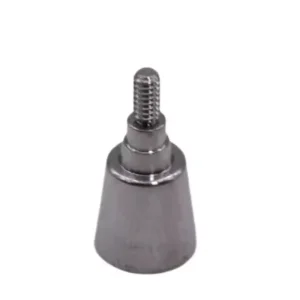
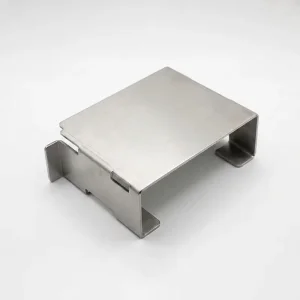
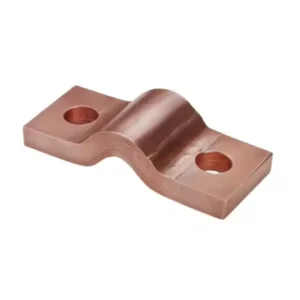
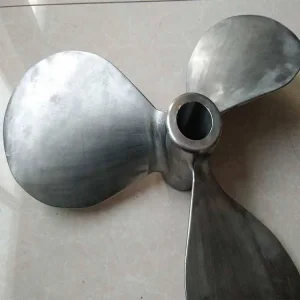
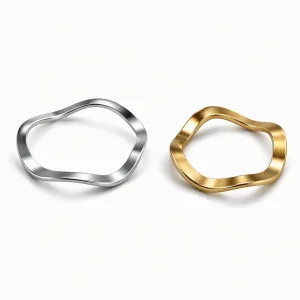
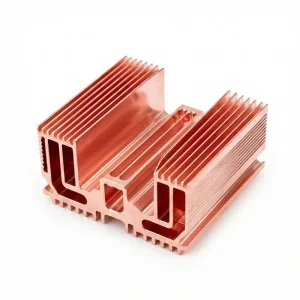
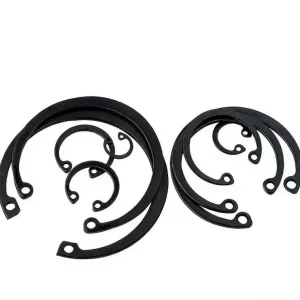
Browse our specialized turned inserts, busbars, precision fasteners, and custom metal casting components supporting integrated OEM assembly projects.
Start Your OEM Manufacturing Project
Partner with Shenzhen Sunmy Hardware Co., Ltd. for factory-direct insert molding, precision CNC machining, and automated metal-plastic assembly solutions.
Shenzhen Sunmy Hardware Co., Ltd.
Precision OEM/ODM Custom Metal & Plastic Components Manufacturer | Operating Since 2016
Engineering & Production Facility Address
Rm. 1E047, Bldg. 1, China South City (Huanancheng), Pinghu St., Longgang Dist., Shenzhen, Guangdong, China 518111
Direct Engineering Contacts
Sales Engineering: +86 134 2418 8702 (Duke)
Customer Support: +86 185 7673 0322 (Gavin)
Email: [email protected] | [email protected]