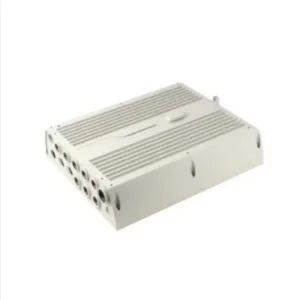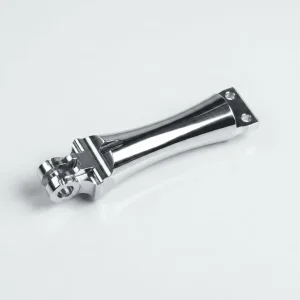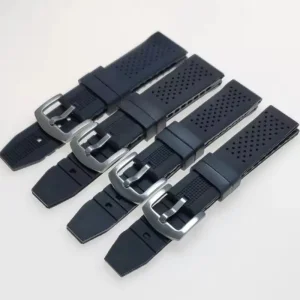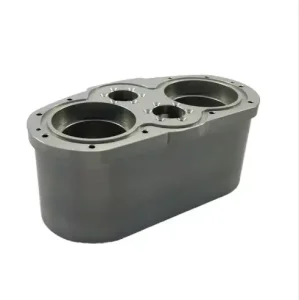
Featured Plastic Housings & Custom Assemblies
Directly sourced engineered hardware and custom plastic housings tailored to high-reliability applications.
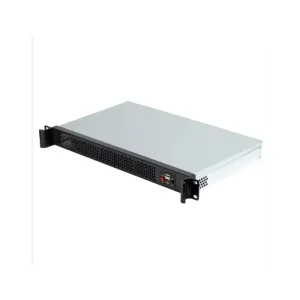
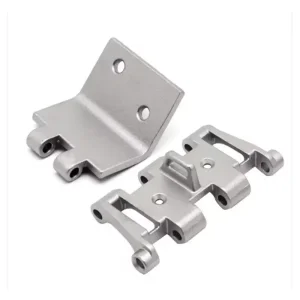
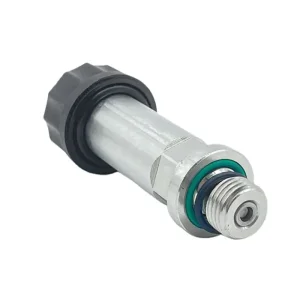
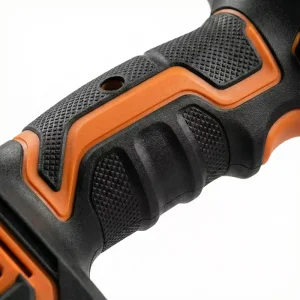

Global Business & Industrial Landscape of OEM Electronic Plastic Housings
Comprehensive study on polymer engineering shifts, electromagnetic compatibility, and micro-precision housing demands for 2025–2030.
Information Gain Note: Thermoplastic Metallization vs. Metal Enclosures
While traditional aluminum enclosures offer natural conductivity, they introduce tooling lead time bottlenecks and high unit costs for complex geometries. High-gain OEM procurement strategies utilize plastic injection molding coupled with internal conductive vacuum metallization (aluminum/copper-nickel spraying) or selective electroplating. This delivers identical attenuation performance (>50 dB EMI rejection across 30 MHz to 10 GHz) at a 30% lower landed unit cost.
China’s Factory Efficiency & Integrated Supply Chain Advantages
Quantifying speed, cost optimization, and mold engineering scalability for global OEM procurement teams.
Compressed Tooling Lead Times
While Western toolmakers often require 12 to 16 weeks for complex multi-cavity injection molds, Chinese precision moldmakers utilize 5-axis high-speed CNC EDM milling to deliver T1 prototype samples in as little as 18 to 25 business days.
Advanced DFM & Moldflow Simulation
Every incoming CAD file undergoes full Design for Manufacturability (DFM) verification. Engineers run digital Moldflow simulations to predict volumetric shrinkage, weld line placement, gating pressure drops, and cooling warpage before steel cutting begins.
Multi-Shot & Secondary Operations
Chinese factories house full secondary finishing suites under one roof: 2K co-injection molding, liquid silicone rubber (LSR) overmolding, laser engraving, robotic ultrasonic welding, heat-stake brass insert placement, and cleanroom assembly.
| Performance Benchmark | China OEM Factory Ecosystem | North American / EU Regional Molds | Procurement Advantage Impact |
|---|---|---|---|
| T1 Sample Lead Time | 18 – 25 Calendar Days | 10 – 14 Weeks | 70% Faster Time-to-Market |
| Tooling Capital Expenditure (CapEx) | $3,500 – $15,000 (Hardened Steel NAK80/S136) | $18,000 – $65,000 | 65% Lower Initial Tooling Investment |
| Design Iteration Agility | Same-day ECO (Engineering Change Order) review | Multi-day administrative delays | Rapid physical validation cycles |
| Secondary Processing Integration | In-house: Metallization, Tampo Printing, Ultrasonic Welding | Outsourced to 3rd party vendors | Zero transport risk & lower unit cost |
Selecting the Right Resin Compound for Industrial Electronic Housings
Technical matrix analyzing chemical resistance, thermal deflections, and mechanical load-bearing factors.
PC + ABS Alloys (Flame Retardant)
Combines the high heat resistance and impact strength of Polycarbonate (PC) with the processability and dimensional stability of ABS. Ideal for handheld POS terminals, medical monitoring shells, and indoor router housings requiring UL94-V0 compliance.
PBT + 30% Glass Fiber (PBT-GF30)
Engineered for extreme structural rigidity, low moisture absorption, and high dielectric strength. Highly recommended for industrial junction boxes, automotive high-voltage connectors, and outdoor terminal blocks exposed to aggressive chemicals.
Polyamide (Nylon PA66 / PA12)
Offers exceptional wear resistance, self-lubricating properties, and high impact performance. Frequently modified with carbon fiber fillers to provide anti-static ESD protection for cleanroom electronic enclosures and robotic finger linkages.
Localized Application Scenarios & Cross-Industry Deployment
How precision custom housings solve critical physical and environmental challenges across core sectors.
Smart POS & Financial Payment Terminals
Demands double-injection molded rubber grips for drop-test protection (1.5m impact resistance), integrated magnetic stripe sensor slots, and co-molded silicone keypad matrices with tactile feedback.
5G & IoT Telecommunications Gateway
Requires UV-stabilized Polycarbonate housings certified for IP67 seal integrity, featuring molded-in silicone gaskets, breathability vents (Gore membrane fitments), and internal brass thread inserts.
Medical Diagnostic Devices
Molded inside ISO Class 8 cleanrooms utilizing medical-grade biocompatible polymers. Designed to withstand continuous chemical wiping with disinfectant agents without surface crazing or stress cracking.
EV Charging & Automotive Controllers
Heavy-duty structural casings designed for thermal cycling from -40°C to +125°C. Features high-voltage creepage barriers and ultrasonic weld sealing to protect internal PCBA modules.
Key Technological Trends Shaping Plastic Housing Manufacturing
Strategic directions transforming the electronic enclosure sector over the next five years.
1. Post-Consumer Recycled (PCR) Resin Adoption
Global electronics OEMs face strict Scope 3 decarbonization mandates. Advanced manufacturing processes now allow incorporating up to 65% PCR Polycarbonate resin into non-structural enclosures while maintaining UL94 V-0 flame ratings and original physical impact specifications.
2. In-Mold Electronics (IME) Integration
Merging printed capacitive touch circuits directly onto flexible substrates before plastic injection molding. IME eliminates separate PCB assembly steps, reduces enclosure depth by 60%, and creates completely sealed, waterproof human-machine interface (HMI) panels.
3. Automated Micro-Insertion & Robotic Inspection
Deploying 6-axis robotic arms for high-speed automated loading of threaded brass bushings into hot molds, paired with high-resolution 3D optical CMM scanners to verify 100% of critical dimensions in real time on the shop floor.
Global Corporate Procurement & Risk Mitigation Protocols
How international hardware procurement teams protect intellectual property and secure zero-defect batches.
IP Protection & NDA Integrity
Strict legal and operational isolation of customer CAD data. Files are managed on encrypted internal servers, ensuring proprietary housing geometry, PCB layouts, and trademark logos never leak to third-party brokers.
FAI & CMM Verification Protocol
Every T1 tool trial yields a comprehensive First Article Inspection (FAI) report using Zeiss 3D Coordinate Measuring Machines (CMM). Critical tolerance callouts (CTF) are verified against 2D engineering drawings before mass production authorization.
Tooling Ownership & Life Guarantees
Clear contractual ownership of all injection molds transferred to the customer upon payment. Molds built with steel grades like S136 or NAK80 come with lifetime maintenance guarantees (up to 1,000,000 shots).
Technical & Procurement FAQ: Electronic Plastic Housings
Expert answers addressing common design, manufacturing, and international sourcing inquiries.
What standard tolerances can be held for injection-molded plastic electronic housings?
How is EMI shielding achieved in custom plastic enclosures?
- Vacuum Metallization / PVD: Depositing a micro-thin layer of aluminum or copper-nickel inside the interior housing shell.
- Conductive Paint Coating: Automated spraying of nickel, silver, or copper-based acrylic paints (providing 40 dB–70 dB attenuation).
- Conductive Polymer Additives: Compounding the raw plastic resin with stainless steel fibers, carbon nanotubes, or nickel-coated graphite flakes.
What is the difference between rapid tooling and production injection tooling?
Production Tooling employs high-grade hardened steel alloys (such as NAK80, S136, or H13) engineered to withstand high clamping pressures and abrasive glass-filled resins for 500,000 to over 1,000,000 cycles.
How do you prevent sink marks on thick structural walls or mounting bosses?
Can you mold over metallic threaded inserts or PCB connectors?
Which UL flame retardancy ratings are recommended for handheld vs station devices?
Explore Related OEM Metal & Plastic Components
Versatile precision manufacturing capabilities spanning CNC machining, die casting, LSR molding, and server enclosures.