
Featured OEM Precision Components & Assembly Solutions
Explore our flagship OEM contract manufacturing catalog. Built to strict geometric tolerances (down to ±0.005mm), certified material standards, and engineered for high-reliability applications across demanding global industries.
The Global Macroeconomic & Industrial Landscape of OEM Contract Manufacturing
Navigating complex global supply chains requires more than just manufacturing capacity—it demands strategic agile partner integration, rigorous risk management, and holistic Total Cost of Ownership (TCO) optimization.
In today's volatile macroeconomic environment, original equipment manufacturers (OEMs) face unprecedented pressure to reduce time-to-market while accelerating product innovation. The dynamic shifts across global trade networks have driven procurement strategies toward hyper-efficient, highly agile OEM Contract Manufacturing Suppliers and Factories. Modern OEMs no longer look for simple transactional machine shops; they seek strategic, technology-driven contract manufacturing partners capable of delivering end-to-end engineering, advanced Design for Manufacturability (DFM) reviews, robust quality assurance protocols, and scalable volume production.
As high-tech sectors such as artificial intelligence hardware, autonomous robotics, electric vehicle (EV) powertrains, medical instrumentation, and aerospace systems demand increasingly complex geometries and exotic alloys, the technical role of contract manufacturers has evolved. Leading factories integrate multi-axis CNC milling, high-pressure aluminum and zinc die casting, deep drawing stainless steel stamping, precision silicone and thermoplastic injection molding, and sub-assembly integration into a unified, traceable manufacturing workflow.
Supply Chain Resilience & Risk Mitigation
By leveraging dual-sourcing capabilities, robust inventory buffering (VMI & Kanban), and localized raw material procurement, modern contract factories protect OEMs against geopolitical trade fluctuations and logistics bottlenecks.
Total Cost of Ownership (TCO) Reduction
Direct factory partnerships eliminate middleman markups while early DFM interventions reduce scrap rates, optimize tool lifetimes, and lower overall landed cost per unit across high-volume production cycles.
Accelerated NPI & Time-to-Market
Rapid prototyping combined with seamless transition paths into scalable production ensures that engineering changes are quickly validated, minimizing New Product Introduction (NPI) lead times.
Multi-Disciplinary Technical Manufacturing Execution Framework
Our engineering facility synthesizes subtractive, formative, and additive processes under one unified quality management umbrella, meeting exact tolerance standards across diverse materials.
| Manufacturing Process | Supported Materials | Achievable Tolerances | Typical Industry Applications | Key Advantage |
|---|---|---|---|---|
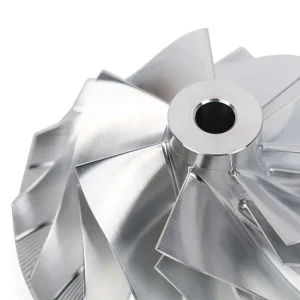
| 5-Axis CNC Milling & Turning | AL6061-T6, AL7075, SS304/316, Titanium Gr5, Brass, PEEK, POM | ±0.005 mm (5 μm) | Aerospace impellers, optical barrels, drone frames, sensor bodies | Complex 3D contoured surfaces machined in a single setup without cumulative errors. |
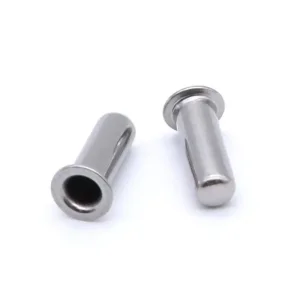
| Deep Drawing & Metal Stamping | SS316, Stainless Steel, Phosphor Bronze, Cold-Rolled Steel, Copper | ±0.015 mm | Temperature sensor housings, coin cell battery contacts, EMI shields | Seamless closed-end tubular drawn parts with minimal material waste and ultra-high speed output. |
| High-Pressure Die Casting | A380 Aluminum, ADC12, Zamak 3/5 Zinc Alloys | ±0.020 mm | Finned heat sink enclosures, motor end bells, LED lighting housings | Excellent thermal conductivity combined with intricate structural ribbing and thin walls. |
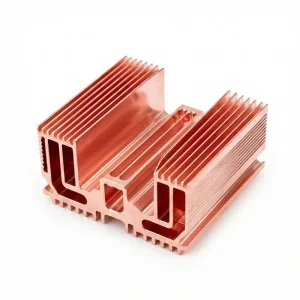
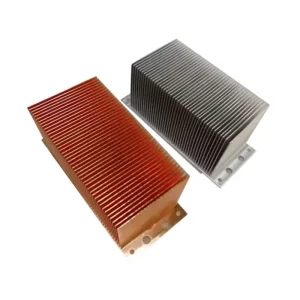
| Skived Fin & Thermal Machining | C1100 Pure Copper, AL1050 / AL6063 Aluminum | Fin Pitch down to 0.2mm | High-density CPU/GPU coolers, high-power LED arrays, power electronics | Monolithic thermal construction eliminating interface thermal resistance between fins and base. |
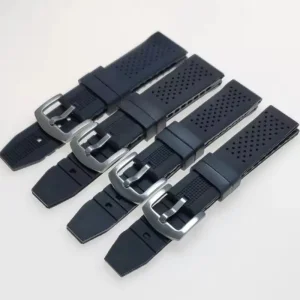
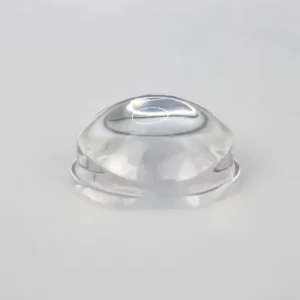
| Precision Plastic Injection Molding | PC (Polycarbonate), Nylon 66 (PA66), ABS, Silicone, LCP | ±0.010 mm | Optical lenses, ergonomic nylon components, watch straps, connectors | Optically clear surfaces, multi-cavity consistency, insert overmolding capabilities. |
Subtractive CNC Multi-Axis Precision
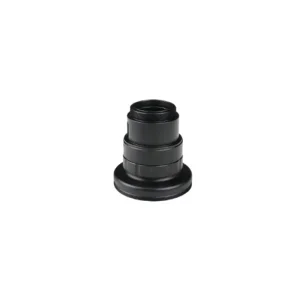
Utilizing high-speed 5-axis machining centers and Swiss-type lathes, we machine intricate billet components with micron-level fidelity. Thermal drift control, dynamic tool balancing, and live tooling enable single-pass machining of complex features like compressor impellers, optical lens barrels, and threaded sensor bodies.
Advanced Thermal Engineering & Skiving
Thermal dissipation is a primary bottleneck in modern high-power electronics. Our skived fin heat sink production process shaves continuous fins from solid copper or aluminum blocks. This creates high fin-density arrays with zero interface thermal resistance, maximizing heat transfer rates for GPUs, industrial LEDs, and power modules.
Forming, Deep Drawing & Molding Systems
Our metal forming division specializes in deep drawing closed-end stainless steel housings (SS316/304) for harsh temperature sensors, alongside multi-station progressive stamping for electrical coin-cell battery contacts. Complementing metal forming, our optical-grade injection molding delivers high-transparency PC lenses and durable ergonomic nylon parts.
Sector-Specific OEM Engineering Solutions
Tailored contract manufacturing protocols designed to meet the strict regulatory, thermal, mechanical, and optical benchmarks of specialized global industries.
Aerospace & UAV Flight Hardware
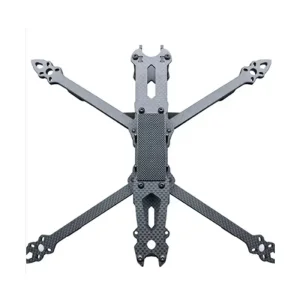
Engineered lightweight carbon fiber frames, 5-axis billet aluminum impellers, and titanium brackets featuring high strength-to-weight ratios and dynamic balance certification.
- Structural integrity verification
- Extreme vibration resistance
Automotive & EV Thermal Management
Die-cast aluminum motor end bell housings, high-efficiency copper heat sinks, and deep-drawn temperature sensor shells for electric vehicle battery packs and power electronics.
- Vacuum-assisted low porosity
- 100% Leak & pressure testing
Medical & Life Sciences Instrumentation
Passivated SS316 closed-end deep drawn probe housings, precision liquid nozzle adapters, and optical PC components engineered for surgical tools and lab instruments.
- Biocompatible surfaces
- Ultrasonic cleanroom washing
Optics, Telecom & Industrial Automation
Black anodized optical lens barrels, ground optical breadboards, precision turned connectors, and custom silicone straps for industrial wearables and IoT sensing devices.
- Anti-reflective surface treatment
- Sub-micron concentricity control
Contract Manufacturing Technological Roadmap (2026 – 2030)
The trajectory of modern contract manufacturing is defined by digital integration, smart automation, AI-driven process diagnostics, and green manufacturing protocols.
Smart Automation & Closed-Loop Inspection
Integration of in-line optical CMM sensors directly within CNC cells. Real-time tool wear monitoring adjusts offsets automatically before part dimensions drift beyond control limits.
Digital Twin & Predictive Moldflow Simulation
Full implementation of digital twins for die-casting and injection molding setups. Simulating thermal stress, material flow, and warpage eliminates trial-and-error tooling iterations.
Hybrid Manufacturing Execution
Combining Additive Direct Metal Laser Sintering (DMLS) with 5-axis CNC finishing passes. Enables internal conformal cooling channels within mold cores and complex turbine impellers.
Zero-Carbon Sustainable Factory Networks
Transition to 100% recycled alloy stocks, bio-degradable machining lubricants, and solar-powered factory production units, complying with strict EU CBAM carbon footprint regulations.
E-E-A-T Quality Assurance, Testing Protocols & Full Traceability
Demonstrating verified expertise and authority through multi-stage quality control gates, advanced metrology instrumentation, and standard compliance documentation.
1. Metrology & Inspection Tech
Our quality control lab features climate-controlled Hexagon Coordinate Measuring Machines (CMM), Keyence optical comparators, X-ray fluorescence material analyzers, and surface roughness testers (Ra). Every geometric callout on your engineering drawing is verified against physical data.
2. Documented Deliverables
Every export order can be shipped with full QA documentation packages, including First Article Inspection Reports (AS9102 / FAI), Material Test Reports (MTR / EN 10204 3.1), Plating Thickness Reports, RoHS & REACH Compliance Statements, and Certificate of Conformance (CoC).
3. IP Protection & Data Security
Intellectual property security is essential in contract manufacturing. We execute strict Non-Disclosure Agreements (NDAs) prior to receiving CAD files. All STEP, IGES, and DXF drawings are encrypted and stored on isolated internal servers accessible only to assigned engineers.
Specialized Industrial Components & Custom Turned Hardware
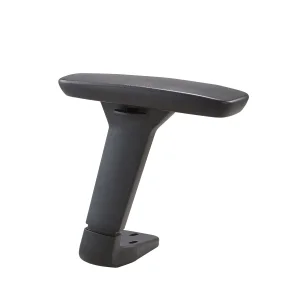
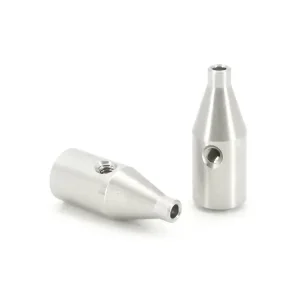
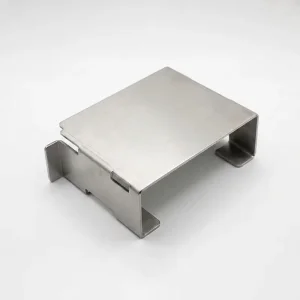
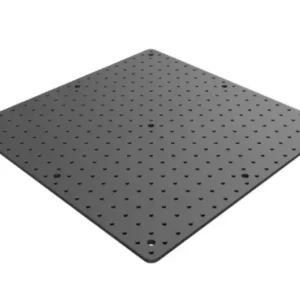
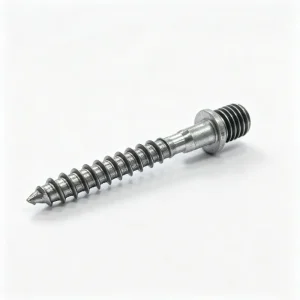
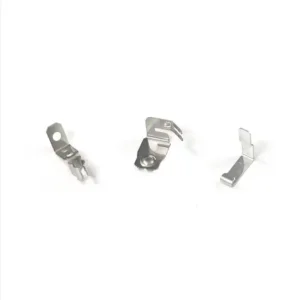
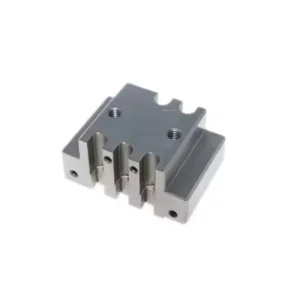
Discover our extended line of custom CNC turned components, stamped battery contacts, deep-drawn sensor housings, and specialty hardware engineered for OEM platforms.
Frequently Asked Questions: Technical & Operational FAQ
Comprehensive answers regarding our OEM contract manufacturing services, precision capabilities, quality assurance, and international logistics workflows.
What specific manufacturing processes are performed in-house vs. outsourced?
CNC multi-axis milling, Swiss turning, precision sheet metal stamping, deep drawing, and final quality control assembly are performed 100% in-house at our owned facility. Special operations such as raw material die casting and specialized surface treatments (anodizing, electroplating, PVD coating) are performed by audited, long-term regional manufacturing partners. However, all incoming quality inspection, CMM dimensional verification, and final packing are rigorously managed in-house by our quality engineers prior to global export.
What geometric tolerances can your CNC turning and milling operations achieve?
Our standard CNC machining tolerance is ±0.010 mm. For critical functional callouts—such as bearing journals, optical lens barrel bores, and sensor housing mating flanges—we consistently hold tight tolerances down to ±0.005 mm (5 microns). All tight-tolerance features are documented using temperature-compensated CMM inspection systems and supplied with First Article Inspection (FAI) packages.
How do you handle Design for Manufacturability (DFM) for high-complexity custom parts?
Upon receiving your 3D CAD files (STEP/IGES) and 2D drawings (PDF with GD&T), our application engineering team executes a complete DFM analysis within 24 hours. We evaluate draft angles, wall thickness consistency, internal tool radius accessibility, thread engagement, and thermal dissipation paths. We provide actionable engineering recommendations that reduce manufacturing complexity, minimize cycle times, and lower unit costs without compromising part functionality.
What material certifications and compliance standards do you provide with shipments?
Every shipment can include a comprehensive quality documentation binder containing: Raw Material Test Reports (MTR / EN 10204 3.1) with chemical breakdown and mechanical properties, CMM dimensional inspection reports, RoHS & REACH SVHC compliance declarations, salt-spray corrosion test results (for plated or anodized parts), and Certificate of Conformance (CoC).
How does your factory safeguard proprietary IP and engineering CAD data?
We treat client intellectual property with absolute confidentiality. We sign formal Non-Disclosure Agreements (NDAs) prior to receiving any project data. Your 3D models and technical drawings are stored on secure, encrypted internal servers with restricted role-based user access. Because you work directly with our factory team, your drawings are never exposed to brokers, unvetted sub-tier machine shops, or third-party traders.
What are your typical lead times for rapid prototypes versus mass production?
Rapid CNC prototypes typically ship within 5 to 7 business days following drawing sign-off. Low-volume pre-production bridge tooling or sample stamping lots require 12 to 15 days. Full-scale production lead times vary based on process complexity—for instance, high-volume CNC machining runs take 2 to 3 weeks, whereas new plastic injection mold or die-cast tooling development takes 3 to 5 weeks including FAI sample approval.
Submit your 2D/3D engineering drawings today. Receive an expert DFM feedback report and a transparent, factory-direct quotation within 24 hours.
Request a Custom Engineering Quote