
Featured OEM/ODM Custom Components & Castings
High-integrity metal and plastic solutions manufactured under strict CMM dimensional inspection and ISO/IATF quality frameworks.
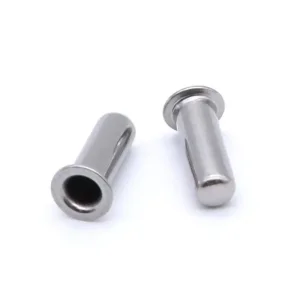
Custom Custom SS316 Deep Drawn Closed-End Flanged Temperature Sensor Housings
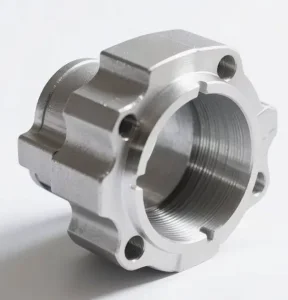
Custom High-Performance Aluminum, Zinc, Magnesium, and Copper Alloy Components
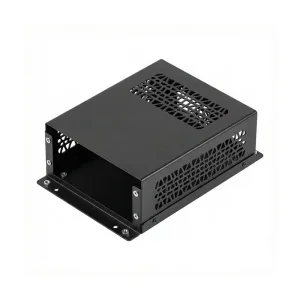
China Custom Aluminum Electronic Enclosures from China Suppliers
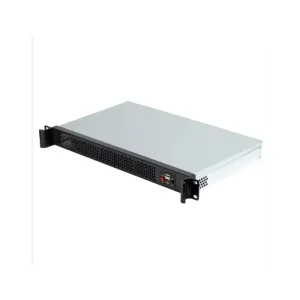
ODM OEM ODM 1U Rackmount Server Chassis (Model 1U25- Custom Mini-ITX Metal Enclosure)
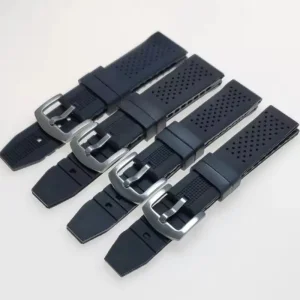
High-Quality Universal Silicone Sport Watch Strap with Air Vents (18mm - 24mm)
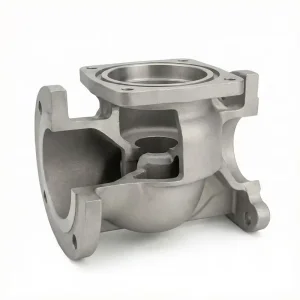
ODM China Stainless Steel Valve Body Suppliers - Investment Casting / Lost Wax Factory
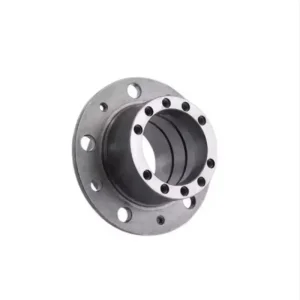
ODM Custom OEM Iron & Steel Sand Casting Wheel Hub from China Suppliers
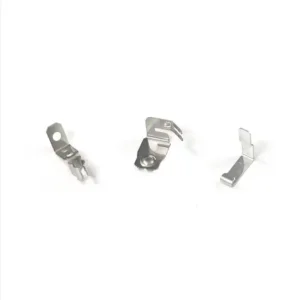
ODM Custom Phosphor Bronze and Steel Stamping Battery Contacts for Coin Cells
1. The State of ODM Shell Mold Casting: Precision, Thermodynamics & Metallurgy
Shell Mold Casting (commonly known as the Croning Process or resin-sand mold casting) represents a vital sweet spot in modern manufacturing. Positioned between traditional green sand casting and expensive investment casting (lost-wax), shell molding delivers high dimensional accuracy, superior surface finish (Ra 3.2 – 6.3 µm), and rapid cycle times for intricate iron, steel, and non-ferrous hardware.
Phenolic Resin Binder Chemistry
Utilizing thermosetting phenolic novolac resin combined with hexamethylenetetramine (HEXA) catalysts. Sand grains are coated uniformly, yielding a high-strength thin shell (6 mm – 10 mm thick) upon contact with heated metal pattern plates (200°C – 300°C).
Dimensional Tolerances (ISO 8062)
Achieves linear dimensional tolerances within ISO 8062-CT8 to CT10. Shell molding dramatically minimizes secondary CNC finishing allowances to 0.5 mm – 1.5 mm, yielding substantial raw material and tooling cost savings.
High-Density Internal Soundness
Rigid sand shells provide zero mold wall movement during solidification. This resistance prevents shrinkage cavities, pinhole gas porosity, and inclusions in pressure-tight valve bodies, hydraulic housings, and engine components.
Process Selection Matrix: Shell Molding vs. Alternative Casting Methodologies
To assist global procurement officers and hardware engineering leads, the following data matrix outlines technical trade-offs across common metal-forming processes:
| Process Metric | Shell Mold Casting (Croning) | Green Sand Casting | Investment Casting (Lost Wax) | High-Pressure Die Casting |
|---|---|---|---|---|
| Dimensional Accuracy | ±0.25 mm to ±0.50 mm | ±1.00 mm to ±2.50 mm | ±0.10 mm to ±0.30 mm | ±0.05 mm to ±0.20 mm |
| Surface Roughness (Ra) | 3.2 – 6.3 µm | 12.5 – 25 µm | 1.6 – 3.2 µm | 0.8 – 3.2 µm |
| Material Versatility | Ductile Iron, Gray Iron, Carbon/Alloy Steel, Bronze | Iron, Aluminum, Heavy Bronze | All Ferrous & Non-Ferrous Alloys | Aluminum, Zinc, Magnesium Alloys |
| Tooling Cost (Initial ROI) | Moderate ($2,500 – $8,000) | Low ($1,000 – $3,500) | High ($6,000 – $25,000) | Very High ($15,000 – $80,000+) |
| Minimum Wall Thickness | 3.0 mm – 4.0 mm | 5.0 mm – 6.0 mm | 1.5 mm – 2.5 mm | 1.0 mm – 2.0 mm |
| Machining Allowance | 0.8 mm – 1.5 mm | 3.0 mm – 5.0 mm | 0.3 mm – 0.8 mm | 0.2 mm – 0.5 mm |
2. Global Procurement Demands & Commercial Trends in Shell Molding
Global original equipment manufacturers (OEMs) in North America, Europe, and Asia-Pacific face mounting pressure to eliminate raw material waste, decrease secondary CNC machining hours, and safeguard structural integrity. Shell mold casting has emerged as the global technology of choice for complex pressure-retaining components and load-bearing drive train assemblies.
A. Shifting Sourcing Demands among Tier-1 OEMs
Modern procurement executives no longer look solely at unit price per piece. Evaluation frameworks now prioritize Total Cost of Ownership (TCO), incorporating:
- Machining Reduction: Near-net shape shell casting eliminates multi-axis rough milling steps.
- Weight Optimization: Thin-wall cast iron (3.5mm wall thickness) replaces bulky green sand parts.
- Pressure Tightness Integrity: Eliminating sub-surface micro-porosity reduces hydrostatic inspection failure rates to < 0.15%.
B. Environmental & Regulatory Conformance
With global ESG standards (such as EU REACH, RoHS, and carbon footprint declarations), ODM suppliers must adopt eco-friendly resin binder systems and reclaimed sand reclamation units. Phenolic binder thermal recycling in modern Chinese foundries reclaims up to 92% of quartz sand, dramatically reducing industrial waste.
3. China Factory 4.0: Supply Chain Resilience & Efficiency Advantages
China's manufacturing ecosystem has evolved from high-volume production into automated, data-driven Smart Foundries. Integrating Shenzhen and Guangdong's tech clusters with specialized metallurgical centers provides international buyers with unmatched speed-to-market and quality stability.
AI Solidification & Moldflow Simulation
Before cutting aluminum pattern plates, finite-element thermal simulation software (MagmaSoft / ProCAST) predicts turbulent fluid flow, gating solidification speed, and shrinkage zones to prevent defects during prototype tooling development.
Automated Shell Shooting & Robotics
Automated dual-station shell shooters enforce exact sand dumping times, curing temperatures, and core placement. Robotic pouring ladle systems maintain constant metal stream heights and melt temperature control (±5°C consistency).
Closed-Loop Quality Control (QA)
In-house optical emission spectrometers analyze melt chemistry before tap-out. Post-casting inspection integrates Zeiss CMM 3D scanning, real-time X-ray non-destructive testing (NDT), and ultrasonic flaw detectors.
4. Industry Applications & Material Selection Guide
Shell mold casting serves demanding sectors where structural load, fluid pressure tightness, and smooth internal oil passages are non-negotiable requirements.
Automotive & Powertrain
Camshafts, crankshafts, engine brackets, clutch housings, and transmission shift forks requiring high fatigue resistance and tight dimensional repeatability.
Preferred Alloys: Ductile Iron GGG50 / QT500-7, ASTM A536 65-45-12.
Hydraulics & Fluid Handling
Multi-spool hydraulic control valve bodies, high-pressure pump casings, impeller blades, and flange manifolds resistant to oil leakage under 350+ Bar pressures.
Preferred Alloys: Gray Iron GG25 / HT250, Stainless Steel CF8M (SS316).
Heavy Machinery & Earthmoving
Track rollers, sprockets, suspension arms, planetary gear carriers, and brake housings subject to severe shock, wear, and impact forces.
Preferred Alloys: Carbon Steel WCB, Alloy Steel 42CrMo4 / 8620.
Energy, Electrical & Marine
High-voltage line hardware clamps, transformer bushings, turbine housings, pump impellers, and marine pipe fittings resistant to salt fog corrosion.
Preferred Alloys: Aluminum C355/A356, Phosphor Bronze C90500, SS304/SS316.
5. Technical ODM Shell Mold Casting Quotation Framework
To obtain an accurate, competitive ODM quote, engineering buyers should understand the key cost drivers behind resin-sand pattern plate production and component pricing:
Key Drivers of Shell Molding Unit Price
- Pattern Plate Metallurgy & Cavity Count: Machined CNC aluminum pattern plates (single-cavity vs. 4-cavity) determine initial tooling amortized over piece price.
- Resin Sand Formula: Zircon sand coats yield smooth internal surfaces for hydraulic channels but cost more than silica sand.
- Secondary Machining Depth: Fully finished parts requiring tight-tolerance CNC turning/milling (±0.01mm) vs. raw near-net-shape as-cast components.
- Surface Finishing & Heat Treatment: Annealing, Normalizing, Quenching & Tempering (QT), Electro-Coating, Zinc Plating, or Powder Coating requirements.
Essential RFQ Package Checklist
Speed up technical quotation response times within 24 hours by providing:
- 3D CAD File Formats:
.STEP,.IGES,.X_T - 2D Technical Drawing with Critical Tolerances (PDF/DWG)
- Material Specification Standard (e.g., ASTM A536 65-45-12, EN-GJS-500-7)
- Target Annual Order Volume (EAU) & Batch Quantity
- Inspection Requirements (CMM Report, Radiographic X-Ray, Pressure Test)
Frequently Asked Engineering & Procurement Questions
Expert answers on shell mold casting capabilities, tooling lifetimes, quality assurance protocols, and factory production lead times.
Explore Additional OEM Metal & Machined Products
Precision CNC machining, low-pressure casting, sheet metal stamping, and specialized hardware components.
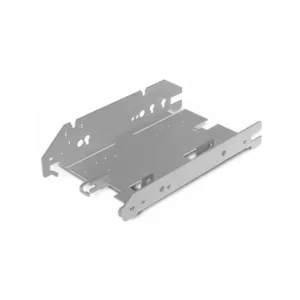
ODM Custom Precision Sheet Metal Brackets & Stamping Parts for Electronic Devices
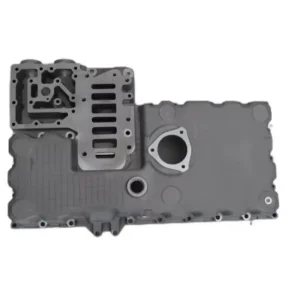
China Premium Low-Pressure Cast Aluminum Alloy Clutch Oil Pan for Automotive
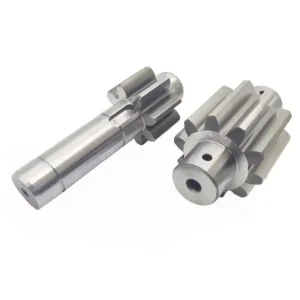
ODM Automotive Transmission System Custom CNC Machined Spur Gear & Gear Shaft
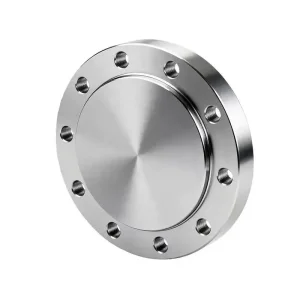
Custom OEM Precision CNC Machined Stainless Steel Flanges Manufacturer
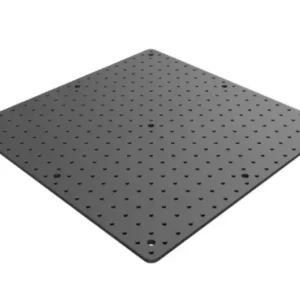
OEM Precision CNC Machining Non-Standard Solid Aluminum Optical Breadboard
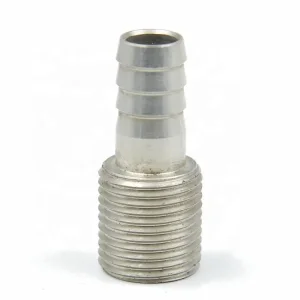
China Custom CNC Turned Hose Barb Fittings & Threaded Adapters

OEM High-Precision CNC Machined Metal Brackets & Frames - Wire EDM & Milling
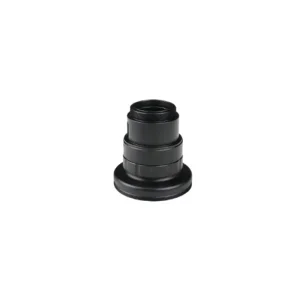
ODM Custom Black Anodized Aluminum Lens Barrel & Optical Housing Components
Accelerate Your ODM Shell Mold Casting Project Today
Submit your CAD drawings (.STEP, .IGES, PDF) to our metallurgical engineering team. Receive comprehensive DFM manufacturability analysis, solidification feedback, and a competitive ODM cost quotation within 24 hours.