
Precision Tooling & Machined Outputs (Top Selection)
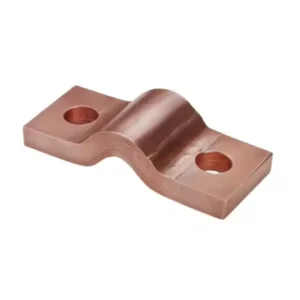
High-Quality Custom Flexible Laminated Copper Busbars for Battery & Electrical Equipment
Explore Product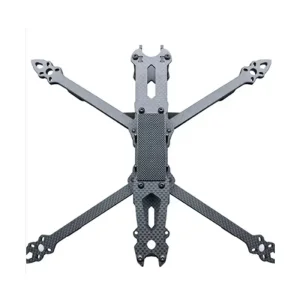
The Paradigm Shift in ODM Rapid Tooling & Low-Volume Manufacturing
How global original design manufacturers (ODMs) leverage fast-turn molds and hybrid machining to shorten time-to-market by up to 65% while preserving end-use material integrity.
In modern high-tech product design, the gap between concept validation and mass production represents the most capital-intensive and risk-laden phase of New Product Introduction (NPI). Rapid Tooling (RT)—often categorized into soft tooling (aluminum 7075, NAK80) and hybrid bridge tooling—has evolved from simple prototype mold making into a mission-critical bridge strategy for global OEMs and ODMs.
Unlike conventional production tooling, which requires 8 to 16 weeks of lead time and heavy financial commitment (SPI Class 101/102 steel molds), ODM rapid tooling exporters in manufacturing hubs like Shenzhen utilize high-speed 5-axis CNC milling, direct-metal laser sintering (DMLS) conformal cooling inserts, and modular master mold bases to deliver production-grade T1 samples within 7 to 15 days.
Rapid Prototype Molds
Ideal for 100 to 5,000 parts. Uses semi-standardized aluminum or P20 mold frames with insert-only machining, dramatically reducing tooling preparation time.
Bridge Tooling
Designed for 5,000 to 100,000 units. Bridges the supply chain gap during mass-production steel tool fabrication, enabling immediate revenue generation.
Low-Volume ODM Production
On-demand injection molding, die casting, and sheet metal stamping leveraging custom automated fixtures to minimize initial capital expenditure.
Why Global Buyers Partner with Chinese Rapid Tooling Factories
Unmatched vertical supply integration, localized raw material ecosystems, and advanced multi-axis engineering precision in Shenzhen and the Pearl River Delta.
Ultra-Dense Industrial Cluster
Within a 50-kilometer radius in Shenzhen and Dongguan, raw stock sourcing, EDM wire cutting, heat treatment, and surface plating occur simultaneously.
Aggressive Tooling Economics
Export factories offer 40% to 60% tooling cost savings compared to Western counterparts without compromising CMM-verified geometric tolerances.
Advanced DFM Engineering
In-house mold engineers perform automated Moldflow analysis, cavity fill simulation, draft angle checks, and gate location optimization within 24 hours.
24/7 Rapid Execution
Continuous multi-shift CNC machining centers and automated EDM cell work units ensure round-the-clock tool machining and fast shipping via DDP freight.
Technical Matrix: Rapid Tooling vs. Traditional Production Molds
| Engineering Attribute | Rapid Tooling (Soft / Bridge) | Traditional Production Tooling (SPI Class 101) |
|---|---|---|
| Typical Tooling Materials | Alloy 7075-T6, NAK80, P20 Steel | H13, S7, STAVAX Hardened Tool Steel |
| Fabrication Lead Time | 7 to 15 Business Days | 6 to 12 Weeks |
| Mold Life Expectancy | 10,000 to 100,000 Shots | 1,000,000+ Shots |
| Initial Capital Outlay | Low to Moderate ($1,500 - $8,000) | High ($15,000 - $100,000+) |
| Engineering Changes (ECOs) | Fast & Inexpensive (Simple CNC re-milling) | Complex, requiring annealing & laser welding |
| Supported Polymers & Metals | ABS, PC, PA66+GF, PEEK, TPU, Aluminum Die Cast | All standard resins and abrasive materials |
Technical Core: Process Selection & Metallurgical Precision
Selecting the ideal rapid tooling technology requires a comprehensive understanding of part geometry, mechanical stress demands, target resin behavior, and total production volume. At Sunmy Hardware, our ODM rapid tooling workflows cover five fundamental technical methodologies:
1. Direct CNC-Machined Aluminum Tooling (7075-T6)
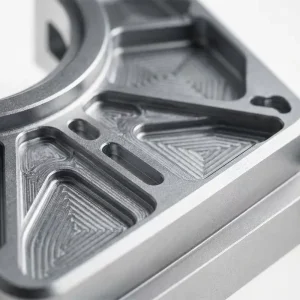
Aluminum 7075-T6 features superior thermal conductivity (nearly 5 times higher than tool steel), which accelerates heat dissipation during the injection cycle. This dramatically reduces overall cycle times by 20% to 40%. Our 5-axis CNC machining centers directly machine core and cavity plates from solid aerospace-grade aluminum blocks, eliminating the need for lengthy heat treatments.
2. Conformal Cooling Additive Tooling
For highly complex geometries prone to warpage or sink marks, traditional straight-drilled cooling channels are insufficient. Utilizing Direct Metal Laser Sintering (DMLS) in Maraging steel or 316L, we manufacture custom mold inserts embedded with conformal cooling lines that closely follow the 3D contour of the part. This eliminates hot spots, stabilizes wall shrinkage, and reduces thermal stress.
3. 2K Overmolding & Insert Molding Tools
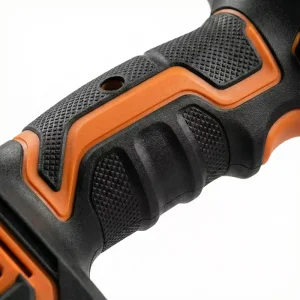
Integrating soft elastomeric grips (TPU/TPE) onto rigid substrate materials (PC/ABS) requires multi-shot injection tools or index-plate shuttle molds. Our rapid tooling facility specializes in fast-turn 2K tooling, enabling ODM clients to test ergonomic handles, waterproof gaskets, and multi-color interfaces without incurring full production tooling expenses.
4. Vacuum Silicone Urethane Casting
When production quantities range between 10 and 100 pieces, hard steel tooling is often financially unfeasible. Master patterns printed via stereolithography (SLA) with 0.025mm layer heights are encapsulated in liquid silicone rubber. Under high vacuum, polyurethane resins simulating ABS, rubber, or transparent polycarbonate are cast, delivering pristine cosmetic prototypes in under 5 days.
Phase 1: DFM & Moldflow
Evaluation of draft angles (min. 1.5°), wall thickness uniformity, gate placement, gas venting channels, and volumetric shrinkage predictions.
Phase 2: Tool Machining & EDM
High-speed 5-axis CNC milling of core/cavity plates, mirror-finish CNC EDM for sharp internal corners, and automated CMM inspection.
Phase 3: T1 Sampling & FAI
Injection sampling under production-equivalent parameters, followed by full 3D CMM inspection, FAI reporting, and immediate express air shipping.
Localized Engineering Support & Rigorous Quality Compliance
Eliminating time-zone friction and securing global supply chains through localized client hubs, strict IP management, and international quality certifications.
ISO 9001:2015 & IATF 16949
Our quality management system is fully audited for aerospace, medical (ISO 13485 compliance), and automotive component manufacturing, maintaining full material lot traceability.
Intellectual Property (IP) Shield
We execute strict legally binding Non-Disclosure Agreements (NDAs). All CAD data is processed on isolated, encrypted internal servers to protect your proprietary design assets.
Localized Time-Zone Desk
Dedicated English, German, and French native-speaking project engineering managers provide real-time updates and seamless engineering change order (ECO) implementation.
Substantiated Quality & Compliance Documentation
Every shipment exported from our Shenzhen facility undergoes strict metrological verification. Customers receive complete documentation packages prior to customs clearance:
- First Article Inspection (FAI) Report: Complete AS9102-compliant 100% dimension measurement using CMM touch probes.
- Material Mill Test Certificates (MTC): Full spectrometer breakdown verifying chemical composition and mechanical tensile strength.
- RoHS, REACH & SVHC Compliance: Chemical testing documentation ensuring heavy-metal-free compliance for European and North American customs clearance.
Cross-Industry Application Scenarios for Rapid Tooling
Delivering high-precision prototypes and end-use production parts across key global high-technology sectors.
Medical Devices & Surgical Tools
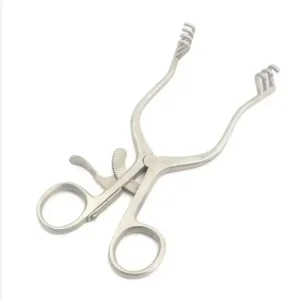
Autoclavable stainless steel investment castings, medical-grade PEEK surgical instrument handles, and ISO 10993 compliant enclosures for diagnostic equipment.
Automotive, EV & Clean Energy
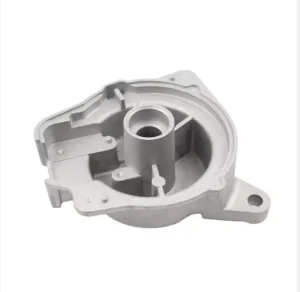
Overmolded copper busbars, lightweight battery tray housings, die-cast aluminum heat sinks, and custom vehicle sensor brackets built for rigorous vibration testing.
Aerospace & Commercial Drones
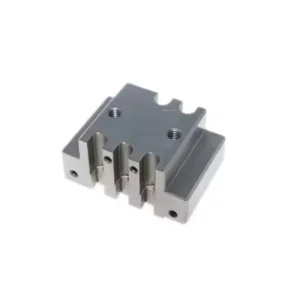
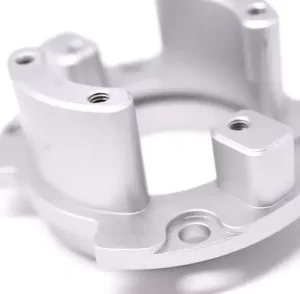
5-axis CNC machined carbon fiber frame connectors, ultra-lightweight aluminum mounting brackets, and aerodynamically optimized nylon ducting.
Consumer Electronics & Smart IoT
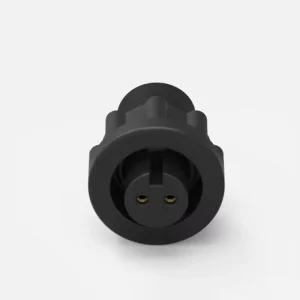
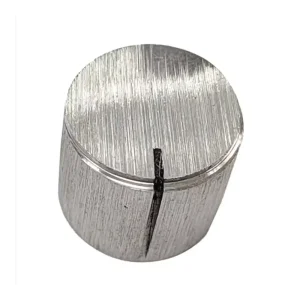
High-finish brushed aluminum control knobs, dual-injection handheld power tool handles, IP67 waterproof connectors, and thin-wall EMI shielded covers.
Robotics & Industrial Automation
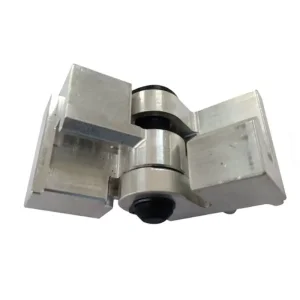
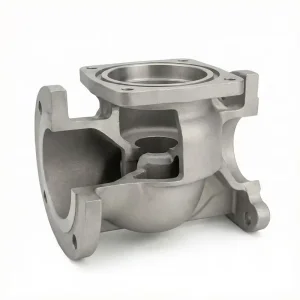
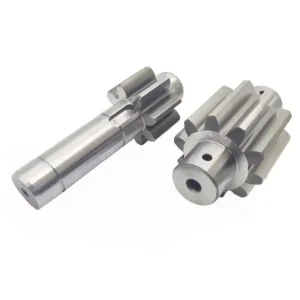
Precision CNC turned spur gear shafts, pneumatic actuator end covers, heavy-duty valve bodies, and modular structural connectors for industrial arms.
Specialized Industrial Hardware
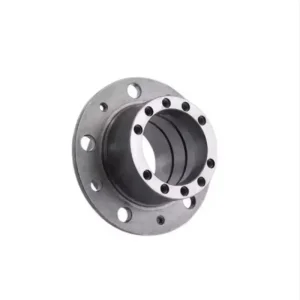
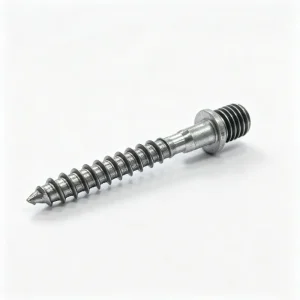
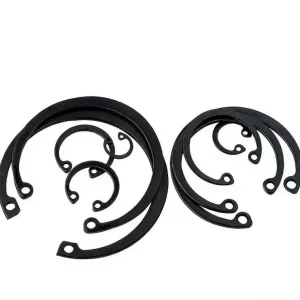
Precision-turned stainless steel dual-thread hanger bolts, retaining rings, custom wheel hub sand castings, and structural busbar systems.
The Future of Rapid Tooling & On-Demand Supply Chains
Key technological shifts reshaping the ODM hardware ecosystem over the next decade.
AI-Driven Automated DFM
Machine learning algorithms analyze 3D CAD files instantaneously, automatically predicting undercut risks, optimal parting line placements, and cycle times within seconds of upload.
Hybrid Additive-Subtractive Manufacturing
Combining DMLS 3D metal printing with sub-micron 5-axis CNC machining centers to fabricate complex inner-cavity geometries impossible through traditional milling alone.
Sustainable & Green Tooling
Utilization of eco-friendly recyclable mold bases, bio-based thermoplastics, and closed-loop coolant filtration systems to lower the product's carbon footprint.
Frequently Asked Questions (FAQ)
Comprehensive technical answers to critical procurement and engineering queries regarding rapid tooling ODM export.
What is the exact distinction between Rapid Tooling, Prototype Tooling, and Bridge Tooling?
Rapid Tooling is an overarching term covering fast-turn mold fabrication techniques. Prototype Tooling (typically 100 to 2,000 parts) utilizes softer aluminum alloys (7075-T6) or manual hand inserts to validate product design with genuine end-use resins. Bridge Tooling uses semi-hardened steel (P20 or NAK80) to produce 5,000 to 100,000 units, supplying the market while full-scale, multi-cavity production tooling (SPI Class 101) is being manufactured.
What geometric tolerances can Sunmy Hardware hold on rapid injection molds and CNC components?
For CNC precision machined metal components, standard tolerances are ±0.01 mm, with critical features achievable down to ±0.005 mm using high-precision wire EDM and fine-turning lathes. For rapid injection molded plastic parts, tolerances adhere strictly to DIN 16742-TG6 standards (typically ±0.05 mm to ±0.1 mm depending on resin thermal shrinkage rate).
How does your engineering team protect client Intellectual Property (IP) during RFQ and production?
We enforce a strict multi-layer IP protection framework. Before accepting any 3D CAD step/iges files, we sign a non-disclosure agreement (NDA) governed by international contract law. All digital blueprints are stored on encrypted internal servers with restricted access. Because Sunmy Hardware is a direct manufacturer, your proprietary files are never outsourced to secondary trading brokers.
Which quality assurance documents accompany export shipments?
Every shipment includes a standard documentation pack: 1) First Article Inspection (FAI) report with CMM touch-probe measurement data; 2) Raw Material Mill Test Certificates (MTC) proving chemical alloy compliance; 3) RoHS & REACH environmental compliance declarations; and 4) Surface finishing thickness verification reports (e.g., anodizing micron depth checks).
What resin materials can be processed using your rapid injection molds?
Our rapid molds process virtually all commercial engineering plastics, including ABS, PC, Nylon (PA6/PA66 with up to 50% glass fiber reinforcement), PMMA, POM (Delrin), PBT, TPU/TPE elastomers, and high-temperature specialty resins like PEEK, PPSU, and PEI (Ultem).
What are the standard international shipping and delivery arrangements for global ODM clients?
We support all standard Incoterms including EXW, FOB (Shenzhen/Hong Kong), DAP, and DDP (Delivered Duty Paid). For fast-turn T1 prototypes, we ship via air express (DHL/FedEx/UPS), delivering parts directly to your desk in North America or Europe within 3 to 5 business days. For volume bridge production, sea freight or multimodal air-sea routes are arranged to minimize landed logistics costs.
Custom Precision Machined & Molded Solutions (Bottom Selection)
Accelerate Your Hardware NPI with Rapid Tooling
Send us your 3D CAD drawings (STEP, IGES, STL, or PDF) for a comprehensive DFM analysis and fast quote within 24 hours. Confidentiality guaranteed with standard NDA protection.
Request an Engineering Quote