
Featured OEM & ODM Precision Components (Batch 1)
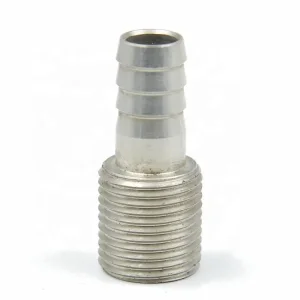
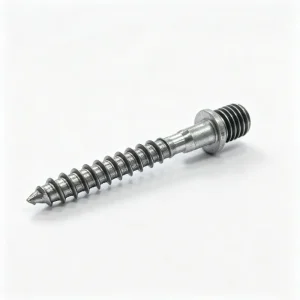
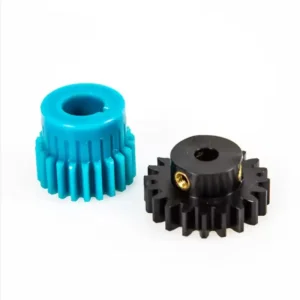
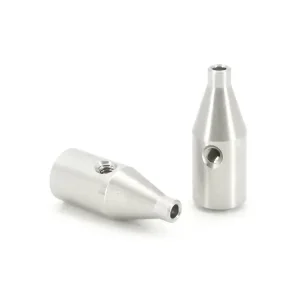
Engineered hardware and molded sub-assemblies produced under strict tolerance control and verified by CMM inspection.
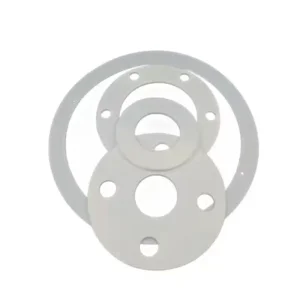
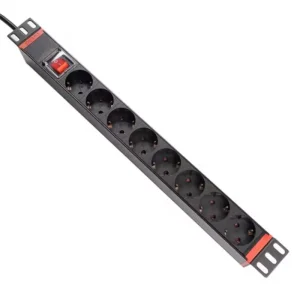
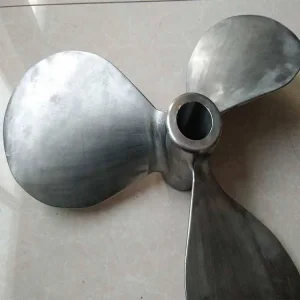
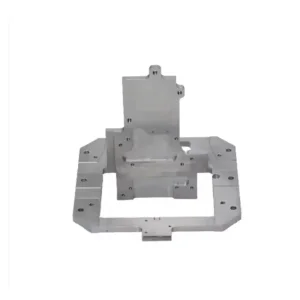
Executive Summary: The Low-Volume Molding Paradigm Shift
Why modern hardware enterprises are abandoning binary prototype-to-mass-production models in favor of agile, low-volume bridge tooling.
In the modern manufacturing landscape, the traditional boundary between high-speed rapid prototyping and capital-intensive mass production has created a costly friction point for original design manufacturers (ODMs) and product developers. Historically, procurement directors were forced to choose between expensive CNC machining/3D printing for small batches or making multi-ten-thousand-dollar commitments to hardened steel production molds (H13, S50C) designed for millions of cycles.
Low-Volume Injection Molding (LVIM) has emerged as the definitive strategic bridge. By utilizing modular tooling systems, semi-automated aluminum (7075-T6) or pre-hardened steel (P20, NAK80) mold bases, and advanced Design for Manufacturability (DFM) algorithms, specialized manufacturers can deliver production-grade thermoplastics—ranging from engineering POM gears to flame-retardant PC/ABS enclosures—at quantities from 100 to 50,000+ units. This methodology drastically compresses time-to-market while reducing Non-Recurring Engineering (NRE) expenditures.
Information Gain Key Takeaway for Sourcing Managers:
Low-volume injection molding is not merely a scaling tactic; it is an active risk mitigation framework. It allows engineering teams to validate market performance, verify regulatory compliance (FDA, RoHS, UL94), and execute physical assembly testing before solidifying steel production tooling.
Strategic Engineering Advantages of China-Based LVIM
Leveraging Guangdong's hyper-dense manufacturing supply chain for unmatched speed, material choice, and cost control.
Rapid Tooling Ecosystem
Integrated toolrooms equipped with high-speed 5-axis CNC milling, Mirror EDM, and Wire EDM allow tool building in as few as 7 to 12 days. Master Mold Base (MUD) systems eliminate redundant steel blocks, lowering NRE costs by up to 60% compared to Western suppliers.
Unrestricted Material Spectrum
Direct supply agreements with global resin manufacturers (Sabic, DuPont, Covestro, BASF) enable processing of commodity plastics (PP, ABS, PE) as well as advanced engineering resins (PEEK, PPS, PTFE, Glass-Filled Nylon) with certified lot traceability.
Turnkey ODM Capability
China-based ODM partners provide end-to-end integration: combining molded plastic housings with CNC-turned brass thread inserts, stamped sheet metal brackets, custom silicone gaskets, and secondary operations like anodizing, laser engraving, and ultrasonic welding.
Engineering Matrix: Production Method Optimization
Quantitative analysis comparing Low-Volume Injection Molding against 3D Printing, Machining, and High-Volume Tooling.
| Manufacturing Attribute | Industrial 3D Printing (SLS/MJF) | CNC Billet Machining | Low-Volume Molding (Aluminum/P20) | Mass Production Steel Molds |
|---|---|---|---|---|
| Optimal Quantity Range | 1 – 100 units | 1 – 500 units | 100 – 50,000 units | 50,000 – 1,000,000+ units |
| Tooling Cost (NRE) | $0 (Direct Digital) | $0 (Fixture Cost Only) | $1,500 – $6,000 | $15,000 – $80,000+ |
| Lead Time (First Parts) | 2 – 4 Days | 3 – 7 Days | 10 – 15 Days | 6 – 12 Weeks |
| Unit Part Cost | Very High ($$$$) | High ($$$) | Low-Medium ($$) | Lowest ($) |
| Material Properties | Anisotropic / Limited Tensile | Isotropic / Native Stock | True Production Isotropic Resins | True Production Isotropic Resins |
| Surface Finish (As-Molded) | Slightly Granular (Ra 3.2-6.3) | Tool Marks (Ra 1.6-3.2) | SPI-A2 Mirror to VDI Textures | SPI-A1 Optically Polished |
Advanced DFM & Tooling Workflow
How strict engineering controls prevent sink marks, warpage, and void formation prior to steel cutting.
1. Moldflow Analysis & Rheology Simulation
Before any tooling material is machined, ODM injection molding engineers perform comprehensive Moldflow simulations. This evaluates thermal cooling channels, plastic fill velocity, volumetric shrinkage, and weld line positioning. By analyzing the flow front of viscous molten thermoplastics (such as Glass-Filled PA66 or Polycarbonate), gate locations are strategically placed to conceal cosmetic blemishes and prevent pressure drop defects.
2. Wall Thickness Uniformity & Draft Angle Strategy
Maintaining uniform wall thickness is paramount in low-volume plastic molding to avoid differential cooling rate distortion. Our DFM protocol mandates specific wall thickness guidelines based on polymer selection:
- Polypropylene (PP): 0.8 mm – 3.0 mm (Draft Angle: 1.0° min)
- ABS & Polycarbonate (PC): 1.2 mm – 3.5 mm (Draft Angle: 1.5° to 2.0°)
- POM (Acetal / Delrin): 0.8 mm – 2.5 mm (Draft Angle: 0.5° to 1.0°)
- Glass-Reinforced Resins: Requires an additional 0.5° draft per 10% glass fiber addition to facilitate clean ejection without drag marks.
3. Core & Cavity Steel Selection Strategy
Selecting the optimal mold metal balances tooling speed with expected cycle volume:
Aluminum 7075-T6
Ideal for: 100 to 5,000 units.
High thermal conductivity allows 20% faster cycle times and ultra-rapid machining. Excellent for fast T1 sampling.
Pre-Hardened P20 Steel
Ideal for: 5,000 to 50,000 units.
Offers superior mechanical strength, resisting compression wear from abrasive glass-filled resins.
NAK80 Super Alloy
Ideal for: High-polish, optical clear parts.
Requires no heat treatment, enabling SPI-A2 mirror polish for clear PC/PMMA lens enclosures.
Global Industry Application Scenarios
Targeted manufacturing solutions tailored to high-compliance, high-precision vertical sectors.
Medical Devices & IVD
Handheld diagnostic housings, fluidic connectors, and wearable monitor casings manufactured with medical-grade USP Class VI materials under ISO 13485 quality protocols.
Automotive & EV Systems
Low-volume niche trim components, battery module bracketry, busbar insulation covers, and sensor housings requiring PPAP Level 3 documentation.
Industrial Robotics
High-wear POM gears, joint link shields, split snap bushings, and cable handling spools engineered for endurance in automated factory environments.
Smart IoT & Telecom
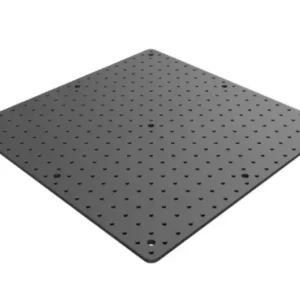
IP67 sealed electronics enclosures, antenna covers, rack-mount PDU modules, and optical breadboard components designed for long-term climate stability.
E-E-A-T Quality Assurance & Metrology Standards
Demonstrable proof of engineering rigor through advanced measurement, First Article Inspection (FAI), and material certification.
Our operational framework strictly adheres to Google's Search Quality Guidelines for Expertise, Experience, Authoritativeness, and Trustworthiness (E-E-A-T) by providing completely transparent quality validation processes. Every custom injection-molded component, turned brass insert, or stamped bracket leaves our Shenzhen facility backed by complete verification documentation.
Coordinate Measuring Machine (CMM)
Full 3D laser CMM scanning verifies complex surface geometry and true position tolerances against original native STEP CAD files down to ±0.005 mm.
First Article Inspection (FAI)
A 100% dimensional report (FAI) is generated for T1 samples, evaluating all critical GD&T callouts prior to granting batch production release.
Material Traceability & RoHS
Spectrometer analysis verifies alloy and polymer composition, ensuring compliance with RoHS 3, REACH, and UL94 V-0 flame retardation specs.
Precision Engineering Solutions (Batch 2)
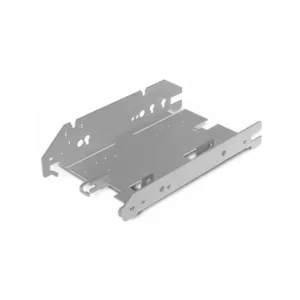
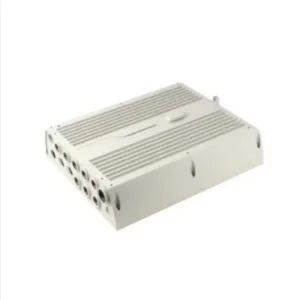
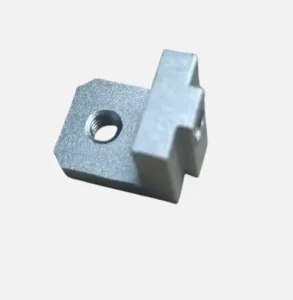
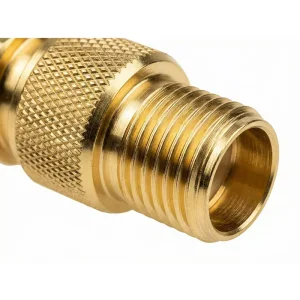
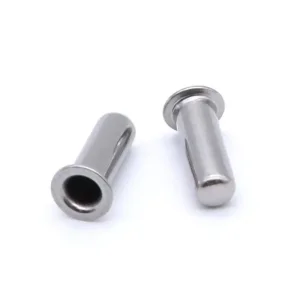
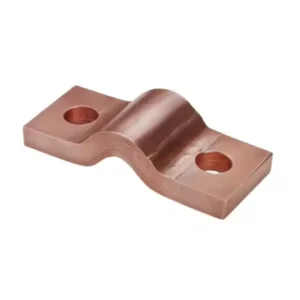
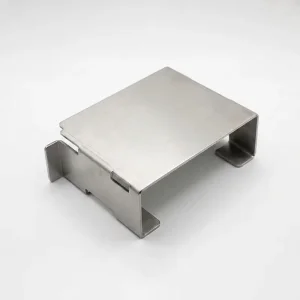
Explore our broader capabilities spanning custom metal stampings, die castings, and multi-axis CNC turnings.
Frequently Asked Questions (Sourcing & Engineering)
In-depth responses regarding mold lifespan, design changes, IP protection, and material matching.
What defines "low-volume" in injection molding, and what is the typical quantity threshold?
How does aluminum tooling compare to pre-hardened steel molds for low-volume runs?
What critical DFM adjustments are necessary for plastic injection molding?
How are Intellectual Property (IP) and proprietary CAD files protected in China?
What quality documentation accompanies low-volume injection molding shipments?
Can insert molding and overmolding be executed in low-volume production?
Accelerate Your Hardware Development Program Today
Upload your 3D STEP/IGES CAD drawings to receive a comprehensive Design for Manufacturability (DFM) analysis and an instant transparent quote within 24 hours.