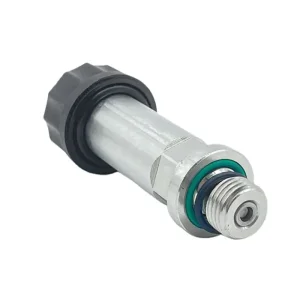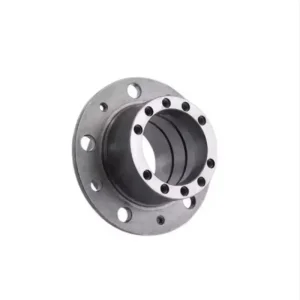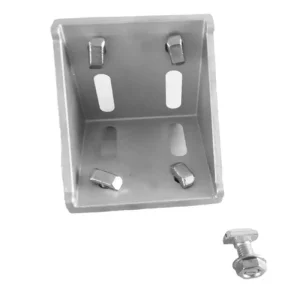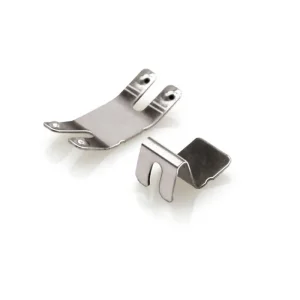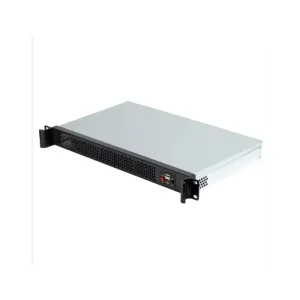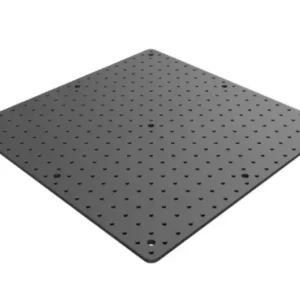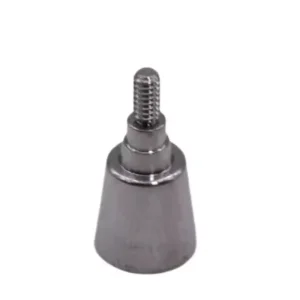
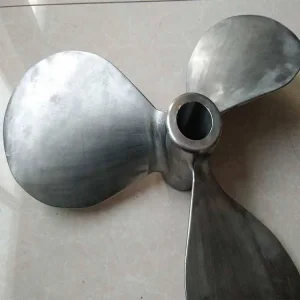
Featured Precision Engineered Components (Batch A)
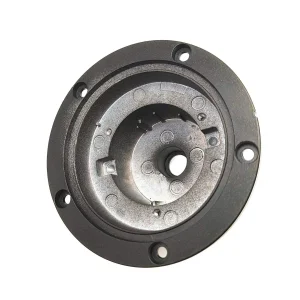
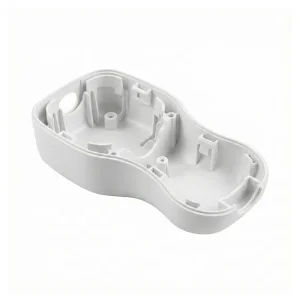
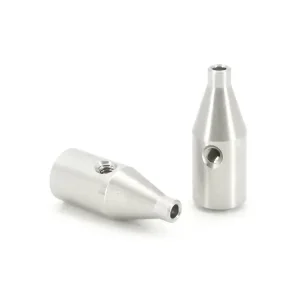
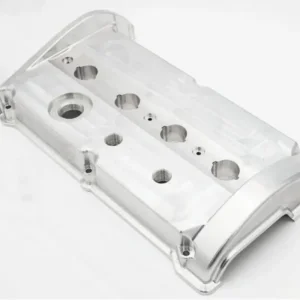
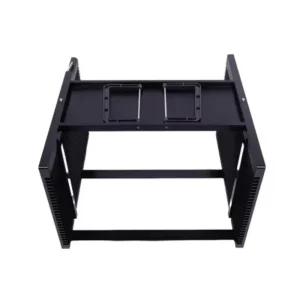
Explore our verified high-precision OEM/ODM components manufactured across our CNC, investment casting, die casting, and custom plastic injection molding processing lines.

1. Executive Summary & Paradigm Shift in Rapid Injection Molding
In today’s hyper-competitive hardware ecosystem, time-to-market is the single greatest determinant of commercial success. High-Quality Rapid Injection Molding has evolved from a simple prototyping workaround into an essential bridge-manufacturing paradigm. OEMs, Tier-1 automotive integrators, medical device developers, and industrial hardware innovators no longer view rapid tooling merely as a precursor to high-volume production, but as a critical strategic asset that compresses development lifecycles from months to days.
By leveraging advanced Design for Manufacturability (DFM) algorithms, automated CNC mold cavity cutting, modular master insert frameworks (MUD systems), and direct digital-to-tooling workflows, top-tier exporters deliver production-grade plastic parts in production-intent resins (such as PEEK, PC/ABS, LCP, and PA66-GF30) within 5 to 15 business days. This whitepaper analyzes the engineering foundations, economic mechanics, global regulatory compliance structures, and China-based supply chain dynamics that allow engineering procurement managers to minimize risk while achieving unmatched speed.
2. Engineering Depth: Moldflow Analysis, DFM & Micron-Level Tolerances
Achieving zero-defect rapid injection molding requires rigorous front-end engineering execution long before steel or aluminum is cut. The integration of full-scale Moldflow finite element simulation allows engineers to predict volumetric shrinkage, fiber orientation, knit line formations, and cooling-induced warpage with sub-millimeter precision.
Draft Angle Optimization
Maintaining an optimal draft angle (1.0° to 2.0° standard, >3.0° for heavy textured surfaces per SPI/VDI standards) is essential to prevent galling, drag marks, and part ejection failure. Our DFM protocols evaluate every face automatically.
Wall Thickness Uniformity
Non-uniform wall sections trigger differential shrinkage rates, leading to sink marks and dimensional distortion. Rapid injection tooling utilizes coring techniques and rib-to-wall ratios of 40-60% to maintain structural integrity.
Precision Gate Positioning
Strategic placement of edge gates, sub-gates, or hot runner tips ensures balanced flow lengths. Moldflow analysis identifies weld line placement, steering mechanical stress joints away from load-bearing functional zones.
| Tooling Steel Grade | Hardness (HRC) | Expected Tool Life (Shots) | Thermal Conductivity | Best Application Scenario |
|---|---|---|---|---|
| Aluminum 7075-T6 | ~150 HB | 5,000 – 25,000 | 130 W/m-K (Ultra High) | Ultra-rapid bridge tooling, prototypes, low volume |
| Pre-hardened P20 | 28 – 32 HRC | 50,000 – 100,000 | 29 W/m-K (Moderate) | Standard rapid tooling, engineering plastics |
| NAK80 (Pre-hardened) | 37 – 43 HRC | 100,000 – 250,000 | 41 W/m-K (High) | High-gloss optical components, tight-tolerance cores |
| H13 Tool Steel (Hardened) | 48 – 52 HRC | 500,000+ | 24 W/m-K (Standard) | Glass-filled resins, high-abrasion mass production |
3. China Factory Supply Chain Advantage & Cost Dynamics
The global procurement footprint has shifted toward high-efficiency, multi-process hubs located in China's prime industrial zones (such as Shenzhen, Dongguan, and the Greater Bay Area). The distinct advantage of sourcing rapid injection molding from premier Chinese exporters lies in the dense hyper-integration of tooling ecosystems.
Upstream Material Access
Direct partnerships with global polymer producers (Sabic, Covestro, DuPont, BASF) and certified domestic resin suppliers ensure immediate availability of specialty compounds, flame-retardant (UL94-V0) resins, and bio-compatible grades.
In-House Machining Synergy
By collocating 5-axis CNC machining, mirror EDM wire cutting, CMM inspection, and surface treatment (texture, anodizing, plating) under one roof, turnaround latency between tooling adjustments is reduced to zero.
Amortized Tooling Economics
Rapid aluminum tooling reduces initial capital expenditure (CAPEX) by up to 70% compared to conventional multi-cavity hardened steel tools, lowering barrier-to-entry for low-to-medium batch sizes (100 to 50,000 parts).
4. Localization Support, Quality Assurance & Regulatory Compliance
Navigating cross-border supply chains demands flawless quality assurance and stringent local compliance. Tier-1 exporters bridge geographic gaps through localized technical support, clear documentation, and international certification compliance.
Quality control is not merely a final inspection gate; it is integrated across the entire rapid manufacturing process flow. Every production batch is backed by certified raw material datasheets, First Article Inspection (FAI) reports, and Coordinate Measuring Machine (CMM) dimensional verification.
ISO 9001:2015 & IATF 16949
Standardized quality management systems guarantee strict process traceability, control plan execution, and full PPAP (Production Part Approval Process) Level 3 documentation for automotive OEM projects.
Medical Grade ISO 13485
Cleanroom injection molding facilities operating under ISO Class 7/8 standards ensure zero contamination for medical device enclosures, microfluidic chips, and diagnostic consumables.
RoHS, REACH & UL Compliance
All resin inputs are verified against EU RoHS 10 and REACH SVHC chemical safety lists, accompanied by UL94 flame retardancy certificates to streamline global customs clearance and product safety audits.
5. Emerging Industry Trends: Conformal Cooling & Sustainable Polymers
The rapid injection molding industry is undergoing rapid technical evolution. Modern toolmakers are combining traditional subtractive machining with additive manufacturing to push performance boundaries.
3D Printed Conformal Cooling
Using Selective Laser Melting (SLM) metal 3D printing, toolmakers construct cooling channels that mirror complex core/cavity contours. This cuts injection cycle cooling times by up to 35% while eliminating localized hot spots that cause part distortion.
AI Dynamic Injection Control
Real-time cavity pressure and temperature sensors transmit live data to AI-driven machine controllers. The system dynamically compensates for batch-to-batch resin viscosity variations, maintaining tight dimensional stability across long production runs.
PCR & Bio-Based Polymers
Sustainability mandates drive the adoption of Post-Consumer Recycled (PCR) engineering resins and bio-derived polymers (PLA, PHA, Bio-PA). Advanced tooling ensures these eco-friendly materials achieve mechanical parity with virgin resins.
6. Localized Application Scenarios & Industrial Implementation
Rapid injection molding serves critical functions across diverse high-tech manufacturing sectors, delivering component geometries engineered for extreme operating environments.
Automotive & Electric Mobility
High-temperature, chemical-resistant under-the-hood housings, EV battery cell spacers, sensor brackets, and interior trim components produced in PBT-GF30, PA66, and PC/ABS blends.
Medical & Life Sciences
Precision diagnostic housings, surgical instrument handles, fluidic manifolds, and wearable monitoring device enclosures molded from biocompatible medical-grade ISO 10993 materials.
Aerospace, Drones & Robotics
Ultra-lightweight structural frames, gear assemblies, drone prop-guards, and robotic end-effector components molded in carbon-fiber-reinforced PEEK or high-impact polycarbonates.
Precision Optics & Electronics
SPI A-1 optical lenses, light guides, handheld terminal shells, and IoT sensor housings requiring high-clarity optical PC, PMMA, and flame-retardant enclosures.
7. Technical & Procurement FAQ: Executive Sourcing Guide
Clear, actionable technical answers addressing core procurement, engineering, and quality control inquiries.
Featured Precision Engineered Components (Batch B)
Explore our extensive catalog of CNC turned components, stamped metal clips, sand castings, heavy-duty brackets, and precision molded interface products.