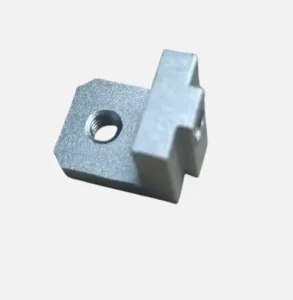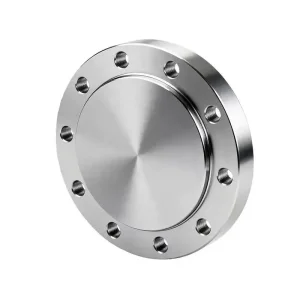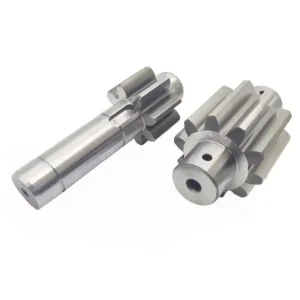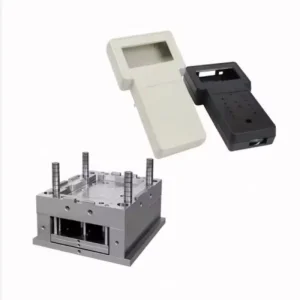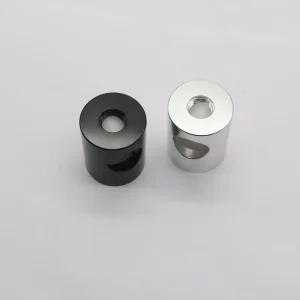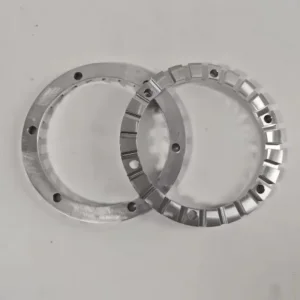
Featured Custom Components & Assembly Modules
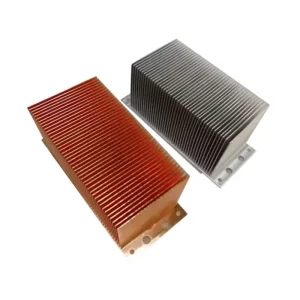
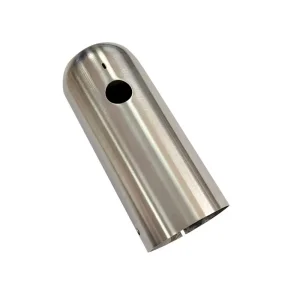
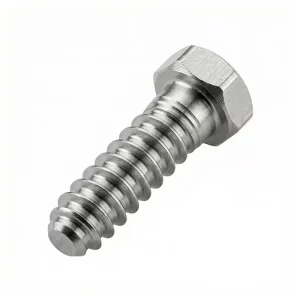
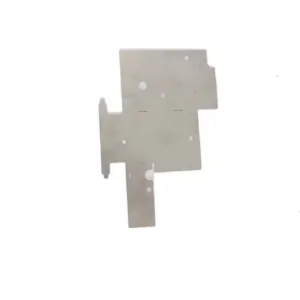
Explore our certified manufacturing capabilities spanning precision metal stamping, turned components, thermal heat sinks, and specialized electrical connectors.
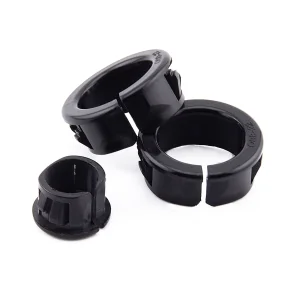

The Global Industrial & Commercial Landscape for Metal Terminals
Custom metal terminals represent the critical physical interface in modern electrical, electronic, and power distribution systems. As global industries undergo rapid transition toward electrification, renewable energy integration, high-density industrial automation, and advanced automotive architectures (e.g., EV 800V powertrains), the demand for high-reliability, micro-tolerance metal terminals has scaled exponentially. Global procurement heads and hardware engineering teams no longer evaluate terminal suppliers solely on unit price; instead, evaluation frameworks prioritize metallurgical consistency, contact resistance stability, thermal cycle resilience, and total cost of ownership (TCO).
The contemporary commercial landscape demands that a custom metal terminals factory operates as an extended engineering partner. Whether manufacturing micro-miniature crimp terminals for aerospace avionics or heavy-gauge copper busbar terminals for megawatt-scale energy storage systems (ESS), factories must master progressive die stamping, selective electroplating, and in-die automated inspection. The shift from standard off-the-shelf connectors to custom-engineered terminals is driven by space-constrained enclosure designs, extreme environmental conditions (vibration, salt spray, thermal shock up to 150°C), and stringent international standards such as IATF 16949, UL 486A-486B, and RoHS/REACH compliance.
SEO & Engineering Insight: Semantic search intent for "Custom Metal Terminals RFQ" centers on low-contact-resistance alloys, high-speed press availability (up to 1,200 strokes/min), multi-stage progressive tooling, and automated plating line traceability. Demonstrating complete end-to-end quality control provides decisive competitive advantage in global technical procurement evaluations.
Metallurgical Engineering & Stamping Trends in Metal Terminals
Modern terminal design sits at the intersection of material science, high-speed mechanical engineering, and surface electrochemistry. Selecting the optimal copper alloy and surface coating determines key performance parameters, including normal force retention, electrical conductivity (% IACS), stress relaxation resistance, and mating/unmating cycle endurance.
High-Conductivity Copper Alloys
Transition from standard C26000 Brass to high-performance alloys such as C11000 ETP Copper, C10200 OFC Copper, C51000 Phosphor Bronze, and C17200 Beryllium Copper. For high-temperature applications under the hood, copper-nickel-silicon alloys (C7025) prevent stress relaxation even at sustained ambient temperatures exceeding 125°C.
Selective Electroplating Innovations
To reduce precious metal consumption while maximizing electrical integrity, leading factories employ selective reel-to-reel plating. Technics include micro-slot gold plating on contact touchpoints combined with matte tin plating on crimp zones, guaranteeing zero whisker growth while complying with ASTM B545 and MIL-G-45204 standards.
In-Die Tapping & Automated Insertion
Industry 4.0 stamping tooling integrates secondary operations directly into the progressive press die. In-die thread tapping, nut insertion, and optical vision inspection occur at 800+ strokes per minute, eliminating secondary offline processing, drastically reducing unit scrap, and tightening feature-to-feature tolerances.
Technical Material Selection Matrix for Custom Metal Terminals
When requesting quotes for custom metal terminals, engineering buyers must evaluate raw material trade-offs between electrical conductivity, mechanical yield strength, and temperature limits:
| Material Grade | UNS Alloy Code | Electrical Conductivity (% IACS) | Tensile Strength (MPa) | Max Operating Temp (°C) | Primary Industrial Application |
|---|---|---|---|---|---|
| Electrolytic Tough Pitch Copper | C11000 | 100% - 101% | 220 - 380 | 105°C | EV Battery Busbars, Heavy Power Terminals |
| Oxygen-Free Copper | C10200 | 101% | 230 - 390 | 120°C | High-Frequency Audio, Vacuum Interrupters |
| Cartridge Brass (70/30) | C26000 | 28% | 300 - 620 | 90°C | General Commercial Quick-Connect Terminals |
| Phosphor Bronze (5% A) | C51000 | 15% | 330 - 640 | 110°C | Spring-Loaded Contact Pins, Telecom Connectors |
| Beryllium Copper (Alloy 25) | C17200 | 22% - 28% | 450 - 1300 | 200°C | Aerospace Test Sockets, High-Vibration Switches |
| Copper-Nickel-Silicon | C70250 | 40% - 50% | 620 - 800 | 150°C | Automotive ECU Pins, High-Temperature Relays |
Global Procurement Demands & Total Cost of Ownership (TCO)
In high-volume metal terminal procurement, quotes received from different global manufacturing regions often vary wildly due to uncalculated hidden overheads. A sophisticated procurement analysis must move beyond basic piece-price comparison to evaluate the holistic Total Cost of Ownership (TCO) architecture. Leading Fortune 500 procurement teams structure their Supplier Evaluation Matrix across four primary engineering cost pillars:
1. Progressive Tooling Amortization
Tooling capital expenditure (CAPEX) for high-speed progressive dies can range from $15,000 to over $120,000 depending on station count, carbide insert usage, and expected stroke lifespan (e.g., 50 million hits). Understanding NRE (Non-Recurring Engineering) cost amortization per unit is paramount for high-volume programs.
2. Plating Scrap & Material Indexing
Because copper and precious metals (gold, silver, palladium) fluctuate on the London Metal Exchange (LME), transparent factory quotes must utilize dynamic material indexing formulas. Quotes should specify raw metal weight per 1,000 pieces, pitch length, and strip scrap recovery rates.
3. Quality Validation & Lab Testing
A reputable terminal supplier must provide PPAP Level 3 documentation, First Article Inspection (FAI) reports with Coordinate Measuring Machine (CMM) data, Salt Spray Corrosion Test reports (ASTM B117), and Crimp Pull-Off Force validation curves (MIL-STD-202).
4. Logistics & Buffer Stock Resilience
Tariffs, global ocean freight lead times, and supply chain disruptions require terminal factories to maintain flexible logistics models—such as Vendor-Managed Inventory (VMI), safety stock buffering in regional warehouses, and rapid air-freight sampling capabilities.
China Industry 4.0: Supply Chain Resilience & Efficiency Advantages
The global precision metal manufacturing hub centered in China—specifically within the Shenzhen and Greater Bay Area hardware industrial cluster—has undergone a profound digital transformation. Moving far beyond low-cost labor, modern Chinese custom metal terminal factories leverage hyper-automated Industry 4.0 infrastructure to achieve unrivaled lead times, component quality, and cost resilience.
Integrated Tooling Ecosystem
Within a 30-kilometer radius, advanced factories access precision wire EDM machining, optical profile grinding, heat-treatment facilities, and raw copper rolling mills. This ultra-dense industrial ecosystem reduces custom prototype die development from 8 weeks down to 10–14 days.
Real-Time SPC & Automated Vision
State-of-the-art Chinese stamping lines integrate high-speed Automated Optical Inspection (AOI) cameras directly onto the press bed. Every stamped terminal feature—burr height, bending angle, crimp width, pitch distance—is measured in real-time with automatic non-conformance ejection.
Raw Material & Plating Autonomy
Direct integration with certified domestic electroplating industrial parks guarantees strict environmental compliance without batch delays. Automated continuous reel-to-reel plating lines provide uniform thickness monitoring via X-ray fluorescence (XRF) testing.
Localized Application Scenarios & Technical Case Matrix
Custom metal terminals are engineered components designed to meet highly specific mechanical, thermal, and electrical performance envelopes across diverse end-use sectors:
Automotive Electrification (EV)
Component: High-Voltage Battery Pack Ring Terminals & Cell Interconnect Busbars.
Requirements: Ultra-low contact resistance to prevent thermal runaway, vibration tolerance per USCAR-2, nickel/tin plating, C11000 copper with ultrasonic welding pads.
Renewable Energy & Smart Grid
Component: Photovoltaic Inverter DC Terminals & Wind Turbine Grounding Lugs.
Requirements: Heavy-gauge copper stamping, outdoor weathering resistance (salt spray > 500 hours), UL 486A safety compliance, thick electro-tin plating.
Medical Devices & Bio-Electronics
Component: Micro-Turned Pin Terminals & Surgical Tool Connector Springs.
Requirements: Biocompatible materials (Titanium, Grade 316L Stainless Steel), micron-level turning tolerance (±0.003mm), gold flash plating over nickel undercoat.
Telecommunications & 5G Infrastructure
Component: High-Frequency Shielding Clips & Board-to-Board Spring Contacts.
Requirements: Beryllium copper (C17200) for fatigue endurance, selective gold plating, precise coplanarity (< 0.08mm) for automated SMT placement.
Frequently Asked Questions (FAQ) — Metal Terminals Sourcing & Manufacturing
Ready to Accelerate Your Custom Metal Terminal Project?
Submit your CAD drawings or engineering specifications today. Our senior metallurgy and tooling engineering team provides DFM feedback and transparent factory quotes within 24 hours.
High-Precision Machined & Formed Industrial Hardware
Explore our full range of custom CNC milled components, turned shafts, custom brackets, terminal enclosures, and specialized industrial hardware assemblies.