
Precision Engine Components & Molded Solutions
Explore our top engineered components built to micron-level accuracy. Directly sourced from our Shenzhen smart manufacturing facility with full ISO/IATF quality traceability.
The Evolution of Injection Mold Making: Smart Tooling & High-Performance Resins
An authoritative technical analysis of current macro shifts in custom mold design, tooling metallurgy, numerical Moldflow simulation, and automated quality control.
Macro Industry Trends in Plastic Tooling Architecture
The global custom injection molding landscape is undergoing a structural paradigm shift driven by demands for tighter mechanical tolerances, lighter structural weight, and accelerated product lifecycles. Engineering teams across automotive, aerospace, medical devices, and industrial electronics no longer view injection molds simply as static steel blocks, but as dynamically optimized thermodynamic systems.
Modern custom mold makers must integrate high-speed CNC milling (up to 42,000 RPM), mirror-finish Electrical Discharge Machining (EDM), and sub-micron CMM verification to achieve cavity dimensional accuracies of ±0.005 mm. Furthermore, the adoption of high-performance engineering thermoplastics such as PA66-GF30, PBT, PEEK, and PPS demands advanced mold steel selection (e.g., ASSAB S136, H13, NAK80) treated with specialized PVD coatings to resist chemical corrosion and mechanical abrasion during high-volume production cycles.
Scientific Molding & Sensorization
Integrating in-cavity pressure and temperature sensors enables real-time monitoring of polymer viscosity and dynamic viscosity changes. Decoupled molding (Decoupled II & III) ensures shot-to-shot consistency independent of machine thermal variations.
Conformal Cooling Channel Design
Utilizing Direct Metal Laser Sintering (DMLS) 3D metal printing, conformal cooling channels mirror complex cavity contours. This reduces injection cycle times by 20% to 35% while virtually eliminating thermal warpage and residual stresses.
DFM & Moldflow® Simulation
Every custom project undergoes comprehensive Design for Manufacturability (DFM) analysis. Advanced Moldflow® software predicts gate blush, weld line position, air traps, and volumetric shrinkage before steel is cut.
Global Procurement Requirements: Strategic Sourcing & Risk Mitigation
Understanding what enterprise purchasing executives, lead mechanical engineers, and quality assurance directors demand when choosing a qualified China tooling manufacturer.
Total Cost of Ownership (TCO) Optimization
Smart procurement teams look beyond initial tooling costs (CapEx). A cheap mold using inferior P20 steel leads to premature cavity wear, frequent downtime, excessive flash, and expensive maintenance (OpEx). Sunmy Hardware guarantees SPI Class 101 tool steel longevity (1,000,000+ shots), offering the lowest per-unit part cost over long production runs.
IP Protection & Direct Factory Communication
Intellectual property security is paramount. We sign enforceable Non-Disclosure Agreements (NDAs) prior to receiving CAD files. As a direct Shenzhen manufacturer, your proprietary 3D geometry stays inside our secure internal servers, bypassing unvetted third-party brokers or trading agencies.
Tooling Classification Matrix (SPI Standard Compliance)
| SPI Mold Class | Design Life (Cycles) | Cavity / Core Steel Grade | Target Applications | Sunmy Engineering Standards |
|---|---|---|---|---|
| Class 101 | 1,000,000 + | S136, H13, NAK80 (HRC 48-54) | High-Volume Automotive, Electronics | Hardened tool steel, guided ejection, temperature controls, CMM verified |
| Class 102 | Up to 1,000,000 | 420 Stainless, P20 HH (HRC 36-42) | Medium to High Production Runs | Corrosion resistant cavity plates, interchangeable core inserts |
| Class 103 | Up to 500,000 | P20, 718H (HRC 30-34) | Medium Production Enclosures | Pre-hardened steel, standard cold runner / hot tip systems |
| Class 104 / 105 | 1,000 - 100,000 | Aluminum 7075, Mild Steel | Rapid Prototyping & Bridge Tooling | Fast T1 sample delivery (7-14 days), low initial capital expenditure |
Shenzhen Precision Tooling & Manufacturing Capacities
Verifiable metrics backing our full OEM/ODM product engineering and custom mold production ecosystem.
Turnkey Engineering: Molding, CNC & Metal Hybrid Integration
Complex assemblies often require combining plastic injection molding with metal inserts, CNC machined housings, stamped terminals, and surface finishing under a unified Quality Management System.
Insert Molding & Overmolding
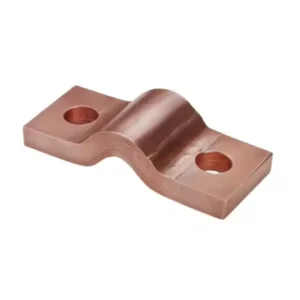
Integrating threaded brass inserts, stamped copper busbars, or turned stainless shafts into molded engineering polymers (PA66, PBT). Ideal for high-vibration automotive connector housings and waterproof electrical enclosures.
5-Axis CNC Secondary Machining
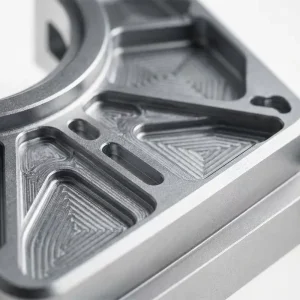
For ultra-tight tolerance bores, mating seals, or post-molding threaded features that exceed standard molding shrinkage limits, our in-house 5-axis CNC machining centers post-process cast or molded components to perfection.
Surface Finish & Texture Standards
Custom mold texturing following SPI, VDI 3400, and Mold-Tech standards. From high-gloss SPI-A1 diamond polish for optical lenses to textured VDI 33 matte finishes for scratch-resistant industrial housings.
The Future of Injection Tooling: AI, Automation & Sustainability
How Sunmy Hardware is adapting next-generation technologies to deliver sustainable, zero-defect manufacturing for our global export clients.
AI-Driven Defect Prevention & Real-time Quality Vision
Next-generation injection mold shops rely on closed-loop feedback systems. By analyzing optical camera data on robot arm extraction hands, our automated systems inspect every ejected part for micro-flash, short shots, and surface blemishes within milliseconds. Data is fed back into the injection machine control system to auto-correct hold pressure and cooling times before defects propagate across a production batch.
Bio-Polymers & Recycled Resin Processing
With strict global ESG regulations (such as EU REACH, RoHS, and WEEE directives), we optimize tooling shrink factors and runner gating for post-consumer recycled (PCR) resins and bio-based plastics (PLA, PHA) without sacrificing mechanical yield.
Additive Manufacturing Bridge Tooling
Hybrid manufacturing allows rapid prototyping of functional injection-molded parts using 3D printed ceramic-filled resin mold inserts. This bridges the gap between functional SLA prototypes and high-volume steel production tools.
Rigorous Testing, Compliance & Localized Buyer Support
Building long-term trust with European, North American, and Asia-Pacific engineering enterprises through documented quality controls and dedicated engineering management.
PPAP Level 3 & FAI Reports
Every custom tool run includes a comprehensive First Article Inspection (FAI) report, full dimensional CMM layout drawings, raw material certificates (MTRs), and Production Part Approval Process (PPAP Level 3) documentation.
Traceable Material Verification
We utilize handheld XRF spectrometers to verify alloy chemistry on metal inserts and perform Melt Flow Index (MFI) testing on engineering resins to ensure no regrind contamination occurs during production.
24/7 Global Technical Support
Our English-speaking bilingual engineering managers provide instant design updates, DFM feedback, and video progress reports throughout the tool build, sample trial (T1/T2), and shipping phase.
Frequently Asked Questions by Technical Sourcing Managers
Get rapid, transparent answers regarding tooling timelines, design modifications, resin selection, and international shipping protocols.
What is your typical lead time for custom injection mold making and T1 sampling?
How does Sunmy Hardware ensure accurate shrinkage compensation across complex plastic geometries?
Which file formats are required for DFM analysis and fast tooling quotations?
How do you handle engineering change orders (ECO) during or after tool production?
Can you manufacture metal components and plastic molded parts under one single purchase order?
What quality control documentation accompanies exported tooling and molded shipments?
- Steel Hardness & Material Certificates
- First Article Inspection (FAI) Report
- Full Dimensional CMM Measurement Logs
- RoHS / REACH Material Compliance Declarations
- Inject-Molding Trial Process Data Sheets (T1 Parameters)
Custom Precision Hardware & Molding Products
Browse our extended product portfolio engineered for automotive, medical, optical, and heavy industrial applications.
Accelerate Your Custom Tooling & Molding Project
Send us your 3D CAD files (.STEP, .IGES, .X_T) or project specifications. Our senior mold design engineers will return a complete DFM analysis and itemized quote within 24 hours.