
Precision OEM Hardware Portfolio (Part I)
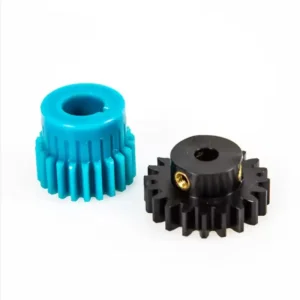
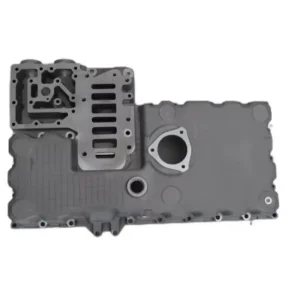
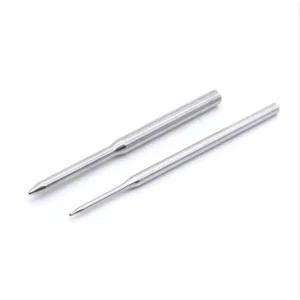
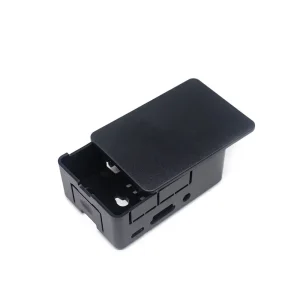
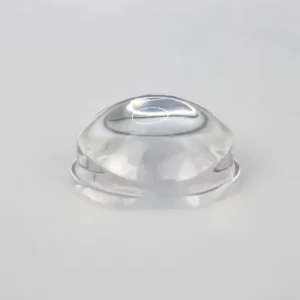
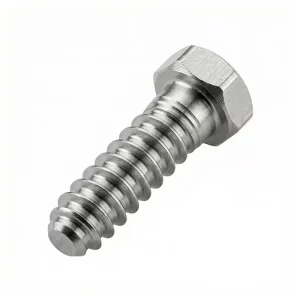
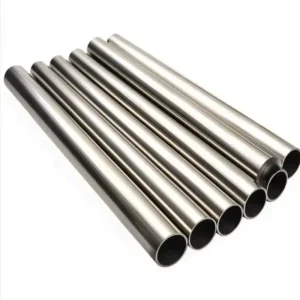
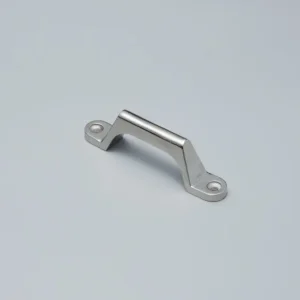
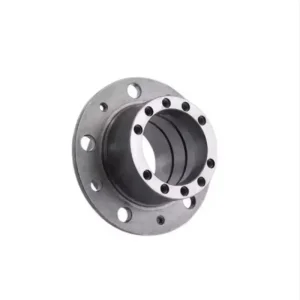
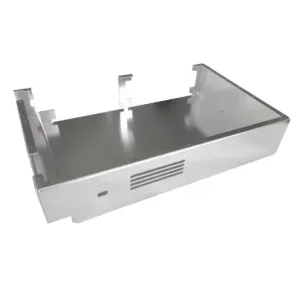
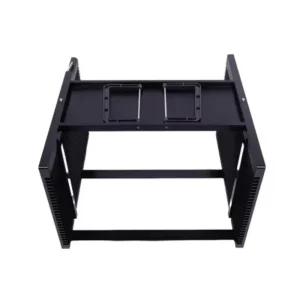
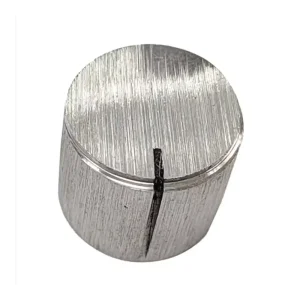
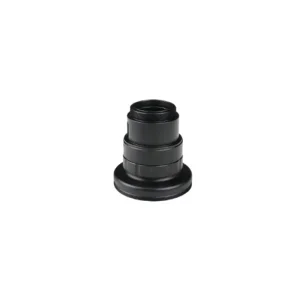
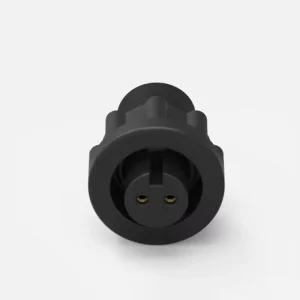
Featured high-tolerance components engineered via precision injection molding, CNC turning, and custom metallic stamping processes.
Industrial Evolution of Custom Brass Stamping: Macro Trends & Market Dynamics
An authoritative analysis of metallurgical advancement, electrification demands, and global manufacturing shifts driving the next decade of metal forming.
In the contemporary advanced manufacturing landscape, custom brass stamping stands as a critical foundational pillar across automotive electrification, telecommunications infrastructure, aerospace avionics, and medical device engineering. Brass alloys—renowned for their superior electrical conductivity, exceptional thermal dissipation, inherent corrosion resistance, and micro-scale formability—have transitioned from legacy mechanical hardware components into mission-critical electro-mechanical interfaces.
As global supply chains navigate energy transitions and intelligent automation, the demand for custom brass stamped parts is undergoing a profound shift. Procurement directors and chief technical officers no longer evaluate suppliers purely on per-unit piece price; instead, modern enterprise sourcing demands hyper-precise progressive die tooling, documented metallurgical traceability, real-time DFM (Design for Manufacturability) analysis, and zero-defect zero-ppm quality assurance under IATF 16949 standards.
EV Electrification & Busbars
High-speed electric vehicle architecture requires custom stamped brass battery interconnects, continuous strip terminals, and heavy-gauge busbars capable of handling high voltage without thermal runaway.
5G RF & EMI Shielding
Ultra-dense wireless communication infrastructure relies on micro-stamped phosphor bronze and brass shielding cans featuring intricate multi-stage deep draws to prevent high-frequency electromagnetic interference.
Lead-Free Eco-Brass Mandates
Strict global environmental directives (RoHS 3, REACH, California Prop 65) have catalyzed the adoption of low-lead and lead-free brass formulations requiring engineered lubrication and modified press kinematics.
Engineering Data: Brass Alloy Selection & Mechanical Properties Matrix
Optimizing cold-workability, grain structure elongation, and electrical conductivity (% IACS) for high-performance precision stamping.
Selecting the precise brass alloy specification is the definitive baseline for avoiding material cracking during aggressive bend radii, die galling during deep drawing, or premature stress relaxation under high thermal environments. Below is a comprehensive engineering selection guide utilized by our tooling design engineers during initial RFQ evaluations:
| Alloy Grade | UNS Standard | Composition (Cu / Zn / Pb) | Tensile Strength (MPa) | Electrical Conductivity (% IACS) | Primary Stamping Suitability |
|---|---|---|---|---|---|
| Cartridge Brass (70/30) | UNS C26000 | 70% Cu, 30% Zn | 315 – 450 | 28% IACS | Optimal for severe deep drawing, complex progressive formings, snap fasteners. |
| Yellow Brass (65/35) | UNS C26800 | 65% Cu, 35% Zn | 325 – 480 | 27% IACS | Excellent balance of cost and cold workability; ideal for electrical contact terminals. |
| Free-Cutting Brass | UNS C36000 | 61.5% Cu, 35.5% Zn, 3% Pb | 380 – 550 | 26% IACS | Modified blanking/piercing; primary choice for hybrid turned/stamped secondary operations. |
| Naval Brass | UNS C46400 | 60% Cu, 39.25% Zn, 0.75% Sn | 380 – 580 | 26% IACS | Tin-inhibited corrosion resistance; specialized for marine hardware and harsh environment connectors. |
| Phosphor Bronze (Alternative) | UNS C51000 | 95% Cu, 5% Sn, 0.2% P | 330 – 640 | 15% IACS | Exceptional fatigue life and spring retention; standard for high-cycle micro-switch contacts. |
Chief Metallurgist's Insight: When stamping high-frequency connector springs, specifying an annealed grain size between 0.015mm and 0.025mm prevents surface orange-peeling effect during tight 90-degree bending, eliminating micro-fractures before post-stamping electroplating.
Progressive Die Architecture & Precision Stamping Workflows
How state-of-the-art toolrooms achieve sub-micron repeatability, controlled spring-back, and extended tool life.
1. FEA Formability Simulation
Before cutting tool steel, finite element analysis (FEA) simulates material flow, strain hardening, and springback behavior to optimize strip layout efficiency above 85% utilization.
2. Carbide Tool Inserts & Wire EDM
Critical punching and forming sections utilize ultra-fine grain tungsten carbide inserts, machined via optical profile grinding and wire EDM to deliver tolerances held within ±0.002mm.
3. Continuous High-Speed Presses
Deploying automated Servo & Mechanical presses ranging from 25 to 300 tons, operating at speeds up to 1,200 strokes per minute with integrated acoustic and optical in-die misfeed sensors.
Enterprise Sourcing: RFQ Engineering, Tooling Amortization & TCO Optimization
A strategic framework for procurement leads navigating dual-sourcing, raw material hedging, and landed cost reduction.
When evaluating quotes for custom brass stamping suppliers, initial piece prices can be deceptive if disconnected from die longevity, scrap metal credits, and secondary plating specifications. Enterprise procurement demands full transparency across the Total Cost of Ownership (TCO) matrix:
Tooling ROI & Ownership
We provide transparent tooling cost breakdowns separating die design, wire-EDM steel fabrication, and try-out samples. All customer-funded dies are maintained with complimentary life-of-program refurbishment guarantees.
Raw Material Index Hedging
Copper LME (London Metal Exchange) fluctuations directly impact brass strip pricing. Our transparent quoting models link material costs to live market indices, offering fixed-period locking or indexing options.
Scrap Recovery Credit Integration
High-speed progressive blanking generates recyclable brass web scrap. By factoring closed-loop metal recycling directly into the unit pricing model, we pass back up to 15% net material savings to high-volume buyers.
Quality Assurance, Inspection Protocol & Global Compliance Standards
Documented operational rigor designed to integrate seamlessly into North American and European OEM supply chains.
Quality reliability is non-negotiable when brass stamped parts enter automated assembly lines where a single out-of-spec terminal can jam a $5M assembly cell. Our quality control architecture is built upon absolute multi-stage verification:
| Quality Gate | Inspection Technology / Tooling | Documented Deliverable | Standard Threshold |
|---|---|---|---|
| Raw Material Receiving | XRF Spectrometer / Optical Emission | Mill Test Certificate (MTC) 3.1 | 100% Alloy Grade & Temper match |
| First Article Inspection | Automated Optical CMM / Keyence Image System | AS9102 / IATF FAI Report | 100% Dimensions within 2D/3D CAD tolerances |
| In-Process Monitoring | Piezoelectric Tonnage Sensors / Vision Cameras | SPC Charts (Cpk / Ppk Data) | Cpk ≥ 1.67 on critical features |
| Plating Quality | X-Ray Fluorescence Thickness Gauge / Salt Spray | Plating Thickness & Corrosion Certificate | ASTM B117 96-Hour Salt Spray minimum |
Technology Roadmap: Industry 4.0 & Next-Gen Stamping Manufacturing
Transforming traditional punch presses into intelligent cyber-physical production systems.
AI In-Die Optical Inspection
High-frame-rate machine vision cameras installed inside the progressive die station analyze burr height, bend angle, and hole location at 1,000 RPM, auto-rejecting non-conforming parts prior to strip reel-up.
Selective Reel-to-Reel Plating
Advanced electroplating lines deposit precious metals (Gold, Silver, Selective Matte Tin) exclusively on critical contact tip areas, slashing precious metal consumption by up to 60%.
Digital Twin Tool Maintenance
Integrated punch strike counters track die wear vectors in real-time, scheduling predictive sharpening intervals before punch edge degradation induces burrs exceeding 0.015mm.
Frequently Asked Questions (FAQ) for Custom Brass Stamping Sourcing
Expert engineering answers to critical inquiries raised by global procurement and hardware design teams.
Precision OEM Hardware Portfolio (Part II)
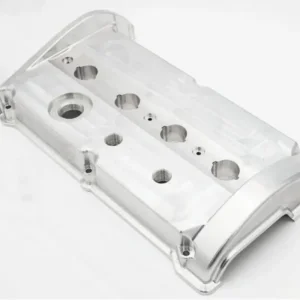
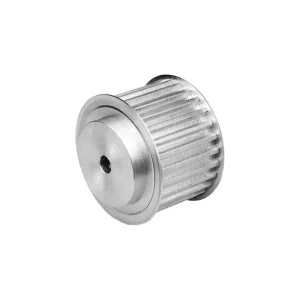
Explore additional custom capabilities across casting, turning, optical components, and sub-assembly manufacturing.
Request an Engineering DFM Review & Instant Stamping Quote
Submit your 2D/3D CAD drawings today. Our senior tooling engineers provide comprehensive manufacturability feedback, material alloy optimization, and detailed cost breakdowns within 24 hours under NDA.
Submit CAD Drawings & Get Quote