Featured Precision Components & OEM Products
Explore our engineered hardware, molded enclosures, and custom components manufactured to strict ISO & ASTM quality standards.
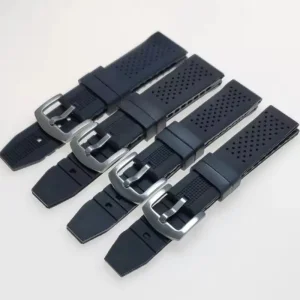
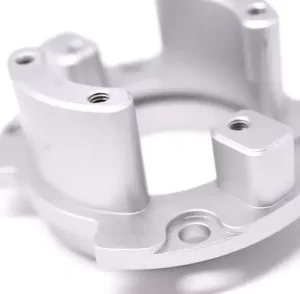
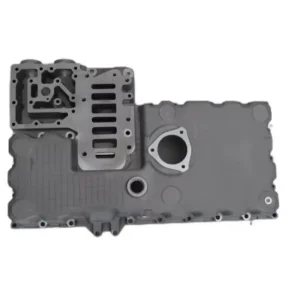
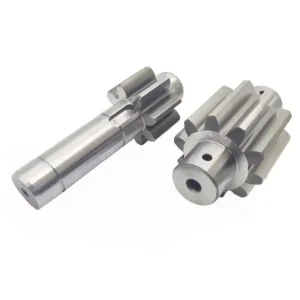
The Global TPE Injection Molding Landscape: Strategic Sourcing from China
Thermoplastic Elastomers (TPE) represent the pinnacle of modern polymer engineering, combining the elastomeric performance of cross-linked thermoset rubber with the high-speed processing efficiency and recyclability of thermoplastics.
Expanding Global Demand
The global Thermoplastic Elastomer market is projected to reach USD 34.5 Billion by 2030, registering a CAGR of 6.4%. Rapid adoption is driven by automotive lightweighting, medical device miniaturization, and green consumer product initiatives replacing traditional EPDM and vulcanized rubber.
Fully Integrated Ecosystem
China’s TPE manufacturing sector has evolved from low-cost assembly to world-class precision engineering. By pairing raw material compounding labs with advanced multi-kilo-ton press facilities in Shenzhen, top-tier Chinese factories offer unparalleled rapid tooling and scalable mass production.
Eco-Friendly Polymer Chemistry
Unlike thermoset rubbers that require energy-intensive vulcanization and cannot be melted down, TPE materials are 100% recyclable. Scrap and runners can be reground and reused without compromising structural integrity or tactile performance.
Multi-Component Injection Molding & Overmolding Architecture
Achieving unbreakable interfacial adhesion between soft TPE elastomers and rigid engineering plastic substrates requires master-level DFM, thermal management, and chemical bonding expertise.
Two-Shot (2K) Co-Injection Molding
Utilizing specialized injection presses featuring dual independent barrel units and rotating platen molds. The rigid thermoplastic skeleton (e.g., Polypropylene, ABS, Polycarbonate, or Nylon) is injected first, followed immediately by the rotated transfer step where TPE is molded over specified touchpoints.
- Zero secondary handling or manual insert assembly
- Optimized thermal melt bonding at the molecular interface
- Cycle time reduction up to 45% compared to multi-stage overmolding
Insert Overmolding (Metal & Plastic Substrates)
Pre-fabricated metal pins, CNC machined aluminum housings, or pre-molded plastic cores are placed directly into the mold cavity. Custom-formulated TPE compounds are injected around the insert to form watertight IP67/IP68 environmental seals, vibration isolators, or soft-touch ergonomic grips.
- Mechanical interlocking combined with chemical primers
- Ideal for low-to-medium volume complex assemblies
- Accommodates brass threaded inserts and PCB electronics encapsulation
TPE Polymer Family Selection Matrix & Mechanical Specs
Selecting the exact Thermoplastic Elastomer variant is critical for optimizing peel strength, oil resistance, weatherability, and durometer hardness. Below is our engineering comparison guide.
| Polymer Family | Hardness Range | Chemical Base | Substrate Adhesion | Key Performance Strengths | Typical Applications |
|---|---|---|---|---|---|
| TPS (SEBS / SBS) | Shore 00 to 95A | Styrenic Block Copolymer | PP, PE, PS, ABS, PC | High transparency, soft velvety feel, excellent UV stability, budget cost. | Consumer grips, toothbrush handles, wearable bands. |
| TPV (PP/EPDM) | Shore 40A to 50D | Dynamically Vulcanized Alloy | PP, Metal (Mechanical) | Strenuous compression set resistance, high thermal stability (-40°C to 135°C). | Automotive under-hood seals, weatherstripping, bellows. |
| TPU (Urethane) | Shore 60A to 85D | Thermoplastic Polyurethane | ABS, PC, PC/ABS, PA, Steel | Exceptional abrasion resistance, extreme tear strength, high pressure load capacity. | Industrial casters, power tool bumpers, protective phone cases. |
| TPO (Olefinic) | Shore 70A to 65D | Polyolefin Blend (PP/PE) | PP, PE Substrates | High impact strength at sub-zero temperatures, low density (lightweight). | Automotive bumpers, interior dashboard trim, fascia panels. |
| COPE / TPE-E | Shore 30D to 82D | Copolyester Elastomer | PA (Nylon), PBT, Metals | Flex fatigue endurance, extreme chemical & solvent resistance. | Hydraulic hoses, CVJ boots, quiet power transmission gears. |
Localized Application Scenarios & Engineering Solutions
From precision medical fluid systems in North America to heavy-duty automotive sealings across European OEM plants, our custom TPE molding services deliver tailored solutions.
Automotive Tier-1 Components
Engineered TPV & TPO components manufactured under IATF 16949 standards. Custom molding for air intake ducts, steering column boots, door weatherseals, cable grommets, and vibration isolation mounts built to withstand heat, oil, and ozone exposure.
Medical & Healthcare Devices
Class VI biocompatible, ISO 10993-certified TPE molding performed in cleanroom environments. Applications include soft-touch syringe plunger seals, peristaltic pump tubing connectors, respiratory mask cushions, and sterilizable medical device grips.
Consumer Electronics & Wearables
High-precision overmolding for IP67 waterproof smartphone enclosures, sweat-resistant smart health watchbands, ergonomic gaming controller grips, and TPE acoustic seals designed for active noise-canceling earbuds.
Industrial Power Tools & Controls
Heavy-duty TPU and SEBS overmolding over glass-filled Nylon bodies. Provides extreme shock absorption, impact isolation, and anti-slip tactile handling for power drill housings, industrial scanners, and ruggedized measuring instruments.
Smart Home & Plumbing Systems
NSF-61 and FDA-compliant TPE seals for smart water meters, kitchen faucet spray handles, dual-injection dishwasher valve gaskets, and quiet-operating HVAC damping dampers.
TPE Injection Molding DFM & Tooling Engineering Roadmap
Prevent mold defects such as delamination, gas burns, sink marks, and flashing with our strict Design for Manufacturability (DFM) protocols.
Nominal Wall Uniformity
Maintain consistent wall thickness (1.5mm to 3.0mm). Avoid abrupt thickness changes; use 3:1 radius transitions to prevent sink marks and internal void formation during the elastomer cooling phase.
Ejection Draft Specs
Soft TPEs (Shore < 60A) can often flex over minor undercuts. However, for harder grades (Shore > 80A), specify a minimum draft angle of 0.5° to 2.0° to prevent drag marks and tearing upon mold opening.
Submarine & Valve Gates
Position gates at the thickest structural section. Utilize valve gate hot runner systems to eliminate cosmetic vestige and prevent shear-induced degradation of the TPE polymer chains.
Micro Vent Channels
Because TPE melts display shear-thinning viscosity, deep venting causes heavy flash. Maintain tight micro-vent depths of 0.01mm to 0.025mm to allow gas evacuation without flash generation.
Macro Quality Control, Metrology & Testing Infrastructure
Every production batch undergoes comprehensive physical, thermal, and dimensional inspection before leaving our Shenzhen facility.
Peel & Adhesion Testing
Execution of 90° and 180° peel strength tests (ASTM D903) to ensure TPE overmolded layers achieve cohesive structural breakdown (material tearing before interfacial adhesive bond failure).
CMM & Optical Metrology
High-precision Zeiss Coordinate Measuring Machines (CMM) and 3D optical surface profilers verify micro-tolerances down to ±0.005mm on critical mating faces, gasket grooves, and alignment pins.
Environmental Stress Aging
Thermal cycling (-40°C to +150°C), artificial UV weatherometer exposure (ASTM G154), and chemical resistance immersion tests guarantee product longevity in harsh operating environments.
Frequently Asked Questions: China TPE Molding Sourcing
Clear, technical answers to procurement, engineering, and manufacturing questions regarding Thermoplastic Elastomer custom projects.
What is the difference between TPE, TPU, and Liquid Silicone Rubber (LSR)?
TPE (Thermoplastic Elastomer) is a broad family of recyclable thermoplastics offering fast cycle times, easy overmolding onto plastics, and low tooling costs.
TPU (Thermoplastic Polyurethane) is a sub-class of TPE offering superior abrasion resistance, high load-bearing capacity, and exceptional tear strength, though usually at higher durometer hardnesses.
LSR (Liquid Silicone Rubber) is a thermoset polymer requiring high heat curing. While LSR provides unmatched temperature resistance (>200°C) and compression set, it cannot be recycled and requires more expensive tooling and longer cycle times compared to TPE.
How do you ensure strong bonding between TPE and rigid plastics during overmolding?
Strong interfacial bonding relies on two mechanisms: Chemical Compatibility and Mechanical Interlocking.
1. Chemical: We select specialized TPE compounds modified with polar maleic anhydride or acrylic acid groups when overmolding onto polar polymers like Nylon (PA) or Polycarbonate (PC).
2. Mechanical: We design physical locking slots, undercut grooves, holes, and textured surfaces on the rigid substrate during DFM to anchor the TPE physically even under high shear stress.
What shrinkage rates should be accounted for in TPE tooling design?
TPE volumetric shrinkage typically ranges from 1.2% to 3.0%, depending on durometer hardness, wall thickness, and flow direction (longitudinal vs. transverse shrinkage). Softer TPE grades exhibit higher shrinkage. Our engineering team conducts Moldflow 3D thermal filling simulations prior to cutting steel to calculate exact mold cavity offsets.
What typical lead times can we expect for TPE injection mold fabrication in China?
For standard single-cavity prototype tooling (P20 steel or NAK80), typical mold fabrication and FAI sample delivery require 15 to 20 business days. For high-volume multi-cavity 2K production molds (H13 steel), lead times range between 30 and 40 business days including mold trial tuning and full CMM inspection validation.
Can TPE materials comply with medical grade FDA and ISO 10993 requirements?
Yes. We source medical-grade TPE resin formulations certified for USP Class VI, ISO 10993-5 (Cytotoxicity), and REACH/RoHS compliance. Molding is performed in ISO Class 7 and Class 8 cleanrooms to meet strict healthcare hygiene requirements.
Additional Custom Manufacturing & Machining Catalog
Explore our full line of custom turned, casted, stamped, and optical molded components.