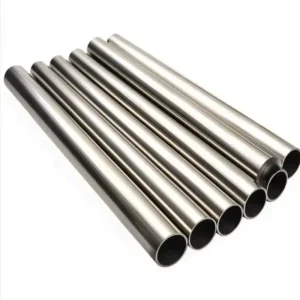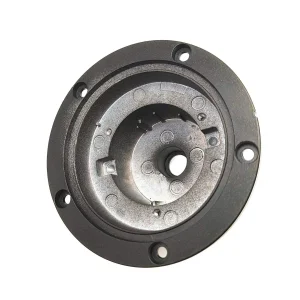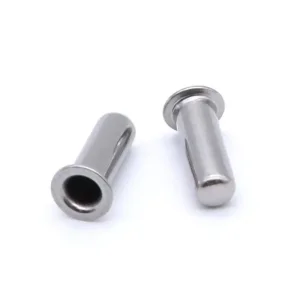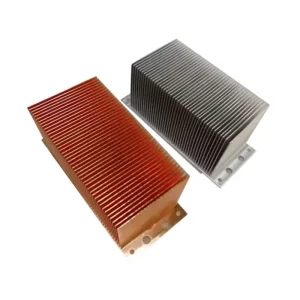
Featured Precision Machined & Stamped Components
Explore custom OEM hardware manufactured under rigorous quality control standards in China.

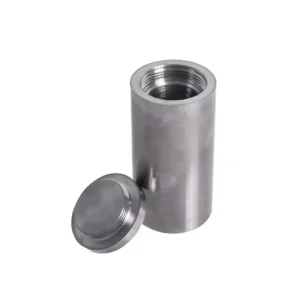
Understanding the Engineering Depth of China's CNC Machining Centers
How state-of-the-art multi-axis CNC technology, thermal compensation, and dynamic calibration drive global manufacturing precision.
The modern manufacturing landscape has shifted dramatically from basic subtractive machining toward high-precision, multi-axis, integrated CNC machining centers. In China, top-tier manufacturers have adopted advanced computer numerical control (CNC) technology capable of holding tight tolerances down to ±0.005 mm for complex geometric configurations. Procurement teams and engineering leads from North America, Europe, and Asia-Pacific rely on Chinese CNC suppliers not merely for cost-efficiency, but for superior technical capability, rapid scaling, and comprehensive DFM (Design for Manufacturability) support.
Information Gain Insight: The 5-Axis Simultaneous Machining Advantage
Unlike traditional 3-axis indexing operations that require multiple fixture setups—introducing cumulative geometric errors—modern 5-axis CNC machining centers enable continuous single-setup cutting. This eliminates alignment variances, reduces total lead times by up to 60%, and guarantees true positional accuracy across complex organic curves, internal channels, and compound angles.
High-Precision VMC & HMC
Vertical Machining Centers (VMC) and Horizontal Machining Centers (HMC) equipped with high-speed direct-drive spindles (15,000–30,000 RPM) for pristine surface finishes and rapid stock removal in aluminum and engineering plastics.
Swiss-Type CNC Turning
Sub-micron precision sliding-headstock turning lathes dedicated to miniature, high-length-to-diameter ratio components such as medical needles, sensor housings, and micro-pin connectors with integrated live tooling.
Multi-Axis Simultaneous Cutting
True 5-axis simultaneous tool paths configured with HEIDENHAIN or FANUC control units, allowing full spatial vector control, dynamic tool tip laser calibration, and active vibration damping.
Capabilities & Tolerance Matrix: China Custom CNC Machining
| CNC Machining Process | Standard Tolerances | Critical Tolerances (Verified) | Max Working Envelope | Target Materials |
|---|---|---|---|---|
| 3-Axis / 4-Axis Milling | ±0.05 mm | ±0.010 mm | 2,000 x 1,200 x 800 mm | AL6061, AL7075, SS304, Brass C3604 |
| 5-Axis Simultaneous Milling | ±0.01 mm | ±0.005 mm | 800 x 800 x 600 mm | Titanium Grade 5, Inconel 718, PEEK |
| Swiss-Type Lathe Turning | ±0.008 mm | ±0.002 mm | Ø 32 mm x 300 mm L | SS316L, Copper, Tungsten Carbide |
| Wire EDM / Sinker EDM | ±0.005 mm | ±0.002 mm | 500 x 350 x 300 mm | Hardened Tool Steel (HRC 60+), Carbide |
| Sheet Metal Stamping & Forming | ±0.10 mm | ±0.030 mm | 1,500 x 3,000 mm sheet | SPCC, SECC, Beryllium Copper, Aluminum |
Why China Remains the Preferred Strategic Hub for CNC Procurement
Localization of industrial clusters, complete raw material availability, and vertical supply-chain integration.
Guangdong (Shenzhen / Dongguan)
Focus: Ultra-precision, consumer electronics hardware, rapid prototyping, micro-connectors, and optical components.
Advantage: Turnaround times under 48 hours for DFM and fast-track sampling.
Jiangsu & Zhejiang Industrial Hubs
Focus: Heavy machinery structural frames, large-scale die-casting, automotive bell housings, and hydraulic blocks.
Advantage: Massive production scale combined with high-volume casting integration.
One-Stop Surface Finishing Ecosystem
Immediate access to local chemical treatment lines: Type II/III Hard Anodizing, Electropolishing, Passivation, PVD Carbon Coatings, Electro-tinning, and Powder Coating under unified environmental compliance.
The real strategic advantage of working with leading Chinese CNC manufacturers lies in total supply chain density. Within a 30-minute radius of major production clusters, factories can source certified aluminum billets (AL6061-T6, 7075-T6), medical-grade stainless steel rods (SUS316L, 17-4PH), specialized engineering polymers (PEEK, POM, PTFE), and specialized tooling fixtures. This high-density ecosystem minimizes logistics friction and enables flexible production batching—ranging from single-digit rapid prototypes to multi-million unit mass production runs.
Design for Manufacturability (DFM) & Tolerance Optimization Guidelines
Actionable advice to lower manufacturing costs while enforcing strict geometrical tolerance integrity.
1. Internal Corner Radii & Tool Access
Sharp internal 90° vertical corners are physically impossible with rotary milling cutters. Designing internal radii to at least 1/3 of the pocket depth (e.g., > R3mm for a 18mm deep pocket) allows standard endmills to cut at optimal speeds without causing chatter, tool deflections, or premium EDM costs.
2. Wall Thickness Uniformity
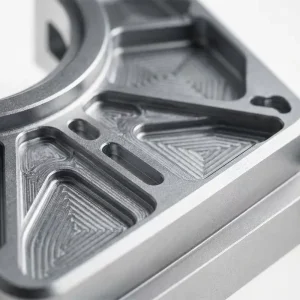
Thin walls subjected to heavy milling forces are prone to vibration and thermal warp. Maintain minimum recommended wall thicknesses: 0.8 mm for metals and 1.5 mm for plastics. When deep pockets are necessary, add structural ribs to maintain stiffness while saving material weight.
3. Realistic Tolerance Specification
Over-specifying tight tolerances across non-critical dimensions exponentially inflates unit costs. Apply ISO 2768-m (Medium) for general features, reserving tight ±0.005 mm geometric tolerances strictly for bearing seats, mating spigots, and critical optical sealing surfaces.
Quality Assurance: Zero-Defect Inspection Workflow
Top-tier China CNC suppliers enforce rigorous 6-stage Quality Assurance (QA). Every job begins with incoming raw material spectrum analysis (RoHS/REACH verification), followed by initial setup patrol checks, first-article inspection (FAI), CMM (Coordinate Measuring Machine) multi-axis scanning, optical profilometer surface testing (Ra 0.4 µm), and final export-grade anti-corrosion vacuum packaging.
Global Industry Applications & Specialized Hardware Solutions
Delivering high-reliability precision parts across critical global technology sectors.
Aerospace & Defense
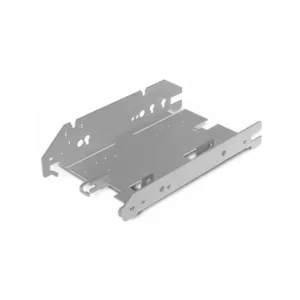
Lightweight 7075-T6 aluminum structural brackets, engine heat shields, and thin-walled titanium frames engineered for extreme strength-to-weight ratios and high vibration fatigue limits.
Medical & Life Sciences
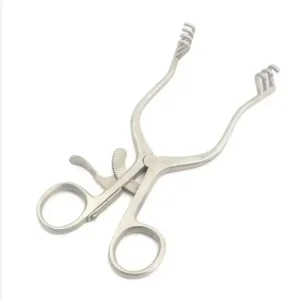
Biocompatible SS316L custom surgical retractors, flanged temperature sensor housings, and titanium bone screw anchors machined under cleanroom conditions with zero oil contamination.
Electric Vehicles & Thermal Management
Skived fin aluminum cold plates, copper heat sinks, and die-cast motor end bell housings built to cool high-voltage batteries and power electronics under demanding thermal loads.
Semiconductor & Telecom Hardware
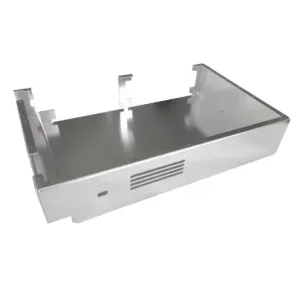
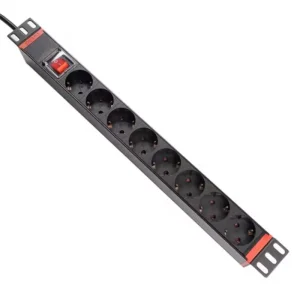
High-density RF shield enclosures, rack-mount PDU assemblies, and optical-grade PC housings machined with precise dimensional stability for server hardware and 5G base stations.
Robotics & Smart Automation
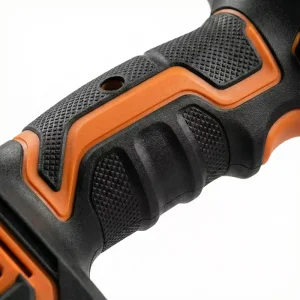
High-torque gear housing components, multi-material overmolded tool handles, and tungsten carbide shielded canisters crafted for long operational lifespans in automated factories.
Industrial Fluid & Sensor Control
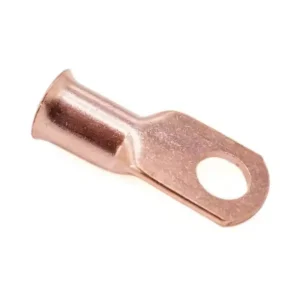
Precision capillary stainless steel pipes (1mm–8mm), flanged temperature probe shields, and brass crimp terminals built for zero-leak performance in high-pressure fluid loops.
Strategic Procurement Risk Management for Overseas Buyers
How international engineering and purchasing teams vet suppliers, protect IP, and ensure quality control compliance.
Procuring custom CNC components internationally requires a disciplined evaluation framework to mitigate operational risks, intellectual property leakage, and delivery delays. Global buyers should enforce the following four-stage qualification workflow when partnering with a China CNC machining center supplier:
Step 1: IP Protection & Bilateral NDAs
Before releasing 3D CAD files (STEP, IGES, X_T), require the factory to execute a legally binding Non-Disclosure Agreement (NDA) governed under enforceable jurisdiction. Reputable Chinese manufacturers readily sign bilateral agreements to safeguard proprietary engineering IP.
Step 2: Material Traceability & Certification
Enforce mandatory raw material test reports (MTR) with every mill shipment. Verified suppliers provide chemical composition breakdown via optical emission spectroscopy and mechanical yield/tensile strength certifications compliant with ASTM, DIN, or JIS standards.
Step 3: First Article Inspection (FAI) Approval
Never authorize mass production without written FAI sign-off based on AS9102 or ISO 9001 standards. The FAI report must contain full CMM dimensional scans, surface roughness measurements, and material plating thickness validation.
| Evaluation Criterion | High-Risk / Low-Tier Workshop | Tier-1 China CNC Machining Center Manufacturer |
|---|---|---|
| Machining Equipment | 3-axis converted manual mills, uncalibrated spindles | 5-axis simultaneous Fanuc/Heidenhain CNC, DMG MORI, Mazak |
| Quality Control Hardware | Manual calipers, basic micrometers only | Zeiss CMM, Keyence Optical Profilometers, Spectrometers |
| Documentation Package | Basic commercial invoice, no inspection sheets | FAI Reports, Material Certs, RoHS/REACH compliance, CMM Scans |
| Engineering Capabilities | Builds strictly to print without DFM feedback | Proactive DFM cost-reduction advice, SolidWorks/Mastercam optimization |
| Traceability & ERP | Paper-based job tickets, frequent batch mixing | Full ERP system tracking raw material heat numbers to final shipment |
Emerging Trends Shaping China's Precision Machining Sector
AI-driven toolpaths, lights-out automation, green manufacturing, and hybrid machining processes.
AI-Powered CAM Optimization
Machine learning algorithms dynamically calculate feed rates, spindle loads, and engagement angles in real time—minimizing tool chatter, extending cutter life by 45%, and achieving flawless surface finishes.
Automated "Lights-Out" Robotic Cells
Robotic pallet changers and pneumatic vise loading systems allow CNC machining centers to operate 24/7 continuously without human intervention, driving unit manufacturing costs down significantly.
Hybrid Additive-Subtractive Manufacturing
Combining 3D metal laser powder bed fusion (SLM) with 5-axis post-CNC milling enables the creation of internal conformal cooling channels that are completely impossible with subtractive cutting alone.
Frequently Asked Questions (FAQ) for Engineering & Sourcing Leads
Expert answers addressing tolerances, materials, lead times, and quality documentation.
What standard tolerances can your China CNC machining centers achieve?
Our standard CNC machining tolerance is ISO 2768-m (Medium), which corresponds to ±0.05 mm for milled features and ±0.01 mm for turned diameters. For critical mating surfaces, bearing fits, and optical assemblies, our 5-axis milling centers and Swiss-type lathes reliably achieve tight tolerances down to ±0.005 mm (5 microns), fully verified via CMM inspection reports.
Which CAD file formats are accepted for rapid quoting and DFM review?
We accept native and neutral 3D CAD formats including STEP (.stp), IGES (.igs), Parasolid (.x_t), and SolidWorks (.sldprt). For exact tolerance requirements, thread pitch details, and surface finish callouts (Ra values), please also attach 2D PDF technical drawings with clear Geometric Dimensioning and Tolerancing (GD&T) annotations.
What certified materials can be processed in your facility?
We stock and machine a comprehensive range of metals and engineering plastics: Aluminum (6061-T6, 7075-T6, 2024, 5052), Stainless Steel (304, 316L, 17-4PH, 440C), Brass (C3604), Copper (C11000 tinned/bare), Titanium (Grade 2, Grade 5), Alloy Steel (4140, 8620), Tungsten Carbide, and high-performance plastics (PEEK, POM/Acetal, PTFE, PC, ABS).
How do you verify material authenticity and environmental compliance?
Every raw material batch undergoes spectral chemical analysis upon arrival at our warehouse. We issue mill test certificates (MTR) traceable to raw material heat numbers along with RoHS 3.0 and REACH compliance documentation to ensure parts adhere strictly to international environmental standards.
What are the typical lead times for rapid CNC prototypes vs. production runs?
Rapid CNC prototypes typically ship in 3 to 7 business days depending on geometric complexity and secondary surface treatments. Low-to-medium production runs (100 to 5,000 units) ship in 2 to 3 weeks. Express air freight (DHL/FedEx/UPS) delivers directly to your door in 3 to 5 days globally.
How do you protect customer intellectual property (IP) and technical designs?
We treat client data with absolute confidentiality. Non-Disclosure Agreements (NDAs) are executed prior to viewing any engineering drawings. Files are stored on encrypted internal servers accessible only to assigned engineering team members, and we never outsource CAD files to third-party brokers.
Precision Custom Metal & Plastic Hardware
Discover specialized turned parts, sensor housings, heat sinks, and custom assemblies.