OEM Custom Modular Plastic Enclosures | Removable End Panels for OEM Electronics Products, Exporter
Product Description
Product Overview & OEM Customization
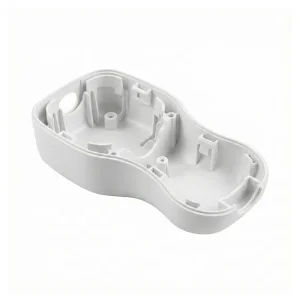
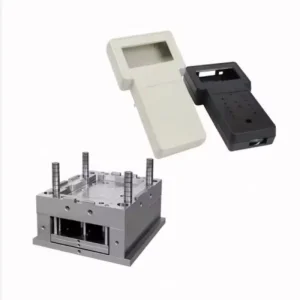
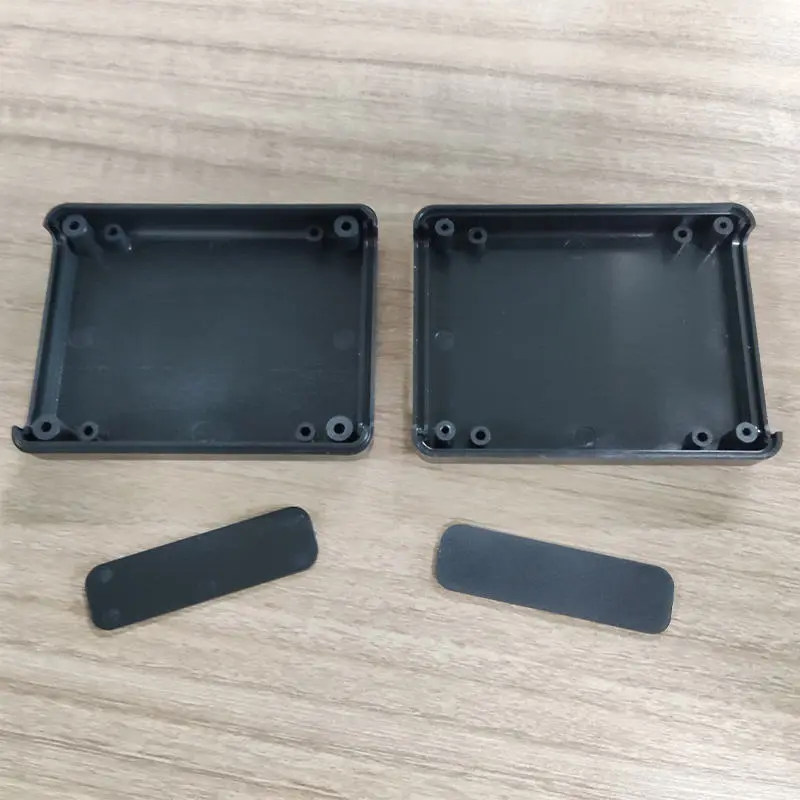
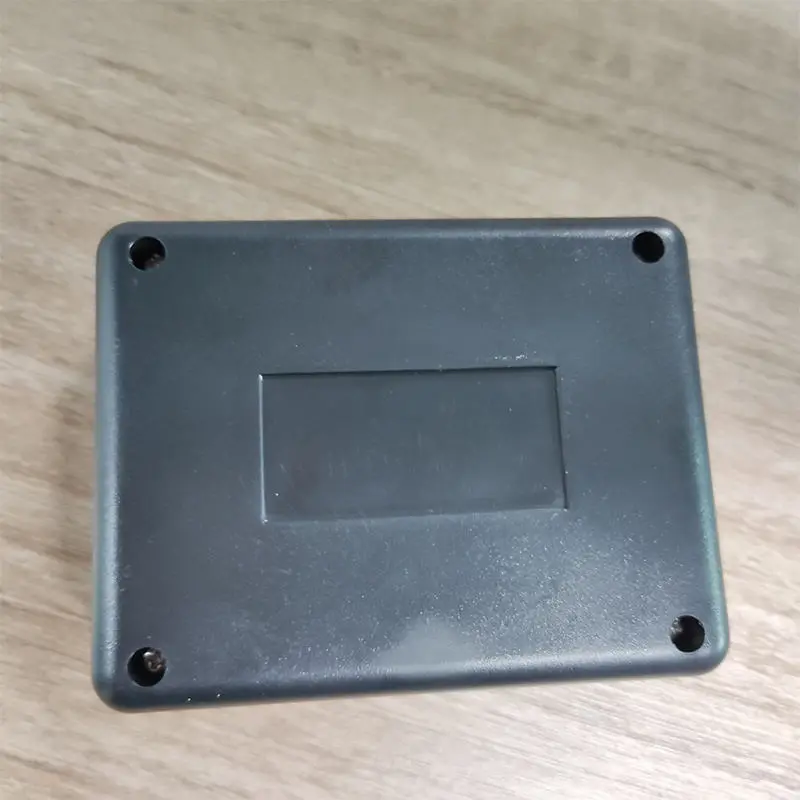
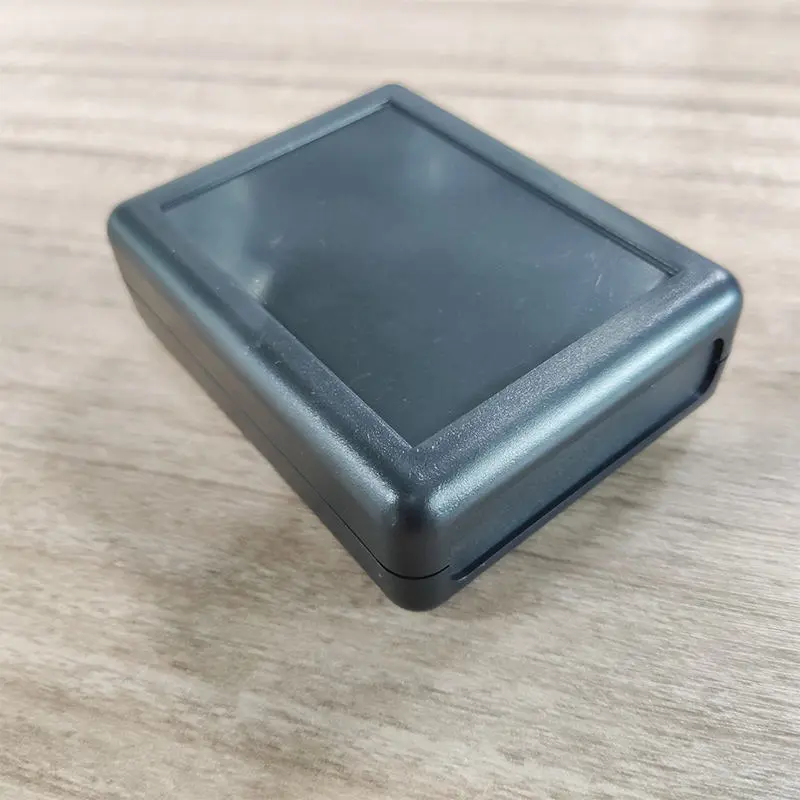
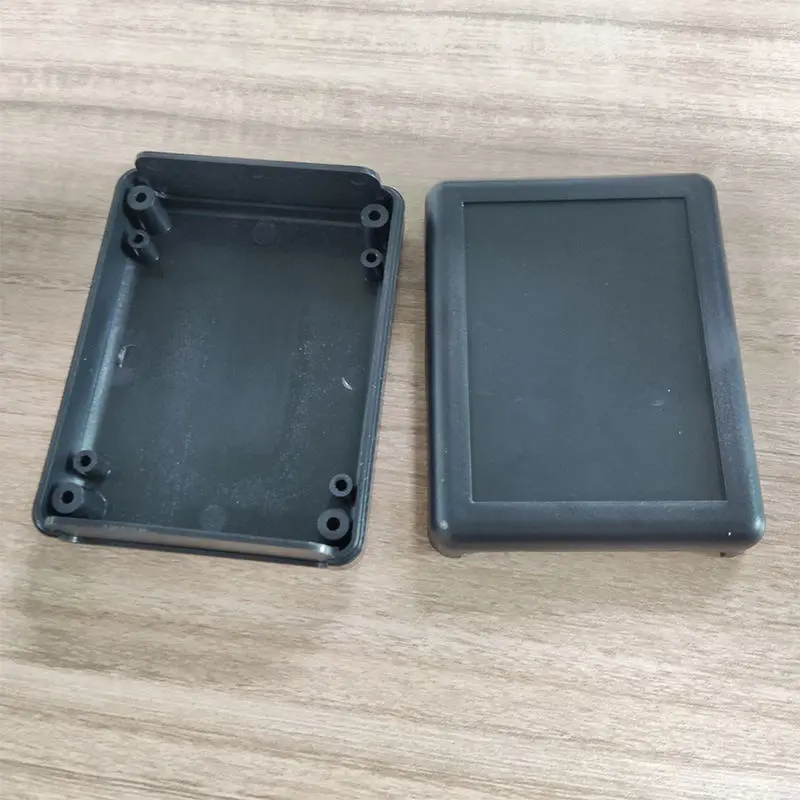
Change the connector panel, not the whole enclosure. This modular injection-molded design combines two shell halves, four corner screw positions, internal PCB supports and removable end panels. Where the new interfaces fit the approved panel envelope, connector layouts can be revised on the panels rather than the main housing. Panel engagement, cable clearance and access are reviewed before the variant is released.
Shenzhen Sunmy Hardware Co., Ltd. manufactures enclosures to your drawings or approved sample-based design. Overall dimensions, panel profiles, PCB mounting positions, closure details, resin, color and branding are fully customizable. We coordinate tooling, molding, panel machining and agreed hardware installation from fit-check prototypes through repeat production. The quotation defines the supplied shells, panels and hardware; electronics and complete-device certification are outside this mechanical supply scope.
Key Applications & Target Buyer Sectors
Tooling & Injection Molding Engineering Insights
Tooling and quality planning start with the approved part and assembly drawings. Resin, fit-critical features, appearance limits and inspection scope are agreed before tooling release; a sample review confirms the molding result.
- Tooling Steel Selection: P20/718H, NAK80 or S136-type tooling steel is evaluated against resin, texture, production volume and maintenance needs. Corrosion resistance and heat treatment are specified separately; steel designation alone does not guarantee 300,000 or 1,000,000 shots.
- Mold Cavity & Runner Configuration: Single-cavity and 1+1 or 2+2 family layouts can be evaluated for the shell and panel set. Cold or hot runners, gate locations and cavity balance follow the part geometry, resin and order volume, with visible gate limits agreed before cutting steel.
- DFM & Wall Thickness Optimization: The reference design proposes 2.2 mm nominal walls. Rib and boss transitions, panel tracks and draft are adapted to resin, texture and draw depth. Ratios such as 0.6 times wall thickness and 1.0–1.5° draft are review inputs, not universal rules or guarantees against sink and warpage.
- Surface Texturing & Aesthetic Finish: Mold-Tech MT-11010/MT-11020 textures, SPI-C1 stone finishes and EDM textures are specified separately. Approve texture and color samples in the selected resin; a matte surface does not guarantee freedom from flow marks, scratches or fingerprints.
Technical Specifications & OEM Customization Parameters
| Technical Parameter | Reference / Design Options | OEM Customization & Acceptance |
|---|---|---|
| Primary Resin Options | ABS or PP; exact grade to be specified. | PC/ABS, PC or PA66-GF; resin changes require shrinkage and tooling review. |
| Ingress Protection (IP) | Unrated unless a tested configuration is specified. | IP54/IP65 targets by design review; test complete joints, panels and cable entries. |
| Flammability Rating | HB only if supported by the selected resin record. | V-0 / 5VA on request; verify grade, thickness and color. Not device certification. |
| Operating Temperature | Specify continuous/peak temperature, load and exposure time. | Grade-specific supplier data and assembly validation; no generic family rating. |
| Chemical Compatibility | Specify fluids, concentrations and cleaning conditions. | Assess the actual resin, assembly stress and exposure; no blanket chemical resistance. |
| External Dimensions | Example: 130 × 95 × 35 mm; not a verified sample measurement. | Custom overall size and panel envelope; dedicated tooling where needed. |
| Wall Thickness & Tolerance | 2.2 mm reference wall; molded tolerances agreed by feature and resin. | Selected CNC fits: ±0.05–0.10 mm targets for review. ISO 20457 by agreement. |
| Structural Architecture | Two shell halves plus two separate end panels. | Custom closure, panel tracks, hinge or mounting details; review mating interfaces. |
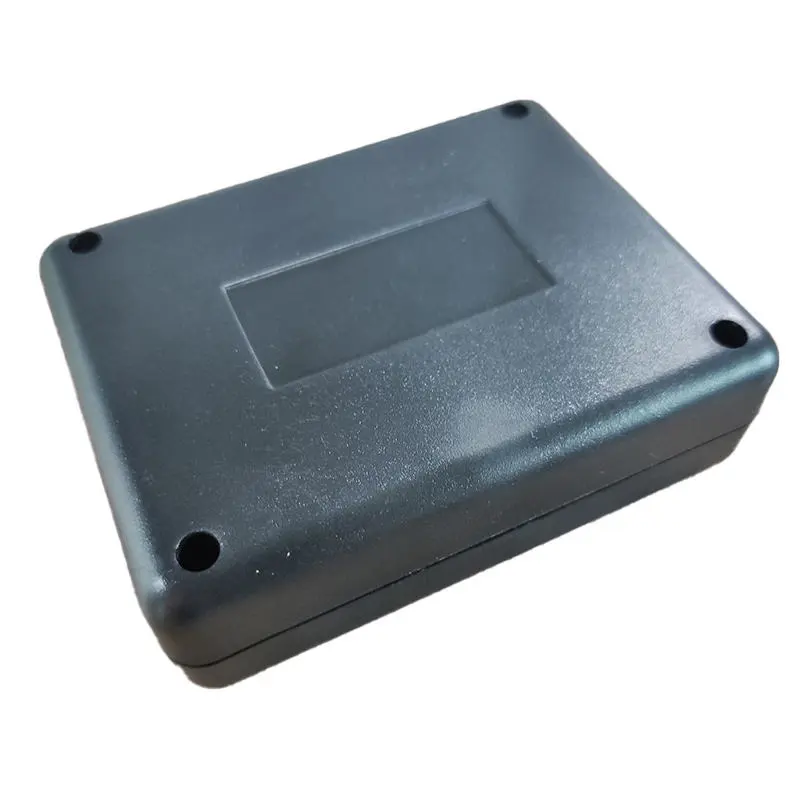
| Recessed Label Area | 0.8 mm design reference; final depth and location to print. | Label/membrane recesses, display cutouts and clear lenses as separate options. |
| Fastening & Assembly | Four corner screw positions; fastener type and supply agreed. | Heat or ultrasonic inserts, e.g. M2.5/M3; validate boss geometry, torque and cycles. |
| Internal PCB Mounting | Molded support bosses; spacing and height to PCB drawing. | Custom standoffs, clips and board levels; verify clearances and assembly access. |
| Connector & I/O Ports | Blank removable end panels. | RJ45, D-sub, USB, M12 or terminal openings to connector drawings; molded or machined. |
| Surface Texture / Finish | Matte appearance approved by sample. | Mold-Tech texture, SPI-C1 stone, SPI-A2 polish or specified EDM finish; not equivalent. |
| Color Options | Dark finish shown; no exact color code inferred. | RAL/Pantone targets approved on resin samples; outdoor/UV performance by validation. |
| Secondary Operations | Trimming, de-gating and packaging to order. | CNC cutouts, inserts, printing or marking; EMI/RFI coating needs a separate test scope. |
| Material Documentation | Material ID and requested RoHS/REACH information. | Resin recognition records, traceability and additional tests by agreed quotation scope. |
Core Engineering Advantages & OEM Procurement Benefits
- One Housing Platform, Multiple I/O Layouts: Compatible connector variants can use different end panels while retaining the approved main shells. CNC machining or dedicated panel tooling is compared by volume and geometry; panel changes are not automatically tooling-free or cost-free.
- Serviceable Screw-Fastened Assembly: Corner screws provide a defined closing method. For repeated access, specify the screw, insert or plastic thread, tightening torque and service-cycle test. Vibration resistance is evaluated on the assembly, not promised from fastener count.
- PCB Mounting to Your Drawing: Locate supports and connector panels from the same assembly references. Check board clearance, cable boots and insertion access during sampling; PCB supports are customized rather than assumed to match a universal SMT layout.
- Coordinated Finishing & Branding: Recesses, panel markings, logos and asset codes can be specified with the housing. Quote molding, panel machining, inserts and printing together, with appearance approval and supplied-item quantities clearly defined.
Technical FAQ for International Procurement & Engineering Teams
Other Products
Custom Modular Plastic Enclosures...
Custom Die Cast Aluminum Finned H...
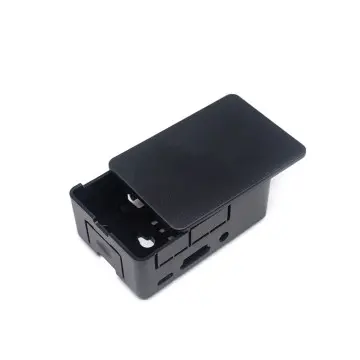
Custom Injection Molded Electroni...
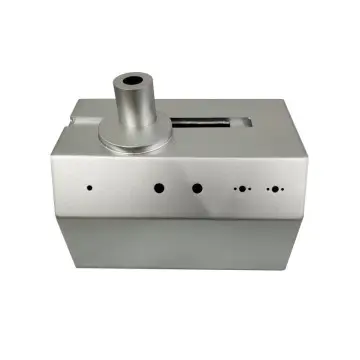
Custom Precision Sheet Metal Equi...
Get a Fast, Technical Quote & Free DFM Review
Don't let tolerance stack-up delay your product launch. Submit your project details, and our engineering team will evaluate your design for manufacturability before the first cut.