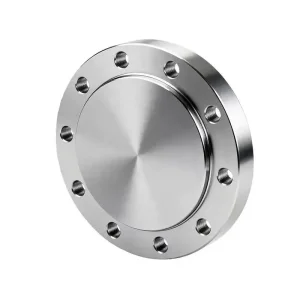
Featured Precision OEM Components & Assemblies
Direct factory export catalog showcasing high-precision custom metal, CNC, and die-cast solutions built to international quality benchmarks.
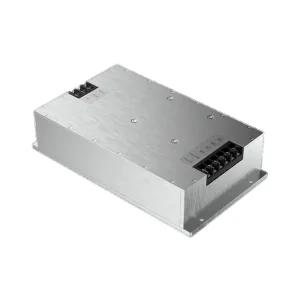
China Custom Aluminum Power Supply Enclosures Supplier, Products
View Product Specs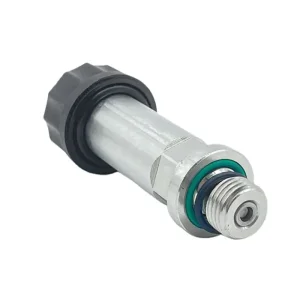
High-Quality High-Performance Hydraulic Solenoid Valve Core – Precision CNC Turned Parts
View Product Specs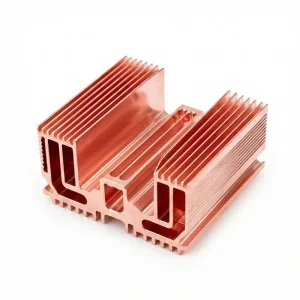
High-Performance Copper Heatsink Factory for Maximum Thermal Conductivity
View Product Specs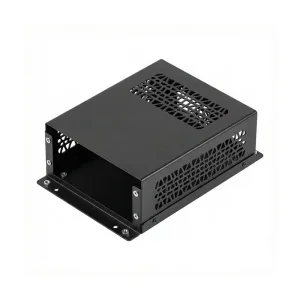
ODM Custom Aluminum Electronic Enclosure Suppliers, Products
View Product Specs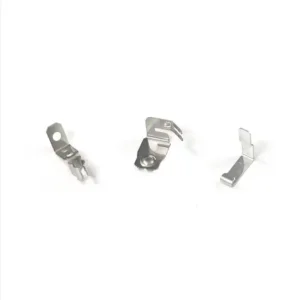
OEM Custom Phosphor Bronze and Steel Battery Contacts for Coin Cells
View Product Specs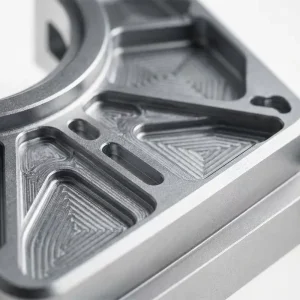
China Lightweight Aerospace Structural Components Factory Supplier Service
View Product Specs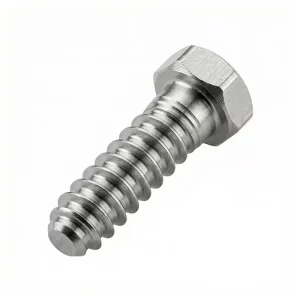
High-Quality Titanium Medical Implant / Bone Screw Products, Factories
View Product Specs
Custom Aluminum Electronic Enclosures for Optimal Protection
View Product Specs1. Executive Summary & The Evolution of ODM Metal Shim Engineering
In modern high-precision mechanical engineering, ODM Metal Shims represent far more than passive spacing washers; they are essential structural tuning elements engineered to compensate for cumulative dimensional stack-up tolerances, thermal expansion variations, dynamic deflection, and structural wear across complex assemblies. As global equipment manufacturers shift toward higher energy densities, micron-level rotational accuracies, and extreme operating longevity, the procurement of micro-engineered metal shims has transitioned from commodity purchasing to strategic Original Design Manufacturing (ODM) engineering partnerships.
This technical whitepaper investigates the comprehensive landscape of ODM metal shim manufacturing, detailing how specialized exporters leverage advanced metallurgy, micro-photo-chemical etching, progressive stamping, and precision CNC grinding to produce shims ranging from 0.005 mm ultra-thin foils to multi-laminated peelable structures. By addressing the critical nexus of technical selection, China-based supply chain agility, rigorous international compliance, and localized customer support, this document provides enterprise procurement managers, systems engineers, and quality directors with an actionable framework for total cost of ownership (TCO) optimization and zero-defect execution.
1.1 Understanding Shim Paradigms: Solid, Laminated, and Slotted Solutions
Selecting the optimal shim geometry and structural typology directly impacts line assembly efficiency and field maintainability. Industry-standard metal shims fall into three primary technological classifications:
- Solid Precision Metal Shims: Manufactured from single-sheet homogenous alloys (e.g., 304/316 stainless steel, brass, copper, titanium, and 6061-T6 aluminum), solid shims undergo secondary double-disc grinding and lapping to achieve parallelism within ±0.001 mm. These are predominantly deployed in static high-load applications such as turbine casing alignment, heavy gearbox bearing preloading, and hydraulic pump assemblies.
- Laminated / Peelable Metal Shims: Fabricated by bonding micro-thin metallic foils (typically 0.05 mm or 0.075 mm layers) using proprietary high-shear, heat-cured resin binders. Laminated shims allow field technicians to peel off individual foil layers with a scalpel during on-site fitting, guaranteeing sub-millimeter adjustment without requiring machine-shop re-grinding. They strictly comply with aerospace standards like AMS-DTL-22499 and MIL-S-22499.
- Slotted & Arbor Micro-Shims: Engineered for rapid installation around pre-existing fasteners and rotational shafts, slotted shims feature radiused alignment tabs and burr-free chamfered edges to eliminate stress concentration points and assembly snagging in automotive drivetrain and robotic joint production lines.
2. Advanced Manufacturing Paradigms & Metallurgical Selection
Achieving structural stability under severe mechanical and environmental stress mandates strict adherence to advanced fabrication methodologies and precise metallurgical selection. Modern ODM exporters integrate multiple production routes depending on annual batch volume, part thickness, and tolerance strictness.
Photo-Chemical Etching (PCM)
Ideal for ultra-thin shims (0.005 mm to 0.5 mm). PCM utilizes burr-free chemical milling that avoids thermal distortion, stress cracking, or edge hardening, producing pristine edge profiles with zero tool wear cost.
High-Speed Stamping
Utilizing tungsten carbide progressive dies operating on 100+ ton high-speed presses. Delivers ultra-low unit cost for multi-million piece automotive and electronic spring-shim production runs with integrated optical sensors.
Precision CNC Laser Cutting
State-of-the-art fiber lasers equipped with nitrogen purge gas deliver immediate DFM prototyping without tooling delays. Capable of handling complex profiles up to 3.0 mm stainless steel with ±0.015 mm accuracy.
2.2 Metallurgical Property Comparison Matrix
The operational resilience of an ODM metal shim is intrinsically linked to its base material chemistry. The table below outlines key metallurgical parameters across primary engineering alloys:
- AISI 304 / 316L Stainless Steel: Outstanding corrosion resistance, yield strength (205-290 MPa), and temperature stability up to 800°C. Essential for marine, medical housing, and chemical processing plant applications.
- Beryllium Copper (CuBe / C17200): Exceptional spring temper, non-magnetic character, electrical conductivity (15-30% IACS), and anti-galling behavior. Highly favored in semiconductor test sockets and EMI/RFI grounding spring shims.
- Titanium Grade 5 (Ti-6Al-4V): High strength-to-weight ratio, biocompatibility, and extreme fatigue resistance under dynamic vibration. Widely integrated into aerospace structural joints and orthopedic surgical devices.
- Brass (C26000 Cartridge Brass): Superior machinability, acoustic damping, and low friction coefficient. Excellent for thermal shim pads and axial thrust bearing washers in electric motors.
3. China Manufacturing Ecosystem & Global Supply Chain Dynamics
The global dominance of China-based ODM metal shim exporters stems from a unique industrial clustering advantage—most notably concentrated in the Greater Bay Area (Shenzhen-Dongguan industrial hardware corridor). This ecosystem integrates raw material rolling mills, chemical etching houses, precision tooling workshops, heat-treatment facilities, and surface finishing plating shops within a 30-kilometer radius.
3.1 Vertical Integration & Rapid DFM Prototyping
Global OEMs frequently face compressed product development cycles. China's ODM ecosystem enables rapid Design for Manufacturability (DFM) execution:
- 24-Hour Engineering Turnaround: CAD models (STEP, IGES, DXF) are evaluated instantly for etch factor compensation, grain direction alignment, and nested sheet utilization efficiency.
- Tooling Autonomy: In-house wire-EDM and CNC die-making allow rapid prototype stamping dies to be built in 3 to 5 days, compared to 4 to 6 weeks in traditional Western supply chains.
- Comprehensive Surface Treatments: Seamless access to electro-polishing, black oxide coating, gold/nickel electroplating, passivating, and PVD titanium nitride coating under strict environmental compliance monitoring.
3.2 Supply Chain Resilience, VMI & Risk Mitigation
To hedge against global freight volatility and geopolitical disruptions, top-tier Chinese metal shim exporters offer advanced logistics integration for multinational buyers:
- Vendor-Managed Inventory (VMI) & Kanban Stocking: Maintaining regional buffer stock near Tier-1 buyer assembly plants in Europe and North America to guarantee 48-hour JIT (Just-In-Time) replenishment.
- Batch-to-Batch Traceability: Every shim lot is tied to mill heat numbers with full Material Test Reports (MTRs) according to EN 10204 3.1 standards, backed by 10-year archiving of dimensional measurement logs.
4. Quality Assurance Framework & International Compliance
Enterprise buyers operating in mission-critical sectors (aerospace, automotive, semiconductor, and medical devices) require absolute compliance with international quality management systems and environmental directives. Leading ODM exporters institute rigorous multi-stage quality control gates:
ISO 9001:2015 & IATF 16949
Systematic Process Capability (Cpk ≥ 1.67) monitoring for critical features, APQP tooling documentation, and PPAP Level 3 submit packages for automotive global supply chains.
AS9100D & ISO 13485
Aerospace first-article inspection (FAI) reporting according to AS9102 specs, paired with bio-burden cleanroom washing and vacuum packaging for medical implant component shims.
RoHS 3, REACH & CMRT
Strict chemical safety auditing ensuring zero hazardous heavy metals (lead, mercury, hexavalent chromium) and Conflict-Free Smelter Initiative compliance across all raw materials.
4.1 Automated Optical & Metrological Inspection
To eliminate manual inspection fatigue on high-volume thin shim production, modern factories deploy 2D Automated Optical Inspection (AOI) machines and non-contact Coordinate Measuring Machines (CMM). These optical systems measure thousands of micro-features per minute, verifying outer contours, hole diameters, pitch distances, and edge burr heights down to sub-micron accuracy.
5. High-Gain Industry Applications & Emerging Market Trends
Precision metal shims are vital cross-industry enablers. As advanced equipment pushes operating parameters into extreme realms, shim technology continues to evolve:
5.1 Diverse Sector Application Map
- Aerospace & Defense: Micro-alignment shims for jet engine nacelles, wing-to-fuselage attachment joints, and radar system flange gap levelling.
- Electric Vehicles (EV) & Powertrain: Stamped copper battery busbar spacers, electric drive unit (EDU) differential bearing preloading shims, and inverter thermal dissipation plates.
- Semiconductor Wafer Fabrication: Ultra-clean aluminum 6061 and stainless steel 316L wafer carrier shims, end-effector vacuum pad levelling plates, and optical stepper positioning shims.
- High-Power Industrial Electronics: Precision CNC-milled copper heatsink shims providing maximum thermal interface conductivity for high-power IGBT modules and RF amplifiers.
5.2 Future Trends: Smart Shims & Micro-Foil Advances
The next frontier in ODM metal shim export involves Smart Sensor Integration. Industry 4.0 applications are witnessing the emergence of shims embedded with micro-thin strain gauges and piezoelectric sensors. These "smart shims" actively monitor bolt preload tension, dynamic structural strain, and localized heat spikes in real-time, wirelessly transmitting predictive maintenance telemetry to plant operations.
Frequently Asked Questions (Engineering & Sourcing Q&A)
Authoritative technical answers addressing common questions from procurement managers and mechanical design engineers.
What thickness tolerances can your chemical etching and CNC grinding processes achieve?
How do you ensure zero burr on ultra-thin stainless steel shims?
Can laminated peelable shims be customized to specific layer thicknesses?
What documentation is supplied with international export shipments?
What is your typical turnaround time for custom DFM prototypes?
How are delicate micro-shims packaged to prevent bending during transit?
Comprehensive Precision Hardware Export Portfolio
Explore our extended range of high-performance components engineered for global OEM applications.
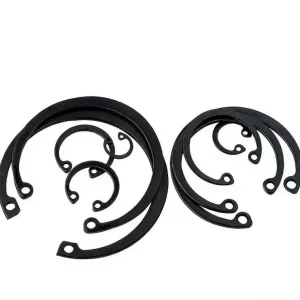
OEM Premium DIN 471 C-Type External Retaining Rings Supplier
View Product Specs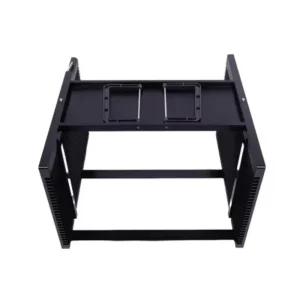
Custom 8-Inch CNC Machined Aluminum Semiconductor Wafer Carriers
View Product Specs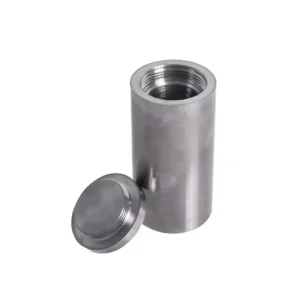
ODM Customized Tungsten Carbide Shielded Canister with Lid
View Product Specs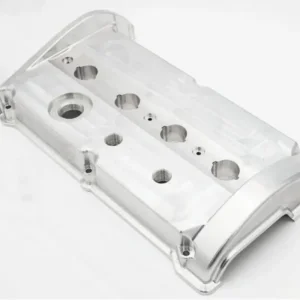
High-Precision CNC Machined 7075 Aluminum Billet Engine Valve Cover
View Product Specs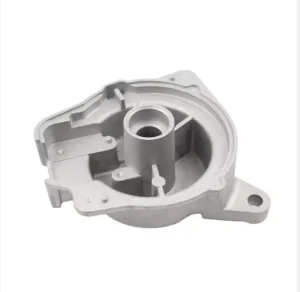
ODM Custom Casting Pneumatic Actuator Accessories & Valve Components
View Product Specs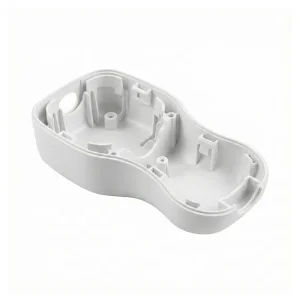
China Custom Medical Device Housing Leading China Factory Solutions
View Product Specs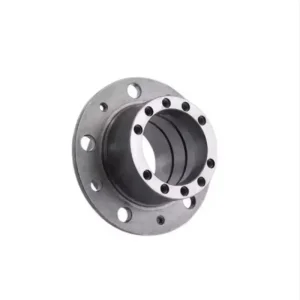
OEM Custom Iron & Steel Sand Casting Wheel Hub Suppliers, Exporter
View Product Specs