
Precision Components & Custom Assemblies
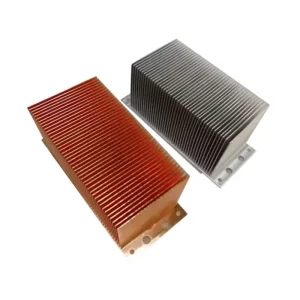
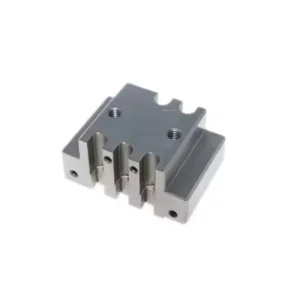
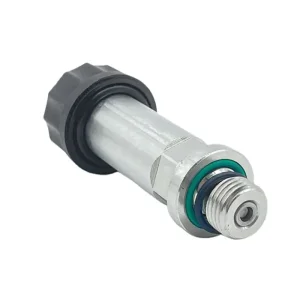
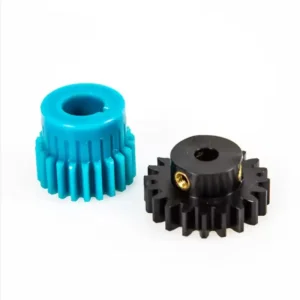
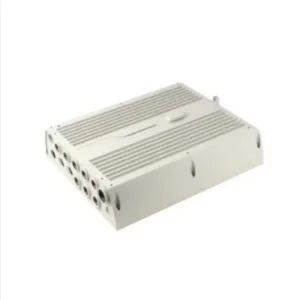
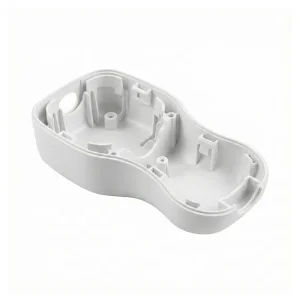
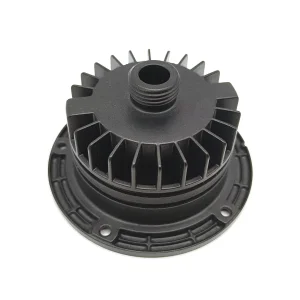
Explore our active manufacturing lines spanning multi-axis CNC machining, specialized injection molding, thermal enclosures, and fluid control hardware.
Navigating ODM Injection Molding: Technical Frameworks & Cost Engineering
A comprehensive guide for technical directors, procurement managers, and mechanical engineers seeking superior capital efficiency and part precision.
ODM vs. OEM Strategic Value
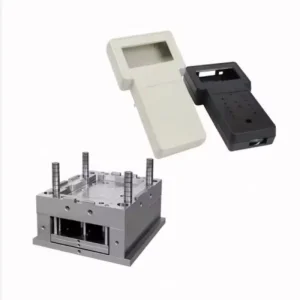
While standard OEM injection molding relies entirely on client-provided finalized tooling specs, Original Design Manufacturing (ODM) integrates comprehensive co-engineering. We bridge early-concept industrial design with real-world moldability, resolving wall thickness variances, gate blush risks, and sink mark traps prior to steel cutting.
Advanced DFM Analysis
Our automated Design for Manufacturability (DFM) verification evaluates draft angles, parting lines, ejection mechanisms, and cooling channel configurations. Utilizing predictive finite element software, we simulate resin melt flow fronts to eliminate air traps and weld lines across complex geometries.
Total Cost Optimization (TCO)
By optimizing mold cavity counts, cycle speeds, and runner architecture (cold runner vs. valve-gated hot runner systems), we systematically reduce unit costs. Strategic tool design allows modular insert swaps, minimizing capital expenditure across multi-variant product lines.
Engineering Thermoplastics Comparison Matrix
Selecting the optimal polymer is critical for structural integrity, wear resistance, chemical immunity, and thermal stability in high-stress environments.
| Resin Type | Mechanical Properties | Thermal Deflection (HDT @ 1.8 MPa) | Volumetric Shrinkage Rate | Primary Industrial Applications |
|---|---|---|---|---|
| POM (Acetal / Delrin) | High fatigue resistance, low friction coefficient, exceptional dimensional stability | 110°C - 136°C | 1.8% - 2.5% | Precision gears, wear pads, valve stems, mechanical bushings |
| ABS + PC Blend | High impact strength, excellent flame retardancy (UL94 V-0 option), rigid aesthetic finish | 95°C - 125°C | 0.5% - 0.7% | POS terminals, medical housings, automotive dashboard trims |
| PA66 + 30% GF | Extreme tensile strength, enhanced structural rigidity, high chemical endurance | 200°C - 240°C | 0.4% - 0.8% | Automotive engine brackets, industrial pump bodies, power tool frames |
| PEEK (Polyether ether ketone) | Ultra-high performance, continuous temperature resistance, bio-compatible | 160°C - 300°C | 1.0% - 1.3% | Surgical retractors, aerospace cable connectors, semiconductor handling |
| Nylon 12 (PA12) | Superior moisture resistance, high impact absorption at low temperatures | 85°C - 145°C | 0.8% - 1.2% | IP67 waterproof circular connectors, pneumatic tubing, fluid seals |
Shenzhen Precision Tooling & Supply Chain Dominance
How China's integrated industrial infrastructure empowers global enterprises with unprecedented lead-time advantages and rigorous quality control.
Tooling Steel Selection & Heat Treatment
We source certified tool steels including NAK80, S136, H13, and P20. Through vacuum heat treatment and precision double-wire EDM cutting, tool cavities maintain microscopic tolerances under heavy production cycles.
Hyper-Clustered Raw Material Access
Situated in Shenzhen’s manufacturing hub, our facilities enjoy immediate access to resin compounders, custom color masterbatch formulators, and specialty insert vendors, eliminating supply bottlenecks.
In-House Quality Control & CMM Inspection
Every tooling trial (T1 to Final Approval) is validated via Coordinate Measuring Machines (CMM), optical shadowgraph projection, and First Article Inspection (FAI) reports with full material batch traceability.
Global Compliance & Frictionless Procurement
Direct factory partnership paired with localized support mechanisms to ensure seamless international procurement and regulatory adherence.
International Regulatory Assurance
We supply complete compliance documentation for global market entry, including:
- RoHS & REACH: Heavy metal and chemical substance restrictions.
- FDA & USP Class VI: Bio-compatible resin certifications for medical components.
- UL94 Flammability: Flame retardant testing validation for electronic shells.
- ISO 13485 / IATF 16949: Quality standards alignment for medical and automotive programs.
IP Protection & Confidentiality
Intellectual Property security is embedded into our operational workflow. We execute binding Non-Disclosure Agreements (NDAs) prior to CAD file transmission. Your proprietary 3D designs remain securely within our internal engineering network, isolated from third-party broker exposure.
Seamless Freight & DDP Logistics
Our dedicated export department handles all customs declarations, tariff classifications (HS Code optimization), and shipping manifests. Whether utilizing express air freight, sea freight, or rail networks, we offer DDP (Delivered Duty Paid) terms directly to your facility destination.
Deconstructing ODM Injection Molding Quotes
Understanding the core cost drivers allows engineering teams to optimize component specs for budget compliance without compromising performance.
Mold Construction Costs
Driven by cavity count (1x1, 1x4, 1x16), steel choice (S136 vs P20), side-action sliders, lifters, surface texture (SPI/VDI standards), and hot runner system brands.
Resin Volumetric Calculation
Calculated based on net part mass, runner scrap ratio, melt density, and raw resin pricing (e.g., standard ABS vs medical PEEK grade).
Press Tonnage & Cycle Time
Determined by press clamping force (ranging from 50 to 1200 tons), cooling time duration, and automated robotic part extraction efficiency.
Post-Processing & Assembly
Includes ultrasonic welding, CNC thread tapping, silk-screen printing, pad printing, spray painting, electroplating, and custom packaging assemblies.
Application Scenarios & Next-Gen Injection Molding Trends
Deploying advanced plastic technology across critical sectors while driving sustainable and digital smart manufacturing practices.
Medical Diagnostics & Surgical Devices
Micro-injection molding in cleanroom environments enables high-precision fluidic channels, diagnostic cartridge casings, and bio-compatible surgical tool handles with zero particulate contamination.
Robotics & Physical AI Hardware
Lightweighting structural robot joint covers and actuator shells using carbon-fiber-filled engineering thermoplastics to reduce inertial mass while maximizing impact strength.
Automotive Powertrain & Sensors
Overmolding metal busbars, sensor probe pins, and waterproof connector pins into high-temperature nylon enclosures for electric vehicle battery management modules.
Conformal Cooling Channel Tech
Utilizing 3D-printed metal mold inserts with conformal cooling channels to cut injection cooling cycle times by up to 30% and mitigate thermal part warpage.
Smart Cavity Pressure Monitoring
AI-assisted sensor integration within mold cavities automatically adjusts press injection velocity and holding pressure in real time, guaranteeing zero-defect production runs.
PCR & Bio-Based Polymer Processing
Mastering Post-Consumer Recycled (PCR) plastics and bio-resins to meet corporate ESG targets while maintaining robust physical and aesthetic properties.
Custom Precision Assemblies & Hardware Components
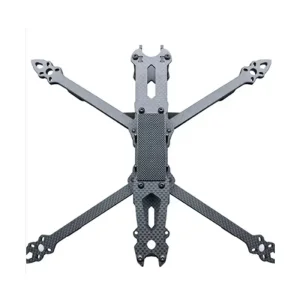
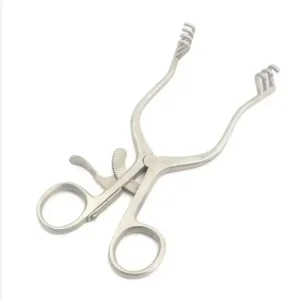
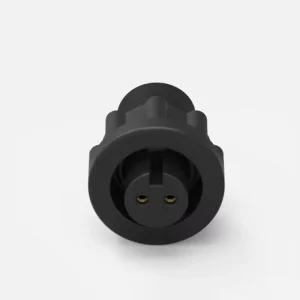
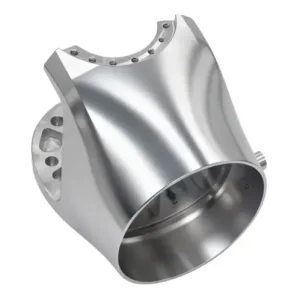
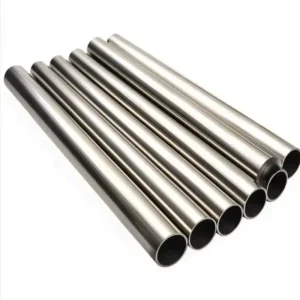
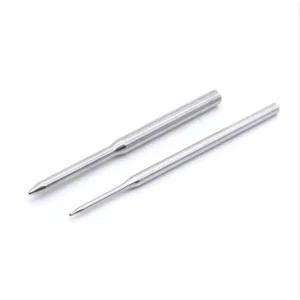
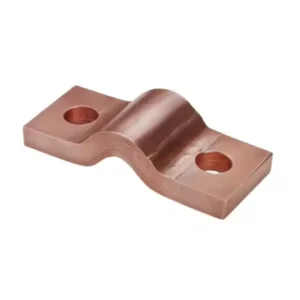
Explore our complete manufacturing spectrum, from surgical instruments and waterproof connectors to custom capillary tubing and drone frames.
Frequently Asked Engineering Questions
Clear answers to complex technical questions regarding mold construction, RFQ procedures, design tolerances, and quality verification.
- 3D CAD Files: STEP, IGES, or X_T formats (with 2D PDF prints specifying critical dimensional tolerances).
- Resin Specifications: Polymer type (e.g., ABS, POM, PA66+GF, PEEK) including preferred color grade or additives.
- Annual Production Volume: Estimated batch sizes for prototype stages (T1) and mass production runs.
- Surface Texture & Finishing: Desired SPI surface standards (e.g., SPI-A2 high-gloss polish, SPI-C1 finish, or VDI 30 texture).