
Featured Precision Component Solutions
Engineered hardware assemblies optimized for thermal management, structural integrity, and high-frequency electronic protection.

Executive Whitepaper: The Strategic Evolution of ODM Electronic Metal Component Manufacturing
Analyzing the shift from sub-assembly contract work to integrated Design-for-Manufacturability (DFM), micro-precision metallurgy, and scalable hardware ecosystems.
Architectural Shift to Full-Cycle ODM
In modern electronic hardware product design, the line between original equipment manufacturing (OEM) and original design manufacturing (ODM) has shifted. Leading technology brands no longer simply hand over fixed 2D drawings; they collaborate with specialized metal manufacturing facilities to co-engineer structural geometries, EMI shielding enclosures, and high-performance thermal heat sinks. A advanced ODM electronic metal parts factory acts as an extended engineering arm, utilizing thermal simulation (FEA) and mold flow analysis to optimize parts before tool creation.
Micron-Scale Tolerances & Metallurgical Precision
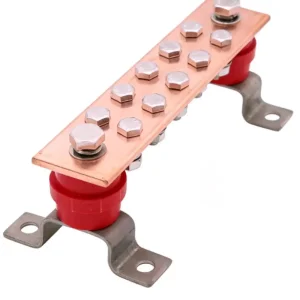
Next-generation telecommunications, automotive electronics, and AI hardware compute clusters demand extreme tolerances down to ±0.005 mm. Standard machining methods yield to multi-axis Swiss CNC turning, high-tonnage progressive die stamping, and 5-axis simultaneous milling. Manufacturing electronic metal parts requires controlled material selection—from oxygen-free copper (C10100) for electrical busbars to high-silicon aluminum alloys (ADC12, A380) for lightweight structural chassis.
Key Insight for Sourcing Directors: Strategic ODM partnerships reduce total engineering turnaround times by up to 40%. By integrating early DFM feedback during prototype reviews, enterprise procurement avoids tooling redesign costs and guarantees high first-pass yield (FPY) rates above 99.2% during mass production ramp-up.
Macro Industry Hardware Solutions
Custom metallurgical engineering engineered for mission-critical industrial, automotive, and cloud computing architectures.
Hyperscale AI & Data Center Infrastructure
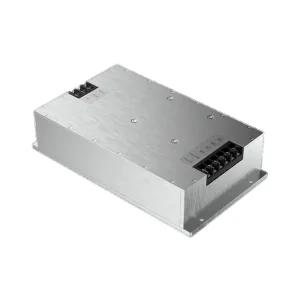
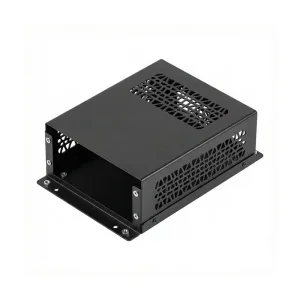
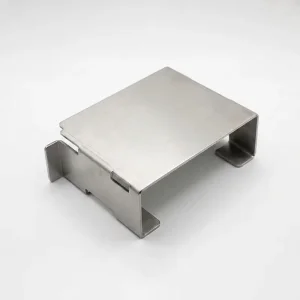
High-density server racks require complex thermal solutions. Our ODM facilities manufacture liquid cold plates, skived fin heat sinks, copper busbars, and stamped EMI shielding enclosures. These components optimize thermal distribution across high-TDP GPUs and accelerators while securing zero-voltage drop ground protection.
Automotive & Electric Vehicle (EV) Systems
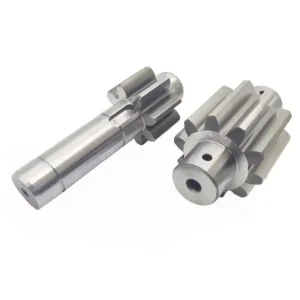
Transitioning to 800V architectures demands reliable structural power distribution components. We specialize in precision CNC turned motor shafts, aluminum battery pack housings, die-cast inverter enclosures, and high-strength transmission spur gears engineered for extreme vibration, noise, and thermal stress.
Medical Implants & Surgical Instrumentation
Manufacturing medical-grade titanium (Ti-6Al-4V ELI) bone screws, housing adapters, and optical analytical chassis under strict ISO 13485 cleanroom-compatible parameters. Precision 5-axis micro-machining ensures biocompatibility, high fatigue strength, and smooth surface finishes (Ra < 0.2 µm).
Technology Roadmap: Next-Gen Manufacturing (2026–2035)
How pioneering Chinese factories are integrating additive hybrid machining, AI vision quality checks, and automated surface treatment pipelines.
Hybrid Additive-Subtractive Manufacturing
Integration of Direct Energy Deposition (DED) and 3D metal printing combined with real-time 5-axis CNC finishing. Enables complex internal liquid-cooling channels inside aluminum and copper enclosures that were previously impossible with traditional machining.
Closed-Loop AI-Driven Quality Assurance
In-situ laser scanning and automated optical inspection (AOI) integrated into toolheads. Machine vision algorithms detect sub-surface porosity during die casting and micro-chattering during turning, automatically adjusting offset parameters on-the-fly.
Zero-Carbon Metallurgical Production
Full supply-chain transition to recycled aluminum billets, eco-friendly electrolyte anodizing, and closed-loop water recovery plants. Meets EU Carbon Border Adjustment Mechanism (CBAM) standards without compromising material tensile strength.
| Manufacturing Process | Supported Raw Materials | Achievable Tolerances | Typical Electronic Applications |
|---|---|---|---|
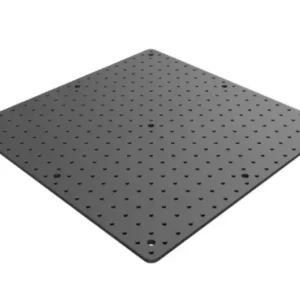
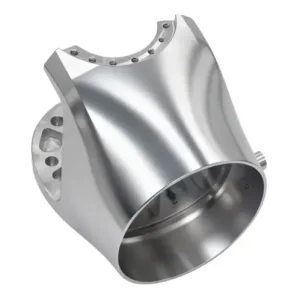
| 5-Axis High-Speed CNC Milling | AL6061-T6, AL7075, Stainless Steel 316L, Titanium Gr 5 | ±0.005 mm to ±0.01 mm | Optical Breadboards, RF Module Enclosures, Robot Joint Housings |
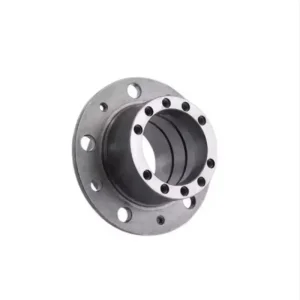
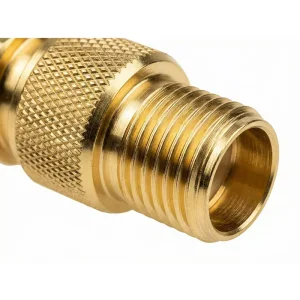
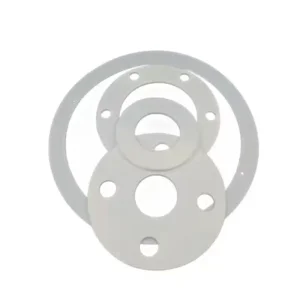
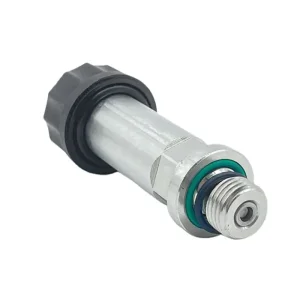
| Swiss Precision CNC Turning | Brass C3604, PTFE (Teflon), Copper C1100, Stainless 304 | ±0.003 mm to ±0.008 mm | Gas-Sealing Threaded Connectors, Solenoid Cores, Pin Contacts |
| High-Pressure Die Casting | Aluminum ADC12, A380, Zinc Alloy No. 3 / No. 5 | ±0.03 mm (As-cast) / ±0.01 mm (Post-machined) | Power Supply Enclosures, Motor End Bells, Luminaire Housings |
| Progressive Metal Stamping | Beryllium Copper, SPCC Cold Rolled Steel, Aluminum 5052 | ±0.015 mm | EMI/RFI Shielding Cans, Battery Contacts, Busbar Kits |
China Factory 4.0: Supply Chain Resilience & Cost-Efficiency Advantages
Combining dense raw material clusters, automated robotics, and direct-to-factory logistics for superior procurement value.
Industrial Cluster Density
China's Pearl River Delta and Yangtze River Delta hardware ecosystems present unprecedented supply chain density. Within a 30-mile radius, raw material foundries, precision heat treatment facilities, electroplating specialists, and anodizing lines coexist. This concentration cuts internal transit times from weeks to hours, allowing rapid prototyping within 72 hours of drawing release.
Automated Production & Dynamic Scheduling
Factory 4.0 digitalization integrates automated robotic arm loading, 24/7 lights-out CNC machining cells, and ERP-linked manufacturing execution systems (MES). By minimizing human error in repetitive operations, modern Chinese metal factories achieve exceptional consistency, reducing operational overhead while preserving top-tier quality standards.
Risk Mitigation & Dual-Sourcing Frameworks
Enterprise hardware sourcing directors require resilience against supply disruptions. Leading ODM suppliers support multi-region warehousing strategies, maintain inventory buffers for critical alloy stocks, and implement standard non-disclosure agreements (NDAs) to protect customer intellectual property throughout the manufacturing lifecycle.
Global Enterprise Procurement & Regulatory Compliance Framework
Ensuring absolute alignment with international quality management systems, environmental safety directives, and material traceability.
Quality System Standards
Precision manufacturing processes conform strictly to ISO 9001:2015 certified quality management systems. For automotive-grade electronic metal parts, suppliers follow IATF 16949 production part approval processes (PPAP Level 3), including full Failure Mode and Effects Analysis (FMEA) and Statistical Process Control (SPC) charting on critical dimensions.
Environmental Compliance & Material Traceability
All finished electronic enclosures, copper busbars, and turned connectors adhere strictly to EU RoHS 3.0 (Directive 2015/863) and REACH (EC 1907/2006) regulations. Spectrometric material certificates (SGS reports) and mill test reports (MTR) are provided with every batch, ensuring zero heavy metal contamination and full material heat traceability.
Engineered OEM & ODM Product Lineup
High-precision components custom machined, cast, or turned according to rigorous client specifications.
Frequently Asked Questions (FAQ) & Strategic Sourcing Guidance
Addressing core procurement questions regarding minimum order volumes, tolerance verification, IP protection, and engineering workflows.
What is the distinction between OEM and ODM services in electronic metal parts manufacturing?
OEM (Original Equipment Manufacturing) relies strictly on client-provided final 2D/3D engineering drawings. The factory builds strictly to print. ODM (Original Design Manufacturing) involves collaborative engineering. The factory assists with Design-for-Manufacturability (DFM), alloy selection, thermal simulation, tooling layout, and surface treatment optimization to refine your conceptual requirements into high-yield mass production.
What dimensional tolerances can your CNC turning and milling operations achieve?
Our standard CNC machining tolerances are held within ±0.01 mm. For critical precision features—such as bearing journals, optical aligners, and valve cores—our 5-axis CNC machining and high-speed Swiss lathes routinely hold tolerances down to ±0.005 mm (5 microns). All critical features are validated using Coordinate Measuring Machines (CMM) and optical profile projectors.
How are intellectual property (IP) rights protected when submitting custom CAD files?
We execute standard, legally binding Non-Disclosure Agreements (NDAs) prior to receiving any 3D models or CAD files. Client project data is managed via secure, encrypted internal networks accessible exclusively by assigned project engineers. Your product design will never be outsourced, commercialized, or shared with third parties.
What standard quality control documentation accompanies global volume shipments?
Every production batch includes comprehensive quality documentation, such as First Article Inspection (FAI) reports, CMM full-dimensional measurement sheets, raw material Mill Test Certificates (MTR), and environmental compliance certificates (RoHS, REACH, and Conflict Minerals declarations).
Which surface finishing processes are available for custom aluminum and copper parts?
We offer a comprehensive suite of in-house and audited finishing treatments: Type II and Type III Hard Anodizing (clear, black, color), Chromate Conversion Coating (Chem Film/Alodine), Electroless Nickel Plating, Gold/Silver Plating for copper busbars, Passivation, Powder Coating, Sandblasting, and Laser Engraving.