
Engineered Components & OEM Casting Assemblies
Direct factory production matching customer prints with tight dimensional tolerances, micro-finish compliance, and fully verified metallurgy.
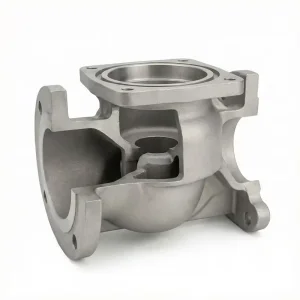
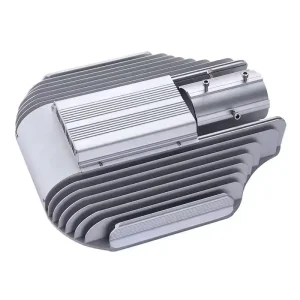
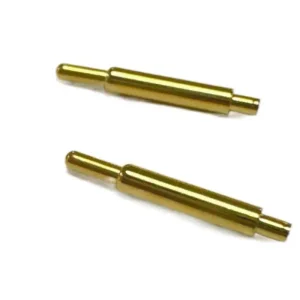
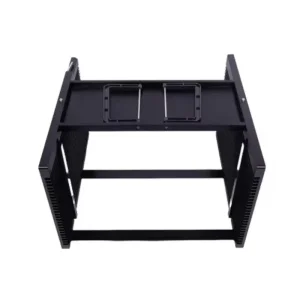
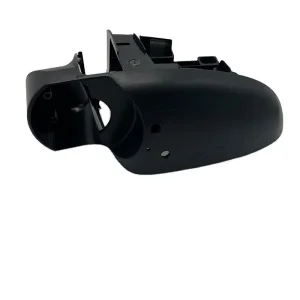
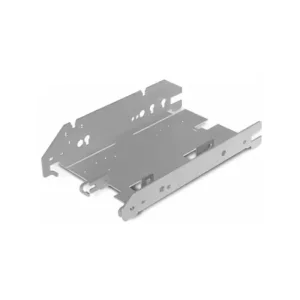
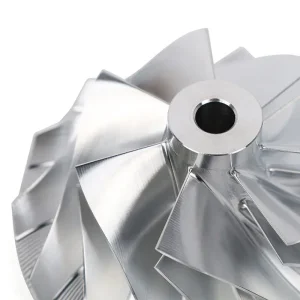
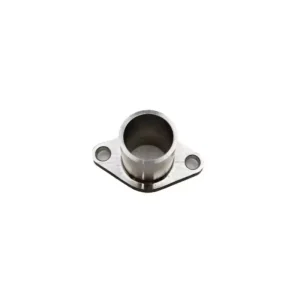
Commercial & Industrial Landscape of Precision Plaster Casting
Plaster mold casting—historically derived from the Antioch process—has re-emerged as a high-value niche in global manufacturing. While high-pressure die casting (HPDC) commands high volumes and investment casting dominates ferrous superalloys, plaster casting bridges the engineering divide for non-ferrous thin-wall structural integrity, ultra-fine surface finishes (Ra 1.6 μm to 3.2 μm), and zero-draft complex geometries without exorbitant steel tooling capital.
Low Thermal Conductivity Advantage
Unlike sand or iron molds, gypsum-based plaster molds possess extraordinarily low thermal conductivity. This insulative behavior prevents premature freezing during pouring, enabling molten aluminum alloys (A356, A380, Al-Si-Mg) and copper-base alloys to fill intricate web walls as thin as 0.8 mm across extensive surface areas without chilled folds or cold shuts.
Eliminating Post-Cast Machining
Global aerospace and RF waveguide engineers leverage plaster casting to produce internal passages, undercut chambers, and microwave cavities that are unmachinable on 5-axis CNCs. Plaster expands slightly during setting and retains exceptional dimensional stability, yielding tolerances within ±0.1 mm to ±0.05 mm per 25 mm span.
Accelerated Prototype-to-Bridge Timing
Plaster tooling can be machined directly from master polyurethane, aluminum, or SLA photopolymer models in days rather than the 8 to 14 weeks typical of hardened tool-steel die cast dies. OEM engineering teams validate production-grade metallurgy before committing hundreds of thousands of dollars to high-cavitation tooling.
| Casting Process Metric | Antioch / Plaster Casting | Investment (Lost Wax) Casting | High Pressure Die Casting (HPDC) | Precision Sand Casting |
|---|---|---|---|---|
| Surface Roughness (Ra) | Ra 1.6 – 3.2 μm (Micro-Smooth) | Ra 3.2 – 6.3 μm | Ra 1.6 – 3.2 μm | Ra 6.3 – 12.5 μm |
| Minimum Wall Thickness | 0.8 mm – 1.2 mm | 1.5 mm – 2.5 mm | 1.2 mm – 2.0 mm | 3.0 mm – 4.5 mm |
| Tooling Cost & Lead Time | Low-to-Moderate (1–3 Weeks) | Medium (3–6 Weeks) | High ($15k–$100k+, 8–14 Wks) | Low (1–2 Weeks) |
| Draft Angle Requirement | 0° to 0.5° (Near Zero Draft) | 0.5° to 1.5° | 1.0° to 3.0° Required | 1.5° to 3.0° Required |
| Best Suited Alloys | Aluminum (A356, A380, 201), Zinc, Brass | Stainless Steels, Superalloys, Ti | Aluminum, Magnesium, Zinc | Cast Iron, Ductile Iron, Bronzes |
| Optimal Production Run | 10 to 5,000 units (Prototypes to Mid) | 100 to 20,000 units | 10,000 to 1,000,000+ units | 50 to 50,000 units |
Why Global Tier-1 Buyers Source from Sunmy Hardware Shenzhen
Shenzhen Sunmy Hardware Co., Ltd. (established in 2016 in China South City, Pinghu, Longgang District) leverages the world's most concentrated precision hardware supply cluster. Sourcing plaster casting components from our Shenzhen engineering facility gives overseas purchasing managers unmatched agility, integrated metallurgical controls, and transparent cost advantages.
Complete In-House Ecosystem
From rapid master pattern creation (3D printing & CNC billet carving) to Antioch plaster molding, vacuum-assisted de-aeration, heat treatment (T5/T6), and final in-house 5-axis CNC finishing.
24-Hour Engineering DFM Turnaround
Every drawing and STEP file submitted receives comprehensive Design for Manufacturability (DFM) reviews by our senior casting engineers within 24 hours, optimizing drafts, gating, and thermal dissipation.
Zero-Broker IP Protection & Direct Traceability
Strict NDA protocols are executed before file transfers. Procurement teams communicate directly with English-fluent project leaders, securing First Article Inspection (FAI) and spectrometer test reports.
Mission-Critical Deployment of Plaster Cast Castings
Where standard sand casting produces intolerable porosity and die casting tooling costs are prohibitive, plaster casting is the premier engineering standard.
RF & Microwave Waveguides
Satellite and radar communication components require mirror-smooth internal channel walls (Ra < 2.0 μm) to minimize attenuation. Plaster casting creates airtight, non-porous channels without EDM or vacuum-brazing.
High-Density Electronics Housings
Thin-wall heat dissipation fins and integrated EMI/RFI shielding cavities for avionics and industrial robotics controllers. Achieves weight reduction targets while providing airtight IP67 environmental sealing.
Compressor Wheels & Impellers
Closed and open impeller geometries featuring backward-curved 3D aero-blades. Plaster cores capture complex aerodynamic curves with balanced weight distributions, ready for high-RPM operation after CNC dynamic balancing.
Medical Diagnostic Hardware
Ergonomic structural chassis, patient-monitoring instrument frames, and ultrasound scan housings requiring high cosmetic finishes, zero porosity under X-ray inspection, and seamless powder-coat paint adhesion.
Technological Advancements Reshaping Plaster Casting
How modern software, additive manufacturing, and automated metallurgical controls transform traditional plaster casting into an AI-accelerated manufacturing science.
AI Solidification & Flow Simulation
Using MagmaSoft and Flow-3D computational algorithms, our foundry engineers simulate fluid dynamics and thermal dissipation inside the plaster mold prior to pouring. Porosity, shrinkage cavities, and air entrainment are pre-emptively solved by virtually tuning runner geometry and feeder risers.
Direct 3D Printed Sacrificial Cores
Integrating stereolithography (SLA) and binder jet sand/plaster printing allows patternless mold fabrication for urgent aerospace prototypes. Complex negative draft features are printed directly into water-soluble or burnout plaster matrices, slashing prototype turnaround from weeks to 72 hours.
Green Plaster Regeneration & Low Carbon
Modern calcium sulfate formulations incorporate eco-friendly de-calcining loops. By re-calcining spent plaster molds and optimizing low-energy vacuum drying ovens, Sunmy aligns with European RoHS, REACH, and ESG supply chain environmental directives.
What Tier-1 Global Procurement Audits Require
International buyers in automotive, semiconductor, and avionics need verifiable paperwork, process control records, and certified material traceability before signoff.
Sunmy 6-Step Quality Assurance Workflow
DFM Audit
Draft, wall thickness, thermal flow & tolerance verification.
Ingot Spectrometry
Direct optical emission spectrometer check on raw alloy chemistry.
Bake-Out & Pour
Kiln dehydration of plaster followed by vacuum gravity casting.
CMM Metrology
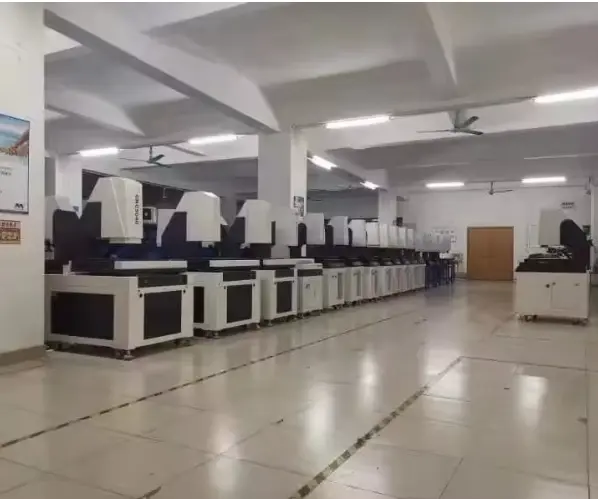
Hexagon 3D CMM mapping datum positions & GD&T true positions.
FAI Documentation
Full dimensional layout, balloon prints, and material test certs.
Export Pack
Corrosion-inhibiting vacuum packaging with sea/air-freight protection.
Direct Supply-Chain Transparency
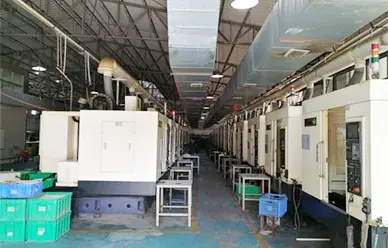
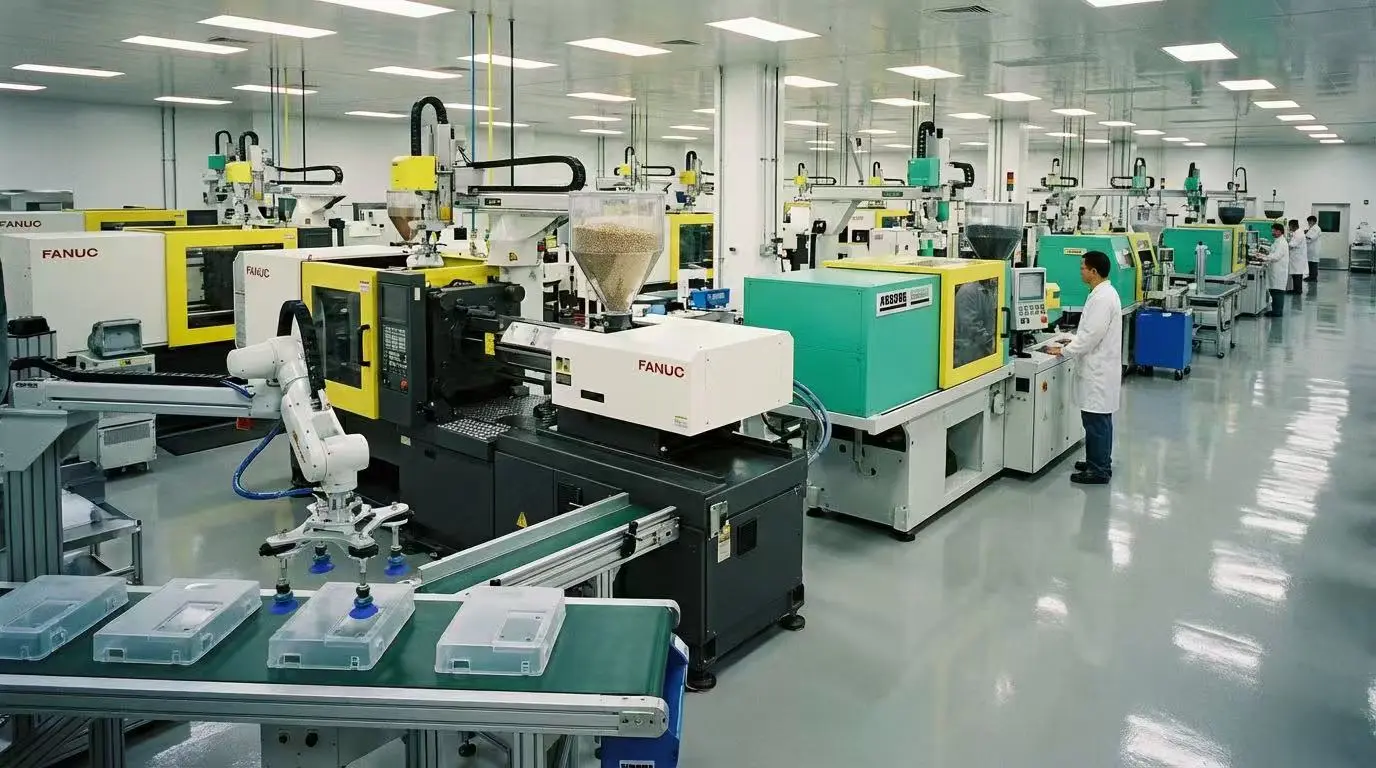
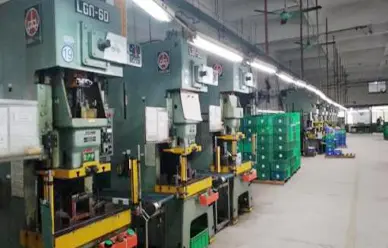
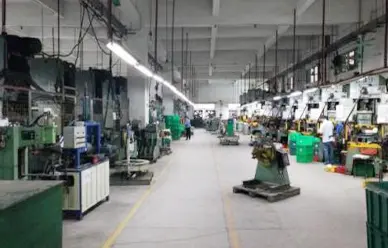
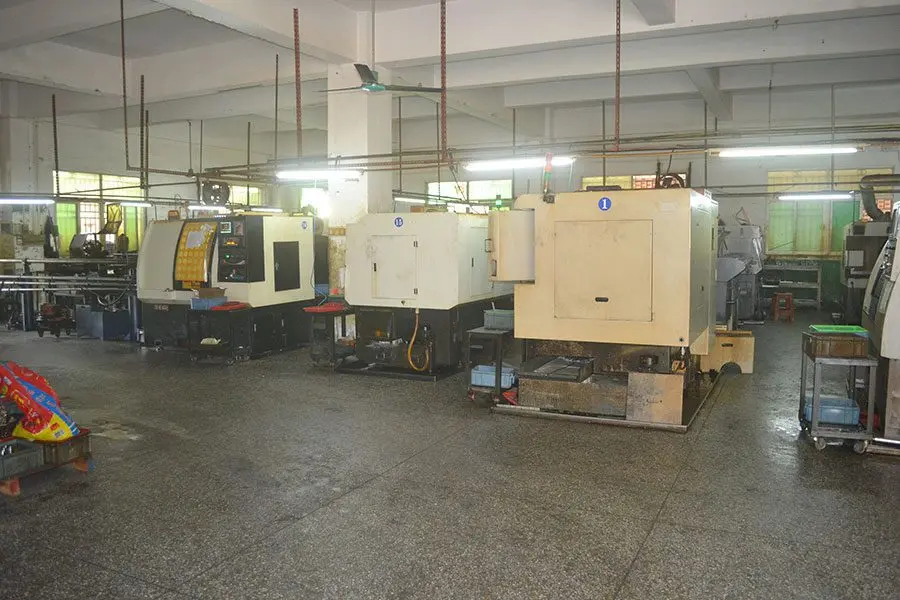
Shenzhen Sunmy Hardware Co., Ltd. operates with full manufacturing accountability. CNC machining, precision turning, and stamping cells run directly in our owned workshops, while our casting foundries leverage standardized ISO and ASTM procedures.
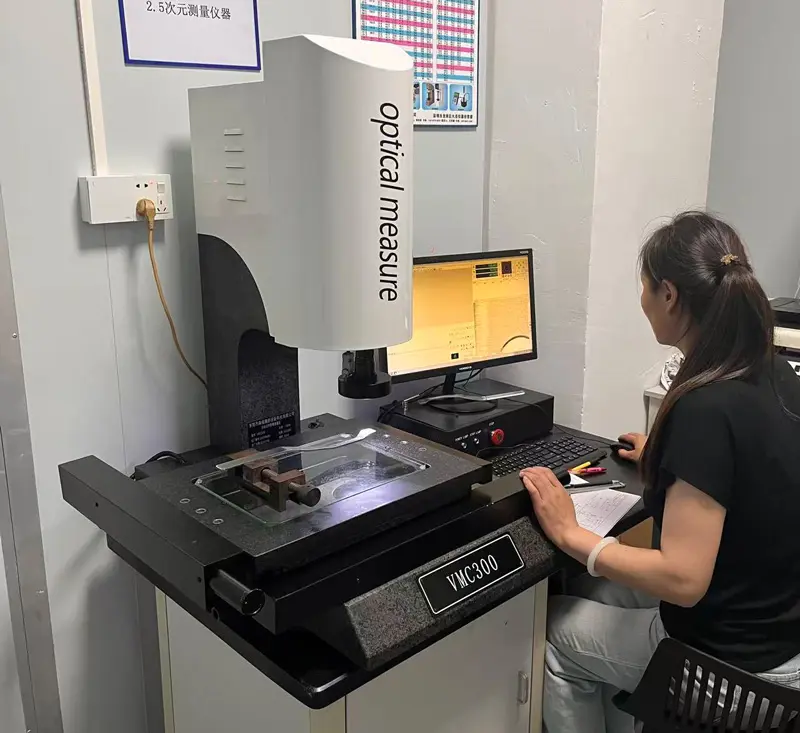
Supply-chain transparency guarantee: All incoming alloy ingots undergo spectrometer verification. All finish-machined castings, stamped brackets, and molded assemblies undergo in-house CMM inspection, salt-spray durability testing, and FAI report signoff prior to international export.
Active Precision Equipment & Inspection Stations
Engineering Problem-Solving for OEM Programs
Review how Sunmy Hardware resolved recurring metallurgical porosity, excessive deformation, and tight-tolerance assembly problems where previous suppliers failed.
Aluminum Enclosure Housing
CNC Machining + Sandblasting + Anodizing
Challenge: The previous vendor could not hold critical mating face tolerances across long spans, causing gap variations and seal failures during field assembly.
Our Solution: Sunmy engineers redesigned the tool-path sequence, added dynamic fixture damping, and tightened critical tolerances to ±0.01 mm with 100% optical datum inspection.
Die-Cast Aluminum Bracket
Die Casting + CNC Post Machining + Powder Coat
Challenge: Severe internal gas porosity and thermal shrinkage caused brackets to crack during structural torsion tests, along with blistering under powder coating.
Our Solution: Redesigned runner-gate hydrodynamics, converted to vacuum-assisted casting, and designed dedicated CNC milling clamping fixtures to prevent deflection.
Engineering Plastic Robotic Gears
Injection Molding + Silk Printing
Challenge: Excessive sink marks, knit-line brittleness, and short shots led to catastrophic gear tooth failure under low torque testing.
Our Solution: Performed comprehensive Moldflow thermal modeling, relocated submarine gating, upgraded mold cavity venting, and tuned packing pressures.
Frequently Asked Questions by Global Engineering Buyers
In-depth technical answers addressing tooling economics, alloy capabilities, inspection protocols, and international logistical safeguards.
What is plaster casting, and how does it differ from sand and investment casting?
Which non-ferrous metals and alloys can be poured in plaster molds?
What dimensional tolerances can Sunmy Hardware achieve on cast and machined features?
What is the typical Minimum Order Quantity (MOQ) and prototype lead time?
How does Sunmy Hardware guarantee intellectual property (IP) protection?
What quality verification documents accompany international export shipments?
What secondary surface finishes and treatments can be applied to plaster castings?
Specialty Castings, Housings & Machined Assemblies
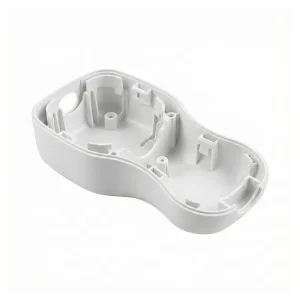
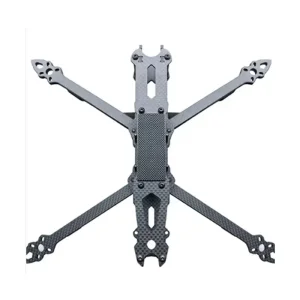
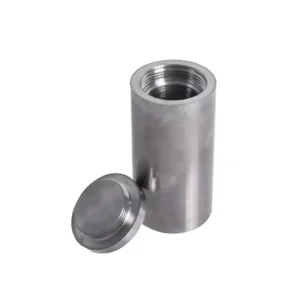
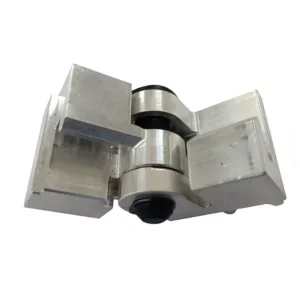
Explore our extended portfolio of medical device enclosures, drone frames, sensor wells, and custom CNC fabricated parts.
Accelerate Your Plaster Casting & CNC Project Today
Send us your 3D CAD files (STEP, IGES, STL) or 2D technical drawings (DWG, DXF, PDF). Our senior metallurgists and tooling engineers will furnish complete DFM optimization and commercial quotations within 24 hours.
Mutual Non-Disclosure Agreement (NDA) executed prior to transmission · Direct Shenzhen Factory Pricing · Zero Broker Markups