
Precision Engineered Component Portfolio
Explore our core high-precision custom parts manufactured under rigorous ISO 13485 & CMM quality control benchmarks.
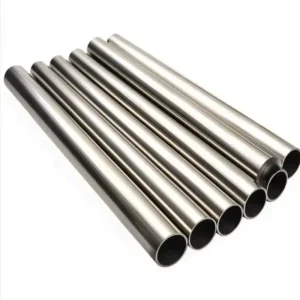
China Custom Precision Capillary Stainless Steel Pipe/Tube (OD 1mm-8mm)
View Product Details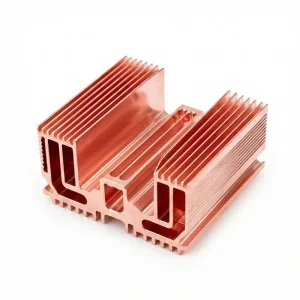
High-Performance Copper Heatsink for Thermal Solutions
View Product Details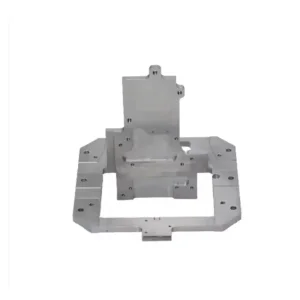
High-Precision CNC Machined Metal Bracket & Structural Frame
View Product Details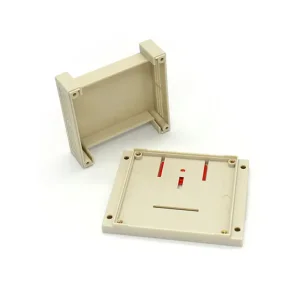
Custom Modular DIN Rail PLC Controller Enclosure
View Product Details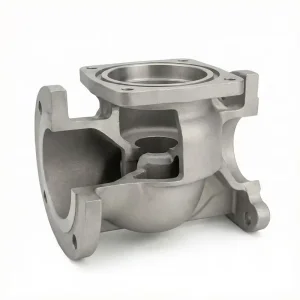
Custom Stainless Steel Valve Body & Micro Fluid Control Component
View Product Details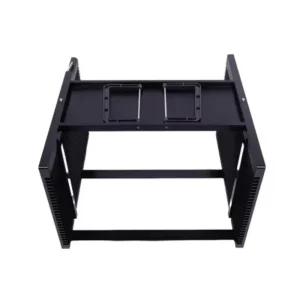
Premium 8-Inch CNC Machined Aluminum Semiconductor Wafer Carrier
View Product Details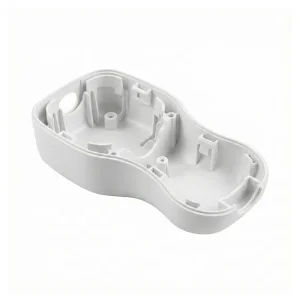
China Custom Medical Device Housing & Instrumentation Enclosure
View Product Details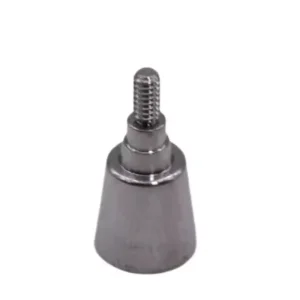
CNC Turned Titanium Abutment Implant Driver & Prosthetic Connector
View Product DetailsThe Global Commercial & Industrial Landscape for Medical Precision Machining
The global medical device market is undergoing an unprecedented structural transformation driven by an aging demographic, the global expansion of minimally invasive surgical (MIS) protocols, and the accelerated integration of surgical robotics. Projected to exceed $750 billion globally within this decade, the healthcare equipment ecosystem relies heavily on specialized OEM contract manufacturers capable of converting exotic biocompatible materials into flawless, sub-micron machined components.
Precision medical machining represents the apex of mechanical manufacturing. Unlike standard industrial hardware or consumer electronics components, medical machining parts operate inside human anatomy, high-pressure fluidic pathways, or critical life-support apparatus. There is zero tolerance for micro-burrs, dimensional drift, surface oxidation, or organic contamination. A single microscopic irregularity can cause thromboembolic events in cardiovascular implants, cell lysis in diagnostic microfluidics, or total structural failure in orthopaedic spinal fixations.
Information Gain Metric: Medical device OEMs are shifting from traditional multi-vendor sourcing models to single-source, end-to-end precision manufacturing partners capable of delivering verified raw-material traceability (MTR), DFM validation, multi-axis micro-turning, cleanroom electropolishing, and ISO 13485 certified quality management systems under one roof.
From surgical drill guides and dynamic titanium bone plates to high-frequency ultrasonic transducers and micro-capillary stainless steel cannulas, high-precision machining serves as the backbone of modern clinical intervention. Supply chain resilience, dynamic regulatory compliance under EU MDR (Medical Device Regulation) and US FDA 21 CFR Part 820, and verifiable zero-defect yield rates have become non-negotiable prerequisites for global export and clinical deployment.
Key Market Drivers Shaping Precision Medical OEM Sourcing
- Rise of Robotic-Assisted Surgery (RAS): Surgical systems like the da Vinci platform and specialized neuro-robotic arms demand lightweight, high-tensile components such as miniature gearboxes, custom stainless steel cable pulleys, and multi-articulating wrist joints machined to micro-inch runouts.
- Miniaturization of Implantable Bio-electronics: Pacemaker housings, deep-brain stimulation electrodes, and implantable drug pumps require micro-turned titanium pins, hermetic feedthrough housings, and thin-walled capillary tubing with outer diameters down to 1.0mm.
- High-Throughput Diagnostic Equipment: Automated immunoassay analyzers, DNA sequencers, and semiconductor wafer-based diagnostic chips demand thermally stable copper heatsinks, custom PTFE fluidic manifold blocks, and precision-milled aluminum mounting brackets.
Biocompatible Materials Science & Metallurgical Standards
Selecting the optimal material for medical parts requires balancing mechanical strength, fatigue resistance, corrosion immunity, wear rates, and biological safety (biocompatibility per ISO 10993 standards). High-precision medical machining centers must possess specialized tooling geometries, advanced coolant delivery systems, and deep metallurgical expertise to machine tough superalloys and delicate medical-grade polymers without inducing surface work-hardening or micro-cracking.
| Material Classification | Specific Alloy / Grade | Key Mechanical & Physical Properties | Primary Clinical & Industrial Applications |
|---|---|---|---|
| Titanium Alloys | Ti-6Al-4V ELI (Grade 23), Grade 5, Pure Ti (Grade 2) | Exceptional strength-to-weight ratio, low elastic modulus close to bone, 100% biocompatible, highly osseointegrable. | Orthopedic hip/knee implants, spinal fixation screws, dental implant abutments, surgical instruments. |
| Surgical Stainless Steels | 316LVM (ASTM F138), 17-4PH, 440C, 304L | Vacuum arc remelted (VAR) for low non-metallic inclusions, superior pitting corrosion resistance, high tensile strength. | Precision capillary tubing, endoscopic biopsy forceps, surgical scalpel handles, structural enclosures. |
| Cobalt-Chromium Alloys | CoCrMo (ASTM F75, ASTM F1537) | Ultra-high wear resistance, superior hardness, resistant to galling and severe corrosive body fluid environments. | Artificial joint bearings, prosthetic knee components, structural dental frameworks, cardiovascular stents. |
| Medical Polymers | PEEK (Optima), Radel (PPSU), PTFE, UHMWPE | Radiolucent (transparent to X-rays), repeatable autoclave sterilization tolerance, chemical inertness. | Spinal fusion cages, trial sizers, surgical handle grips, re-usable sterilization trays, fluidic gaskets. |
| Conductive & Thermal Metals | Oxygen-Free High-Conductivity Copper (OFHC), Aluminum 6061-T6/7075 | High thermal conductivity, lightweight, excellent surface anodization and passivation compatibility. | Laser surgical heat sinks, MRI gradient coil coolers, semiconductor wafer carriers, diagnostic housings. |
Passivation & Chemical Surface Treating
Execution of ASTM A967 citric and nitric acid passivation to strip free iron contaminants from stainless steel surfaces, creating a self-healing chromium oxide passive layer that guarantees corrosion immunity inside bodily tissues.
Micro-Deburring & Electropolishing
Microscopic edge radiusing using thermal energy deburring, electrochemical polishing, and automated abrasive flow machining to eliminate all burrs down to 400x magnification, preventing embolisms or tissue tearing during surgery.
Full Material Traceability (MTR)
Complete lot-traceable raw material heat verification reports, including chemical composition spectroscopy (OES) and mechanical tensile testing certifications supplied standard with every production batch.
State-of-the-Art Technical Roadmap & Machining Process Architecture
Producing surgical-grade hardware requires dedicated, multi-axis computer numerical control (CNC) equipment configured with specialized high-frequency spindles, sub-micron scale optical encoders, and high-pressure oil-coolant delivery systems. Our manufacturing engine combines several advanced machining domains to resolve complex multi-sided geometries in a single setup, eliminating cumulative clamping errors.
1. High-Speed Swiss CNC Micro-Turning
Swiss-type lathes equipped with guide bushings, live tooling, and sub-spindles represent the gold standard for long, slender, small-diameter medical parts. By supporting the bar stock immediately adjacent to the cutting tool position, deflection is reduced to absolute zero. This enables the machining of titanium bone screws, dental pins, and capillary cannula tips with outer diameters as small as 0.5mm while holding dimensional tolerances of ±0.002 mm (2 microns).
2. 5-Axis Simultaneous Micro-Milling
Complex organic surfaces—such as femoral knee joints, customized bone fixation plates, and dynamic turbine impellers for blood pumps—require 5-axis simultaneous contouring. Utilizing ultra-high RPM liquid-cooled spindles (up to 60,000 RPM) and micro-endmills down to 0.1mm in diameter, our 5-axis machining centers sculpt tough titanium and cobalt-chrome alloys into smooth, continuous shapes with surface roughness values reaching Ra 0.2 μm directly off the tool.
3. Wire & Sinker Electrical Discharge Machining (EDM)
For hardened metals, micro-slots, internal sharp corners, and thin-walled features where traditional cutting tools face high deflection or breakage risks, EDM provides contactless micro-precision. Wire EDM utilizes brass wire as thin as 0.05mm to slice complex profiles in surgical instruments, while CNC Sinker EDM burn-in micro-cavities for endoscopic locking clips with sub-micron repeat accuracy.
4. Laser Micro-Cutting & Micro-Drilling
Precision capillary stainless steel tubing (OD 1.0mm to 8.0mm) demands burr-free micro-slots, side holes, and flexible spiral cut patterns used in steerable catheters and biopsy needles. Ultra-short pulse femtosecond laser systems cut metal walls without inducing heat-affected zones (HAZ), thermal micro-cracks, or metallurgical alterations.
Specialized Application Scenarios & Engineering Implementations
Every clinical sector has unique mechanical, chemical, and operational requirements. Below are real-world application profiles detailing how our high-precision machining solutions solve critical engineering hurdles for global medical device OEMs.
Surgical Robotics & Endoscopy
Components: Miniature cable pulleys, wrist joints, biopsy jaw clips, needle holder shafts.
Challenge: Ultra-compact mechanical design requiring high torque transmission with zero backlash.
Solution: Swiss-turned 17-4PH stainless steel micro-shafts with laser-welded connectors and electropolished surfaces.
Orthopedics & Spine Fixation
Components: Cannulated pedicle screws, spinal rods, interbody fusion cages, trauma bone plates.
Challenge: Biocompatibility, bone matching modulus, intricate internal hex/torx drives.
Solution: 5-axis milled Titanium Ti-6Al-4V ELI components with thread-whirled lead profiles and grit-blasted porous surfaces.
Cardiovascular & In Vitro Fluidics
Components: Valve bodies, capillary tubing assemblies, fluid manifolds, sensor housings.
Challenge: Zero internal porosity, chemical inertness against aggressive blood reagents.
Solution: Micro-turned 316LVM capillary tubes combined with vacuum brazed copper heat sinks and PTFE fluidic gaskets.
E-E-A-T Quality Control Blueprint & ISO 13485 Regulatory Compliance
Demonstrating Experience, Expertise, Authoritativeness, and Trustworthiness (E-E-A-T) in medical manufacturing requires verifiable quality assurance protocol execution at every stage of production. From raw material intake to post-machining passivation and final packaging, our quality control loop operates as an unbroken chain of custody.
Strict Protocol Adherence: Every production lot undergoes complete First Article Inspection (FAI) per AS9102/ISO standards, accompanied by CMM 3D dimensional map printouts, surface roughness profilometry graphs, and certified chemical analysis sheets.
Our 6-Stage Metrology & Quality Verification Architecture
- Raw Stock Chemical Verification: Positive Material Identification (PMI) via X-ray fluorescence (XRF) spectroscopy upon arrival of every raw titanium bar or stainless steel bundle.
- In-Process First-Off Inspection: 100% optical dimension checks and tool wear compensation updates after setup and initial part ejection.
- Automated Coordinate Measuring Machine (CMM) Scanning: High-precision Zeiss CMM tactile and optical scanning with probing accuracy under 0.8 micrometers for complex geometric dimensioning and tolerancing (GD&T).
- Non-Destructive Testing (NDT): Dye penetrant testing and ultrasonic flaw detection to ensure internal metallurgical integrity free of voids, cracks, or inclusions.
- Ultrasonic Cleanroom Cleaning: Multi-stage solvent and deionized water ultrasonic bath washing to strip cutting oils, chips, and sub-micron particulates.
- Cleanroom Packaging (ISO Class 7): Double-vacuum sealing in medical-grade Tyvek packaging ready for downstream EO (Ethylene Oxide) or Gamma sterilization.
Frequently Asked Questions by Medical Procurement Teams
In-depth technical answers addressing engineering specs, lead times, regulatory compliance, and prototyping protocols.
What specific quality standards and certifications govern your medical machining processes?
Our manufacturing facility operates under strict ISO 13485:2016 and ISO 9001:2015 quality management systems. All medical parts are manufactured in compliance with FDA 21 CFR Part 820 quality system regulations. We provide complete material heat lot traceability, First Article Inspection (FAI) reports, CMM measurement documentation, and Certificate of Conformance (CoC) paperwork with every shipment.
What are the tightest dimensional tolerances achievable for micro medical parts?
Using our state-of-the-art Swiss CNC lathes, 5-axis micro-milling centers, and high-precision Wire EDM units, we routinely achieve concentricity and linear tolerances down to ±0.002 mm (2 microns). Surface finishes can be refined to Ra 0.1 μm – Ra 0.2 μm through automated micro-polishing and electropolishing techniques.
How do you prevent cross-contamination when machining biocompatible implant materials?
We enforce strict material segregation protocols. Dedicated CNC machine cells are allocated exclusively for medical-grade Titanium (Ti-6Al-4V ELI) and PEEK polymers. Cutting fluids are synthetic, chlorine-free, and continuously filtered. After machining, components undergo multi-stage ultrasonic cleaning using deionized water baths prior to cleanroom passivation and sealing.
Can you manufacture low-volume prototype runs before scaling to mass production?
Yes. We offer rapid prototype machining starting from single-piece functional samples for engineering evaluation and clinical trials. Our engineering team conducts comprehensive Design for Manufacturability (DFM) reviews to ensure a seamless, cost-effective transition from low-volume quick-turn prototypes to scalable high-volume automated production runs.
What secondary operations and surface treatments are provided in-house?
We provide complete full-service post-processing including ASTM A967 Citric/Nitric Passivation, Electropolishing, Type II/III Anodization (Color & Hardcoat), Micro-Grit Blasting, Thermal Deburring, Laser Marking/Engraving (UDI compliant), Micro-Coating (PTFE, PVD), and ISO Class 7 Cleanroom Double Packaging.
How do you ensure Intellectual Property (IP) security for proprietary medical designs?
We prioritize absolute IP protection. Non-Disclosure Agreements (NDAs) are executed prior to transferring any 2D/3D CAD model, STEP file, or technical specification. All customer drawings are stored on secure, encrypted internal servers with strict role-based access control, preventing third-party access or unauthorized data transfer.
Precision OEM Component & Hardware Portfolio
Discover our extended spectrum of precision sheet metal, turned hardware, aerospace, and electrical enclosures.
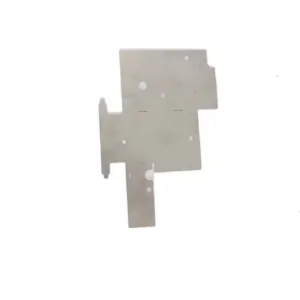
Custom Laser Cut Heavy Equipment Control Panels
View Product Details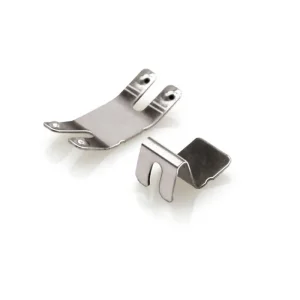
ODM Custom Precision Sheet Metal Stamping Clips & Hardware
View Product Details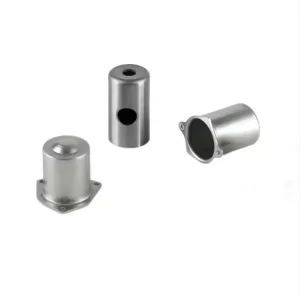
Custom Electrical Component Metal Stamping & Deep Drawn Housings
View Product Details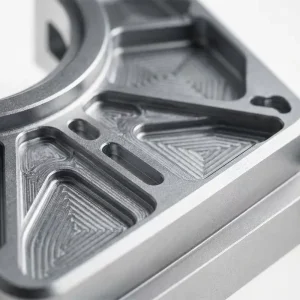
OEM Lightweight Aerospace & Medical Structural Components
View Product Details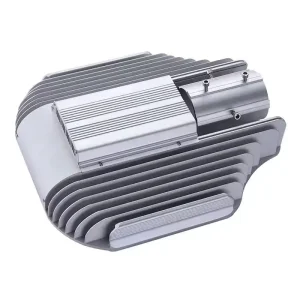
ODM Custom Die-Cast Aluminum LED Luminaire Housing
View Product Details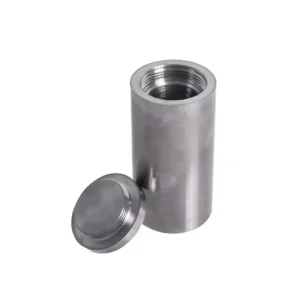
Customized Tungsten Carbide Shielded Canister with Lid
View Product Details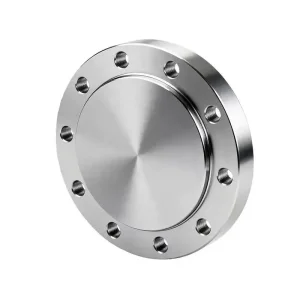
Precision CNC Machined Stainless Steel Flanges & Connectors
View Product Details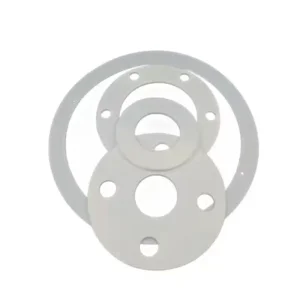
High Precision CNC Turned White PTFE Washer Gasket
View Product DetailsAccelerate Your Medical Device Project Today
Upload your CAD files (STEP, IGES, SolidWorks, or PDF 2D) for immediate DFM feedback, material yield optimization, and a competitive manufacturing proposal within 24 hours.
Initiate Technical Quote Request