Featured High-Precision CNC Machined Hardware
Explore initial benchmark products manufactured to sub-micron tolerances, complete with CMM quality validation and material traceability certifications.
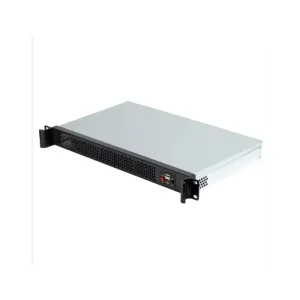
OEM OEMODM 1U Rackmount Server Chassis (Model 1U255) – Custom Sheet Metal & Stamping Enclosure for Mini-ITX Exporters, Exporter
View Product Details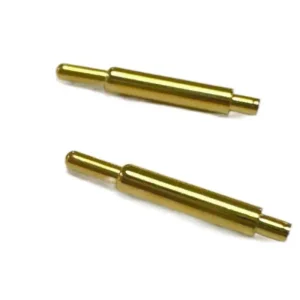
ODM High-Precision Gold-Plated Brass Pogo Pins for PCB - China Factory Suppliers Custom Connectors Manufacturers, Factories
View Product Details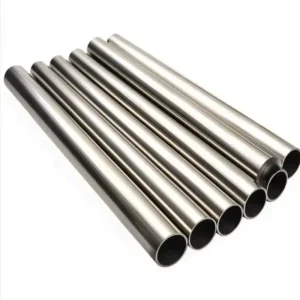
High-Quality Custom Precision Capillary Stainless Steel Tubes (OD 1mm - 8mm) from China Suppliers & Factory Service, Exporter
View Product Details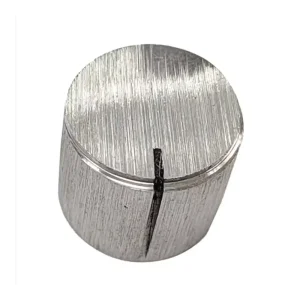
OEM Custom Injection Molded Control Knob with Brushed Finish | China Suppliers & Factory for Audio & Instrument Components Manufacturer, Exporters
View Product Details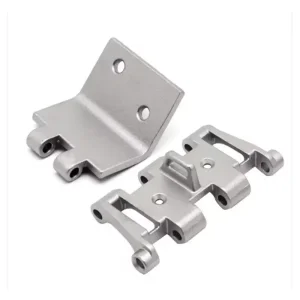
Custom OEM Custom Stainless Steel Parts from China Suppliers | Precision Machining & Investment Casting Factory Products, Product
View Product Details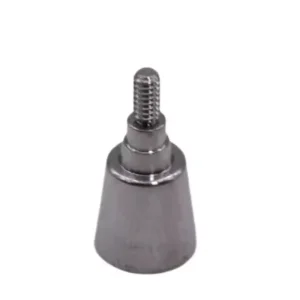
Custom Custom CNC Turned Titanium Abutment Implant Driver & Prosthetic Connector | China Suppliers Factory Manufacturers, Exporter
View Product Details
Custom Custom CNC Turned Titanium Abutment Implant Driver & Prosthetic Connector - China Suppliers & Factory Solutions Products, Factory
View Product Details1. Global Industrial Status & Macro Procurement Trends in High-Precision CNC Milling
The global precision computer numerical control (CNC) machining landscape is undergoing a systemic transition toward multi-axis simultaneous milling, micro-machining, and automated batch customization.
Macroeconomic Market Shift
The global CNC milling machine market is projected to expand from $18.4 billion in 2024 to over $28.9 billion by 2032, driven by hyper-growth in commercial aerospace, electric vehicle (EV) powertrains, subsea energy infrastructure, and surgical medical device fabrication. Procurement vectors have shifted from low-cost sourcing to high-reliability, zero-defect production frameworks.
Tightening Geometric Tolerance Requirements
Where standard industrial machining once accepted tolerances of ±0.05 mm (±0.002 inches), modern high-density hardware demands tight tolerances down to ±0.005 mm (±0.0002 inches). Achieving this consistently across high-volume production runs requires advanced 5-axis CAD/CAM simulation, thermally balanced machine beds, and real-time tool-wear compensation.
Supply Chain Resilience & Diversification
Global Original Equipment Manufacturers (OEMs) require supply chain partners capable of handling full end-to-end component lifecycles. Sourcing managers actively prioritize tier-1 suppliers who combine rapid prototype turnarounds with scalable volume production, unified under strict ISO 9001:2015, ISO 13485 (Medical), and IATF 16949 (Automotive) quality management systems.
±0.005 mm
Ultra-Precision Machining Capable
5-Axis
Simultaneous CNC Milling Milling Technology
100%
CMM & First Article Inspection (FAI)
<24 Hours
Engineering DFM Analysis Response
2. The China CNC Manufacturing Advantage: Supply Chain Density & Operational Efficiency
Shenzhen and the Greater Bay Area hardware manufacturing ecosystem represent the world's most concentrated precision tooling and machining cluster, offering structural advantages for international buyers.
Ecosystem Density & Raw Material Speed
China's hardware industrial parks provide immediate, same-day access to specialized raw materials—including certified aerospace-grade Aluminum 7075-T6, Titanium Grade 5 (Ti-6Al-4V), Kovar, Inconel 718, and medical 316L Stainless Steel. This drastically compresses material procurement lead times from weeks to hours.
Vertical Integration of Secondary Operations
High-efficiency Chinese manufacturing hubs integrate primary milling operations directly with secondary processing. Surface finishing options—such as Type III Hardcoat Anodizing, Electropolishing, Chemical Conversion Coating (Chromate/Passivation), PVD Gold Plating, Laser Engraving, and Heat Treatment—are completed in a seamless, unified workflow.
Engineered Cost Optimization (DFM Value Engineering)
Leading Chinese custom manufacturers employ dedicated Design for Manufacturability (DFM) engineering teams. By analyzing tool path accessibility, minimizing setup changes via multi-axis fixtures, and optimizing deep-cavity draft angles, DFM reviews regularly yield 15% to 35% unit cost reductions prior to tooling production.
3. Localized Application Scenarios & Engineering Material Matrix
Selecting the appropriate alloy and post-processing treatment is critical for maintaining mechanical performance under extreme operational stress.
| Industry / Application | Primary Material Selection | Key Machining Challenges | Achievable Tolerances | Optimal Surface Finishing |
|---|---|---|---|---|
| Aerospace & Defense Structural Brackets, Turbine Housings |
Aluminum 7075-T6, Titanium Ti-6Al-4V, Inconel 718 | Work hardening, high cutting temperatures, thin-wall vibration control | ±0.005 mm | Type III Hard Anodize, Shot Peening, Passivation |
| Medical Implants & Surgical Micro Screws, Abutments, Orthodontic Parts |
Medical Titanium ASTM F136, 316L Surgical Stainless | Micro-milling burr removal, thread profile fidelity, biocompatibility | ±0.003 mm | Electropolishing, Passivation, PVD Coating |
| Robotics & Automation Joint Housings, Actuator Components |
Aluminum 6061-T6, 7075-T6, Carbon Fiber Composites | Concentricity of bearing bores, weight reduction pocket milling | ±0.010 mm | Clear/Black Anodizing, Bead Blasting |
| Semiconductor & Thermal Skived Heat Sinks, Cold Plates |
C10100 Pure Copper, AlSi10Mg, PEEK, Delrin | Thermal conductivity retention, soft metal smearing, high aspect ratio fins | ±0.012 mm | Electroless Nickel Plating, Gold Plating |
| Automotive & EV Power Valve Covers, Battery Heat Shields |
ADC12 Aluminum, 6063 Aluminum, Embossed Stainless Steel | Large flat surface warping, high-volume cost targets | ±0.020 mm | Powder Coating, E-Coating, Chrome Free Conversion |
Micro-Milling & Medical Hardware
Micro-implants and orthodontic titanium screws require sub-micron precision tool movements. Using specialized Swiss-type CNC turning and 5-axis micro-milling centers operating above 40,000 RPM, engineers ensure zero-microburr edges on critical thread geometries.
Thermal Management Systems
Advanced computing and RF power modules generate extreme thermal flux. Precision skived-fin copper heat sinks and 5-axis machined aluminum liquid cooling plates require absolute surface flatness (within 0.01 mm across 200 mm) to maintain zero thermal resistance interfaces.
Robotic Joint Housings & Enclosures
Autonomous mobile robots (AMRs) and industrial articulated arms demand maximum strength-to-weight ratios. Complex 5-axis milling carves lightweight pocketed structures out of solid billet aluminum blocks without introducing internal stress deformation.
4. Industry Future Development Trends: Industry 4.0 & Next-Gen Manufacturing
The transition toward smart factories, artificial intelligence in toolpath generation, and hybrid additive-subtractive manufacturing is redefining industrial competitiveness.
AI-Driven Adaptive Machining
Modern CNC machining centers incorporate real-time acoustic, vibration, and thermal sensor feedback. Artificial intelligence algorithms analyze cutter load data to dynamically adjust spindle speeds and feed rates on the fly, preventing tool breakage and ensuring surface roughness consistency below Ra 0.4 µm.
Hybrid Additive & Subtractive Processing
Direct Metal Laser Sintering (DMLS) 3D printing combined with 5-axis CNC post-machining allows the creation of internal conformal cooling channels that were previously impossible to produce via traditional tooling. CNC milling cleans critical mating surfaces to sub-micron accuracy.
Sustainable & Green Manufacturing Protocols
Global buying mandates require audited environmental footprints. Leading production facilities utilize closed-loop chip recycling (reclaiming up to 98% of aluminum/titanium scrap), biodegradable synthetic cutting fluids, and energy-efficient direct-drive spindles to comply with international ESG standards.
5. Global Procurement Demand & Strategic Supplier Evaluation Framework
A rigorous vendor validation matrix for Strategic Sourcing Managers, Supply Chain Directors, and Chief Technology Officers.
Phase 1: DFM & Technical Competency Audit
Evaluate potential CNC partners based on their DFM engineering depth. Require comprehensive DFM reports prior to PO placement. Reports should highlight potential thin-wall chatter risks, deep hole drilling aspect ratios, and recommended radius adjustments to optimize tool path efficiency.
Phase 2: Quality Inspection Infrastructure
Ensure the manufacturer operates temperature-controlled inspection laboratories equipped with calibrated Coordinate Measuring Machines (CMM), Optical Profile Projectors, X-Ray Fluorescence (XRF) material analyzers, and Surface Roughness Testers. Verify full First Article Inspection (FAI) per AS9102 standard capability.
Phase 3: IP Protection & Data Security
Industrial procurement requires uncompromising protection of proprietary CAD models. Partner exclusively with manufacturers that sign strict Non-Disclosure Agreements (NDAs), enforce internal air-gapped network protocols for customer files, and implement end-to-end data encryption.
6. Comprehensive Procurement & Engineering FAQ
Expert insights into common technical questions regarding CNC milling, tolerance hold, tooling turnaround, and custom manufacturing capability.
What is the standard tolerance capability for precision CNC milling parts?
Our standard machining tolerance across commercial CNC milling runs is ±0.01 mm (±0.0004 inches). For critical features, precision bores, and bearing seats, our 5-axis high-speed machining centers consistently hold tight tolerances down to ±0.005 mm (±0.0002 inches). All critical dimensions are validated in a climate-controlled CMM quality lab.
How do Chinese CNC manufacturing facilities ensure raw material authenticity and quality?
Every raw material batch (Aluminum, Titanium, Stainless Steel, Brass, or Engineering Plastics) undergoes inbound verification. We collect Mill Material Test Reports (MTR) directly from raw material suppliers and perform in-house XRF spectrographic analysis to guarantee exact chemical alloy composition and mechanical properties prior to machining.
What design files are required to receive a formal DFM review and quotation?
We accept standard 3D CAD formats, including STEP (.stp), IGES (.igs), SolidWorks (.sldprt), and Parasolid (.x_t). For precise thread specifications, surface finish annotations, and critical tolerances, please provide accompanying 2D PDF engineering drawings with GD&T callouts.
What surface finish options can be applied to custom milled aluminum parts?
We offer comprehensive secondary surface processing: As-Machined (Ra 1.6 to 3.2 µm), Smooth Machined (Ra 0.8 µm), Bead Blasting (120-240 mesh), Anodizing Type II (Decorative/Colors), Anodizing Type III (Hardcoat for wear resistance), Chemical Conversion Coating (Chromate/Alodine), Electroless Nickel Plating, Powder Coating, and Custom Laser Etching.
How are prototype quantities handled compared to scalable mass production?
We support complete project lifecycles. Low-volume rapid prototyping (1 to 10 pieces) utilizes soft-jaw workholding and quick-turn tooling to deliver parts within 3 to 7 days. Once validated, we transition the project to dedicated multi-cavity fixtures, palette changers, and automated robotic loading cells for cost-effective mass production runs exceeding 100,000 units.
What measures protect customer Intellectual Property (IP) during sourcing?
Intellectual property protection is fundamental. We execute legally binding Non-Disclosure Agreements (NDAs) prior to file transfer. Customer CAD data is stored on secured, encrypted servers accessible only by designated project engineers, ensuring your proprietary designs remain strictly confidential.
Additional High-Quality OEM Products & Custom Hardware Solutions
Explore our extended series of custom CNC milled, turned, stamped, and injected components engineered for industrial export worldwide.
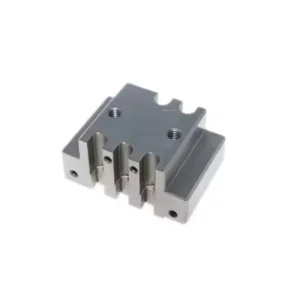
Custom OEM Precision CNC Machining Aluminum Parts - Custom Industrial Components from China Suppliers & Factory Service, Factory
View Product Details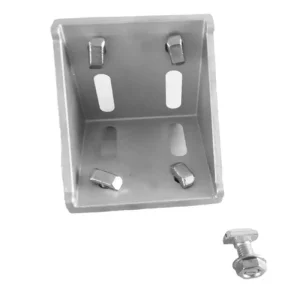
ODM Premium 8080 Aluminum Profile T-Slot Corner Bracket | Custom Heavy Duty Inside Corner Brace Manufacturers, Product
View Product Details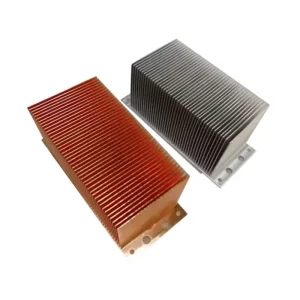
High-Quality Custom High-Performance Aluminum & Copper Skived Fin Heat Sink from China Suppliers & Factory for LED & Industrial Electronics Suppliers, Product
View Product Details
OEM China OEM Precision CNC Machining Aluminum Parts & Custom Industrial Components Supplier | Trusted Factory Products, Product
View Product Details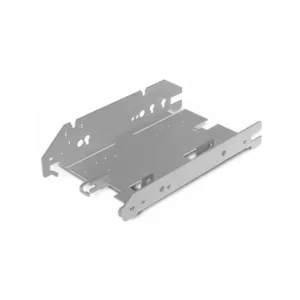
OEM Custom Precision Sheet Metal Brackets & Stamping Parts for Electronic Devices | China Suppliers & Factory Supplier, Suppliers
View Product Details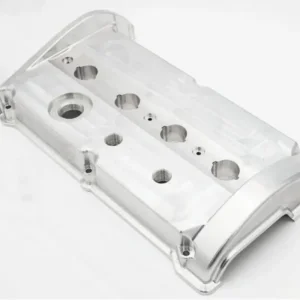
China High-Precision CNC Machined 7075 Aluminum Valve Covers - Custom Solutions from China Suppliers and Factory Manufacturer, Service
View Product Details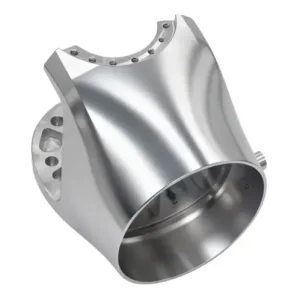
China High-Precision 5-Axis CNC Machined Robot Joint & Housing Parts - China Factory & Suppliers Product, Exporter
View Product Details