Precision Metal & Plastic Components Portfolio
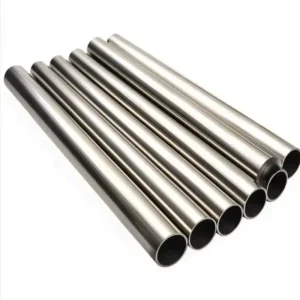
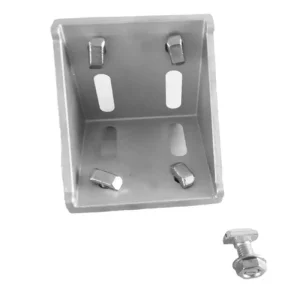
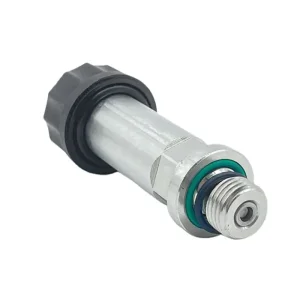
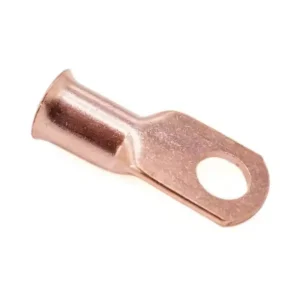
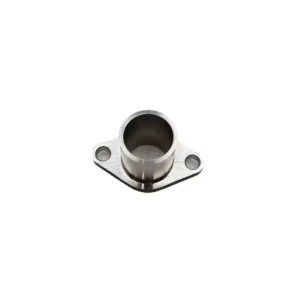
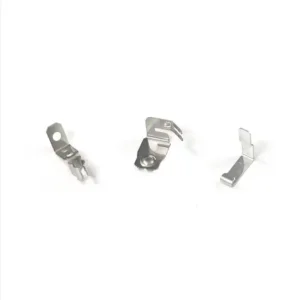
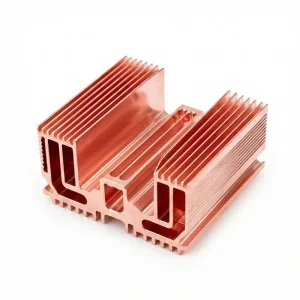
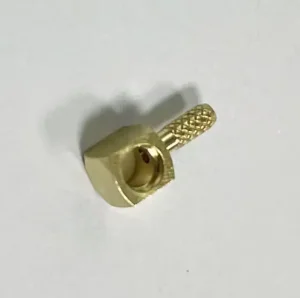
Explore our core engineering capabilities spanning micro-capillary tubing, custom structural brackets, complex CNC machined components, and high-performance electro-mechanical assemblies.
1. The Global Industrial Landscape of Custom Plastic Components
In modern high-tech manufacturing, custom plastic components have transcended their legacy role as simple cosmetic enclosures. Today, polymer engineering plays a central structural, electrical, and thermal role across advanced sectors including automotive powertrain electrification, physical AI robotics, medical diagnostics, aerospace systems, and micro-electronics.
Driven by global light-weighting mandates (E-mobility range enhancement) and metal-to-plastic replacement initiatives, high-performance thermoplastics—such as PEEK (Polyetheretherketone), PEI (Ultem), PTFE, and carbon-fiber-reinforced Polyamides—are replacing traditional cast aluminum and brass alloys. These engineered polymers deliver equivalent specific tensile strength while achieving weight savings of up to 40-60%, superior chemical resistance, dielectric insulation, and lower total manufacturing costs via near-net-shape processing.
Engineering Information Gain: Metal-to-Plastic Conversion Dynamics
Converting a CNC-machined metal housing to an injection-molded engineering polymer requires precise thermal expansion (CLTE) calculations. For instance, PEEK filled with 30% glass fiber (GF30) drops the coefficient of thermal expansion to ~22 x 10^-6 /K, closely matching aluminum while providing immunity to galvanic corrosion and chemical degradation in harsh chemical environments.
2. Precision Manufacturing Modalities & Processing Expertise
Selecting the optimal manufacturing route for custom plastic components depends heavily on production volume, part complexity, material choice, and dimensional tolerance specifications. At Sunmy Hardware, we offer three core production tracks tailored to specific OEM design lifecycle stages:
Injection Molding (Single & 2K)
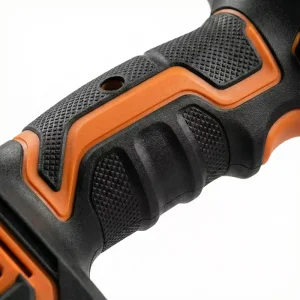
Ideal for medium-to-high volume production (1,000 to 1,000,000+ units). Utilizes hardened steel molds (H13/S136) and precision injection units. Includes overmolding and 2K dual-material molding for soft-touch grips and integrated rubberized seals.
- Moldflow FEA simulation pre-tooling
- Multi-cavity high-speed production
- Tight shrinkage rate compensation
5-Axis Precision CNC Machining
Designed for low-volume production, rapid prototypes, or ultra-tight tolerance plastic components (down to ±0.005mm). Directly mills components from extruded plastic rods or slabs (POM-C, PEEK, PTFE, Nylon, Acrylic) without NRE tooling expenses.
- No tooling/mold lead time required
- Zero draft angle constraints
- Custom stress-relief heat treatments
Additive & Vacuum Casting
Optimal for pre-pilot validation, visual prototypes, and bridge tooling (1 to 100 units). Employs industrial SLA/SLS 3D printing and polyurethane casting in silicone molds to simulate production-grade ABS, PP, and Rubber properties.
- Fast 3-5 day turnaround
- Transparent micro-fluidic channels
- Overmolded brass insert prototyping
Process Selection Decision Matrix for Procurement & Engineering
| Evaluation Parameter | Plastic Injection Molding | CNC Plastic Machining | Vacuum Polyurethane Casting | Additive Manufacturing (SLS/SLM) |
|---|---|---|---|---|
| Typical Volume Range | 1,000 – 1,000,000+ units | 1 – 5,000 units | 10 – 100 units | 1 – 50 units |
| Tooling Cost (NRE) | High ($2,500 – $45,000+) | Zero Tooling Cost | Low ($300 – $1,200) | Zero Tooling Cost |
| Standard Lead Time | 2 – 4 Weeks (Mold + T1) | 3 – 7 Days | 5 – 10 Days | 2 – 4 Days |
| Achievable Tolerances | ±0.020mm – ±0.050mm | ±0.005mm – ±0.015mm | ±0.100mm | ±0.150mm |
| Surface Finish Quality | SPI A1 Polish, VDI Texture | Ra 0.8 µm – Ra 3.2 µm | Simulated Molded Finish | Slightly Granular / Sanded |
| Design Constraints | Draft angles, uniform wall thickness | Tool access, deep cavity limits | Undercut limits on silicone | Virtually limit-free geometry |
3. China Factory Efficiency & Supply Chain Density
Sourcing custom plastic components from Shenzhen and the broader Pearl River Delta region provides global OEMs with an unmatched speed-to-market advantage. China’s integrated manufacturing ecosystem clusters tooling steel suppliers, resin formulators, CNC machining centers, and surface treatment facilities within a 30-minute supply radius.
This operational concentration translates to rapid DFM iterations, 50% faster T1 sample delivery compared to Western counterparts, and significant unit cost savings without sacrificing quality compliance.
Rapid Tooling Turnaround
High-speed CNC mold carving achieves T1 sample delivery in as little as 10 to 14 days.
Integrated Resin Sourcing & Traceability
Direct partnerships with global resin vendors (Covestro, Sabic, DuPont, Victrex) ensuring UL94-V0, RoHS, REACH, and FDA certificates.
Stringent CMM & Quality Verification
100% CMM dimensional checks, pin gauge verifications, and First Article Inspection (FAI) reports included with every shipment.
Factory Quality & Yield Analytics
IP Protection Protocol: Every engineering project at Sunmy Hardware is backed by a legally binding Non-Disclosure Agreement (NDA) executed prior to drawing transmission.
4. Sector-Specific Application Scenarios & Engineering Case Studies
Custom plastic components must meet rigorous operational demands depending on their ultimate deployment environment. Below is a breakdown of how specialized polymer choices address environmental and structural challenges across core industries:
Automotive & EV Systems
Key Requirements: High Heat Deflection Temperature (HDT > 200°C), flame retardancy (UL94-V0), fuel/oil immunity, high creep resistance under vibration.
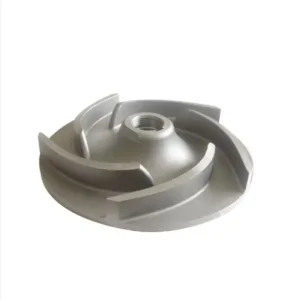
Typical Components: EV battery module cell spacers, busbar insulating housings, sensor connectors, water pump impellers, intake manifold channels.
Primary Resins: PA66-GF30, PBT-GF20, PPS, PEEK.
Medical & Biotechnology
Key Requirements: ISO 10993 biocompatibility, gamma/autoclave sterilization tolerance, chemical inertness, zero leaching, optical transparency.
Typical Components: Microfluidic diagnostic cassettes, surgical device handles, peristaltic pump rotors, fluidic connectors, ventilator valves.
Primary Resins: Medical-grade Polycarbonate (PC), PEEK, PTFE, Cyclic Olefin Polymer (COP).
Physical AI & Industrial Robotics
Key Requirements: Ultra-low coefficient of friction, high wear resistance, lightweight rotational inertia reduction, impact absorption.
Typical Components: Robotic finger joint shells, precision anti-backlash POM gears, cable guide bushings, encoder housings, servo brackets.
Primary Resins: Delrin (POM-H), UHMW-PE, Nylon 12, TPU overmolding.
5. Design for Manufacturability (DFM) & Cost Optimization Guidelines
Optimizing custom plastic component geometry prior to tooling initiation is the single most effective way to eliminate costly mold modifications, cycle time bottlenecks, and structural cosmetic defects (such as sink marks, warp, and weld lines).
Essential DFM Rules for Injection Molded Parts
- Uniform Wall Thickness: Maintain consistent wall thickness across the component (recommended 1.5mm to 3.0mm depending on resin). Variations should not exceed 15-20% to prevent differential shrinkage and warping.
- Draft Angles: Incorporate a minimum draft angle of 1.0° to 2.0° on all vertical walls parallel to the mold draw direction. Textured surfaces (SPI/VDI) require an extra 1° per 0.025mm of texture depth.
- Rib Design Ratio: Design structural stiffening ribs to a maximum thickness of 50-60% of the adjoining main wall thickness to eliminate sink mark formation on cosmetic faces.
- Corner Radii: Replace sharp internal corners with generous radii (minimum 0.5t radius) to reduce stress concentration spikes by up to 50%.
Procurement Checklist for B2B RFQ Submissions
To ensure rapid 24-hour turnaround on technical quotes and DFM feedback from Sunmy Hardware, procurement teams should provide:
- 3D CAD Model Files: STEP (.stp), IGES (.igs), or SolidWorks (.sldprt) format.
- 2D Engineering Drawings: PDF or DWG with specified critical dimensions, geometric tolerances (GD&T), and threaded insert requirements.
- Material Specifications: Specific resin brand/grade (e.g., Sabic Lexan 945 PC) or general polymer family with target additives (e.g., PA6 + 30% Glass Fiber).
- Annual Estimated Volume (EAV): Initial sample batch size, pilot run, and full-scale production forecast.
- Surface Finish & Cosmetics: SPI Polish grade (SPI A2, B1, C1) or VDI texture specification.
Frequently Asked Procurement & Engineering Questions
Comprehensive answers regarding tooling lead times, tolerance capabilities, material certifications, and custom plastic manufacturing workflow.
What is the difference in lead time and cost between CNC plastic machining and injection molding?
CNC plastic machining requires zero non-recurring engineering (NRE) tooling cost and can deliver parts within 3 to 7 days directly from extruded stock. It is ideal for low-volume production (1 to 1,000 parts) or parts with ultra-tight tolerances (±0.005mm). Injection molding requires custom steel tooling ($2,500 – $30,000+) taking 2 to 4 weeks, but reduces per-unit costs drastically for volumes exceeding 1,000+ pieces.
How do you manage heat buildup and tolerance distortion when CNC machining soft plastics?
Plastics have lower thermal conductivity and higher thermal expansion coefficients (CLTE) than metals. We prevent distortion by utilizing specialized single-flute polished carbide end mills, applying high-pressure water-soluble or air-blast coolants, and performing stress-relief heat treatment (annealing) on raw plastic billets prior to final finish machining passes.
Can Sunmy Hardware manufacture plastic parts with molded-in metal inserts?
Yes. We specialize in insert molding (placing brass, stainless steel, or aluminum threaded bushings into the mold cavity prior to plastic injection) as well as post-molding ultrasonic heat-staking insert installation. This creates high-strength, reusable metal threads in plastic structural housings.
What quality documentation and material certifications are provided with shipments?
Every custom plastic component order can be shipped with complete Quality Assurance dossiers including Raw Material Mill/Resin Certificates (RoHS, REACH, UL94, FDA compliance), CMM Full Dimensional Inspection Reports, First Article Inspection (FAI) per AS9102/ISO standards, and process parameter logs.
How do you ensure color consistency across multi-cavity injection mold runs?
We use precise gravimetric dosing systems for color masterbatches and verify color matching against target PANTONE or RAL standards using spectrophotometers under standardized D65 lighting environments. Delta E (ΔE) values are kept strictly below 1.0 for visual production lots.
What design modifications are recommended if my part exhibits warp or sink marks during DFM analysis?
Our DFM report will recommend either core-out thick solid sections to maintain uniform wall thickness, reducing rib thickness to 50-60% of the nominal wall, relocating injection gates to thicker regions, or switching to low-shrinkage resin blends (such as adding glass fiber or mineral filler).
Full-Spectrum Hardware & Components Portfolio
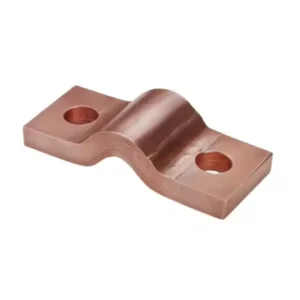
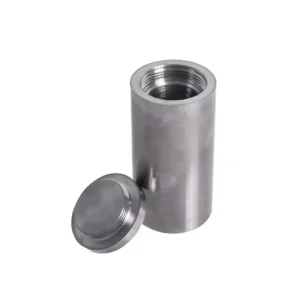
Explore our specialized range of high-efficiency pumps, flexible busbars, tungsten carbide canisters, titanium medical connectors, and multi-material overmolded assemblies.