
High-Precision Industrial Machining Solutions
Direct OEM/ODM manufacturing engineered to strict DIN ISO 2768-mK tolerances. Review featured components and request real-time RFQ quotes.
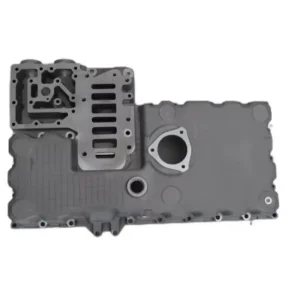
China Premium Low-Pressure Cast Aluminum Alloy Clutch Oil Pan
Request Quote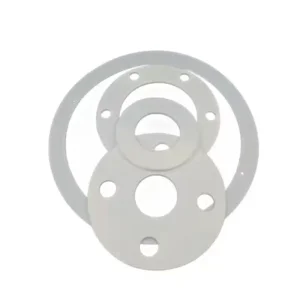
Custom High Precision White PTFE Washer Gasket from China Suppliers
Request Quote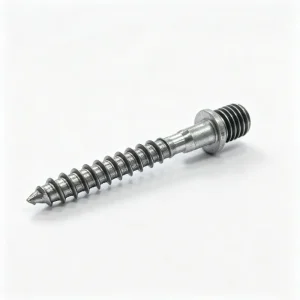
OEM Custom Precision Turned Stainless Steel Dual-Thread Hanger Bolt
Request Quote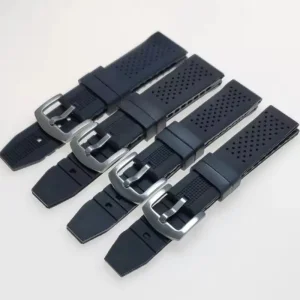
Custom Universal Silicone Sport Watch Strap with Multi-Hole Air Vents (18mm - 24mm)
Request Quote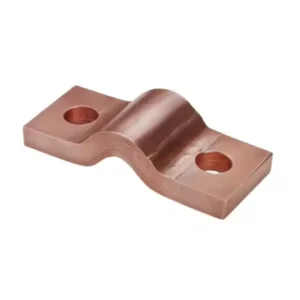
High-Quality Custom Flexible Laminated Copper Busbar for Battery & Electrical Equipment
Request Quote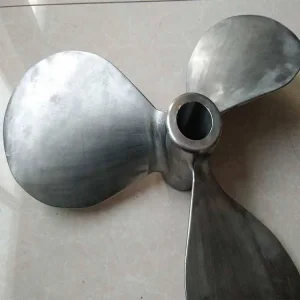
China OEM Custom Stainless Steel 3-Blade Marine Propeller (Investment Casting)
Request Quote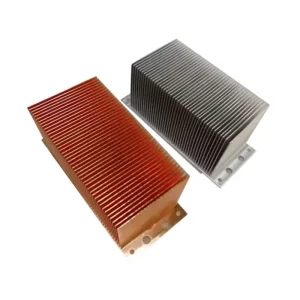
China High-Performance Square Aluminum & Copper Skived Fin Heat Sinks
Request Quote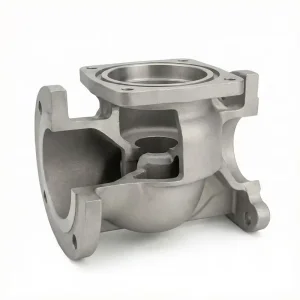
ODM China Stainless Steel Valve Body Suppliers - Investment Casting / Lost Wax Factory
Request QuoteThe Global Commercial & Industrial Machining Landscape
Analyzing global supply chain trends, regional manufacturing shifts, and the transition toward high-mix, low-volume (HMLV) precision engineering.
Supply Chain Diversification
Global original equipment manufacturers (OEMs) are restructuring precision machining supply chains. The market demands reliable Tier-1 and Tier-2 suppliers equipped with multi-axis CNC capability, automated Quality Management Systems (QMS), and direct export compliance to mitigate tariff risks and lead-time delays.
High-Mix, Low-Volume Demand
The historical paradigm of monolithic, mass-production tooling has evolved. Enterprise procurement teams prioritize manufacturing partners capable of rapid scaling—transitioning seamlessly from rapid SLA/SLM prototypes to 5-axis CNC production and complex die-casting runs without multi-vendor friction.
Strict Regulatory Standards
Modern industrial components require complete raw material traceability, full RoHS and REACH compliance, and First Article Inspection Reports (FAIR) per AS9102 standards. Supplier qualification depends heavily on CMM verification data and certified metallurgical chemical analysis.
Macroeconomic Realities Sourcing Custom Industrial Parts in 2026
The international industrial machinery market is expanding exponentially, driven by electrification, industrial automation, medical technology advancements, and aerospace innovation. Precision custom machining represents the structural backbone of this growth. As mechanical systems grow increasingly compact and thermally dense, the margin for engineering error has shrunk to near zero.
Procurement directors and principal design engineers face complex tradeoffs when selecting an offshore or domestic machining partner. While unit cost remains a pivotal metric, total landed cost—factoring in scrap rates, delivery lag, non-conformance claims, and engineering revisions—is the real measure of vendor viability. Factories in manufacturing epicenters like Shenzhen, China, have integrated advanced multi-axis machining centers with digitally audited quality infrastructure to offer unmatched turnaround speeds and cost efficiencies.
Advanced Manufacturing Trends & Future Outlook
How artificial intelligence, hybrid additive-subtractive processes, and real-time metrology are reshaping custom metal and plastic component fabrication.
AI-Assisted Toolpath & Predictive Machining
Modern CNC machining centers leverage algorithmic feed-rate adjustments and vibration-sensor monitoring to prevent tool chatter, extend cutter longevity, and maintain sub-micron surface finishes across tough alloys like Inconel, Titanium Grade 5, and 316L Stainless Steel.
Closed-Loop Metrology & Digital Twins
Integrating Coordinate Measuring Machines (CMM) directly onto the shop floor allows real-time feedback loops. Tool offsets update dynamically based on laser inspection scans, virtually eliminating dimensional drift during long production cycles.
Hybrid Manufacturing Integration
Combining additive manufacturing (3D metal printing) for internal conformal cooling channels with high-speed 5-axis CNC finish milling allows production of complex heat sinks and turbine components previously impossible with traditional subtractive methods alone.
Sustainable & Zero-Waste Machining
Transitioning to Minimum Quantity Lubrication (MQL), closed-loop chip recycling, and high-efficiency servo drives reduces carbon intensity per part, meeting European Union CSRD and global corporate ESG requirements.
Localized Application Scenarios & Engineering Matrix
Custom machining specifications vary radically depending on operating environments, thermal stresses, and mechanical loads.
| Target Sector | Key Machined Components | Primary Material Grades | Critical Tolerances & Specs | Typical Surface Finish |
|---|---|---|---|---|
| Automotive & Transmissions | Clutch Oil Pans, Gear Shafts, Retarders, Valve Housings | ADC12, A380 Aluminum, 20CrMnTi, Ductile Iron | ±0.010 mm, Concentricity <0.015 mm | Ra 0.8 - Ra 1.6, Anodized / Powder Coated |
| Electronics & Telecom | Skived Fin Heat Sinks, Connector Housings, EMI Shielding | AL6063-T6, C1100 Copper, PBT Plastics, PTFE | Fin thickness down to 0.2 mm, Flatness 0.02 mm | Nickel Plated, Electropolished, Clear Anodize |
| Marine & Fluid Handling | Impellers, Marine Propellers, Valve Bodies, Pump Casing | 316L SS, Duplex 2205, Bronze Alloys, Titanium | Dynamic balance G2.5, Hydrostatic pressure test | Passivated, Shot Blasted, Mirror Polished |
| Industrial Equipment | Hanger Bolts, Laminated Busbars, Sheet Metal Chassis | 304 SS, T2 Copper, Cold Rolled Steel, Brass C3604 | Thread class 6H/6g, Dielectric breakdown voltage | Zinc Plated, Tin Plated, Electrophoretic Paint |
Deep-Dive Engineering Frameworks
1. Automotive Transmission & Heavy Machinery: Components like low-pressure cast aluminum oil pans and forged spur gear shafts must endure extreme cyclic vibrations, thermal stress, and chemical exposure to synthetic lubricants. Precision machining of sealing grooves and bearing seats ensures zero leakage across operational lifespans exceeding 500,000 cycles.
2. Thermal Management in High-Density Electronics: Skived fin heat sinks manufactured from pure copper or AL6063 yield continuous thermal paths without interface resistance. Machining ultra-thin fins at tight pitches maximizes surface area, essential for cooling next-gen IGBT modules, LED matrices, and AI computing hardware.
3. Severe-Service Fluid Control: Investment cast stainless steel valve bodies and centrifugal slurry pump impellers require specialized post-casting CNC machining. Multi-axis milling cleans up complex internal flow geometry, mitigating cavitation risks and extending operational lifespans in corrosive chemical processing environments.
Sunmy Hardware Precision Manufacturing Architecture
Rigorous quality protocols, DFM reviews, and certified metrology designed to guarantee absolute drawing compliance.
1. Front-End DFM Analysis
Every CAD model (STEP/IGES/DWG) undergoes Design for Manufacturability evaluation. Our engineering team reviews wall thicknesses, radii, draft angles, and thread depths to cut machine cycle times and prevent costly tooling revisions.
2. Raw Material Verification
We perform optical emission spectrometry (OES) chemical analysis and tensile testing on incoming raw materials. Raw bars, forgings, and castings are matched to mill test reports (MTR) before machining starts.
3. In-Process & CMM Inspection
Components are inspected during early setup and at regular production intervals. Final inspection utilizes Zeiss Coordinate Measuring Machines (CMM), optical comparators, and surface roughness testers with complete FAI reports provided.
Frequently Asked Questions (FAQ)
Comprehensive engineering and commercial guidance for purchasing directors, supply managers, and design engineers.
How do I request an accurate custom industrial machining quote?
To receive a rapid, accurate engineering quote within 24 hours, provide:
- 3D CAD Files: STEP, IGES, or X_T formats.
- 2D Engineering Drawings: PDF or DWG highlighting critical tolerances, thread specs, GD&T, and surface roughness targets.
- Material Grade: Specific alloys (e.g., AL6061-T6, 316L SS, Brass C3604, PTFE, PBT).
- Volume & Schedule: Prototype batch size and expected annual production quantities.
- Surface Finishing: Anodizing (Type II/III), passivating, plating, powder coating, or heat treatment.
What standard and tightest tolerances can your CNC facility maintain?
Our standard machining tolerance follows ISO 2768-m (Medium) or fine ISO 2768-f. For critical features, precision turned parts, and ground bores, we reliably hold micro-tolerances down to ±0.005 mm (5 microns). All dimensional callouts are verified in climate-controlled metrology labs using calibrated CMM and height gages.
How does Sunmy Hardware ensure intellectual property (IP) protection?
We enforce strict data isolation security protocols. We sign binding Non-Disclosure Agreements (NDAs) prior to receiving proprietary drawing files. Client CAD files are stored on secure internal networks and accessible exclusively by assigned project engineers and machinists. We never disclose drawings to third-party brokers.
What quality documentation is included with exported shipments?
Every production batch can be dispatched with a comprehensive Quality Documentation Package containing:
- First Article Inspection Report (FAIR / AS9102 format)
- Raw Material Mill Test Certificate (MTR) & OES analysis
- Full CMM Dimensional Inspection Reports
- RoHS & REACH Compliance Declarations
- Surface Finish (Ra) & Plating Thickness Test Reports
What is the structural advantage of combining casting with post-machining?
Near-net shape casting (die casting, investment casting, or low-pressure casting) reduces raw material waste and machining cycle time for complex geometries like oil pans and valve bodies. CNC post-machining is then applied exclusively to critical mating faces, thread holes, and bearing bores—delivering ultra-tight fit accuracy at a fraction of the cost of machining entirely from solid billet.
Precision Turned, Molded & Stamped Solutions
Explore specialized custom components tailored for diverse electrical, automotive, and industrial assemblies.
High-Quality Universal Breathable Silicone Sport Watch Strap (18mm-24mm)
Request Quote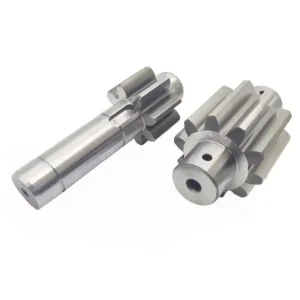
China Custom CNC Machined Automotive Transmission Spur Gears and Gear Shafts
Request Quote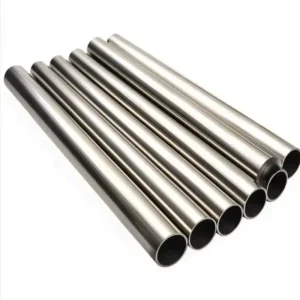
China Custom Precision Capillary Stainless Steel Pipe/Tube (OD 1mm-8mm)
Request Quote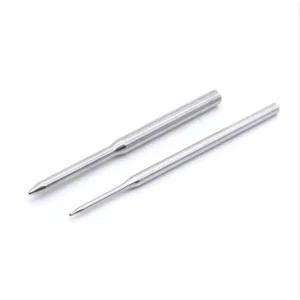
OEM Custom Stainless Steel Waterproof Sensor Probe Housing Thermowell
Request Quote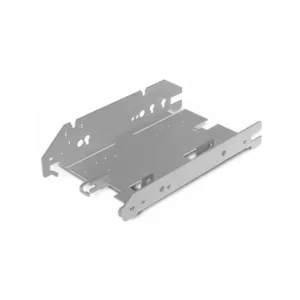
ODM Custom Precision Sheet Metal Brackets & Stamping Parts for Electronic Devices
Request Quote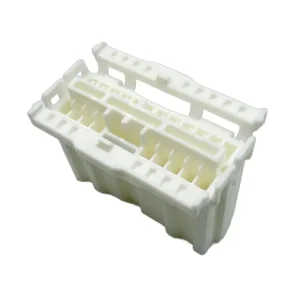
China High-Precision White PBT Automotive Connector Housing from China Factory
Request Quote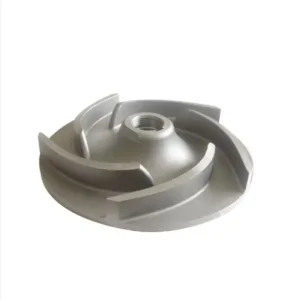
ODM High-Quality Centrifugal Slurry Pump with Open Impeller Stainless Steel
Request Quote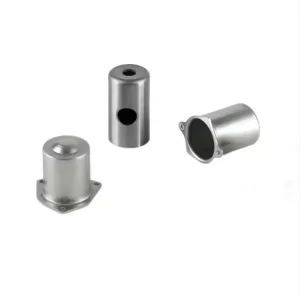
Custom Electrical Component Metal Stamping Housings | Deep Drawn Housings
Request QuoteReady to Submit Your CAD Drawings for DFM & RFQ?
Partner with a verified Shenzhen custom machining exporter. Receive comprehensive DFM feedback, CMM quality plans, and competitive tier-1 factory pricing.