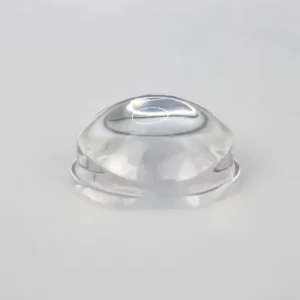
Featured Custom Components & Tooling Solutions
Explore our diverse OEM manufacturing capability spanning high-precision polymer injection, stainless steel hardware, custom turned parts, and structural enclosures.
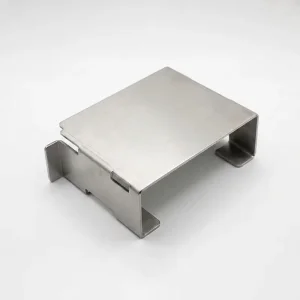
OEM Custom Stainless Steel Mounting Brackets from China: Reliable Suppliers & Quality Factory Production for Industrial Machinery Products, Exporter
View Product Specs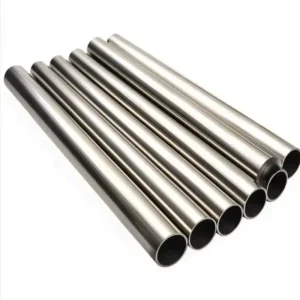
High-Quality Custom Precision Capillary Stainless Steel Tubes (OD 1mm - 8mm) from China Suppliers & Factory Service, Exporter
View Product Specs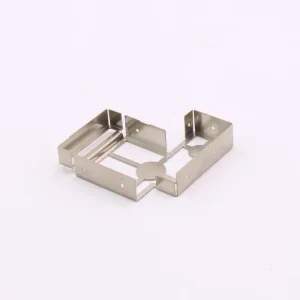
OEM Custom High-Precision PCB EMI/RFI Shielding Frame Manufacturer, Products
View Product Specs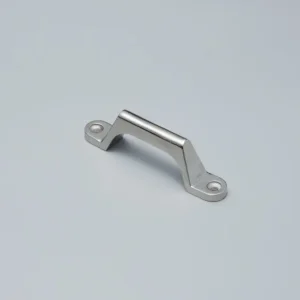
China Custom Cast Stainless Steel Industrial Bridge Handle Suppliers, Factory
View Product Specs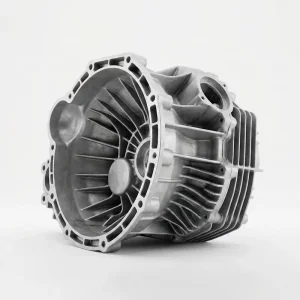
OEM Aluminum Die-Cast Transmission Housing Manufacturer, Product
View Product Specs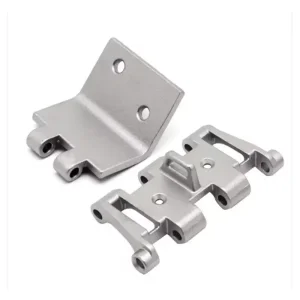
Custom OEM Custom Stainless Steel Parts from China Suppliers | Precision Machining & Investment Casting Factory Products, Product
View Product Specs
High-Quality Custom Laser Cut & Welded Heavy Equipment Control Panels from Reliable China Suppliers | Quality Factory Products Exporters, Factories
View Product Specs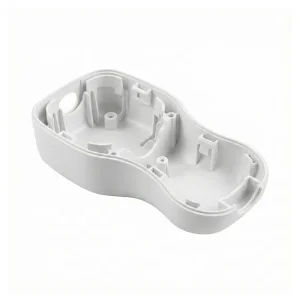
ODM Custom Medical Device Housing from China Suppliers and Factory - High-Quality Solutions for Your Needs Manufacturer, Exporter
View Product SpecsPolyvinyl Chloride (PVC) Molding: Material Rheology & Tooling Dynamics
An authoritative guide to engineered PVC processing, polymer degradation mitigation, and precision mold tooling architecture for tier-1 OEMs.
Engineering Gain Insight: Unlike polyolefins (PP/PE), Polyvinyl Chloride (PVC) exhibits a tight thermal processing window (typically between 160°C and 210°C). Overheating induces rapid dehydrochlorination, liberating corrosive hydrochloric acid (HCl) gas. Precision China PVC molding requires specialized bimetallic barrels, high-hardness Chrome/Hastelloy mold inserts, and active temperature-controlled melt runners.
Rigid PVC (uPVC) Engineering
Unplasticized PVC (uPVC) possesses an impressive tensile modulus (~2500–3000 MPa) and exceptional flame retardancy (UL94 V-0 inherent rating). It serves as the material of choice for load-bearing electrical enclosures, fluid valves, and high-impact structural profiles. Our tooling incorporates balanced shear-rate runner gates to prevent localized polymer burning.
Flexible PVC (pPVC) Formulations
By blending custom plasticizer packages (DOTP, DINP, or bio-based epoxidized soybean oils), we modulate Shore A hardness ratings from soft 40A up to rigid 95A. Flexible PVC moldings provide superior vibration damping, dielectric strength, and chemical resistance against acids and aliphatic hydrocarbons in automotive grommets and medical fluid tubing.
Corrosion-Resistant Tooling Metallurgy
Standard tool steels suffer severe pitting from chlorine gas evolution. Sunmy Hardware utilizes electro-slag remelted S136, Stavax, and duplex hard-chrome plating (HRC 52-56) for all mold cavities, core pins, and runner channels. This guarantees tool life longevity exceeding 1,000,000 shot cycles under continuous high-shear production.
Polymer Performance Matrix: PVC vs. Alternative Engineering Resins
| Polymer Metric | Rigid PVC (uPVC) | Flexible PVC (pPVC) | ABS (Acrylonitrile Butadiene) | Polypropylene (PP) |
|---|---|---|---|---|
| Tensile Strength (MPa) | 45 – 65 | 10 – 25 | 35 – 50 | 25 – 40 |
| Flexural Modulus (GPa) | 2.6 – 3.2 | 0.05 – 0.5 | 2.1 – 2.6 | 1.1 – 1.6 |
| Flame Retardancy | UL94 V-0 (Inherent) | UL94 V-0 to HB (Custom) | UL94 HB (Requires Additives) | UL94 HB (Requires Additives) |
| Chemical Resistance | Excellent (Acids/Bases) | Good (Oils/Alcohols) | Moderate (Solvent Sensitive) | Excellent (Solvents) |
| Mold Shrinkage Rate (%) | 0.2% – 0.5% | 1.0% – 2.5% | 0.4% – 0.7% | 1.2% – 2.5% |
Smart Injection Molding & Guangdong Supply Chain Synergy
Leveraging automated closed-loop processing, real-time cavity sensor diagnostics, and complete regional raw-material cluster integration.
Closed-Loop Cavity Pressure Monitoring
Every injection molding press is fitted with Kistler® piezo-electric transducer sensors in key mold cavities. Real-time monitoring of melt viscosity, holding pressure curves, and cooling rate prevents short shots, sink marks, and flash before components leave the cell.
Automated Robotic Workcells
High-speed 6-axis Fanuc® robots execute gate trim cutting, part extraction, and automated insert placement. This eliminates operator handling variability and ensures ultra-consistent cycle times under round-the-clock manufacturing schedules.
Shenzhen Supply Chain Cost Dominance
Located in the heart of China’s advanced hardware manufacturing hub (Shenzhen/Longgang), Sunmy Hardware connects directly with masterbatch compounders, heat-treatment facilities, and specialized surface-finishing partners within a 15-mile radius—slashing tooling lead times by up to 40%.
Macro-Industry Solutions & Turnkey Applications
Custom PVC moldings engineered to meet rigorous performance thresholds across demanding global vertical sectors.
Automotive & E-Mobility
Dual-durometer co-extruded door weather-strips, flame-retardant EV battery wiring grommets, and high-impact rigid interior structural clips. Formulated to withstand extreme thermal cycles (-40°C to +85°C) without embrittlement or plasticizer exudation.
Medical & Life Sciences
DEHP-free, non-phthalate plasticized PVC connectors, drip chambers, and diagnostic equipment enclosures. Manufactured inside ISO Class 8 cleanroom environments with full USP Class VI and ISO 10993 biocompatibility compliance validation.
Electrical & Power Infrastructure
UL94 V-0 self-extinguishing junction boxes, modular DIN-rail enclosures, and heavy-duty cable trunking profiles. Engineered with superior arc tracking resistance and dielectric breakdown strength up to 30 kV/mm.
Architectural & Construction
High-weatherability uPVC window frame profiles, exterior rain-screen cladding mounts, and municipal water management fittings with custom TiO2 UV-stabilizer packages for 25+ years of zero-degradation outdoor service.
Technology Roadmap & Next-Gen PVC Molding Trends
Pioneering sustainable chemistry, physical foaming micro-cellular structures, and AI-driven mold simulation.
1. Bio-Based & Non-Phthalate Plasticizers
Moving beyond legacy Ortho-Phthalates, Sunmy Hardware leads the adoption of bio-derived plasticizers synthesized from renewable soybean oil and citric acid esters. This lowers carbon footprints while meeting strict EU REACH Annex XVII standards without changing mechanical flexibility.
2. Microcellular Foaming (MuCell® for PVC)
By injecting supercritical N2 or CO2 into the PVC polymer melt, microcellular foaming creates uniform 10–50 micron gas bubbles inside the part core. This reduces component weight by 15% to 25%, drastically reduces sink marks on thick ribs, and cuts mold cooling cycle time by up to 20%.
3. Circular Post-Industrial Recycling (PIR) Integration
Our proprietary dual-component co-injection techniques utilize 100% recycled post-industrial PVC scraps inside the core layer while enveloping the outer surface in virgin, high-gloss PVC. This ensures environmental compliance and cost reduction without sacrificing surface cosmetic perfection.
Global Enterprise Sourcing Strategy & DFM Guidelines
Bridging international engineering standards with cost-optimized Chinese precision tooling execution.
Optimal Wall Thickness & Draft Angles
For rigid PVC (uPVC), uniform wall thickness between 1.5mm and 3.5mm prevents internal void formation. A minimum draft angle of 1.0° to 2.0° per side is essential due to PVC’s sticky polymer behavior during ejection. Deep textures require an additional 1° draft for every 0.025mm of depth.
Rib Geometry & Boss Design
To avoid surface sink marks opposite structural ribs, rib thickness must not exceed 50% to 60% of the main nominal wall thickness. Radians at rib roots should be held to R=0.5mm to maintain structural shear stress distribution while minimizing material mass concentration.
Total Cost of Ownership (TCO) Optimization
Direct sourcing from Sunmy Hardware eliminates broker margins (typically 20-30%). By providing early DFM feedback during CAD layout, our tooling engineers optimize core/drag parting lines and family mold cavitation, directly reducing tooling amortization costs per unit.
Full Traceability, Material Certification & Logistics Support
Providing seamless regulatory verification and end-to-end supply chain transparency for overseas procurement teams.
RoHS 3, REACH & UL94 Certification
Every raw material batch undergoes XRF spectrometer testing to verify compliance with EU Directive 2015/863 (RoHS 3) and SVHC REACH standards. Flammability testing is verified in-house according to UL94 vertical burning parameters before mass shipment.
Complete Quality Inspection Documentation
Shipments include complete First Article Inspection (FAI) reports, CMM 3D dimensional verification sheets, and material lot traceability certificates. We maintain physical sample retainers from every production run for up to 3 years.
Turnkey DDP / FOB Logistics Execution
Our dedicated export logistics team handles all customs clearance, tariff classification (HS Code 3926.90), and insurance under DDP (Delivered Duty Paid), FOB, or CIF terms—delivering directly to customer warehouses across Europe, North America, and Asia-Pacific.
Frequently Asked Engineering Questions
Expert technical clarity on tooling parameters, PVC compound stability, lead times, and customization options.
How does Sunmy Hardware prevent thermal degradation and hydrochloric acid release during PVC molding?
Thermal degradation is prevented through a three-tier quality control protocol: 1) Utilizing specialized bimetallic screws and barrels with lower compression ratios (1.8:1 to 2.2:1) to reduce shear heating; 2) Incorporating organic tin or calcium-zinc (Ca-Zn) thermal stabilizer packages into the raw PVC compounding process; 3) Implementing precise multi-zone PID temperature monitoring to keep melt temperatures strictly within the optimal 165°C – 195°C range.
What tool steel grades do you recommend for long-run PVC injection molds?
Due to the corrosive nature of off-gassed chlorine, we strongly advise against standard P20 or NAK80 steel for PVC molds. We recommend premium stainless mold steels such as AISI 420, S136, or Bohler M310 hardened to HRC 48-54, or application of hard chrome plating (minimum 0.025mm thickness) to guarantee long tool life exceeding 500,000 to 1,000,000 shots.
Can you produce co-extruded or dual-durometer PVC profiles and molded parts?
Yes. Sunmy Hardware possesses advanced dual-shot injection presses and multi-manifold extrusion lines capable of bonding rigid PVC (uPVC for structural rigidity) with flexible PVC (pPVC for sealing gaskets) in a single integrated automated process. This eliminates manual secondary assembly and improves bond integrity.
What is your standard lead time for PVC prototype tooling vs. production molds?
Prototype tooling (aluminum or soft steel) typically requires 10 to 15 business days, delivering initial T1 sample parts for dimensional fitting. Production-grade multi-cavity hardened steel tooling requires 25 to 35 business days, including full DFM verification, Moldflow simulation analysis, and CMM inspection validation.
What quality documentation is provided with custom orders?
Every shipment is accompanied by a comprehensive quality packet containing: Material Mill/RoHS Test Certificates, First Article Inspection (FAI) dimensional data, CMM 3D inspection reports, and process control run-sheets. ISO 9001:2015 traceability data is maintained for all produced batches.
How do you ensure intellectual property (IP) protection for custom CAD drawings?
We execute strict corporate Non-Disclosure Agreements (NDAs) prior to receiving any customer 2D/3D CAD files. All customer design data is housed on encrypted local servers with restricted access limited strictly to assigned project engineers. No third-party brokers or external trading agencies are involved.
Advanced Polymer & Precision Metal Portfolio
Discover our extended line of precision turned components, specialized shielding hardware, and engineered polymer assemblies.
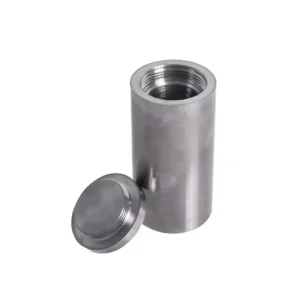
Custom Customized Tungsten Carbide Shielded Canister with Lid - China Suppliers and Factory Direct Offer Product, Factory
View Product Specs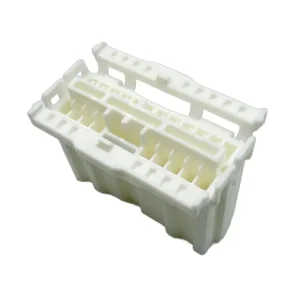
China High-Precision White PBT Automotive Connector Housing from China Factory - Reliable Suppliers for Electrical Solutions Manufacturer, Factories
View Product Specs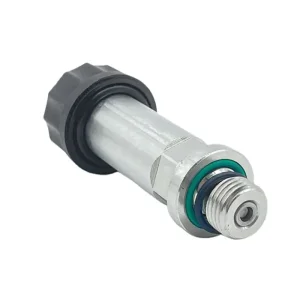
China High-Performance Hydraulic Solenoid Valve Core - Precision CNC Turned Excavator Parts by China Suppliers & Factory Manufacturers, Factory
View Product Specs
OEM Custom Stainless Steel Investment Casting & Precision Machining Parts from China Suppliers & Factory for Industrial Use Exporters, Factory
View Product Specs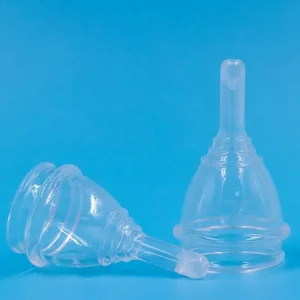
ODM Custom Medical Grade LSR Components | China Suppliers & Factory for Precision Silicone Parts Exporters, Factory
View Product Specs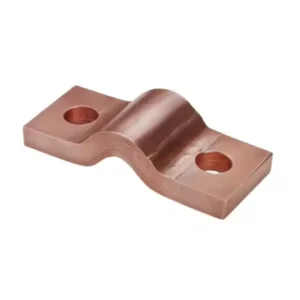
High-Quality Custom Flexible Laminated Copper Busbar for Battery & Electrical Equipment Manufacturer, Exporters
View Product Specs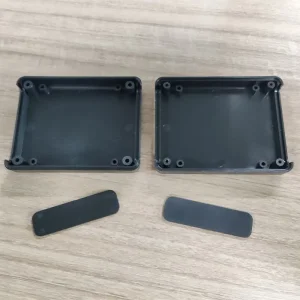
OEM Custom Modular Plastic Enclosures | Removable End Panels for OEM Electronics Products, Exporter
View Product Specs