Precision Engineered Component Portfolio
Top-tier precision parts manufactured under strict ISO quality frameworks with CMM-verified tolerances down to ±0.005 mm.
Global Landscape of ODM Precision Metal Forming: Architectural Shift Toward Micro-Geometries
The global precision metal forming market has undergone a paradigm shift, transitioning from traditional stamping and mechanical punching to ultra-precise, multi-axis Original Design Manufacturing (ODM) processes. Driven by the miniaturization of high-performance microelectronics, the electrification of automotive powertrains, and the rigorous weight-to-strength requirements of aerospace systems, global procurement teams no longer seek simple component vendors. Instead, they demand highly specialized ODM precision metal forming suppliers and exporters capable of handling complex metallurgical transformations with sub-micron tolerances.
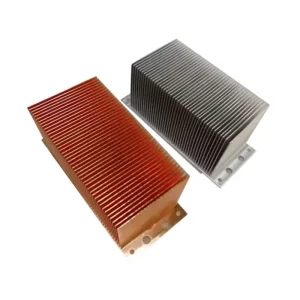
Modern precision metal forming encompasses advanced methodologies such as high-ratio skived fin machining, deep drawing, progressive precision stamping, multi-axis CNC turn-milling, wire EDM, and hybrid investment casting. The global surge in artificial intelligence infrastructure, high-density server architectures, and telecommunication devices has escalated thermal load density exponentially. As a result, heat dissipation components—such as copper and aluminum skived fin heat sinks—require seamless material integrity, high aspect ratio geometries, and zero thermal interface resistance, demanding advanced ODM engineering expertise.
Furthermore, structural components across aerospace, defense, and medical devices require bio-compatible or high-yield strength alloys, such as Grade 5 Titanium (Ti-6Al-4V), Tungsten Carbide, and Aircraft-grade Aluminum (AL7075-T6). Traditional machining often yields significant material waste and residual stress. Advanced precision forming, combined with 5-axis post-machining, allows manufacturers to optimize grain flow, eliminate internal voids, and maximize structural fatigue resistance while reducing component weight by up to 35%.
The Structural Efficiency Advantage of China's ODM Precision Metal Ecosystem
China's precision manufacturing ecosystem, particularly concentrated in high-tech industrial hubs like Shenzhen, has evolved far beyond cost efficiency. Today, it represents the world's most agile and integrated ecosystem for complex hardware engineering. For international buyers navigating tight product launch timelines, China-based ODM precision metal forming suppliers offer a synthesis of speed, process integration, and technical depth that remains unmatched globally.
Full Supply Chain Integration
From raw material billet sourcing and alloy extrusion to secondary post-machining, thermal treating, electroplating, and anodic oxidation, every node is localized within a 50-kilometer cluster. This minimizes logistical friction and accelerates production speed.
Aggressive DFM & Tooling Velocity
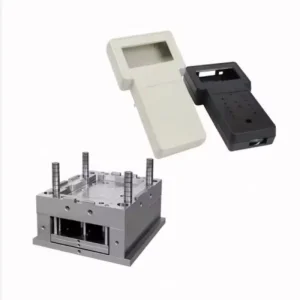
Chinese ODM engineers utilize advanced Finite Element Analysis (FEA) and Moldflow simulation to perform pre-manufacturing Design for Manufacturability (DFM) reviews within 24 hours, cutting mold tooling lead-times by over 40%.
Rigorous Quality Protocol
Leading Chinese exporters maintain comprehensive in-house metrology labs equipped with Zeiss 3D Coordinate Measuring Machines (CMM), Optical Spectrum Analyzers, and Automated Optical Inspection (AOI) units ensuring zero-defect exports.
Localized Application Scenarios & High-Precision Engineering Solutions
Precision metal forming operates at the core of advanced technology sectors. Understanding how tailored ODM forming processes address key industrial challenges is essential for technical buyers selecting high-performance components:
1. High-Density Power Electronics & Skived Fin Cooling
Industrial Context: Modern AI data centers, high-power LED arrays, and IGBT power modules generate high thermal fluxes. Conventional extrusions fail to provide adequate fin density and surface area.
ODM Precision Solution: Skiving technology cuts continuous, ultra-thin fins directly from a solid aluminum or copper block. This process eliminates solder interface resistance, yielding pitch tolerances down to 0.2mm and fin height-to-gap ratios exceeding 25:1, maximizing thermal efficiency.
2. Aerospace & Defense Structural Enclosures
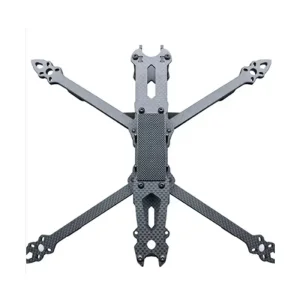
Industrial Context: Airborne radar modules, drone frames, and avionics mountings demand minimal weight coupled with extreme resistance to shock, vibration, and thermal expansion.
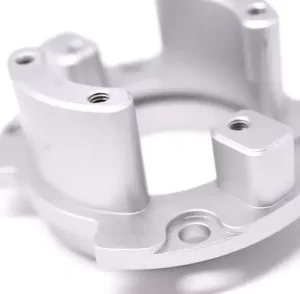
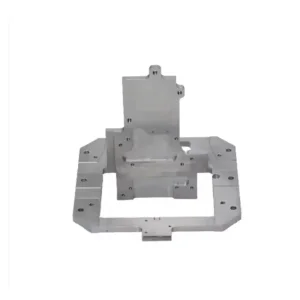
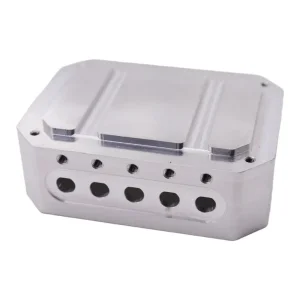
ODM Precision Solution: Utilizing 5-axis CNC machining alongside precision metal forming, multi-faceted housing brackets are produced from single billets of aircraft-grade aluminum or carbon fiber composites. Complex internal cavities are milled with ±0.005mm accuracy to accommodate sensitive RF electronics.
3. Medical & Implantable Surgical Hardware
Industrial Context: Dental implants, prosthetic connectors, and surgical driver tools require strict bio-compatibility, surface inertia, and zero particulate shedding during use.
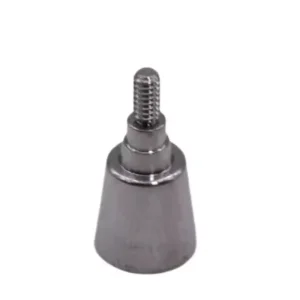
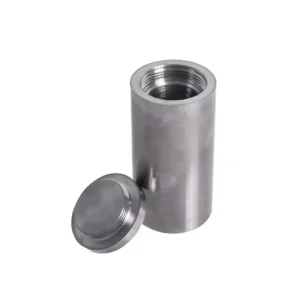
ODM Precision Solution: Swiss-type CNC precision turning and custom micro-forming produce Grade 5 Titanium prosthetic abutments. Electro-polishing and passivation processes ensure precise micro-threads and surface purity suitable for medical integration.
4. Cloud Computing Chassis & Sheet Metal Enclosures
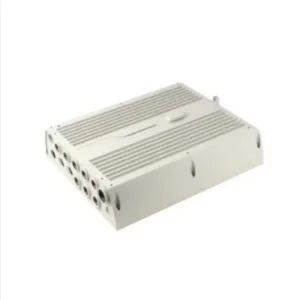
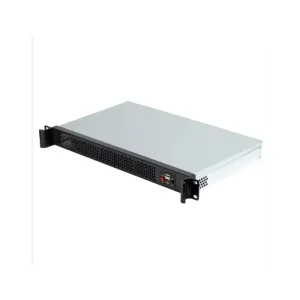
Industrial Context: Standard 1U/2U server chassis require uniform electromagnetic interference (EMI) shielding, structural rigidity, and heat dissipation within standardized rack specs.
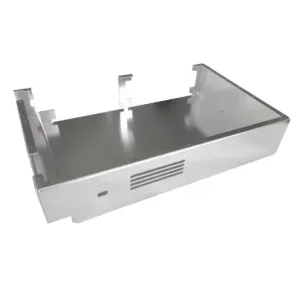
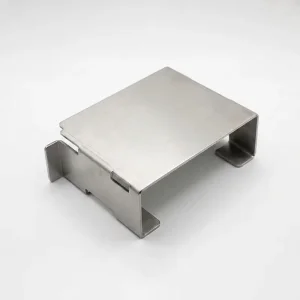
ODM Precision Solution: Combining progressive die sheet metal stamping, CNC turret punching, laser cutting, and robotic bending. Galvanized steel and stainless steel sheets are transformed into high-durability enclosures with integrated PEM clinch studs.
Procurement Criteria & Engineering Specifications for Global Buyers
Selecting an ODM precision metal supplier requires evaluating metallurgical expertise, processing capability, and quality control systems. Below is an engineering evaluation matrix detailing manufacturing capabilities, tolerances, and typical material applications:
| Metal Forming Process | Primary Materials | Achievable Tolerances | Surface Finish Options | Ideal Application Scenario |
|---|---|---|---|---|
| Skived Fin Machining | Copper (C11000), Aluminum (AL6063/6061) | Fin Thickness ±0.03mm, Pitch ±0.05mm | Anodizing, Nickel Plating, Passivation | High-Density CPU/GPU Cooling, LED Heat Sinks |
| 5-Axis CNC Milling | AL7075, Titanium Grade 5, Stainless Steel 316L | Linear ±0.005mm, Angular ±0.01° | Bead Blasting, Hard Anodizing, Chromate | Aerospace Brackets, Medical Housings, Drone Frames |
| Precision Swiss Turning | Brass, Titanium, Stainless Steel 304, Carbon Steel | Diameter ±0.002mm, Concentricity ±0.005mm | Electro-polishing, Gold/Silver Plating | Implant Connectors, Precision Pins, RF Adapter Bodies |
| Progressive Die Stamping | SPCC, SECC, Beryllium Copper, Aluminum | Forming ±0.02mm, Hole Pitch ±0.01mm | Powder Coating, Zinc Plating, E-Coating | Server Chassis, EMI Shields, Battery Contacts |
| Precision Die Casting | ADC12 Aluminum, A380, Zinc Alloy ZAMAK 3 | As-Cast ±0.05mm, CNC Post-Machined ±0.01mm | Powder Coating, Wet Painting, Shot Blasting | Automotive Brackets, Telecommunication Enclosures |
| Tungsten Carbide Forming | Tungsten Carbide (WC-Co grade) | Grinding ±0.001mm, Flatness 0.002mm | Mirror Polish, Diamond-Like Carbon (DLC) | Radiation Shielded Containers, Wear-Resistant Dies |
Next-Generation Technology Trends Shaping Metal Forming (2026–2030)
AI-Driven DFM & Path Optimization
Integration of generative artificial intelligence into computer-aided manufacturing (CAM) generates self-optimizing toolpaths. This reduces cycle times by up to 25% while extending tool life during high-speed milling of hardened alloys.
Hybrid Additive-Subtractive Forming
Combining Selective Laser Melting (SLM) 3D printing with high-precision 5-axis CNC finishing enables production of conformal cooling channels inside complex metal molds, dramatically accelerating cooling cycles.
Green Metallurgy & Carbon Neutral Sourcing
Global OEMs increasingly mandate verified low-carbon aluminum billets (recycled or hydro-powered melt) alongside closed-loop scrap recycling systems to meet international Scope 3 emissions compliance.
Comprehensive Precision Hardware Portfolio
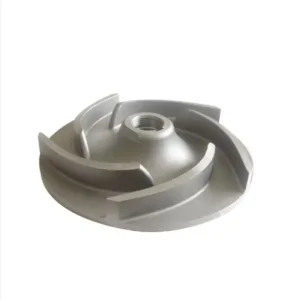
Explore our additional customized precision components designed for server infrastructure, power systems, and industrial machinery.
Frequently Asked Questions (FAQ) for ODM Metal Forming Sourcing
Expert engineering answers addressing the essential technical, operational, and quality assurance concerns of global procurement leads.
Q1: How do skived fin heat sinks compare to traditional bonded or extruded aluminum heat sinks?
Skived fin heat sinks are produced by shaving micro-thin fins directly from a monolithic block of aluminum or copper. Unlike bonded-fin heat sinks, which rely on thermal epoxy or brazing joints that create interfacial thermal resistance, skived fins offer a seamless metal structure. This provides 100% material thermal conductivity, higher fin density (up to 0.2mm gap), and a higher aspect ratio, resulting in up to 40% superior heat dissipation in forced-air environments.
Q2: What CAD file formats and engineering specifications are required for an immediate ODM RFQ review?
Our engineering team accepts 3D CAD formats including STEP (.stp), IGES (.igs), and SolidWorks (.sldprt), along with 2D vector files such as PDF or DWG/DXF for geometric dimensioning and tolerancing (GD&T) specifications. Providing explicit material grade details (e.g., Copper C11000, Aluminum 7075-T6), surface finish requirements (e.g., Type III Hard Anodizing, Ra 0.8 surface roughness), and estimated annual volume enables us to deliver a complete DFM report and price quotation within 24 hours.
Q3: How does Sunmy Hardware ensure intellectual property (IP) security during the custom ODM process?
We enforce strict corporate IP protection protocols. Prior to receiving any customer CAD data or technical documentation, we sign legally binding non-disclosure agreements (NDAs). All proprietary drawings are stored on secure, encrypted internal servers accessible strictly by assigned project engineers. Because you work directly with our owned manufacturing facility, your engineering data is never shared with third-party brokers or outsourced agents.
Q4: What quality control documentation accompanies global precision metal component shipments?
Every export shipment can include full quality documentation tailored to buyer specifications, including Material Test Certificates (MTC/Mill Certs showing chemical composition and tensile strength), First Article Inspection (FAI) reports, CMM 3D dimensional verification measurements, RoHS & REACH environmental compliance certificates, and salt-spray corrosion resistance test results for electroplated or anodized components.
Q5: What are the minimum order quantities (MOQ) and production scalability options for custom forming projects?
We support the full product life cycle. For rapid prototyping and functional design validation, we offer low-volume CNC machining and quick-turn sheet metal fabrication with an MOQ of 1 piece. Once designs are finalized, we scale directly to mass production via dedicated tooling, progressive stamping dies, or pressure die casting, handling production volumes exceeding 100,000 pieces per month with optimized unit economics.
Q6: How are micro-cracks and residual stresses prevented during deep drawing and complex sheet metal forming?
Preventing material failure in complex geometric forming requires careful control of blanking force, draw ratios, and inter-stage annealing processes. Our engineering team utilizes finite element metal-forming simulations to predict stress concentration zones prior to tool building. Using multi-stage progressive dies with precise lubrication channels and intermediate stress-relief heat treatments ensures uniform wall thickness and zero micro-fissures.