
Featured ODM Metal Housings & Hardware Solutions
Explore our core export-grade precision assemblies engineered for thermal, structural, and electromagnetic performance across global industries.
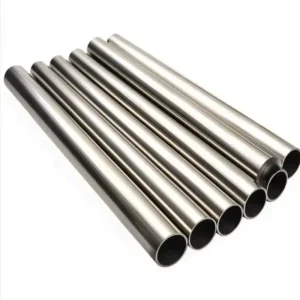
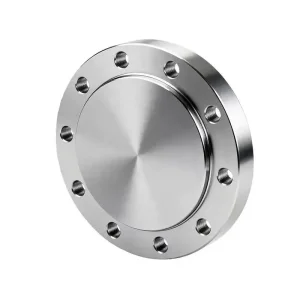
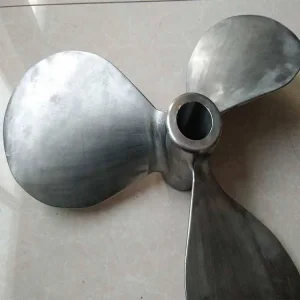
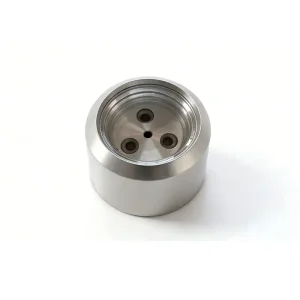
The Strategic Importance of ODM Metal Housings in Modern Hardware Engineering
In contemporary hardware engineering, the enclosure is no longer merely a cosmetic shell or a structural container. Today’s high-performance electronics, industrial automation equipment, defense hardware, and medical instrumentation demand custom ODM (Original Design Manufacturing) metal housings that actively contribute to system reliability, electromagnetic compatibility (EMC), thermal dissipation, and environmental resilience.
Whether deploying high-frequency 5G base station radio units, high-voltage EV power conversion modules, or ruggedized industrial robotic joints, original equipment manufacturers (OEMs) and engineering buyers require high-precision metal enclosures built to micro-inch tolerances. Transitioning from generic off-the-shelf chassis to tailored ODM metal housings provides decisive competitive advantages, including optimized internal component packing density, integrated thermal management channels, and guaranteed seal integrity under extreme pressure and temperature cycles.
Information Gain Insight: Selecting the optimal manufacturing process—such as High-Pressure Die Casting (HPDC) versus Billet 5-Axis CNC Machining or Sheet Metal Fabrication—depends directly on production volume, wall thickness uniformity, thermal load, and mechanical load-bearing criteria. Chinese export-oriented factories have evolved to deliver turnkey DFM (Design for Manufacturability) analysis, unifying metallurgy, machining, surface treating, and compliance under one quality management system (ISO 9001:2015 / IATF 16949).
Key Engineering Drivers for Custom Metal Enclosures
When global engineering teams evaluate ODM suppliers for metal housings, four fundamental performance metrics dictate structural design and alloy selection:
Thermal Dissipation
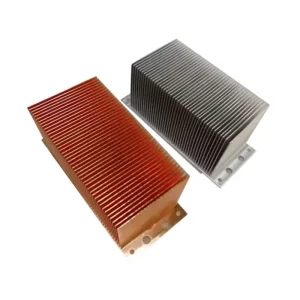
Integrating skived fin heatsinks, direct-contact copper cold plates, or cast pin-fin arrays directly into the housing body to dissipate severe thermal loads without relying on prone-to-failure external fans.
EMI / RFI Shielding
Metal housings naturally isolate sensitive internal printed circuit board assemblies (PCBAs) from external electromagnetic interference, maintaining signal integrity in high-frequency RF environments.
Ingress Protection (IP67/68)
Precision CNC-milled gasket tongue-and-groove channels combined with molded fluorosilicone seals provide complete fluid, dust, and corrosive vapor isolation for severe outdoor and subsea deployments.
China’s Competitive Advantages in ODM Metal Housing Manufacturing
How Chinese industrial clusters combine unmatched supply chain density, advanced metallurgical engineering, and cost-effective scaling to empower global OEM brands.
1. Fully Integrated Regional Ecosystems
Major manufacturing hubs like Shenzhen, Dongguan, and Suzhou host complete end-to-end metalworking ecosystems within a 30-mile radius. Raw alloy ingot casting, tooling die design, multi-axis CNC machining, specialized anodizing, and laboratory CMM inspection occur seamlessly in tight feedback loops, reducing New Product Introduction (NPI) lead times by up to 60% compared to Western counterparts.
2. Dual-Cost Optimization Architecture
China-based exporters offer unprecedented flexibility in balancing Non-Recurring Engineering (NRE) tooling costs with per-unit Piece Part Prices (PPP). Engineering teams can start with rapid billet CNC milling for low-volume EV prototypes, effortlessly transitioning to multi-cavity aluminum die casting as order volumes expand into tens of thousands of units per month.
3. Investments in Advanced 5-Axis Automation
Modern Chinese metal housing factories possess top-tier machinery, including Japanese DMG Mori 5-axis machining centers, Brother high-speed tapping centers, and automated robotic loader cells. This enables complex compound angles, undercut internal channels, and tight position tolerances down to ±0.005mm without requiring manual re-fixturing.
4. Rigorous Quality & Quality Systems (E-E-A-T)
Leading Chinese exporters hold ISO 9001, IATF 16949 (Automotive), and ISO 13485 (Medical) certifications. Factory floors utilize Zeiss Coordinate Measuring Machines (CMM), X-ray flaw detectors for casting porosity inspection, spectrographs for metal composition verification, and automated salt-spray chambers to guarantee international export compliance.
Selecting the Right Manufacturing Process for ODM Metal Housings
A comprehensive engineering trade-off analysis for metal housing production processes.
| Manufacturing Process | Ideal Production Volume | Standard Tolerances | Common Materials | Key Strengths | Primary Limitations |
|---|---|---|---|---|---|
| High-Pressure Die Casting (HPDC) | 1,000 – 100,000+ pcs | ±0.05 mm – ±0.1 mm | A380, ADC12, AlSi10Mg, Magnesium AZ91D | Lowest unit cost at volume, complex thin-wall geometries (down to 1.5mm), integrated heatsink fins. | Higher initial NRE tooling costs; risk of internal gas porosity requiring vacuum casting controls. |
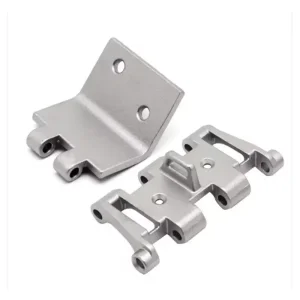
| 5-Axis CNC Billet Machining | 1 – 1,000 pcs (Prototyping) | ±0.005 mm – ±0.01 mm | AL6061-T6, AL7075-T6, Stainless 304/316, Titanium Gr5 | Zero tooling cost, maximum structural strength, extreme dimensional accuracy, pristine cosmetic finish. | Higher piece-part cost; extended machine cycle times for large volume production runs. |
| Investment Casting (Lost Wax) | 500 – 5,000 pcs | ±0.15 mm – ±0.3 mm | Stainless Steel 316L, 17-4PH, Carbon Steel, Inconel | Superior corrosion resistance, high tensile strength, ideal for complex internal geometries and fluid valves. | Slower turnaround cycles; post-casting CNC machining needed for critical interface mating faces. |
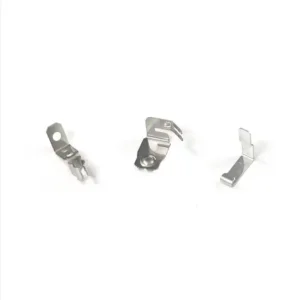
| Precision Sheet Metal & Stamping | 500 – 50,000+ pcs | ±0.1 mm – ±0.2 mm | SPCC Cold-Rolled Steel, Aluminum 5052, Brass, Copper | Lightweight, quick prototype turnover via laser cutting, highly cost-effective for rack-mount chassis. | Limited to uniform wall thickness materials; complex 3D contoured shapes require progressive dies. |
| Skived Fin & Hybrid Fabrication | 100 – 10,000 pcs | ±0.02 mm | Pure Copper (C1100), Aluminum 1060/6063 | Unmatched thermal dissipation density; extremely thin fins with high height-to-gap aspect ratios. | Higher delicate handling requirements; restricted to thermal dissipation interface zones. |
Localized Application Scenarios & Macro Solutions
Custom-engineered ODM metal housing solutions designed for mission-critical industrial environments.
5G & Telecommunications Outdoor Radios
Challenge: Severe outdoor weather exposure, intense solar heating, and mandatory IP68 sealing for remote cell towers.
ODM Metal Housing Solution: Heavy-duty die-cast aluminum (A380) housing with an integrated high-density pin-fin thermal sink, treated with chromate conversion coating and outdoor-grade UV-resistant powder coat. CNC-milled gasket channels with EMI-conductive silicone O-rings ensure zero moisture penetration.
Industrial Robotics & Joint Actuators
Challenge: High torque stresses, strict weight limits for dynamic payload efficiency, and extreme vibration resistance.
ODM Metal Housing Solution: Ultra-lightweight 5-axis CNC-machined Aircraft Aluminum (AL7075-T6) or Magnesium AZ91D housing. Bearing seats machined to ±0.005mm concentricity ensure precise harmonic drive gear alignment and long operational lifespan.
Medical Diagnostics & Surgical Instruments
Challenge: Strict sterile wipe-down compliance, bio-compatibility, chemical washdown resistance, and precision internal PCB placement.
ODM Metal Housing Solution: Stainless Steel 316L precision investment cast housing post-machined to Ra 0.4μm mirror polish or electro-polished surface finish. Provides complete resistance to aggressive autoclaving and chemical cleaning agents.
Automotive EV Battery & Inverter Enclosures
Challenge: High-voltage safety containment, crash-worthiness impact resistance, and liquid cooling passage integration.
ODM Metal Housing Solution: Vacuum-assisted aluminum die-cast housing combined with friction stir welded (FSW) internal cooling plates. 100% helium leak tested to ensure coolant channels remain sealed under operating pressures.
Aerospace & Agricultural Unmanned Vehicles (UAVs)
Challenge: Harsh operating conditions, weight optimization, structural rigidity against rotor harmonics, and weather protection.
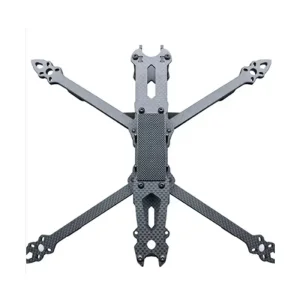
ODM Metal Housing Solution: Hybrid enclosures combining 3D-milled carbon fiber structural plates with precision CNC turned/milled aluminum 6061-T6 hub mounts and titanium fasteners for low structural mass.
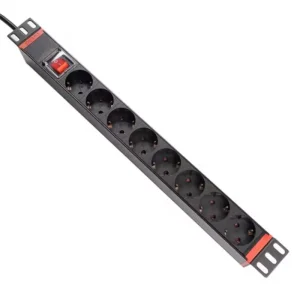
Data Center Server Rack PDUs & Power Supplies
Challenge: Modular scalability, heat management under dense compute loads, and strict electrical grounding requirements.
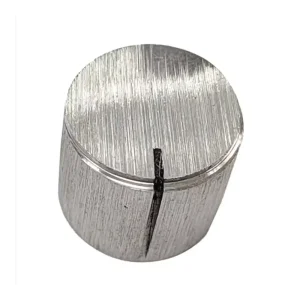
ODM Metal Housing Solution: High-speed stamped SECC/SPCC steel chassis featuring CNC punch press mounting cutouts, custom brushed metallic control knobs, and powder-coated textured finishes for clean rack slide installation.
Global Enterprise Sourcing Framework: Risk Mitigation & Quality Control
How leading OEM procurement teams evaluate Chinese export suppliers to ensure zero defect rates and seamless international logistics.
Procuring custom metal housings internationally introduces supply chain risks regarding dimensional variance, alloy misrepresentation, cosmetic blemishes, and delivery delays. Established export factories eliminate these risks through standardized Quality Assurance (QA) protocols executed at every stage of production:
1. Pre-Production DFM & Moldflow Simulation
Before cutting steel for dies or machining billet stock, engineering teams execute 3D DFM analysis. Moldflow simulations identify potential die-casting weld lines, air traps, and thermal shrink deformation, optimizing gate placement early to eliminate costly tooling re-spins.
2. Metallurgical Verification & Material Traceability
Raw material ingots undergo optical emission spectrometry to verify elemental chemical composition (e.g., precise silicon, iron, and copper percentages in aluminum alloys). Material Test Reports (MTR / EN 10204 3.1) are logged per heat lot to maintain complete mill-to-door traceability.
3. In-Process Metrology (CMM & FAI)
First Article Inspection (FAI) reports created per AS9102 protocols verify 100% of drawing dimensions using Zeiss Coordinate Measuring Machines (CMM), optical gaging systems, and thread pin gages before mass production sign-off.
4. Surface Finishing & Environmental Testing
Anodized Type II/III hard-coat thickness is measured using eddy-current meters. Salt-spray testing chambers (ASTM B117) validate coating adhesion and corrosion resistance up to 1,000+ hours for marine and outdoor deployments.
Industry Trends: The Next Generation of ODM Metal Enclosures
Key technological shifts reshaping the design, manufacturing, and sustainability of custom industrial metal housings.
Liquid Cold Plate Integration
As AI chips, high-power electronics, and EV fast-chargers push power densities past traditional air-cooling limits, metal housings are increasingly designed with internal liquid cold plates, micro-channel friction-stir welded plates, and direct-fluid dielectric immersion passages.
Hybrid Additive-Subtractive Manufacturing
Combining Selective Laser Melting (SLM) 3D metal printing with post-machining 5-axis CNC finishing allows factories to generate organic internal lattice structures that reduce housing weight by 40% while maintaining ultimate structural strength.
Sustainable Low-Carbon Alloys
Global net-zero mandates are accelerating adoption of recycled aluminum alloys (such as post-consumer recycled 6061 and low-carbon hydro-powered smelted aluminum), cutting embedded carbon footprints by up to 70% per housing without compromising tensile strength.
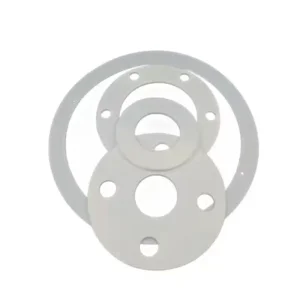
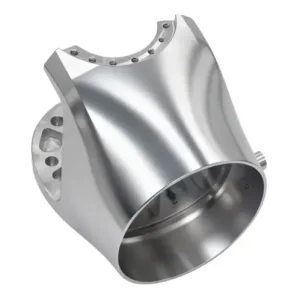
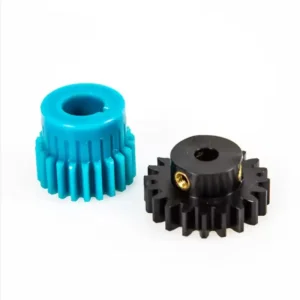
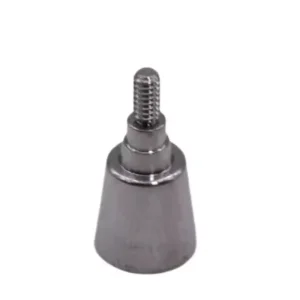
Specialized Precision Cast, Turned & Molded Components
Explore additional high-precision OEM/ODM component solutions exported to global industrial partner facilities.
Frequently Asked Questions (FAQ) for Global Buyers
Comprehensive engineering and procurement answers regarding custom ODM metal housing manufacturing.
What is the typical lead time for custom ODM metal housing prototyping vs. mass production?
How do Chinese metal housing factories protect foreign buyer Intellectual Property (IP)?
What surface treatment choices provide the best corrosion protection for outdoor metal enclosures?
Which geometric tolerances can your CNC machining centers hold on critical mating surfaces?
Can ODM factories integrate thermal management solutions like skived fins directly into the housing design?
What inspection reports and quality documentation accompany international export shipments?
Accelerate Your Custom ODM Metal Housing Project
Connect directly with our senior engineering team to receive a comprehensive Design for Manufacturability (DFM) review and competitive factory quote within 24 hours.